
 Save
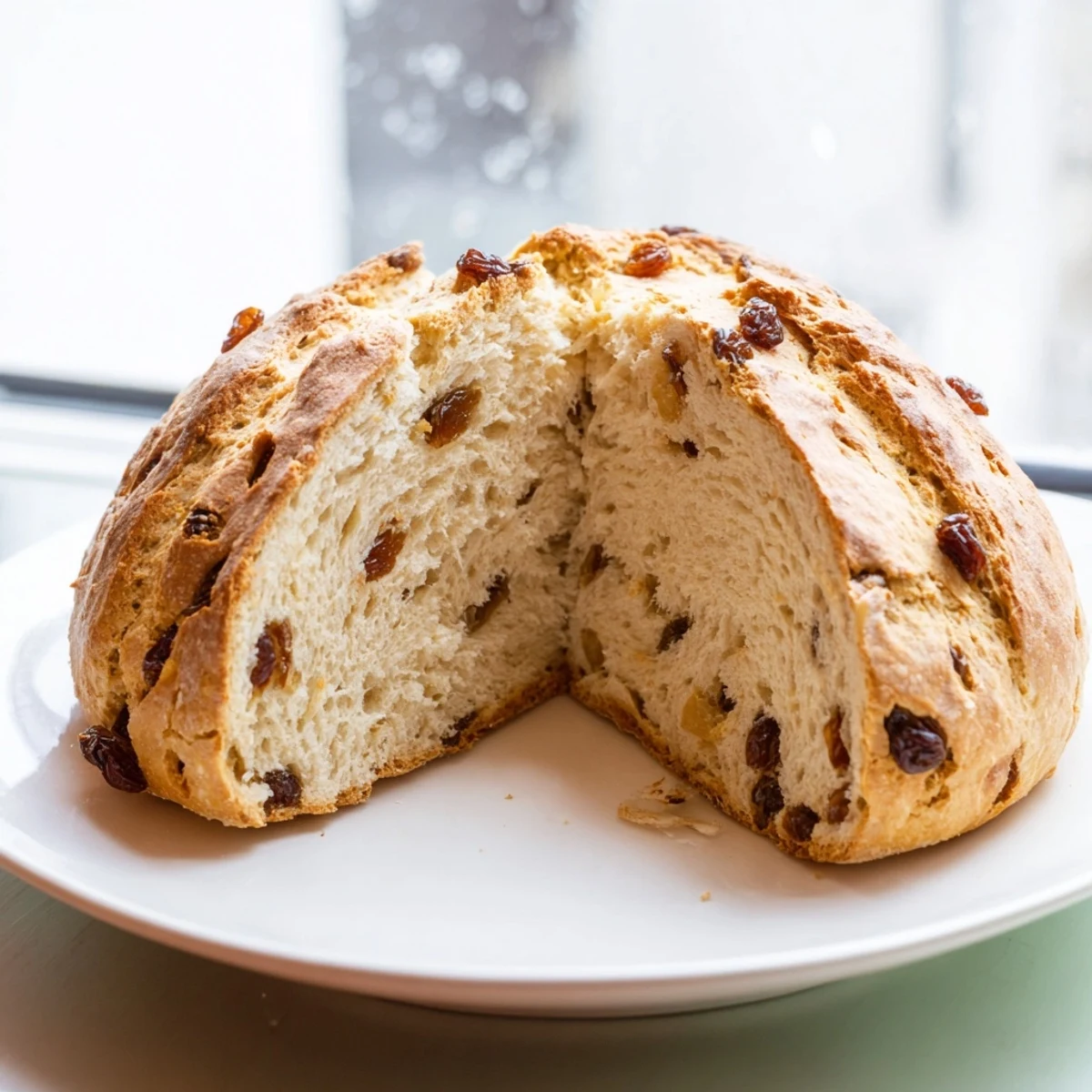
Save This Irish soda bread offers a golden crust with a tender, moist crumb inside. Made with simple pantry ingredients including flour, baking soda, buttermilk, and raisins, it comes together quickly without yeast. The loaf is gently kneaded and scored to allow even baking and a classic rustic look. Perfect when served warm with Irish butter or alongside hearty soups, this bread embraces traditional flavors in a straightforward baking method, fitting easily into festive or everyday meals.
The smell of baking soda bread still pulls me back to my grandmother's tiny kitchen, where flour dust danced in shafts of morning light through the window. She never measured anything precisely, claiming she could feel when the dough was right by the way it whispered under her hands. Now I understand what she meant—the moment the shaggy mass comes together in the bowl, there's a certain satisfaction that can't be taught from a cookbook alone.
Last March, I made three loaves back-to-back while my roommate sat at the counter, nursing a mug of tea and watching the steam fog up our kitchen windows. We ate the first one straight from the oven, slathering each slice with salted butter until it melted into every crevice. By the time the third loaf emerged, golden and formidable, we'd already made plans to deliver it to our neighbors down the hall who always smelled the baking before we even knocked.
Ingredients
- 4 cups all-purpose flour: The foundation of everything—bread flour makes it too tough, so reach for the standard stuff
- 1 teaspoon baking soda: This is your rising agent, and it reacts instantly with buttermilk, so work quickly once you combine them
- 1 teaspoon salt: Don't skimp here—it balances the sweetness of raisins and brings out the wheat's natural flavor
- 2 tablespoons granulated sugar: Just enough to hint at sweetness without crossing into dessert territory
- 1 cup raisins or currants: Plump little jewels of sweetness that burst between bites
- 1 3/4 cups buttermilk: The acidity activates the baking soda and creates that signature tender crumb
- 4 tablespoons unsalted butter, melted: Adds richness and helps create that irresistible golden crust
Instructions
- Preheat your oven to 425°F
- Line a baking sheet with parchment paper—this prevents the bottom from scorching and makes cleanup effortless
- Whisk together the dry ingredients
- In a large bowl, combine flour, baking soda, salt, and sugar until they're one happy family
- Add the raisins
- Toss them through the flour mixture so they won't sink to the bottom while baking
- Create a well in the center
- Pour in the buttermilk and melted butter, then mix gently with a wooden spoon until just combined—overworking leads to tough bread
- Turn onto a floured surface
- Knead for about thirty seconds, just until the dough comes together in a shaggy, rustic ball
- Shape into a round loaf
- Press it into a circle about seven inches across and place it on your prepared baking sheet
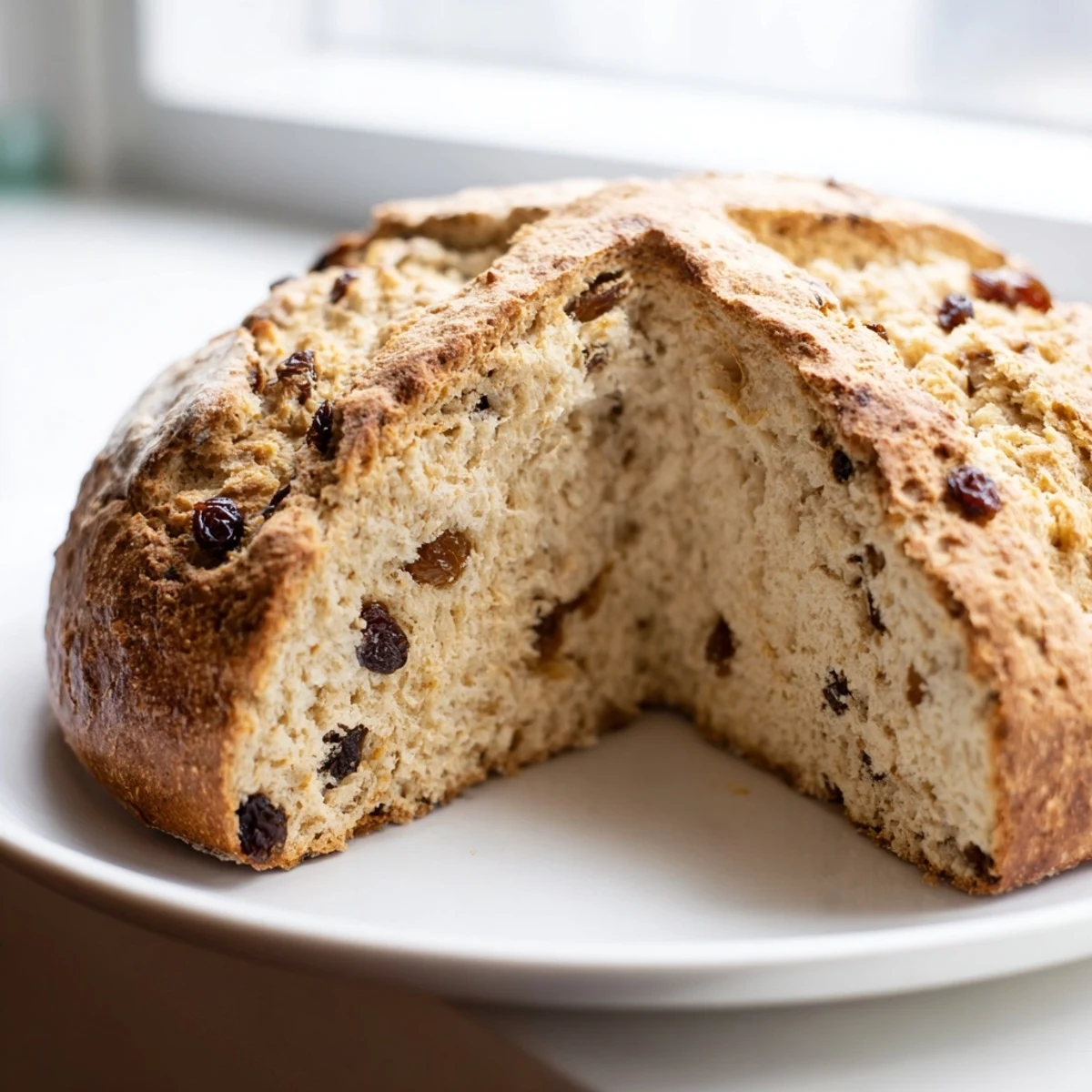
- Cut a deep X across the top
- This classic cross helps the bread expand while baking and gives it that unmistakable soda bread silhouette
- Bake for 35–40 minutes
- Wait until the loaf is deeply golden and sounds hollow when you tap the bottom—that hollow echo means it's done
- Cool before slicing
- Let it rest for at least twenty minutes, or the steam will escape and you'll lose that tender interior texture
 Save
Save My first attempt at soda bread ended in a dense, hockey puck-like disaster because I couldn't resist kneading it like yeast dough, convinced that more manipulation meant better results. The bread that emerged from the oven was so heavy it could have served as a doorstop. Now I treat the dough with gentle respect, barely touching it, and somehow that restraint produces the lightest, most tender loaf imaginable.
The Buttermilk Secret
Real buttermilk matters here—those watery cultured versions at the grocery store lack the acidity needed to properly activate the baking soda. If you're in a bind, mix regular milk with a tablespoon of vinegar and let it sit for five minutes. The thickness and tang of genuine buttermilk create the crumb structure that makes this bread so irresistible.
Making It Your Own
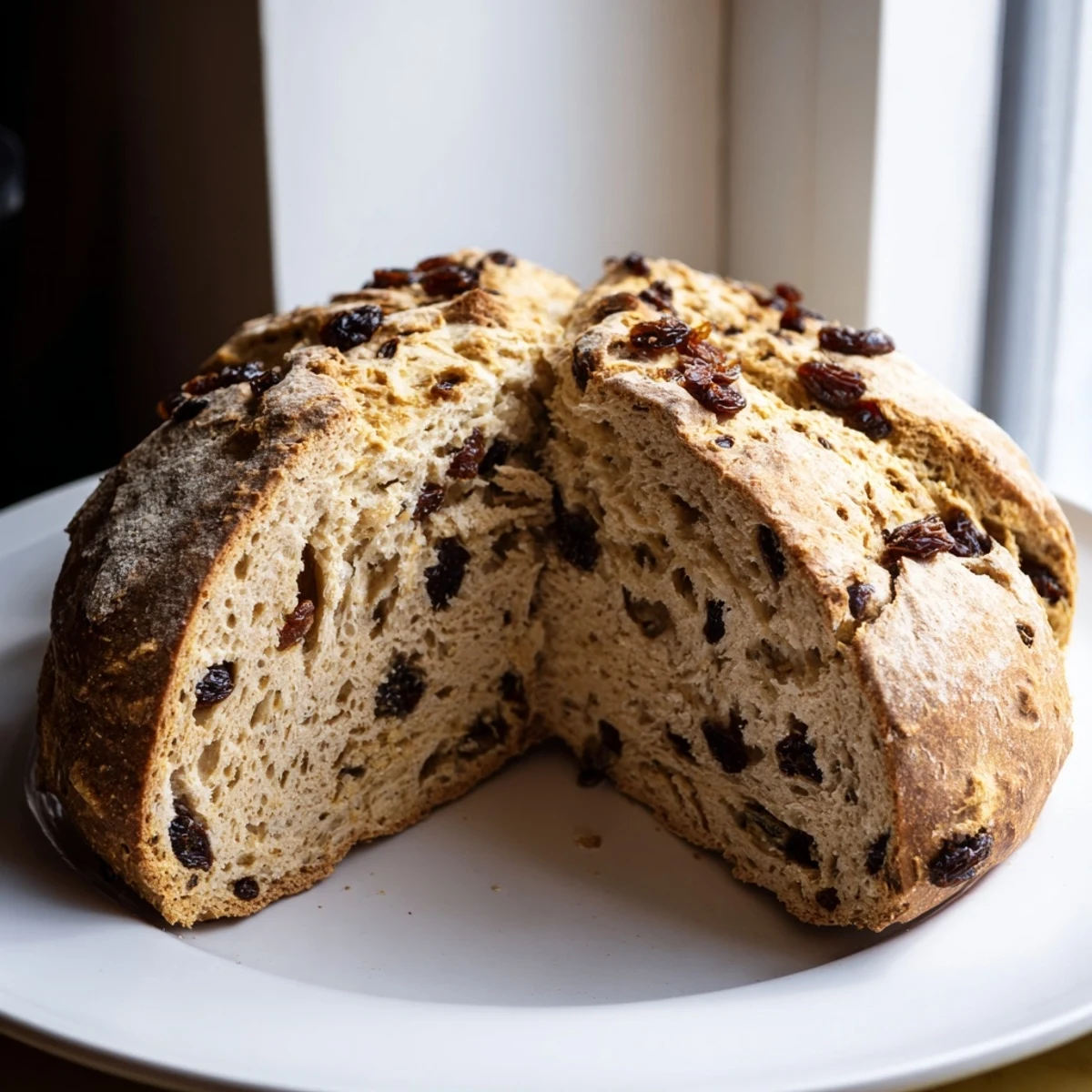
Traditionalists omit the raisins entirely, and I've grown to love both versions depending on my mood. Sometimes I'll swap in dried cranberries for a tart contrast, or add caraway seeds if I'm craving something more savory. Half whole wheat flour adds nutty depth and a heartier texture, though the bread becomes slightly denser—perfect for soup-dipping.
Serving & Storing
Nothing compares to that first warm slice, melting butter pooling in every crater. This bread was born to be served alongside hearty stews or simply eaten plain, standing over the counter while it's still too hot to handle comfortably. Wrap it tightly after the first day—it's best within forty-eight hours, but leftover slices make excellent toast or breadcrumbs.
- Warm each slice for ten seconds in the microwave before serving to recapture that fresh-baked magic
- Freeze the whole loaf wrapped in foil if you won't finish it within two days—it reheats beautifully at 350°F for ten minutes
- Day-old soda bread transforms into exceptional bread pudding or French custard toast
 Save
Save Whether it's St. Patrick's Day or a random Tuesday that needs some comfort, this bread delivers exactly what your soul is asking for. The kitchen will smell like温暖 and possibility, and that's something worth celebrating.
Recipe FAQs
- → What makes this bread Irish?
-
Its signature use of baking soda as a leavening agent and buttermilk creates the traditional texture and flavor known in Irish quick breads.
- → Can I omit the raisins?
-
Yes, the bread remains delicious and retains its classic tender texture without the addition of raisins or currants.
- → Why score an X on top of the loaf?
-
Cutting a deep X permits the bread to expand properly during baking, resulting in an even rise and a characteristic appearance.
- → How should I store the bread?
-
Keep the bread wrapped at room temperature and consume within two days for optimal freshness and softness.
- → Can I substitute whole wheat flour?
-
Yes, substituting half of the all-purpose flour with whole wheat flour adds a heartier texture and nuttier flavor.
- → What are suitable accompaniments for this bread?
-
Serving it warm with Irish butter, jam, or alongside soups and stews complements its flavor and texture beautifully.