
 Save
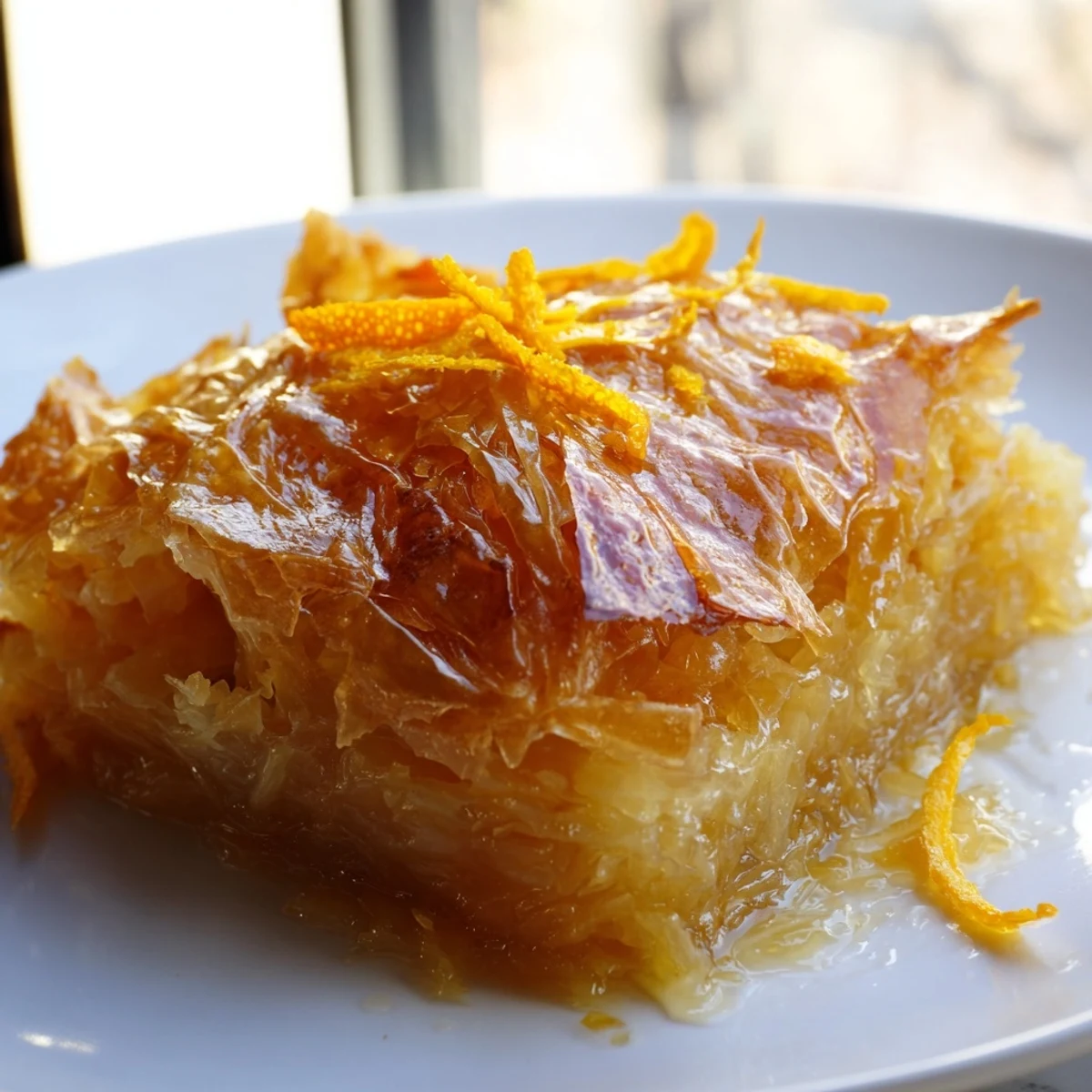
Save Portokalopita represents the genius of Greek patisserie, transforming humble phyllo sheets into an extraordinary dessert through a unique technique. The phyllo is intentionally dried and crumpled before being mixed with a rich custard of eggs, Greek yogurt, olive oil, and fresh orange zest. During baking, these layered shards become incredibly crisp, creating texture that will later drink in the aromatic syrup.
The syrup, infused with cinnamon and freshly squeezed orange juice, is the secret to Portokalopita's character. It must be poured over the hot pastry, allowing every crisp corner to absorb the fragrant liquid. This transformation creates the perfect contrast: crunchy edges giving way to soft, syrup-soaked centers with bright orange notes throughout.
The result is a dessert that balances sweetness with citrus brightness, texture with tenderness. It's traditionally served after a long rest, allowing flavors to meld. Authentic Greek yogurt is essential here, providing the tang that cuts through the syrup and creates the characteristic texture.
The tiny bakery in Athens had just one table wedged between shelves of flour and sugar. I watched the owner pull a golden pan from the oven and immediately douse it with syrup, the steam rising in sweet orange clouds. That moment of hot meets cold, crispy meets soaked, stayed with me across an ocean and a decade of trying to recreate it.
My first attempt ended in a sodden mess because I poured warm syrup over hot pie. Now I know that patience—waiting for the syrup to cool completely—transforms this into something transcendent. The kitchen fills with such intoxicating citrus perfume that neighbors start knocking on the door.
Ingredients
- 450 g phyllo sheets: Letting them dry out slightly before crumbling creates better texture pockets for the syrup to find
- 4 large eggs: Room temperature eggs whisk up fluffier and incorporate more evenly into the thick yogurt batter
- 250 g Greek yogurt: Full fat traditional Greek yogurt provides the essential tang and creaminess thinner yogurts lack
- 200 g granulated sugar: This amount balances the sharp citrus without overpowering it
- 120 ml light olive oil: Sunflower oil works but olive oil adds subtle fruitiness that complements the orange
- 2 tsp vanilla extract: Use real vanilla not imitation for that warm background note
- Zest of 2 large oranges: Zest directly into the batter to capture all those fragrant oils
- 2 tsp baking powder: This gives the pie just enough lift between all those dense phyllo layers
- 250 ml water: The syrup base needs enough liquid to fully penetrate the baked pie
- 200 g granulated sugar for syrup: The syrup should be thick enough to coat a spoon but still pour easily
- 200 ml fresh orange juice: Squeeze your own oranges nothing compares to fresh squeezed brightness
- 1 cinnamon stick: Whole cinnamon infuses gentle warmth without any harsh powdery texture
- Zest of 1 orange: Extra zest in the syrup intensifies the orange flavor throughout
Instructions
- Prep your phyllo:
- Remove the thawed phyllo from packaging and spread sheets on a clean surface letting them air dry for about an hour until slightly crisp then crumple them into rough irregular pieces with your hands
- Whisk the base:
- In a large bowl beat eggs and sugar until the mixture turns pale and thick about 3 minutes then fold in yogurt oil vanilla orange zest and baking powder until smooth
- Combine everything:
- Gently fold the crumpled phyllo pieces into the batter taking care to coat every shard evenly
- Bake until golden:
- Pour the mixture into your prepared dish smooth the top and bake for 40 to 45 minutes until deep golden and a tester comes out clean
- Make the syrup:
- While the pie bakes combine water sugar orange juice cinnamon stick and orange zest in a saucepan bring to a boil then reduce heat and simmer for 8 minutes
- Cool and pour:
- Remove cinnamon and zest from the syrup let it cool completely then slowly pour the cold syrup over the hot pie allowing it to soak in for at least 2 hours before serving
 Save
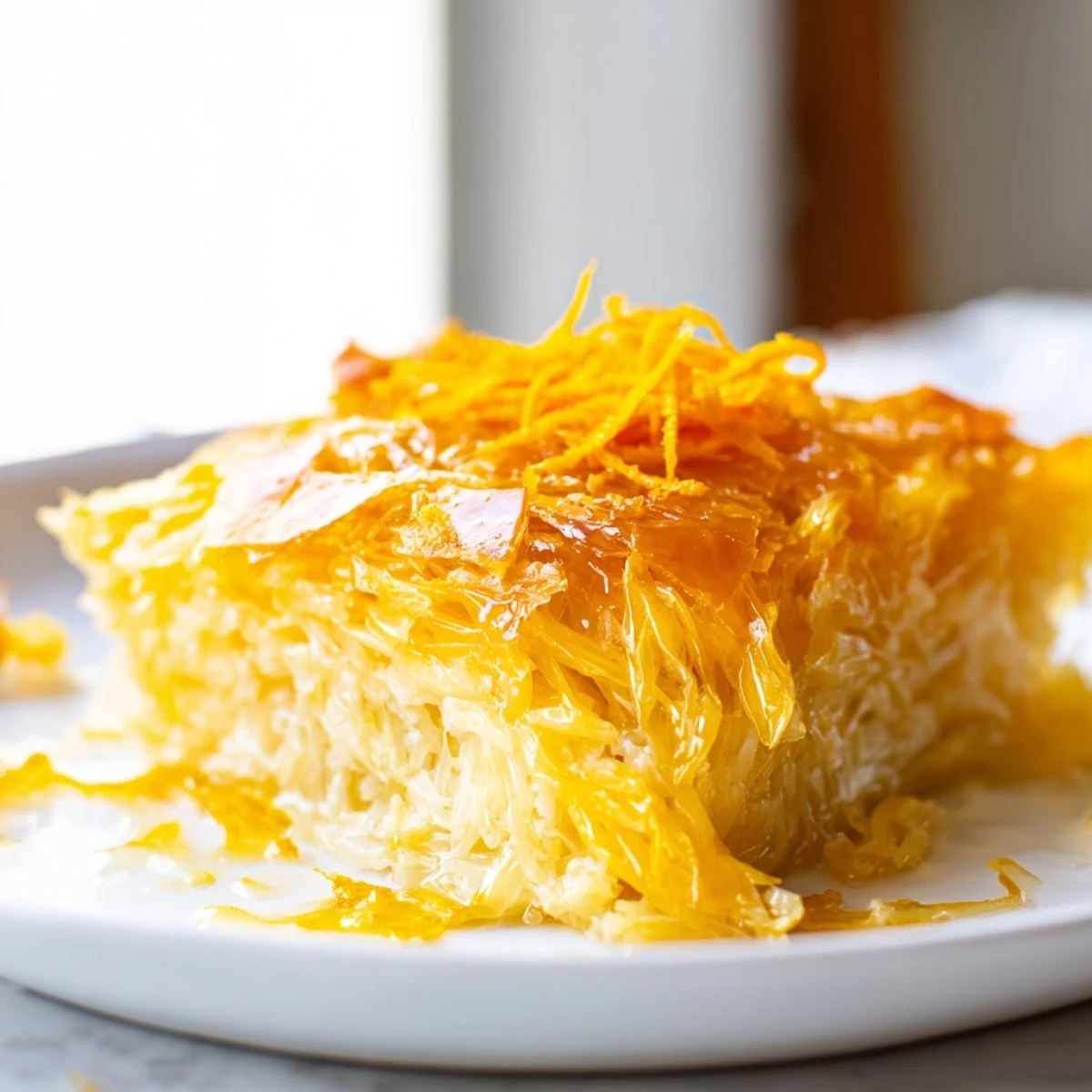
Save This recipe became my go to when friends moved into new homes or needed comfort. Something about the ritual of pouring that slow stream of syrup over the steaming pie feels like an act of care that translates across any language.
Making It Ahead
Portokalopita actually improves with time so feel free to bake it a day before serving. The syrup keeps working its way through the layers developing deeper flavor and more uniform texture overnight.
Serving Suggestions
While this dessert stands perfectly on its own a dollop of freshly whipped cream or a scoop of vanilla bean ice cream creates a lovely temperature contrast. The cold cream against the room temperature fragrant cake is absolute perfection.
Storing Tips
Keep any leftover pie covered at room temperature for up to 3 days though the texture will soften as it continues to absorb syrup. You can refrigerate it but bring it to room temperature before serving for the best experience.
- A splash of orange liqueur in the syrup adds sophisticated depth
- Toast leftover pieces in a warm oven to revive some crispness
- Use a microplane for the finest most fragrant orange zest
 Save
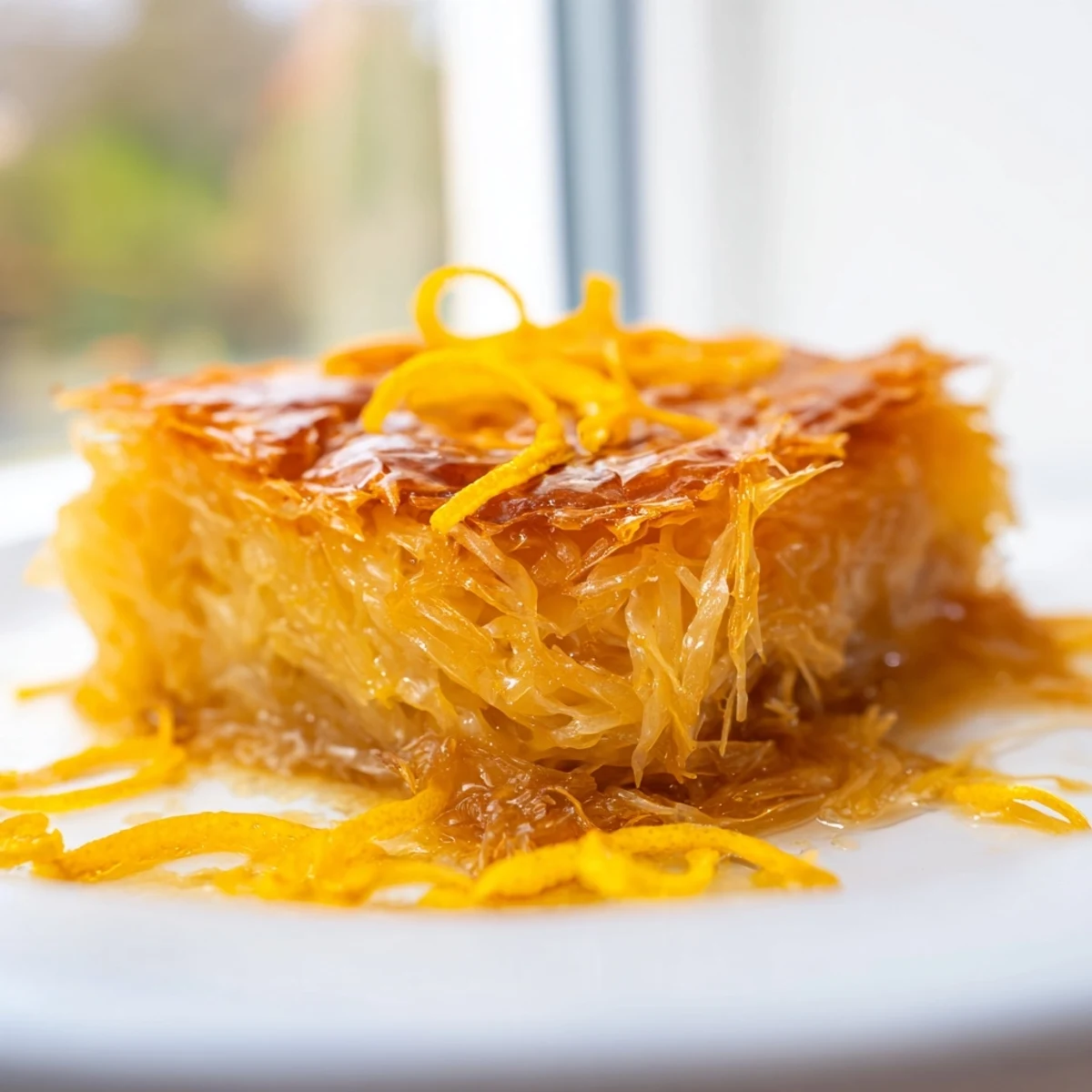
Save There is something deeply satisfying about how a few humble ingredients transform into such an elegant dessert. Every bite carries the warmth of Greek kitchens and the simple joy of sharing something sweet.
Recipe FAQs
- → Why must the phyllo sheets dry out before using?
-
Drying the phyllo for an hour makes it pliable and easier to crumple without tearing. This creates varied textures—some pieces remain crunchy while others become tender when soaked in syrup. The irregular crumpling also creates more surface area for the custard to coat and the syrup to penetrate later.
- → Can I prepare Portokalopita in advance?
-
Absolutely. In fact, Portokalopita improves with time. It needs at least 2 hours to absorb the syrup properly, but it tastes even better the next day. Store it covered at room temperature for up to 3 days. The flavors deepen and the texture becomes more uniformly moist and delightful.
- → What makes Greek yogurt essential in this preparation?
-
Genuine Greek yogurt is strained, removing whey and creating a thicker, creamier consistency. This richness is crucial for binding the crumpled phyllo together and provides a subtle tang that balances the sweet syrup. Regular yogurt would make the mixture too thin and lack the characteristic depth of flavor.
- → Why must the syrup be cooled before pouring?
-
Pouring hot syrup on hot pastry would make it soggy rather than allowing proper absorption. The temperature difference creates a gentle exchange where the syrup penetrates without overwhelming the structure. This slow absorption is what gives Portokalopita its signature contrast of crispy edges and syrup-soaked center.
- → Can I add other flavors to the syrup?
-
Certainly. A splash of orange liqueur like Grand Marnier or Cointreau elevates the citrus notes. Some recipes include a few cloves or a strip of lemon peel alongside the cinnamon. However, keep additions subtle—the magic of Portokalopita lies in the pure, bright orange flavor shining through.
- → How do I know when the pie is properly baked?
-
The surface should be deep golden brown and the phyllo pieces at the edges should look crispy and caramelized. A skewer inserted in the center should come out clean without any wet custard clinging to it. The pie will puff slightly and feel firm to the touch, though it will settle as it cools.