
 Save
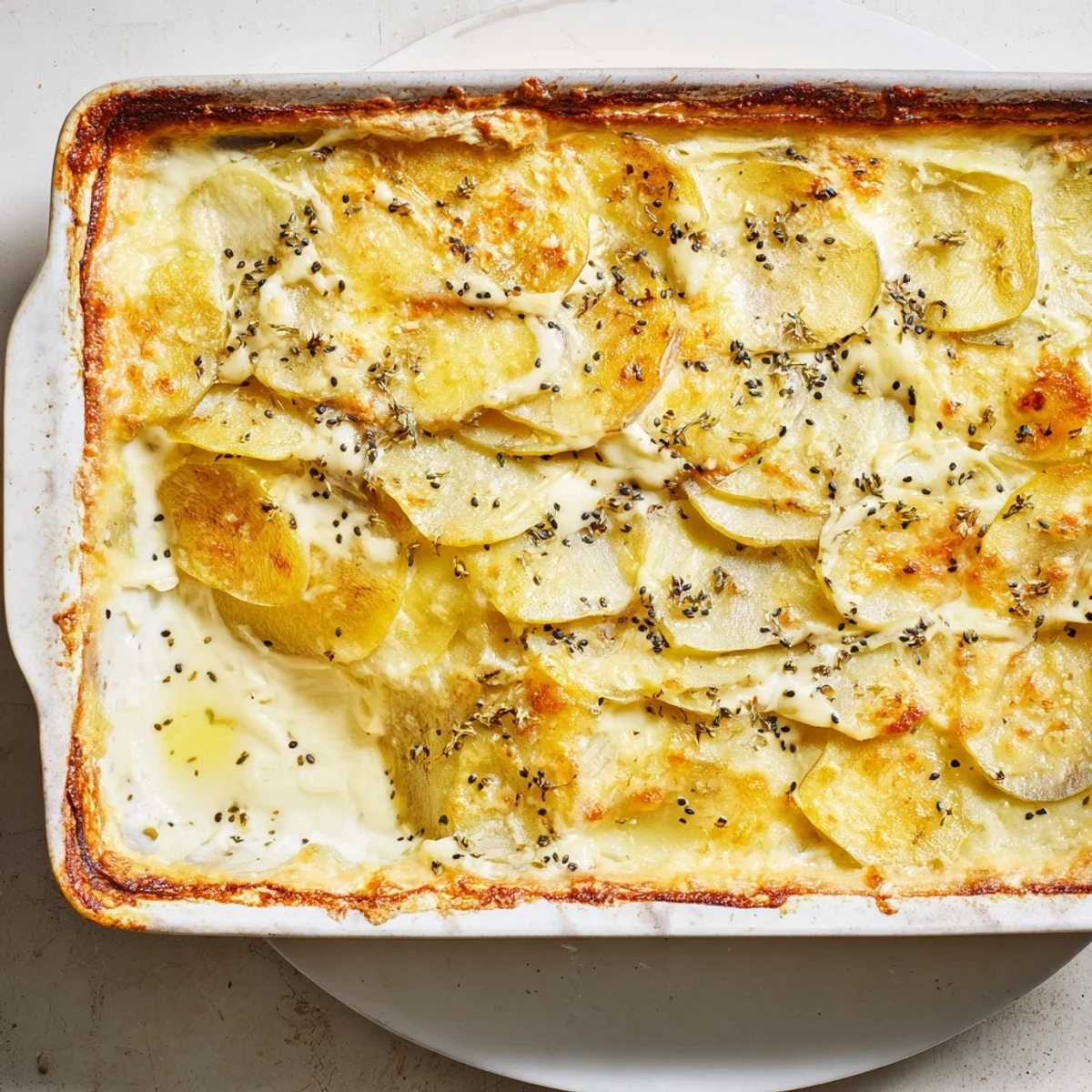
Save This luxurious potato gratin features layers of thinly sliced starchy potatoes bathed in a rich cream and milk mixture, infused with the distinctive flavor of nigella seeds. Aromatic garlic and warm nutmeg enhance the creamy layers, while a generous topping of grated Gruyère creates a golden, bubbling crust. The dish bakes slowly until the potatoes are tender and the cheese is perfectly melted, resulting in a comforting side that pairs beautifully with roasted meats or can stand alone as a satisfying vegetarian main.
The smell of nigella seeds toasting in butter is one of those quiet kitchen revelations that stops you mid step and makes you close your eyes. I stumbled onto this combination during a rainy Tuesday when I had a bag of potatoes, an ambitious amount of cream, and a jar of nigella seeds I had bought for something else entirely. That evening produced a gratin so fragrant and golden that my roommate actually set down her phone at dinner, which says everything. It has been on heavy rotation ever since, especially when I want something that feels a little grand without much fuss.
I brought this to a friends potluck once and watched a woman I had never met go back for thirds, then ask me for the recipe on a napkin. She wrote it out in purple pen right there at the table while her gratin went cold. That is the kind of dish this is. It turns casual gatherings into moments where strangers trade secrets over cheese and potatoes.
Ingredients
- 1.2 kg starchy potatoes, peeled and thinly sliced: Maris Piper or Yukon Gold work beautifully, and thin even slices are the key to that silky layered texture.
- 1 medium onion, finely sliced: Thin rings tuck between the potato layers and melt into sweetness as they bake.
- 350 ml heavy cream: This is the luxurious backbone of the dish, so do not skimp on fat content here.
- 200 ml whole milk: Balances the cream so the gratin is rich but not overwhelmingly heavy.
- 100 g grated Gruyere cheese: Its nutty melt is perfection on top, though Emmental or a sharp cheddar will step in nicely.
- 30 g unsalted butter: Use it to grease the dish and dot the top for that irresistible golden crust.
- 2 tsp nigella seeds: The star ingredient, distributed between the layers for flavor in every bite.
- 2 cloves garlic, minced: Fresh garlic infused into the layers gives a gentle warmth throughout.
- Half tsp ground nutmeg: Just a whisper of nutmeg bridges the cream and the nigella seeds beautifully.
- 1 tsp salt and half tsp black pepper: Seasoning split between the layers ensures nothing tastes bland in the middle.
Instructions
- Preheat and prep the dish:
- Set your oven to 190 degrees Celsius (375 degrees Fahrenheit) and rub a generous layer of butter across the inside of your baking dish until every corner glistens.
- Build the first layer:
- Arrange half your potato slices in overlapping rows across the bottom, then scatter half the onion, garlic, nigella seeds, salt, pepper, and nutmeg over them like a fragrant blanket.
- Build the second layer:
- Repeat with the remaining potatoes and onions, then finish with the rest of the seasonings, pressing down gently so the layers hug each other.
- Pour the cream mixture:
- Whisk the cream and milk together in a bowl and pour it slowly and evenly across the potatoes, letting it seep into every crevice, then dot the surface with small pieces of butter.
- Bake covered:
- Cover tightly with foil and slide it into the oven for 40 minutes, during which your kitchen will start smelling like the coziest restaurant in town.
- Cheese and finish:
- Remove the foil, shower the top with Gruyere, and return it uncovered for another 20 minutes until the cheese is bubbling and bronzed in patches.
- Rest before serving:
- Let it sit for about 10 minutes so the cream settles and the layers hold together when you scoop.
 Save
Save There was a winter evening when I pulled this from the oven and set it on the counter next to a simple roast chicken, and the whole table went quiet for a long stretch. Not because anyone was being polite, but because everyone was eating with real focus. That silence, punctuated only by forks against plates, is the highest compliment a home cook can receive.
Getting the Layers Right
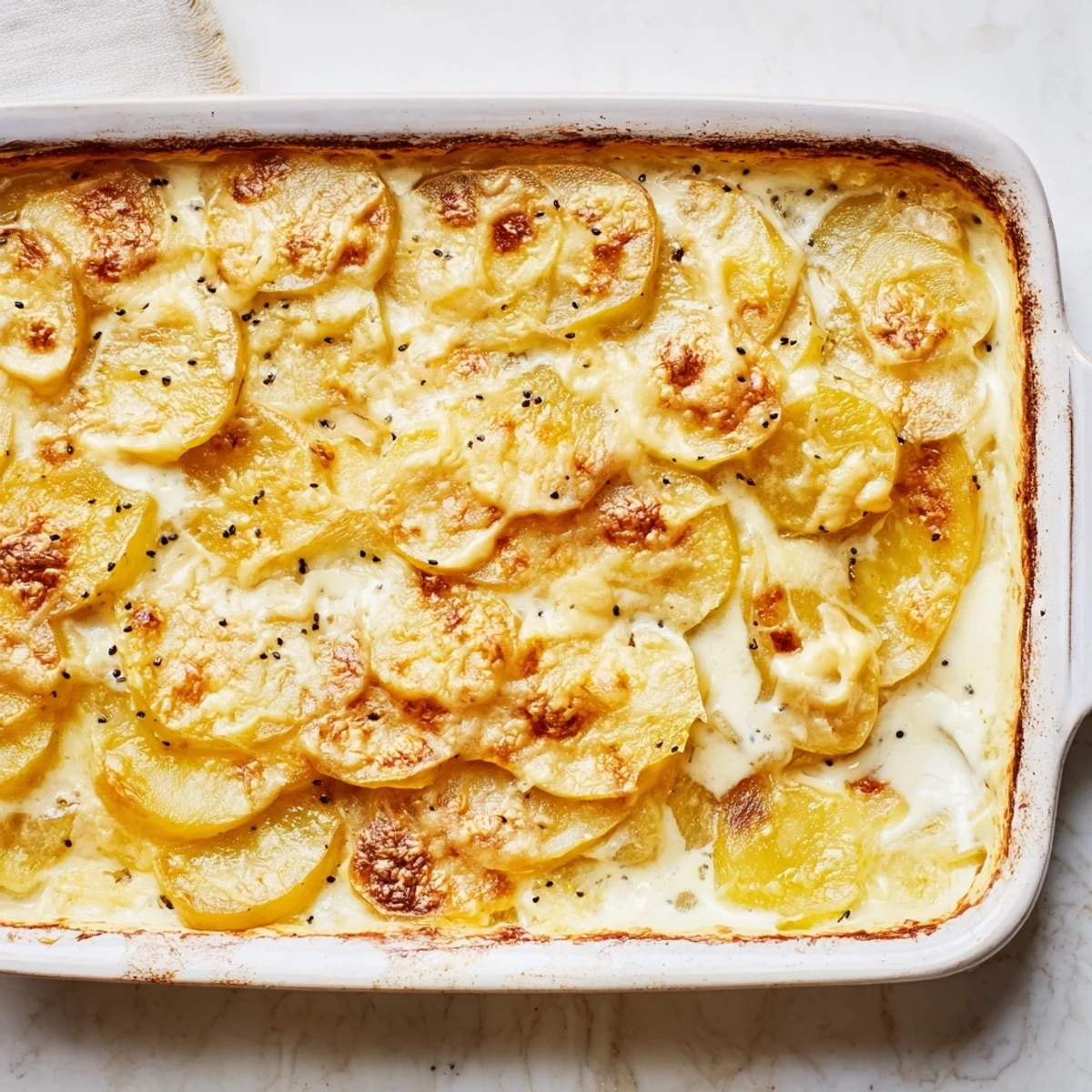
The overlapping technique matters more than you might think. When the slices lie flat and slightly shingled, they cook evenly and create those beautiful defined layers that hold together on the plate. Rush this part and you end up with a bubbly pile rather than a gratin with structure and presence. I learned this the hard way after tossing potatoes in haphazardly one night and watching them slide apart at serving time.
The Nigella Seed Factor
Nigella seeds are not just a garnish here. They are the entire personality of the dish. Toasting them briefly in a dry pan before layering intensifies their flavor, bringing out a warm almost peppery quality that plays surprisingly well with nutmeg and cream. I keep a small jar beside my stove now because once you start using them, you find excuses to add them to everything from bread to roasted vegetables.
Serving and Storing
This gratin is at its most magnificent about ten minutes out of the oven when the cream has settled but the cheese still has that slight stretch. It pairs wonderfully with roasted meats, a bright acidic salad, or simply a glass of something cold on a weeknight when you deserve better than ordinary.
- Leftovers keep well in the fridge for up to three days and reheat in the oven at 160 degrees Celsius until warmed through.
- You can assemble the entire dish a day ahead and bake it when needed, adding about ten extra minutes to the covered time.
- Always let it rest before cutting, because patience here means clean beautiful slices instead of a soupy mess.
 Save
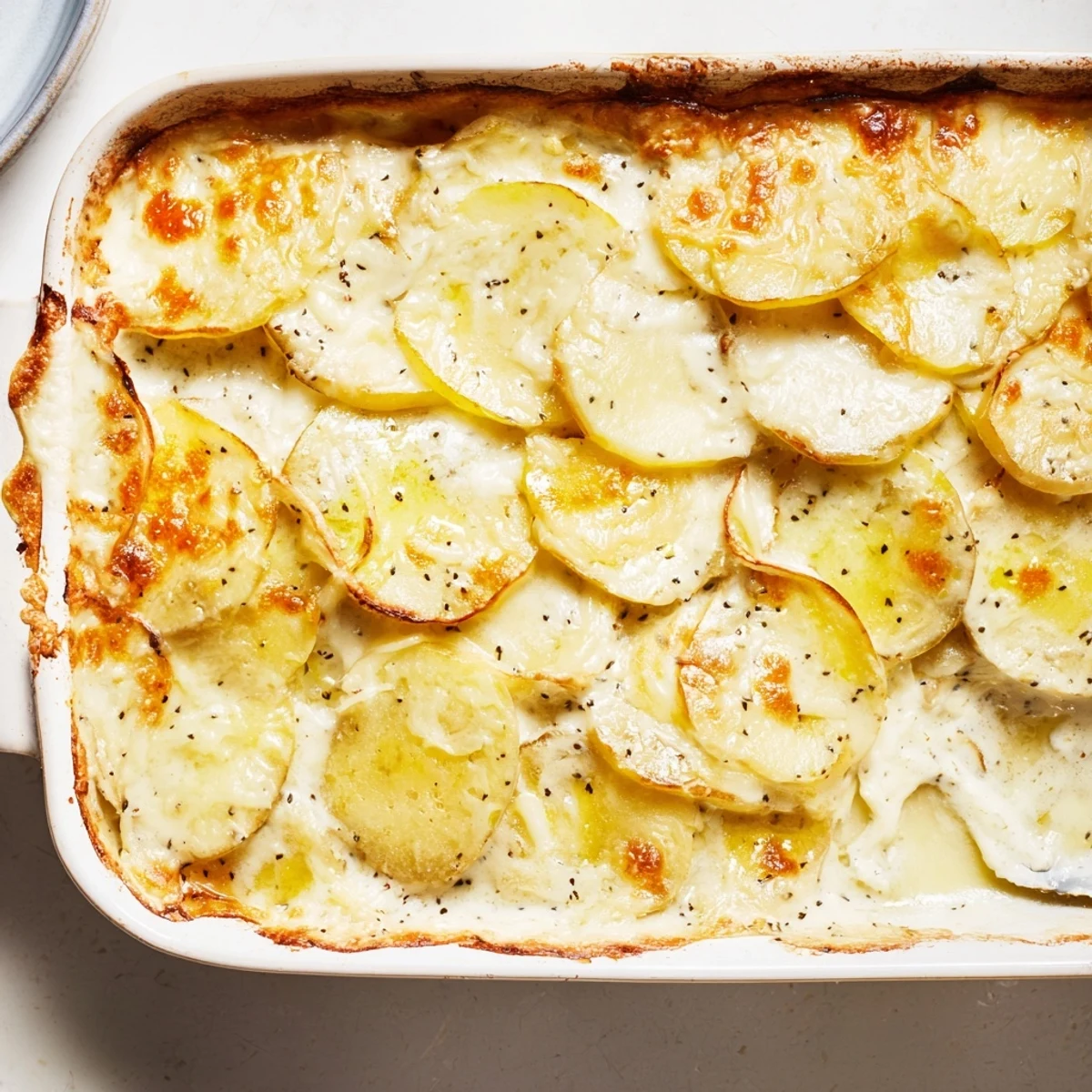
Save Some dishes earn their place in your rotation through spectacle, and others through the simple comfort of returning to them again and again. This gratin does both, and it will always make your table feel a little more special.
Recipe FAQs
- → What makes nigella seeds special in this dish?
-
Nigella seeds bring a distinctive slightly bitter, nutty flavor with hints of onion and oregano. Their small black seeds add visual contrast and a unique aromatic complexity that elevates traditional potato gratin beyond the ordinary.
- → Can I prepare this gratin ahead of time?
-
Absolutely. Assemble the complete gratin up to 24 hours in advance, cover tightly, and refrigerate. When ready to bake, add 10-15 minutes to the covered baking time to ensure it heats through before removing the foil for the cheese topping step.
- → What type of potatoes work best?
-
Starchy potatoes like Russet or Maris Piper are ideal because they break down slightly during baking, creating that characteristic creamy texture. Waxy potatoes hold their shape too much and won't achieve the same velvety consistency.
- → Can I make this dairy-free?
-
While it changes the luxurious character, you can substitute full-fat coconut milk or a blend of cashew cream and plant milk for the dairy. Nutritional yeast or vegan cheese shreds can replace the Gruyère, though the flavor profile will be distinctly different.
- → Why the resting time before serving?
-
Allowing the gratin to rest for 10 minutes after baking is crucial. This brief period lets the hot cream mixture thicken slightly and reabsorb, ensuring each serving holds its shape rather than sliding apart when plated.
- → What main courses pair well with this gratin?
-
The rich, creamy nature makes it an excellent partner for roasted chicken, grilled lamb chops, or baked fish. For a vegetarian meal, serve alongside a crisp green salad with acidic vinaigrette to cut through the richness.