
 Save
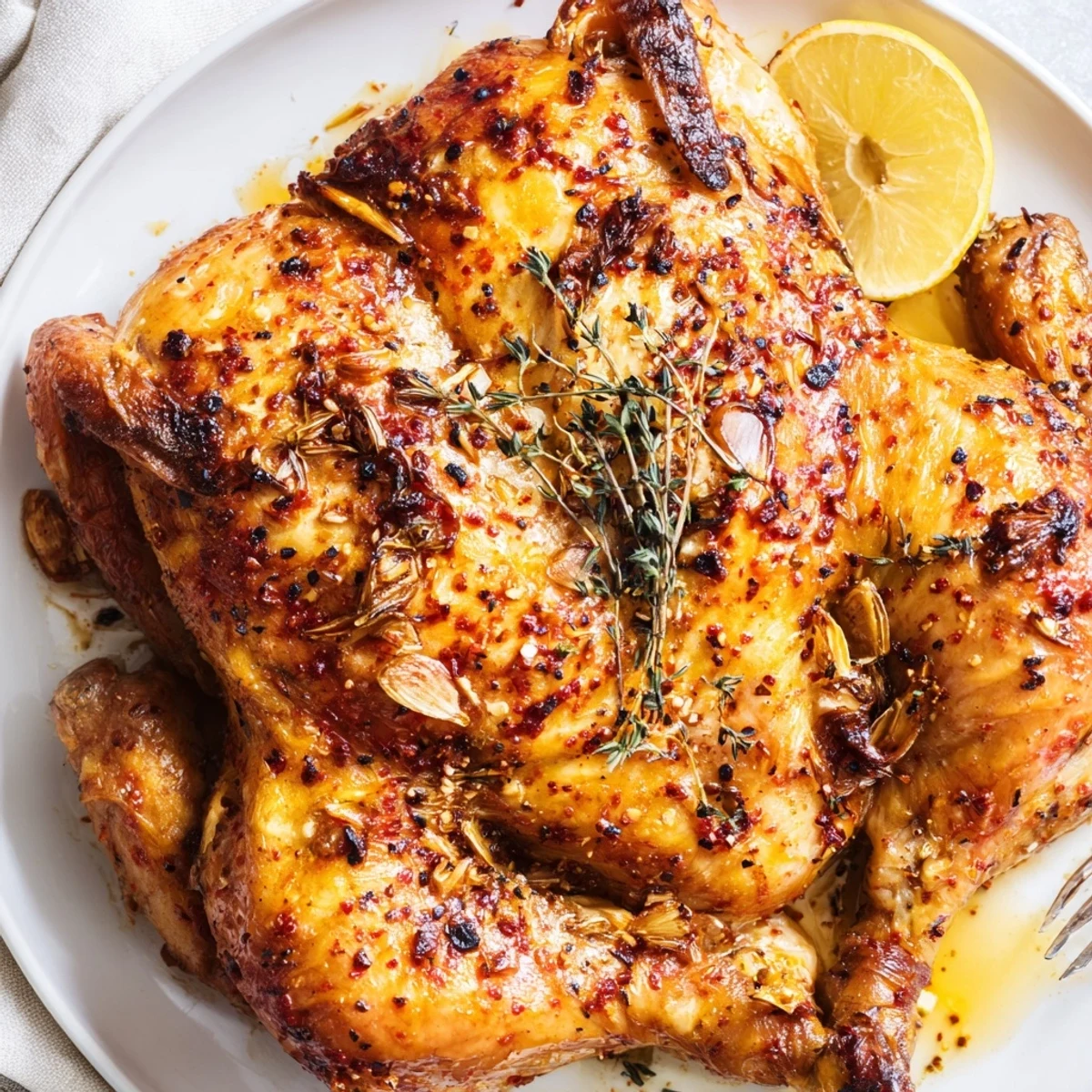
Save Soak the chicken in a buttermilk-based marinade with garlic, lemon, paprika and thyme to break down proteins and add tang. Spatchcocking or cutting into pieces speeds cooking and promotes even browning. Roast at high heat on a rack, brush with olive oil, and pull at 165°F (74°C). Let rest to redistribute juices and finish with fresh herbs.
The screen door slammed shut behind me on a sweltering July afternoon, and all I could think about was how my neighbor June was wrestling a giant zip top bag of chicken into her cooler while telling me buttermilk would change my life. She was right, as usual. That tangy, golden bird she pulled off her grill tasted like nothing I had ever made at home, and I drove straight to the grocery store for buttermilk before the sun went down.
I have made this chicken for everything from lazy Sunday suppers to a friend's baby shower where three people pulled me aside to ask for the recipe. There is something about pulling a crackling, golden bird out of the oven that makes everyone gather in the kitchen whether you want them to or not.
Ingredients
- Whole chicken (3.5 to 4 lbs, spatchcocked or cut into pieces): Spatchcocking helps it cook evenly and gets more skin crispy, which is really the whole point.
- Buttermilk (2 cups): This is the magic ingredient, its acidity breaks down the meat and keeps it impossibly moist while adding a subtle tang.
- Olive oil (2 tbsp plus 1 tbsp for brushing): A little fat in the marinade carries the spices and the brushing oil guarantees that skin crisps up beautifully.
- Garlic cloves, minced (4): Fresh garlic matters here, do not reach for the jarred stuff if you can help it.
- Kosher salt (1 tbsp): Do not be shy, the buttermilk balances it out and the chicken needs proper seasoning.
- Black pepper (2 tsp): Freshly cracked makes a real difference you can taste.
- Paprika (1 tbsp, sweet or smoked): Smoked paprika gives a campfire depth that is completely irresistible.
- Dried thyme (2 tsp): An earthy backbone that ties everything together without stealing the show.
- Lemon zest and juice (1 lemon): The zest perfumes the marinade and the juice brightens the whole bird.
- Fresh herbs for garnish (optional): A scattering of parsley or thyme right before serving makes it look like you tried harder than you did.
Instructions
- Build the marinade:
- Whisk the buttermilk, olive oil, garlic, salt, pepper, paprika, thyme, lemon zest, and lemon juice in a large bowl until everything is blended and fragrant. Take a moment to smell it because that tangy, spiced aroma is about to work wonders.
- Soak the chicken:
- Submerge the chicken completely in the marinade inside a zip top bag or a non reactive container, making sure every surface is coated. Refrigerate for at least 8 hours or overnight, flipping it once if you think of it.
- Prep for roasting:
- Pull the chicken from the marinade and let the excess drip off, then discard the marinade. Preheat your oven to 425 degrees F, set the chicken on a rack over a rimmed baking sheet, pat it gently with paper towels, and brush with olive oil.
- Roast until golden:
- Roast for 45 to 60 minutes until the skin is deep golden brown and a thermometer reads 165 degrees F in the thickest part. You will know it is close when your kitchen smells incredible and the skin starts to crackle.
- Rest and serve:
- Let the chicken rest for 10 minutes before carving so the juices redistribute instead of running out onto the board. Garnish with fresh herbs if you like and serve it warm.
 Save
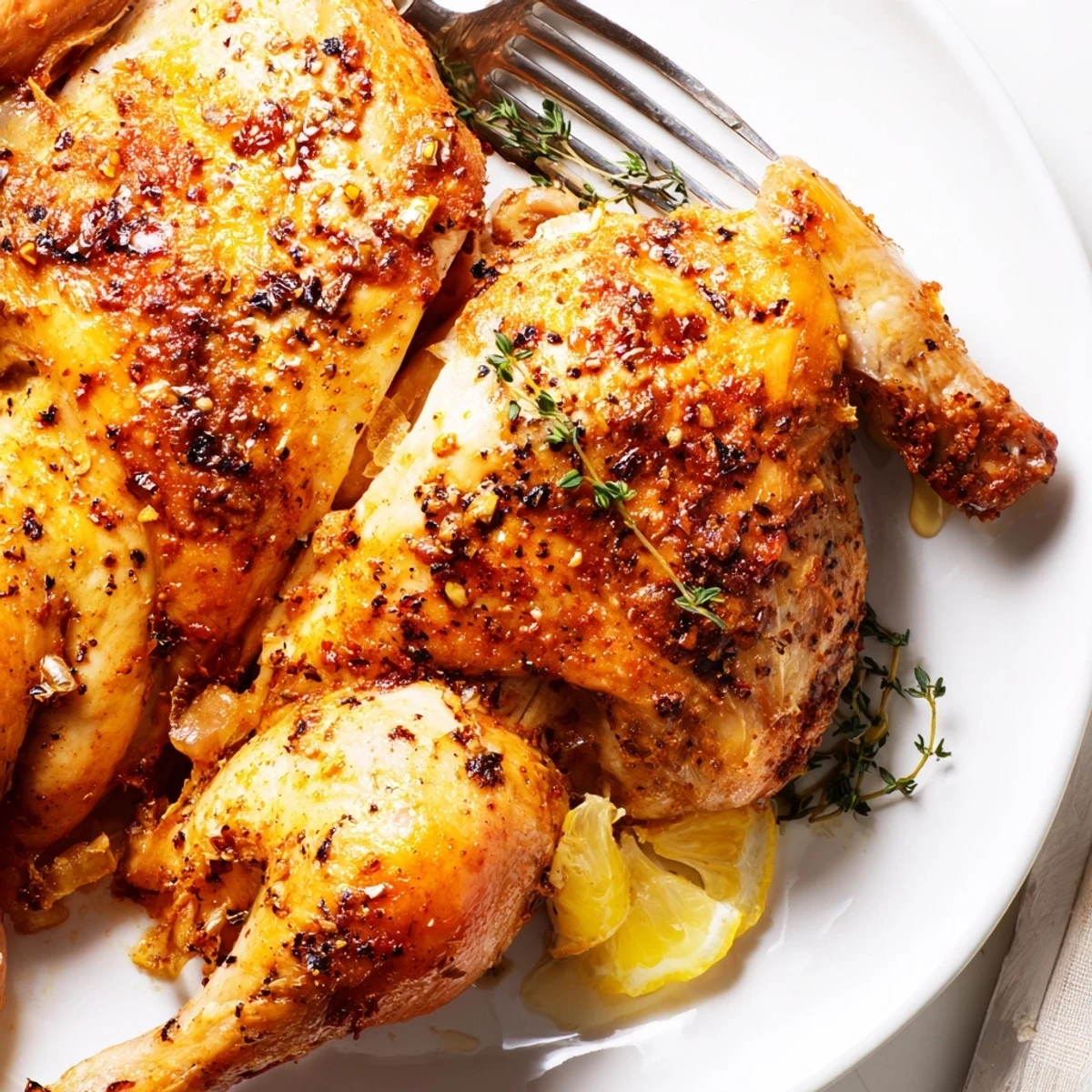
Save The first time I served this to my father in law, a man who believes no chicken can top his mother's fried recipe, he went back for seconds without saying a word. That silence was the loudest compliment I have ever received at a dinner table.
What to Serve Alongside
This chicken loves simple company. Roasted carrots and potatoes tucked around the bird during its last twenty minutes in the oven soak up those juices and turn into something you will fight over. A sharp arugula salad with lemon vinaigrette cuts through the richness perfectly.
No Buttermilk, No Problem
If you cannot find buttermilk or forgot to buy it, pour two cups of regular milk into a measuring cup and stir in two tablespoons of lemon juice or white vinegar. Let it sit for ten minutes until it curdles slightly and thickens, and you have a perfectly fine stand in that works just as well.
Leftovers Worth Fighting Over
Cold buttermilk chicken straight from the fridge the next morning is one of life's underrated pleasures, and I will not apologize for eating it standing up with the door open. Shredded leftovers make an extraordinary sandwich with mayo and pickles, or toss them into a salad for lunch.
- Store leftovers in an airtight container for up to three days.
- The meat freezes well for up to two months if you pull it off the bone first.
- Always reheat gently so you do not dry out what you worked so hard to keep juicy.
 Save
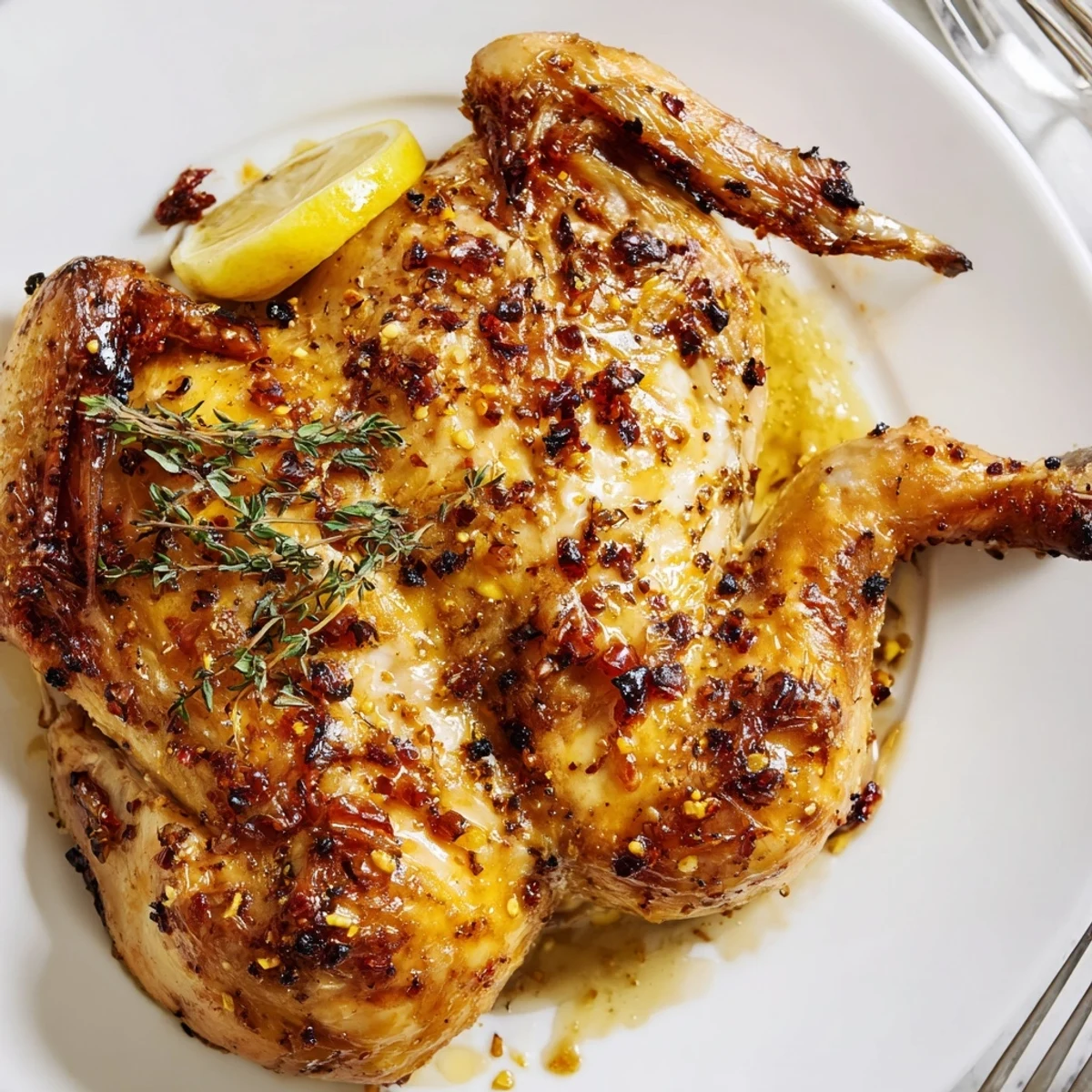
Save Some recipes become staples because they are easy, and others earn their spot because they make people close their eyes when they take the first bite. This one does both, and that is why it will never leave my rotation.
Recipe FAQs
- → How long should the chicken marinate?
-
For best tenderness and flavor allow at least 8 hours or overnight. Shorter times (2–4 hours) will still impart some tang but won’t tenderize as deeply.
- → Is spatchcocking necessary?
-
Spatchcocking flattens the bird for more even heat and faster browning, but cutting into 8 pieces yields similar benefits if you prefer pieces.
- → Can I substitute the buttermilk?
-
Yes — combine 2 cups milk with 2 tbsp lemon juice or white vinegar and let sit 5–10 minutes to mimic buttermilk’s acidity and tenderizing effect.
- → How do I achieve extra-crisp skin?
-
Pat the skin dry before roasting, brush lightly with oil, and roast at a high temperature on a rack so air circulates underneath. Avoid covering while roasting.
- → What internal temperature indicates doneness?
-
Cook until the thickest part reaches 165°F (74°C). Allow the chicken to rest 10 minutes before carving so juices settle.
- → Any seasoning swaps to vary flavor?
-
Try swapping thyme for rosemary, adding chili flakes for heat, or using smoked paprika for a deeper, smoky aroma.