
 Save
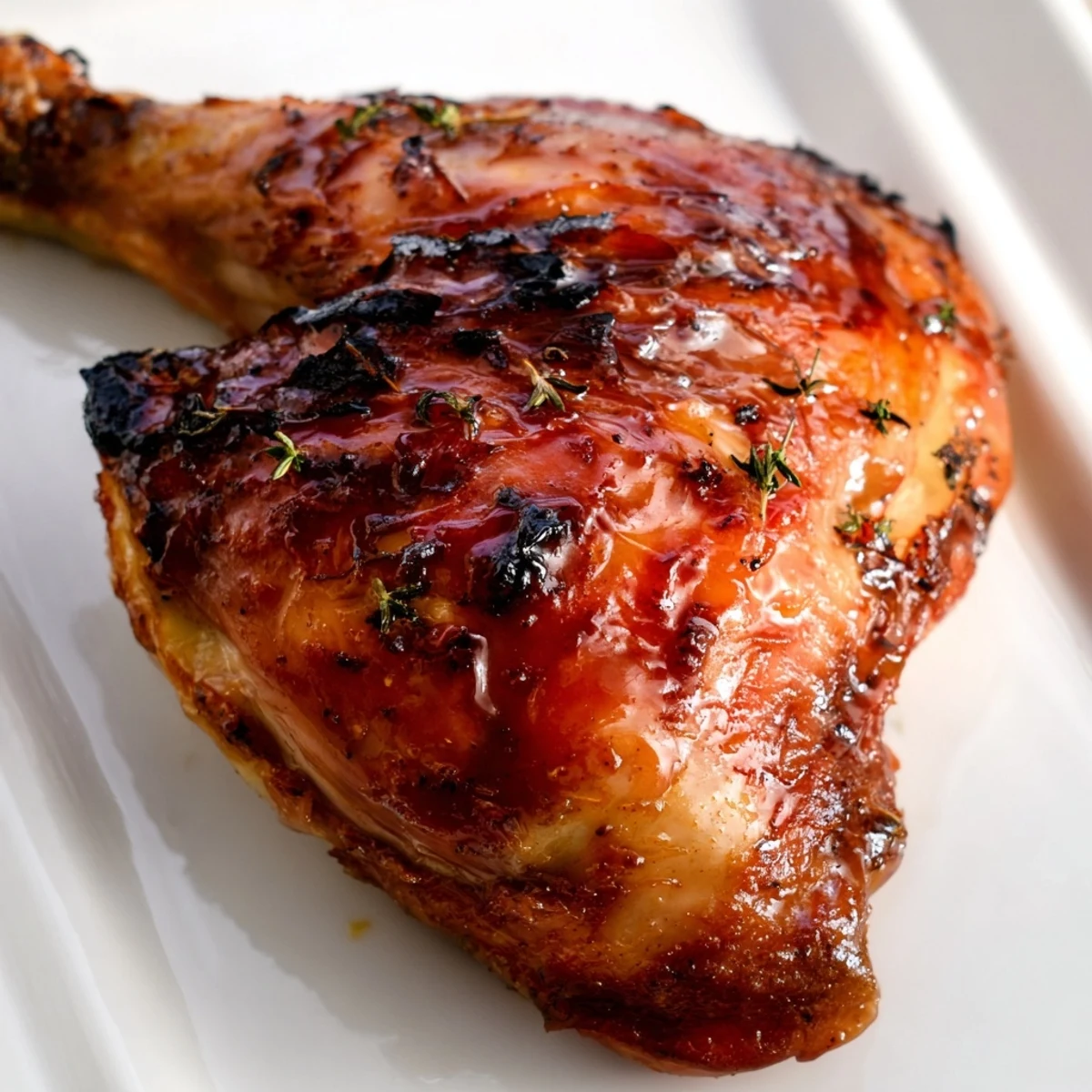
Save This dish features a whole turkey rubbed with olive oil, seasoned with salt and pepper, and aromatic herbs stuffed inside. Roasted uncovered and basted with a sweet honey and soy glaze, the turkey achieves a tender, moist texture with a flavorful golden crust. The glaze, made with honey, soy sauce, orange juice, Dijon mustard, and brown sugar, creates a balance of sweet and savory notes enhanced by garlic and fresh thyme. Resting after roasting ensures juicy slices, ideal for family meals or festive gatherings.
The first time I roasted a turkey with intention, I wasn't thinking about tradition or perfection—I just wanted something that smelled incredible and tasted even better. A friend mentioned glazing theirs with honey and soy sauce, and I became obsessed with the idea of that sweet-savory combination caramelizing on golden skin. That bird became the centerpiece of a quiet dinner that somehow felt more memorable than all the formal holiday meals combined.
I learned this recipe's real value when my sister showed up at my kitchen door two hours before dinner with her family, after their plans fell through. The turkey was already resting, the glaze was glossy brown, and somehow it all came together like we'd planned it that way. There's something generous about a recipe that actually delivers when stakes are high.
Ingredients
- Turkey (10–12 lbs): Thaw it completely if frozen—rushing this part is where most people stumble. Pat it dry with paper towels before seasoning; that little step makes a real difference in browning.
- Olive oil: Just enough to create a thin, even coating that helps everything brown and prevents sticking to the pan.
- Salt and pepper: Season generously inside and out; don't hold back here because it's your only seasoning before the glaze.
- Honey: Use the real stuff, not the squeeze bottle kind, because it caramelizes more beautifully and tastes less artificial.
- Soy sauce (gluten-free): This is the secret depth; it adds umami that balances the honey's sweetness perfectly.
- Orange juice: Fresh is worth it if you have time—it adds brightness that cuts through the richness in a way bottled juice never quite manages.
- Dijon mustard: The sharpness here prevents the glaze from becoming cloying, and it helps it stick to the skin beautifully.
- Brown sugar and apple cider vinegar: Together they create complexity; the vinegar keeps everything from tasting like dessert.
- Garlic and thyme: Minced fresh garlic dissolves into the glaze and adds warmth; dried thyme works but fresh is noticeably different.
- Onion, orange, rosemary, and thyme (for roasting): These stay inside the cavity and perfume the bird from within—you'll smell them first, taste them in the meat.
Instructions
- Set your stage:
- Preheat your oven to 350°F and get your roasting pan and rack ready. Remove the neck and giblets from inside the turkey cavity—they usually come in a little packet that's easy to forget about. Pat everything dry inside and out with paper towels because moisture is the enemy of golden, crispy skin.
- Season with confidence:
- Coat the turkey with olive oil and really season it with salt and pepper everywhere—under the wings, all along the thighs, inside the cavity. Don't be shy; this is where most of the seasoning happens before the glaze goes on.
- Build flavor from within:
- Stuff the cavity with quartered onion, orange wedges, rosemary sprigs, and thyme sprigs—this scents the entire bird from the inside out. Tuck the wing tips under the body so they don't burn, then set it breast-side up on the rack in your roasting pan.
- Begin the roast:
- Roast uncovered for about 2 hours, basting occasionally with the pan juices that collect as the turkey cooks. This is where you can relax a bit; the oven's doing the heavy lifting.
- Make your glaze:
- While the turkey roasts, combine honey, soy sauce, orange juice, Dijon mustard, brown sugar, apple cider vinegar, minced garlic, and thyme in a small saucepan. Bring it to a gentle simmer over medium heat and let it cook for 5–7 minutes until it thickens slightly and smells absolutely incredible.
- Glaze and finish:
- After 2 hours, brush the turkey generously with the glaze—watch it catch and start to caramelize immediately. Keep glazing every 20 minutes until a meat thermometer inserted into the thickest part of the thigh reads 165°F, usually about 1 more hour. If the skin is browning too fast, loosely tent it with foil to protect it.
- Rest and reward:
- Let the turkey rest for 20–30 minutes loosely covered with foil—this is non-negotiable, I learned this the hard way. The juices redistribute and the meat stays incredibly tender instead of being dry and stringy.
 Save
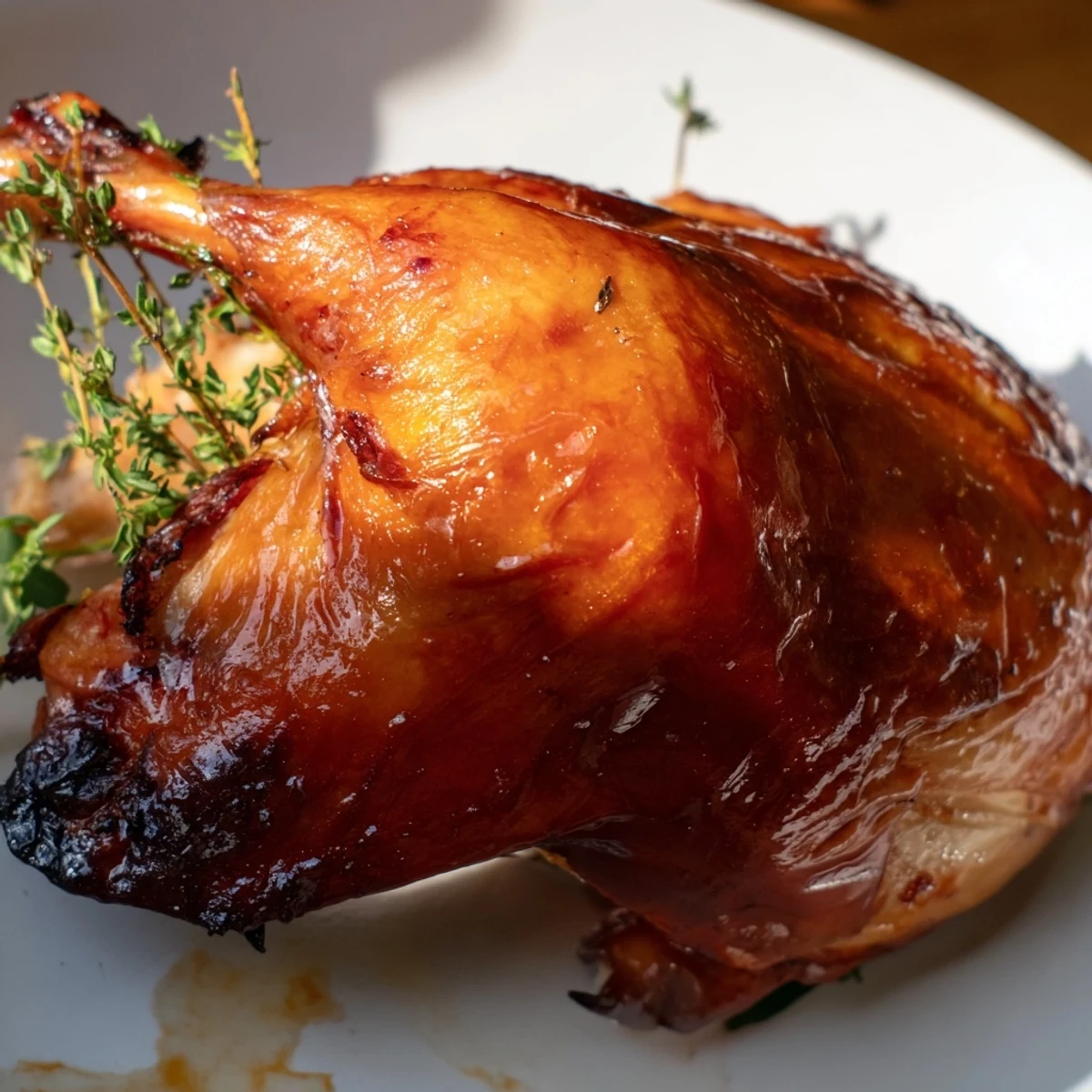
Save The moment I carved into my first glazed turkey and the juices ran clear and golden, I realized this wasn't just dinner—it was the kind of dish people actually remember. It's the one they ask about a month later, the one that makes you feel like you've figured something out in the kitchen.
Making the Glaze Sing
The glaze is where this recipe finds its personality. The honey wants to make it sweet, the soy sauce pushes back with salt and depth, the Dijon mustard adds a subtle sharpness, and the orange juice brings brightness that makes the whole thing feel sophisticated instead of dessert-like. I've tried swapping ingredients and learned that each one serves a specific purpose—skip the vinegar and it becomes cloying, skip the mustard and it loses dimension, add too much of anything and it becomes bitter.
Timing and Temperature Matter
The low oven temperature of 350°F is intentional; it's not trying to be fancy, it's actually practical. Higher heat browns too fast and leaves the inside undercooked, so this slower approach gives you a window of time where things actually go right. The 3-hour roasting window is realistic for a 10–12 pound bird, but every oven runs different, which is exactly why the meat thermometer becomes your most trusted tool instead of just a nice-to-have.
Sides and Serving
I serve this with something starchy to soak up the pan juices—creamy mashed potatoes or roasted root vegetables become vehicles for all that incredible glaze flavor. A crisp white wine like Chardonnay cuts through the richness without competing. If you're feeling adventurous, save the pan drippings to make a gravy; just strain out the solids and whisk in a bit of flour and broth.
- Consider brining the turkey overnight before roasting if you want extra tenderness and insurance against dryness.
- Maple syrup swaps beautifully for honey if you want to shift the flavor profile toward autumn instead of summer.
- Leftover turkey and glaze make exceptional sandwiches the next day if there's anything left over.
 Save
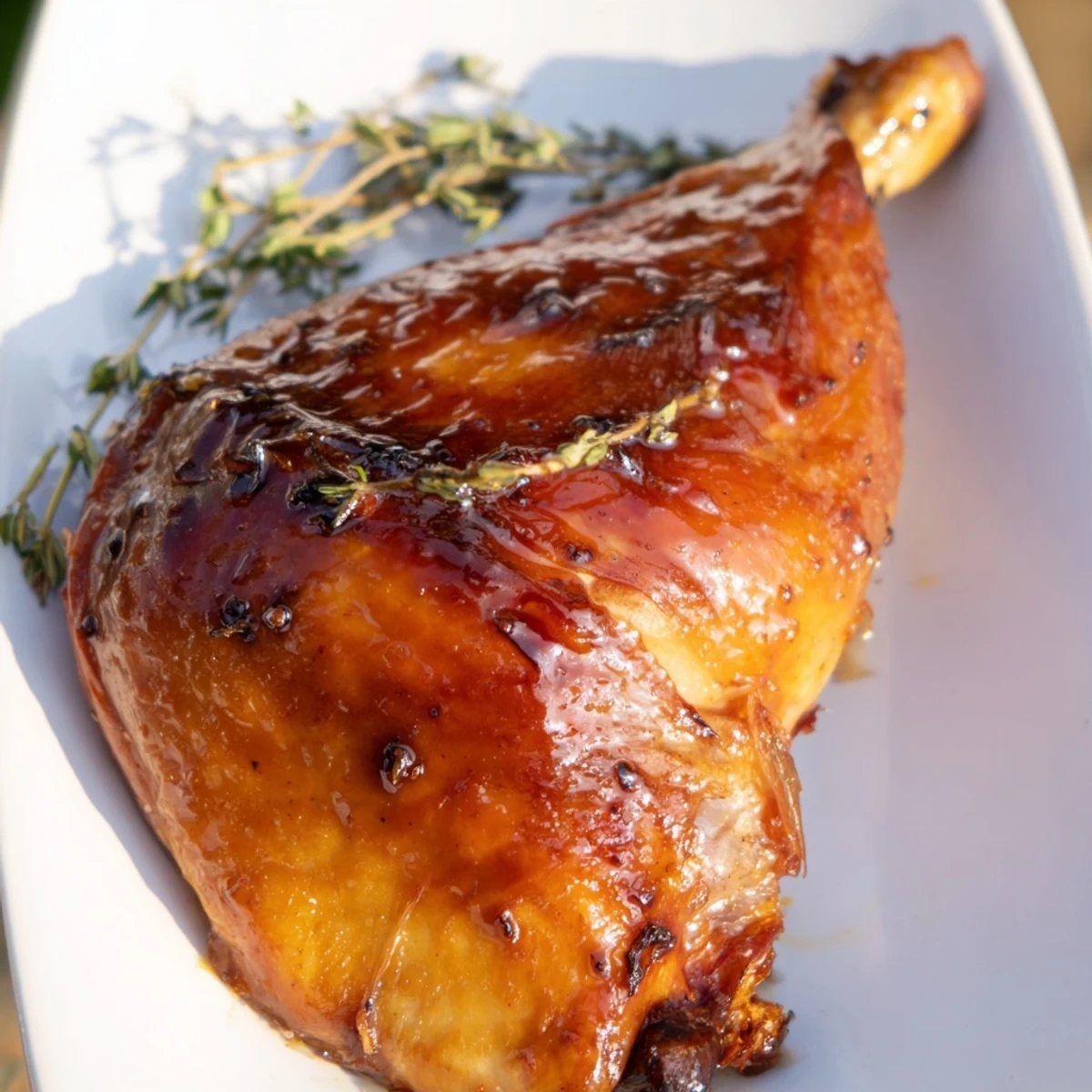
Save This turkey has become the recipe I reach for when I want to feed people something that tastes thoughtful but doesn't demand perfection. It's generous enough for a crowd and straightforward enough that you can actually enjoy the process instead of stressing through it.
Recipe FAQs
- → What is the best way to ensure a moist turkey?
-
Coating the turkey with olive oil and basting it regularly with the sweet glaze during roasting helps retain moisture and enhances flavor.
- → Can I prepare the glaze in advance?
-
Yes, the honey-soy glaze can be made ahead and gently reheated before brushing onto the turkey.
- → What herbs complement this turkey roast?
-
Fresh rosemary, thyme, and quartered onion along with orange wedges stuffed inside add aromatic depth to the roast.
- → How do I know when the turkey is fully cooked?
-
Insert a meat thermometer into the thickest thigh part; it should read 165°F (74°C) for safe doneness.
- → Are there good substitutions for honey in the glaze?
-
Maple syrup can be used as a natural sweet alternative to honey, providing a different sweetness profile.