
 Save
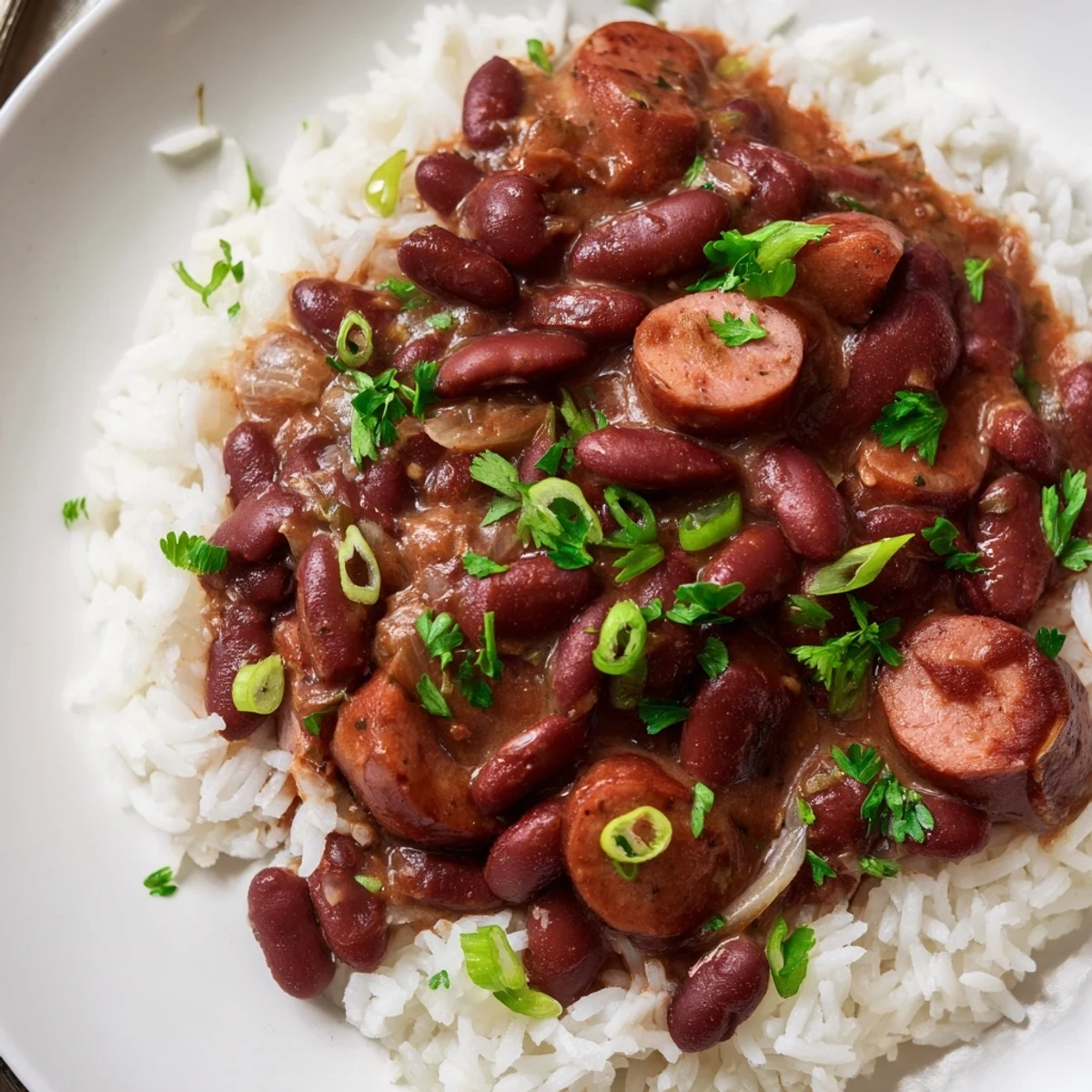
Save This authentic Louisiana classic combines dried or canned red kidney beans with halal smoked sausage, sautéed aromatics (onion, bell pepper, celery), and a blend of Creole spices including smoked paprika, cayenne, thyme, and oregano. The beans simmer for 1-1.5 hours until creamy and tender, while long-grain rice cooks separately. Serve the beans spooned over hot rice and garnish with fresh parsley, green onions, and hot sauce. This hearty, satisfying meal feeds 6 and takes about 1 hour 50 minutes total.
The rhythmic sizzle of spices hitting the hot cast iron still takes me back to my grandmother's kitchen in New Orleans. Her red beans and rice wasn't just a Monday tradition—it was an event that filled the house with aromas so rich you could practically taste them in the air. I've adapted her recipe over the years to use halal meats, but that signature Creole warmth remains unchanged, wrapping around you like a familiar hug at the end of a long day.
Last Ramadan, I brought this dish to our community iftar, nervously watching as people took their first bites. The imam's wife, who rarely commented on food, asked for the recipe before her bowl was half empty. Her daughter later told me they'd made it three times since, calling it their 'special occasion beans.' That moment cemented this adaptation as something truly worth sharing.
Ingredients
- Red Kidney Beans: I prefer dried beans for their texture, but I've learned that a last-minute dinner can be rescued with canned beans without sacrificing too much flavor.
- Halal Smoked Sausage: The smokiness infuses the entire pot, creating layers of flavor that simply can't be achieved any other way.
- The Holy Trinity: Onion, bell pepper, and celery form the backbone of Creole cooking, creating that distinctive flavor base that tells your taste buds you're eating something authentically Southern.
- Smoked Paprika: When I couldn't find a halal smoked turkey leg once, doubling the smoked paprika saved the dish by adding that crucial smoky depth.
- Long-grain Rice: The separate, fluffy grains create the perfect canvas for soaking up all that glorious bean liquid.
Instructions
- Prep Your Beans:
- If using dried beans, give them a good rinse and let them soak overnight in plenty of water. There's something meditative about seeing them plump up, knowing they're preparing to absorb all those wonderful flavors.
- Build Your Flavor Base:
- Brown those sausage slices until they get little caramelized edges—that's where the magic happens. When the trinity of vegetables hits the pot with all those sausage drippings, your kitchen will start to smell like heaven.
- Low and Slow Simmer:
- Once everything's in the pot, let time work its magic. You'll notice the liquid gradually transforming from watery to creamy as the beans release their starch.
- Perfect Your Rice:
- Rice might seem simple, but getting it fluffy means letting it rest, covered, for about 5 minutes after cooking. When you lift that lid and fluff with a fork, each grain should stand proudly on its own.
- The Grand Finale:
- Ladle those beans generously over a bed of rice and watch as the savory liquid seeps into the grains. The sprinkle of green onions and parsley isn't just garnish—it's that fresh counterpoint that makes each bite complete.
 Save
Save When my son came home from college last winter, this was the meal he requested first. Watching him close his eyes with that first spoonful, I realized I hadn't just preserved a recipe—I'd preserved a feeling, a connection to our family's past while making it relevant to our present. Food has this remarkable way of collapsing time and distance, doesn't it?
Making It Your Own
The beauty of Creole cooking lies in its adaptability. Some days I'll add a splash of halal Worcestershire sauce for depth, or throw in a ham hock if I'm feeling traditional. My sister adds a dash of apple cider vinegar to brighten the flavors, while my neighbor swears by adding a tablespoon of tomato paste. These small variations become your signature, the little touches that make the recipe truly yours.
Serving Suggestions
In Louisiana, we'd never serve red beans and rice without hot sauce on the table—it's practically sacrilege. A piece of buttery cornbread on the side creates the perfect vehicle for sopping up every last bit of that bean gravy. For special occasions, I'll serve this alongside collard greens cooked with a hint of smoky flavor and a touch of vinegar to cut through the richness of the beans.
Storage and Make-Ahead Tips
Like many stew-type dishes, these beans actually taste better the next day after the flavors have had time to meld and deepen in the refrigerator. I've found myself deliberately making a double batch just to ensure leftovers.
- Store beans and rice separately—the rice will absorb too much liquid and become mushy if stored together.
- These beans freeze beautifully for up to 3 months, making them perfect for meal prep or emergency dinners.
- When reheating, add a splash of water or broth to loosen the mixture as it will thicken considerably in storage.
 Save
Save This dish isn't just food; it's cultural heritage adapted for our modern lives and dietary needs. Every time you make it, you're participating in a tradition that's been passed down through generations, connecting people across time through the simple act of breaking bread together.
Recipe FAQs
- → Can I use canned beans instead of dried?
-
Yes, canned beans work beautifully. Use 3 cans (drained and rinsed) instead of 2 cups dried beans, and reduce the simmering time to 45 minutes. The results are just as creamy and flavorful.
- → What makes the sauce creamy without dairy?
-
As the beans simmer, their starches naturally thicken the broth into a rich, creamy sauce. For extra creaminess, mash a few beans against the pot's side during cooking, which releases more starch and creates a silkier texture.
- → How spicy is this dish?
-
The recipe includes 1/2 tsp cayenne pepper for moderate heat. Adjust to your preference—use less for milder flavors or more for extra kick. Serving hot sauce on the side lets everyone customize their spice level.
- → Can I make this vegetarian?
-
Absolutely. Simply omit the sausage and turkey leg, and use vegetable broth instead of chicken broth. The beans and vegetables create a deeply flavorful, satisfying dish on their own.
- → How do I store leftovers?
-
Store the beans and rice separately in airtight containers in the refrigerator for up to 4 days. Reheat gently on the stovetop with a splash of water or broth to restore the creamy consistency. The dish also freezes well for up to 3 months.
- → What should I serve alongside this dish?
-
Cornbread, collard greens, and crisp green salads are traditional pairings. Coleslaw or pickled vegetables add a refreshing contrast to the rich, warming beans.