
 Save
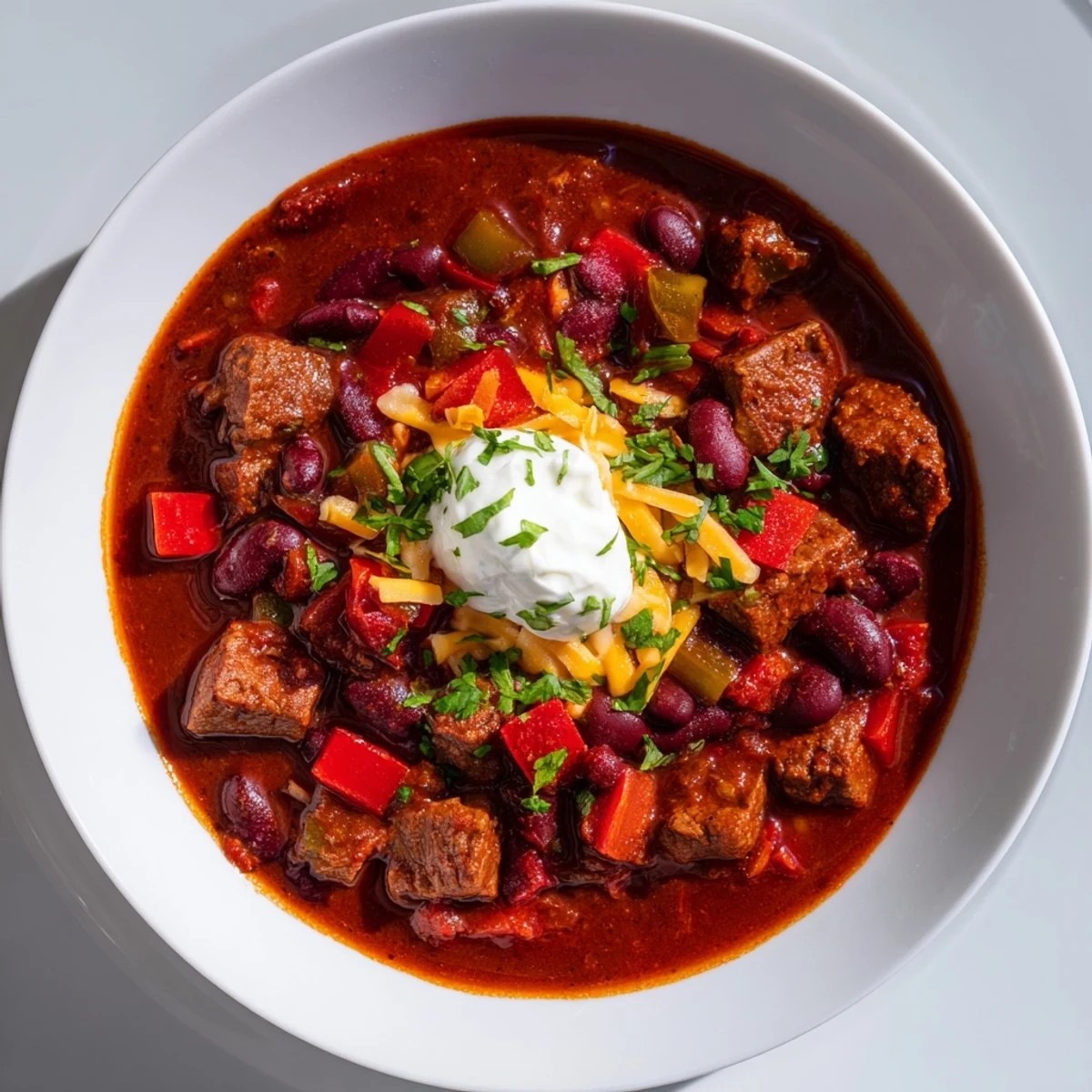
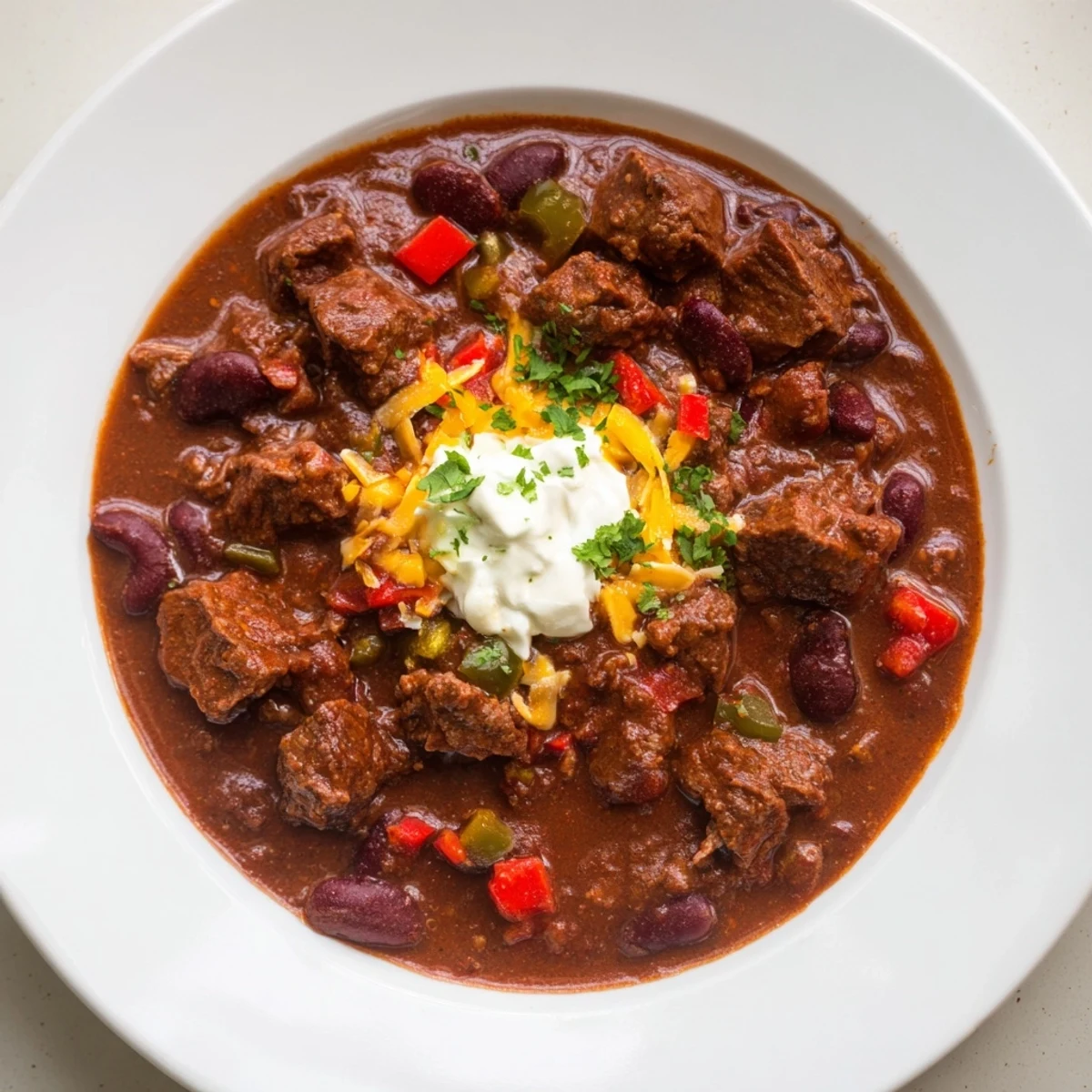
Save This rich and warming dish features tender cubes of beef slow-cooked with aromatic spices including chili powder, cumin, smoked paprika, and cayenne. Bell peppers, jalapeño, and garlic add depth while kidney and black beans provide a satisfying texture. Simmered until flavors meld perfectly, it's ideal served hot with toppings like cilantro, cheddar, and sour cream for added richness. Perfect for a comforting main course with a bold, spicy kick.
I'll never forget the first time I made a proper chili from scratch. It was a cold October evening, and my neighbor had just brought over fresh jalapeños from his garden. I'd always relied on chili powder packets and shortcuts, but something about those vibrant peppers made me want to build this dish layer by layer, starting with beef that I'd actually sear myself. That night changed everything—once I tasted the deep, toasted spice notes from cumin and smoked paprika working together, I realized chili wasn't just something to throw together, it was a dish worth honoring.
Years later, I served this exact chili at a dinner party when one of my best friends was going through a rough patch. We sat around the table, bowls steaming in front of us, and something shifted—the conversation became easier, lighter, more real. That's when I truly understood that chili isn't just beef and beans and spices. It's comfort in a bowl, an invitation to slow down and be present with the people you care about.
Ingredients
- Beef chuck (2 lbs, cut into 1/2-inch cubes): Chuck is the workhorse cut for chili—it has just enough marbling to stay tender during the long simmer, and the collagen breaks down into gelatin that naturally thickens and enriches your broth. Don't skip the browning step; those caramelized edges develop deep, savory flavors that are the foundation of great chili.
- Olive oil (2 tbsp): Use good quality oil here because you're using it to build the first layer of flavor through browning. It matters more than you'd think.
- Onion (1 large, diced): The classic aromatic base—diced large so you can still see pieces of it in the finished chili.
- Garlic (3 cloves, minced): Garlic added after the onion softens prevents it from burning and turning bitter.
- Red and green bell peppers (1 of each, diced): They add sweetness, body, and color. The contrast between red and green keeps things visually interesting.
- Jalapeño (1, seeded and finely chopped): Fresh chile adds brightness and a living heat that ground cayenne can't replicate alone. Seeding it keeps the chili approachable; leave seeds in if you want real fire.
- Chili powder (2 tbsp): This is your foundation spice—choose a good quality one because it carries so much of the flavor profile.
- Ground cumin (1 tbsp): The secret that makes people ask 'what is that?' Cumin adds earthiness and depth.
- Smoked paprika (2 tsp): This brings a subtle smokiness that makes the chili taste like it's been simmering over a campfire.
- Cayenne pepper (1/2 tsp): Start here and adjust upward—it builds heat as the chili sits.
- Dried oregano (1 tsp): A quiet herbaceous note that ties everything together.
- Black pepper (1/2 tsp) and salt (1 1/2 tsp): Season as you go and taste at the end; you might want more than you'd expect.
- Crushed tomatoes (28 oz can): San Marzano varieties are wonderful if you can find them—they have fewer seeds and better flavor.
- Beef broth (1 cup): The liquid that becomes your sauce. Use good broth; it carries flavor.
- Kidney beans and black beans (2 cans kidney, 1 can black, drained and rinsed): Rinsing removes the starchy liquid that can make chili gloppy. I use both types because kidney beans have better structure and black beans add subtle earthiness.
Instructions
- Brown your beef in batches:
- Heat olive oil in your Dutch oven over medium-high heat until it shimmers. Working in batches so you don't crowd the pan, add beef cubes and let them sit undisturbed for 2-3 minutes before stirring. This gives you those golden-brown edges that signal deep flavor development. It feels slow, but it's where all the magic begins. Remove each batch to a plate.
- Build your aromatic base:
- In the same pot, add your diced onion and cook until it turns translucent and softens, about 3 minutes. You'll smell it changing. Add your minced garlic, diced peppers, and jalapeño, stirring often. After about 5 minutes, the vegetables will start to release their juices and soften—that's your cue that they're ready for the spices.
- Bloom your spices:
- Add chili powder, cumin, smoked paprika, cayenne, oregano, black pepper, and salt all at once. Stir constantly for just 1 minute. This might seem short, but you're not making a paste—you're heating the spices just enough to release their essential oils. You'll smell the difference immediately; that's the spices waking up.
- Bring it together:
- Return all your browned beef to the pot. Pour in the crushed tomatoes and beef broth, scraping the bottom of the pot gently with your wooden spoon to lift up all those flavorful brown bits. Stir well, then let it come to a boil. Once it's bubbling, you know the real cooking is about to begin.
- The long, gentle simmer:
- Reduce the heat to low, place a lid on your pot, and let time do the work. Simmer for 1 hour, stirring occasionally. The beef will soften, the tomatoes will break down further, and the spices will deepen. You're not rushing this—you're letting the flavors get to know each other.
- Add the beans and finish:
- After an hour, add your drained kidney beans and black beans. Remove the lid and continue simmering uncovered for 15-20 minutes. This is when the chili thickens beautifully as the broth reduces slightly and the starches from the beans help create body. Taste it now. Does it need more salt? More heat? This is your moment to adjust.
- Serve with intention:
- Ladle the hot chili into bowls and set out your toppings—cilantro, sour cream, shredded cheddar, sliced green onions. Let people build their own version of the dish. Some will add cheese, some won't. That's the beauty of chili; it invites personalization.
 Save
Save I remember my daughter asking if she could have extra chili for lunch the next day because 'it tastes even better now.' She was right. Chili is one of those rare dishes that improves as it sits—the flavors marry together, the heat mellows just slightly, and the whole thing becomes greater than the sum of its parts. That's when I knew this recipe had become something special.
The Spice Layering Secret
What makes this chili sing is the combination of whole spices building on each other rather than relying on just one dominant flavor. Chili powder gives you the base note, cumin adds warmth and earthiness, smoked paprika brings subtle depth, and fresh jalapeño gives you immediate brightness and living heat. It's like composing a song where each spice has its moment, and together they create something harmonious. When you bloom them in the hot oil and aromatics, you're not just heating them—you're activating their full potential.
Why Beef Chuck and Long Cooking Matter
Beef chuck is often overlooked as a 'cheap' cut, but it's actually the most intelligent choice for chili. It has collagen running through it that converts to gelatin during the long, slow simmer, which creates a naturally rich, silky sauce without any added thickener. The meat becomes tender enough to eat with just a spoon, and it absorbs all the spice flavors surrounding it. This is why quick beef chili made with ground meat never tastes quite the same—you're losing both the texture and the depth that comes from cooking whole pieces low and slow.
Customization and Serving Ideas
This chili is forgiving and flexible. If you want it spicier, leave the jalapeño seeds in or add a pinch of crushed red pepper in the last few minutes. If you want it milder, simply skip the cayenne. Some people love it served with cornbread on the side—the sweet, buttery cornbread against the bold, spicy chili is a perfect contrast. Others serve it over white rice or even baked potatoes. I've even spooned it into cast iron skillet cornbread batter and baked it into a chili cornbread pie, which was magnificent.
- For extra richness, top with both sour cream and shredded cheddar, letting them melt slightly into the heat of the chili
- A fresh squeeze of lime juice brightens everything at the very end—citrus is the friend that spicy food doesn't know it needs
- This recipe doubles beautifully and actually tastes better on the second or third day, making it ideal for meal prep or feeding a crowd
 Save
Save Chili is more than a recipe; it's an open door to the people you're cooking for. Whether you're feeding a table full of friends, warming your own soul on a cold night, or passing this down as the recipe people will remember you for, this chili has earned its place in my kitchen. Make it, share it, and watch what happens when people gather around something this good.
Recipe FAQs
- → What cut of beef works best for this dish?
-
Beef chuck is ideal due to its tenderness and ability to develop rich flavors during slow cooking.
- → Can I adjust the heat level?
-
Yes, leave the jalapeño seeds in for extra heat or add crushed red pepper flakes to taste.
- → Are there suitable substitutes for beef chuck?
-
Ground beef can be used for a quicker cooking option while maintaining flavor.
- → What side dishes pair well with this meal?
-
Cornbread, rice, or a robust red wine like Zinfandel complement the bold savory flavors nicely.
- → How can I thicken the stew if needed?
-
Simmer uncovered for an additional 10-15 minutes to reduce liquid and concentrate flavors.