
 Save
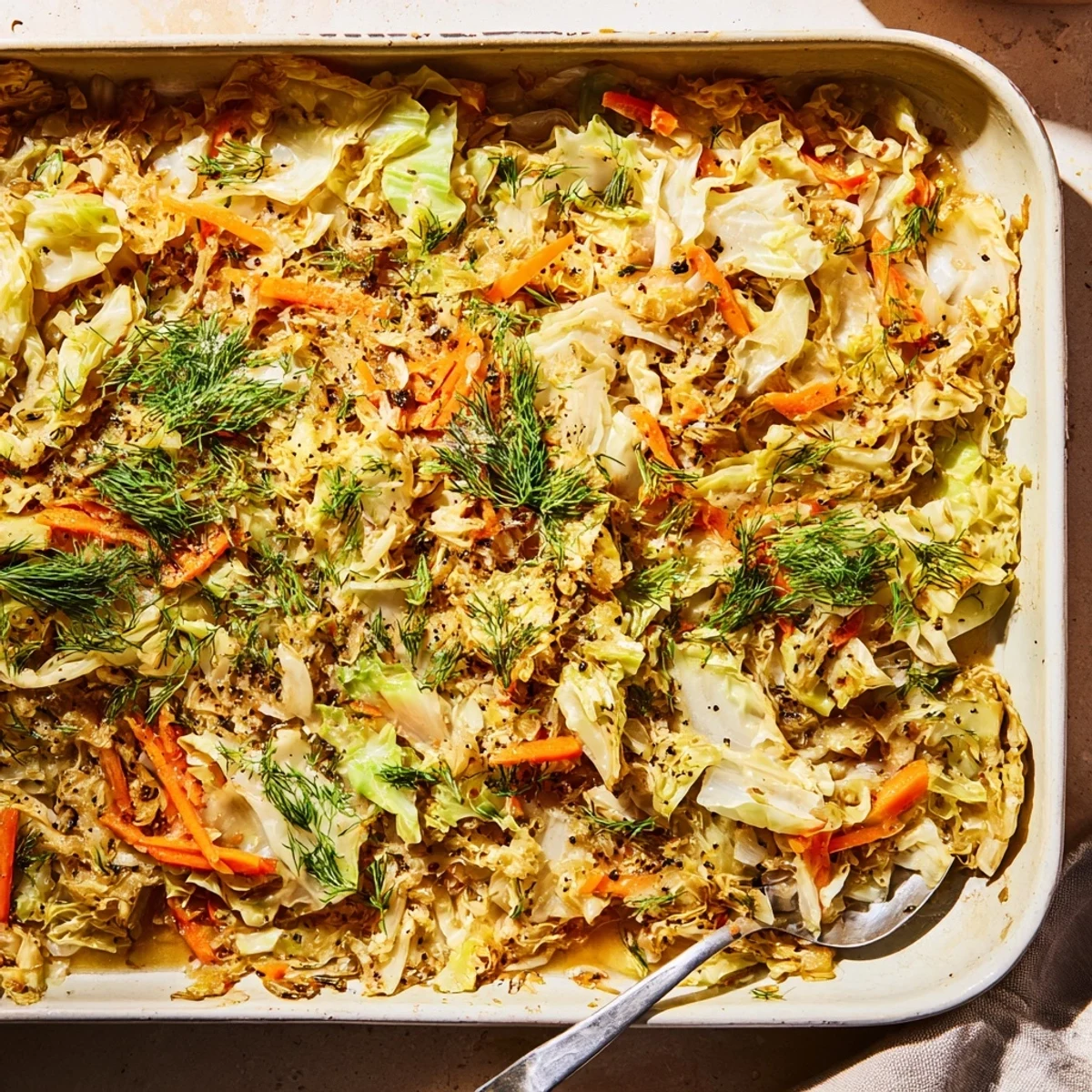
Save This hearty casserole brings together tender roasted cabbage and tangy sauerkraut, slowly baked for over two hours to develop deep, savory flavors. Aromatic vegetables like onions, carrots, and garlic create a fragrant base, while traditional caraway seeds and smoked paprika add authentic German flair. The slow roasting process transforms crisp cabbage into meltingly tender goodness, with caramelized edges adding irresistible depth.
Perfect as a satisfying main course or robust side dish, this versatile creation adapts beautifully to various tastes. Add sliced sausage for extra protein, or keep it plant-based with vegetable broth. Serve with a dollop of sour cream and sprinkle of fresh dill for creaminess, or top with Gruyère for a golden, bubbly finish.
The smell of cabbage roasting low and slow in the oven is one of those underrated kitchen aromas that fills every corner of the house with warmth. My grandmother used to make something similar every autumn when the garden produced more cabbage than anyone knew what to do with. She never wrote anything down, just tossed things together with the confidence of someone who had done it a thousand times. This recipe is my attempt to capture that unpretentious, deeply satisfying comfort.
One rainy Saturday I brought this to a potluck where everyone else had shown up with elaborate dishes, and honestly I felt a little embarrassed setting down a humble casserole of cabbage. By the end of the night the dish was scraped clean while the fancier plates still held leftovers. A friend pulled me aside and asked for the recipe, which told me everything I needed to know about the quiet power of simple food done right.
Ingredients
- 1 medium green cabbage (about 2 lbs), cored and sliced: The heart of the dish, so pick one that feels heavy and dense with crisp, tightly packed leaves.
- 2 cups sauerkraut, drained and rinsed: Rinsing mellows the sharp tang just enough so it complements rather than overpowers the cabbage.
- 2 medium onions, thinly sliced: They break down during the long roast into something sweet and almost jammy.
- 2 carrots, grated: A subtle sweetness and a touch of color that keeps the dish from looking entirely beige.
- 2 cloves garlic, minced: Fresh garlic makes a real difference here, so skip the jarred version if you can.
- 2 tbsp olive oil: Just enough to sauté the aromatics and carry flavor through every bite.
- 1 tsp caraway seeds: Optional on paper, but traditional for a reason, they give that unmistakable German character.
- 1 tsp smoked paprika: Adds a gentle smokiness that makes the whole casserole feel richer than it is.
- 1/2 tsp ground black pepper: A modest amount, since the sauerkraut already brings its own sharpness.
- 1 tsp salt: Adjust after tasting, as sauerkraut and broth both contribute sodium.
- 2 tbsp fresh dill, chopped (or 2 tsp dried dill): Dill and cabbage are natural companions that brighten every forkful.
- 1 cup vegetable broth: Keeps everything moist during the long bake and deepens the savory base.
- 1 cup sour cream (optional, for serving): A cool, creamy dollop on top is the perfect contrast to the hot, tangy casserole.
- 1/2 cup grated Gruyere or Swiss cheese (optional): That golden, bubbling cheese cap turns a side dish into something worthy of a centerpiece.
Instructions
- Preheat and prepare:
- Set your oven to 325 degrees F (160 degrees C) and grease a large casserole dish with a little olive oil or butter so nothing sticks later.
- Build the aromatic base:
- Heat the olive oil in a large skillet over medium heat, then add the sliced onions and minced garlic, sauteing until softened and fragrant, about 4 minutes. You want them translucent and just beginning to catch a little color at the edges.
- Combine everything:
- In a large mixing bowl, toss together the sliced cabbage, grated carrots, sautéed onions and garlic, sauerkraut, caraway seeds, smoked paprika, pepper, salt, and dill until evenly mixed. Use your hands if it feels right, getting everything coated is the goal.
- Assemble the casserole:
- Transfer the entire mixture into your prepared casserole dish, spreading it out in an even layer, then pour the vegetable broth evenly over the top so it seeps down into the vegetables.
- Slow roast covered:
- Cover the dish tightly with foil or a lid and slide it into the oven for 1 hour and 30 minutes. The low temperature and trapped steam work together to transform tough cabbage into something meltingly tender.
- Uncover and finish:
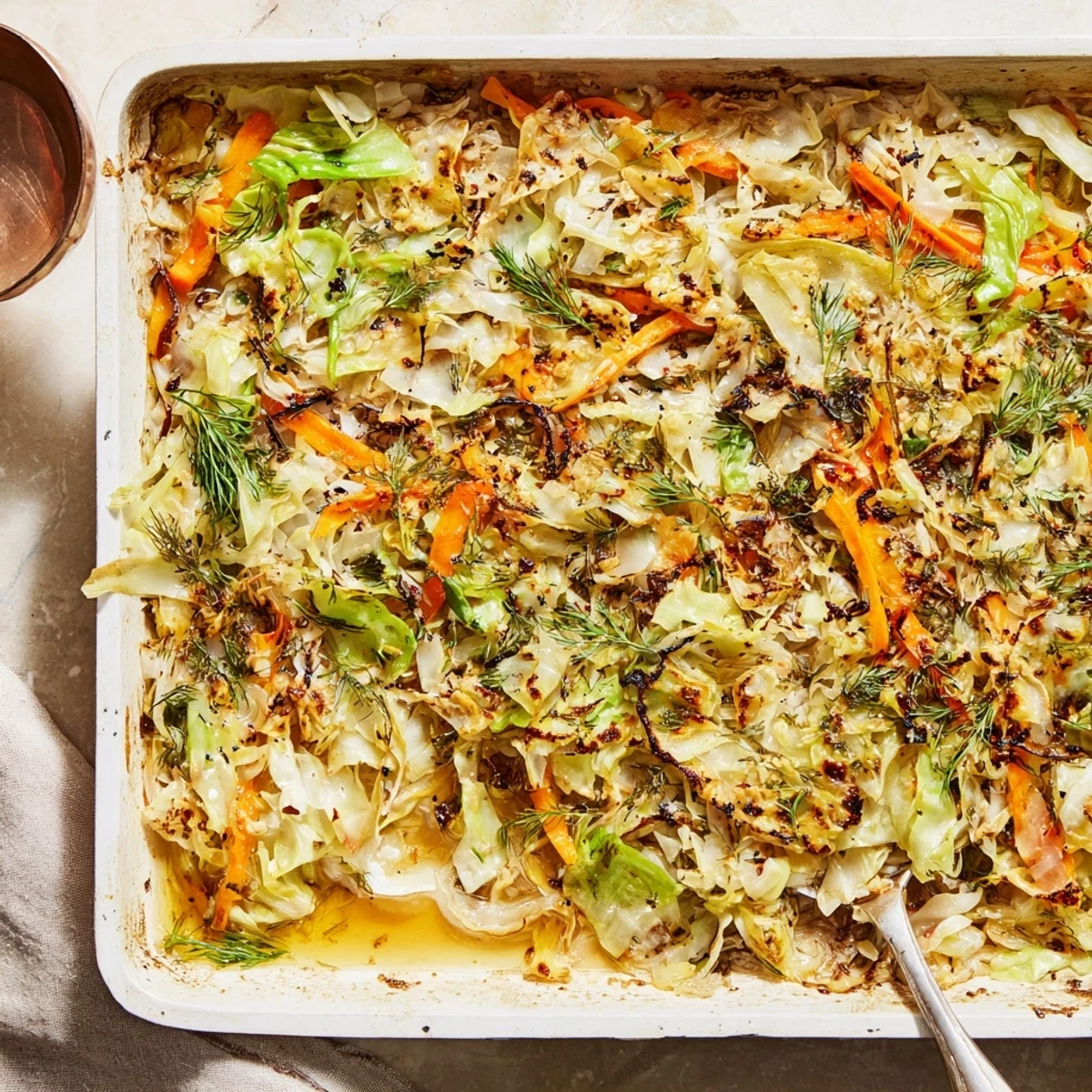
- Remove the foil, stir the casserole gently, and if using cheese, sprinkle it across the top. Return it to the oven uncovered for another 30 minutes until the edges caramelize and the cheese is bubbling and golden.
- Rest and serve:
- Take it out of the oven and let it sit for about 10 minutes before serving so the juices settle and it is easier to scoop. Serve warm with a generous dollop of sour cream if you like.
 Save
Save There was a winter evening when the power flickered out halfway through roasting, and I finished the casserole on a gas stovetop in a Dutch oven, lid on, over the lowest flame. We ate it by candlelight, and honestly the slight charring on the bottom from my inattention became the best part. Sometimes the kitchen has its own ideas about what a dish needs.
Serving Suggestions That Really Work
This casserole is substantial enough to stand alone as a vegetarian main, especially with a hunk of dense rye bread and a crisp salad on the side. A cold German lager alongside is not just thematic, it actually cuts through the richness in the most satisfying way. If you are serving it as part of a larger spread, it pairs beautifully with roasted sausages, mustard, and boiled potatoes.
Making It Your Own
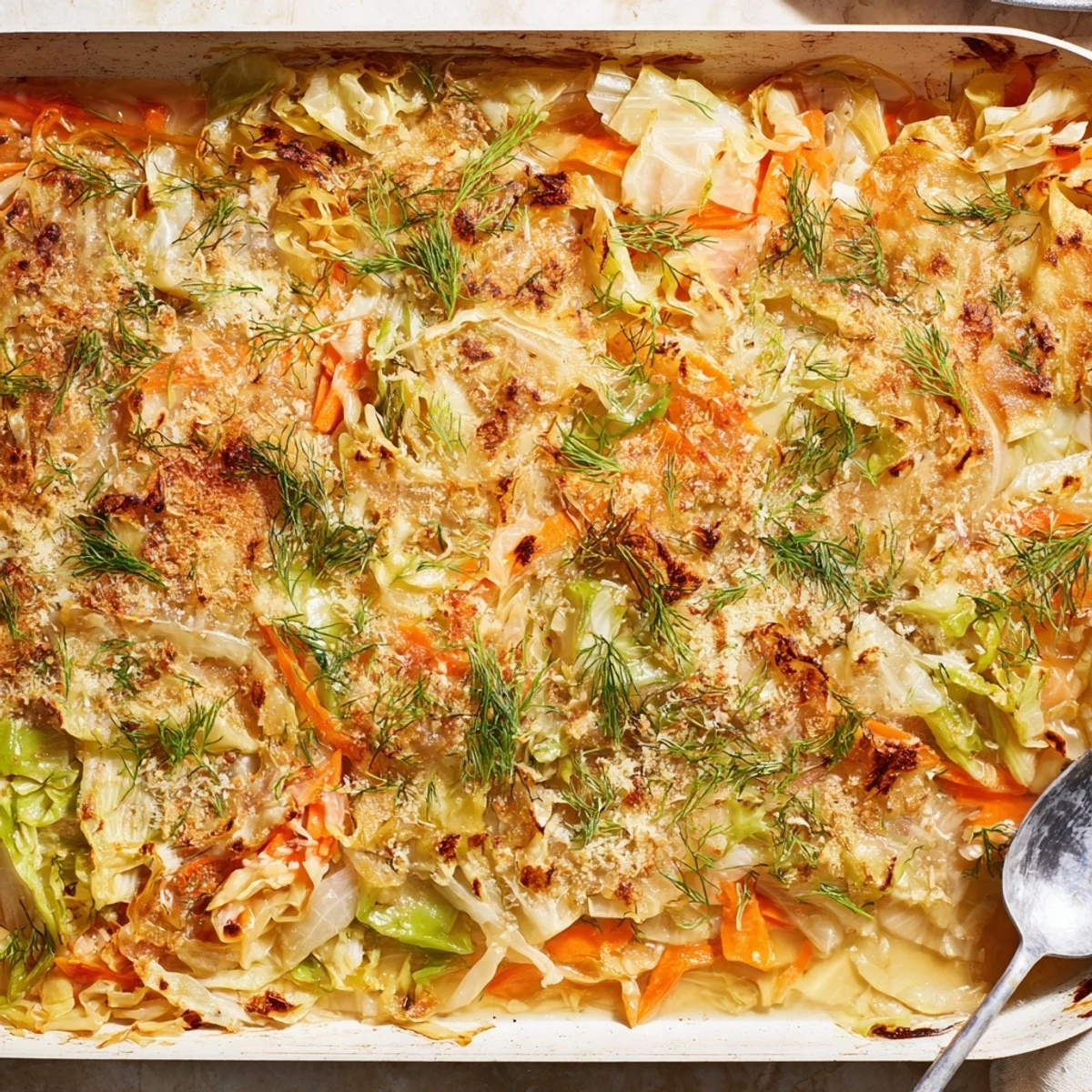
The base recipe is a canvas that welcomes improvisation based on what you have on hand. Sliced kielbasa or smoked sausage tucked between the layers turns it into a full hearty meal that would satisfy any meat and potatoes devotee. Toasted breadcrumbs or crushed gluten free crackers scattered on top in the last ten minutes add a welcome crunch that contrasts with the soft, braised vegetables.
Storage and Reheating
This casserole stores remarkably well in the refrigerator for up to four days, and the flavors deepen overnight in a way that makes lunch the next day something to look forward to. Reheat it covered in a 350 degree oven for about 20 minutes, or microwave individual portions if patience is not your strength. It also freezes well for up to three months, just thaw it overnight in the fridge before reheating.
- Let the casserole cool completely before covering and refrigerating to avoid condensation making it soggy.
- Portion into individual containers before freezing for easy single serve meals later.
- If the top loses its appeal after reheating, a quick run under the broiler for two minutes brings back the texture beautifully.
 Save
Save Some dishes do not try to impress you, they just quietly earn their place at the table. This is one of those.
Recipe FAQs
- → What makes slow roasting ideal for cabbage and sauerkraut?
-
Slow roasting at low temperature allows cabbage to become meltingly tender while developing natural sweetness. The extended cooking time lets flavors meld together, while the sauerkraut's tanginess mellows and permeates throughout. This gentle heat creates depth that quick cooking methods cannot achieve.
- → Can I prepare this casserole ahead of time?
-
Absolutely. Assemble the entire casserole up to 24 hours in advance, cover tightly, and refrigerate. When ready to bake, allow the dish to come to room temperature for about 30 minutes, then follow the cooking instructions. The flavors often improve after resting overnight in the refrigerator.
- → What proteins work well with this cabbage dish?
-
Sliced kielbasa, bratwurst, or smoked sausage pair beautifully, adding smoky richness and making it more substantial. For lighter options, consider white beans or lentils during the last hour of cooking. Vegetarians can enjoy it as-is or with plant-based sausage alternatives.
- → How do I achieve the best caramelization?
-
Uncover the casserole during the final 30 minutes of cooking to allow the top to brown and caramelize. The edges will become golden and slightly crispy, creating wonderful texture contrast. Sprinkling cheese during this phase adds additional browning and savory depth.
- → What are the best serving suggestions?
-
Pair with dark rye bread, crusty sourdough, or boiled potatoes for a complete meal. A crisp German lager or dry Riesling complements the tangy flavors beautifully. Fresh dill, sour cream, or whole grain mustard make excellent finishing touches.
- → Can I use red cabbage instead?
-
Yes, red cabbage works wonderfully and creates a striking purple-hued dish. Note that red cabbage takes slightly longer to soften and may impart a slightly sweeter flavor profile. The final presentation will have vibrant color that adds visual appeal to your table.