
 Save
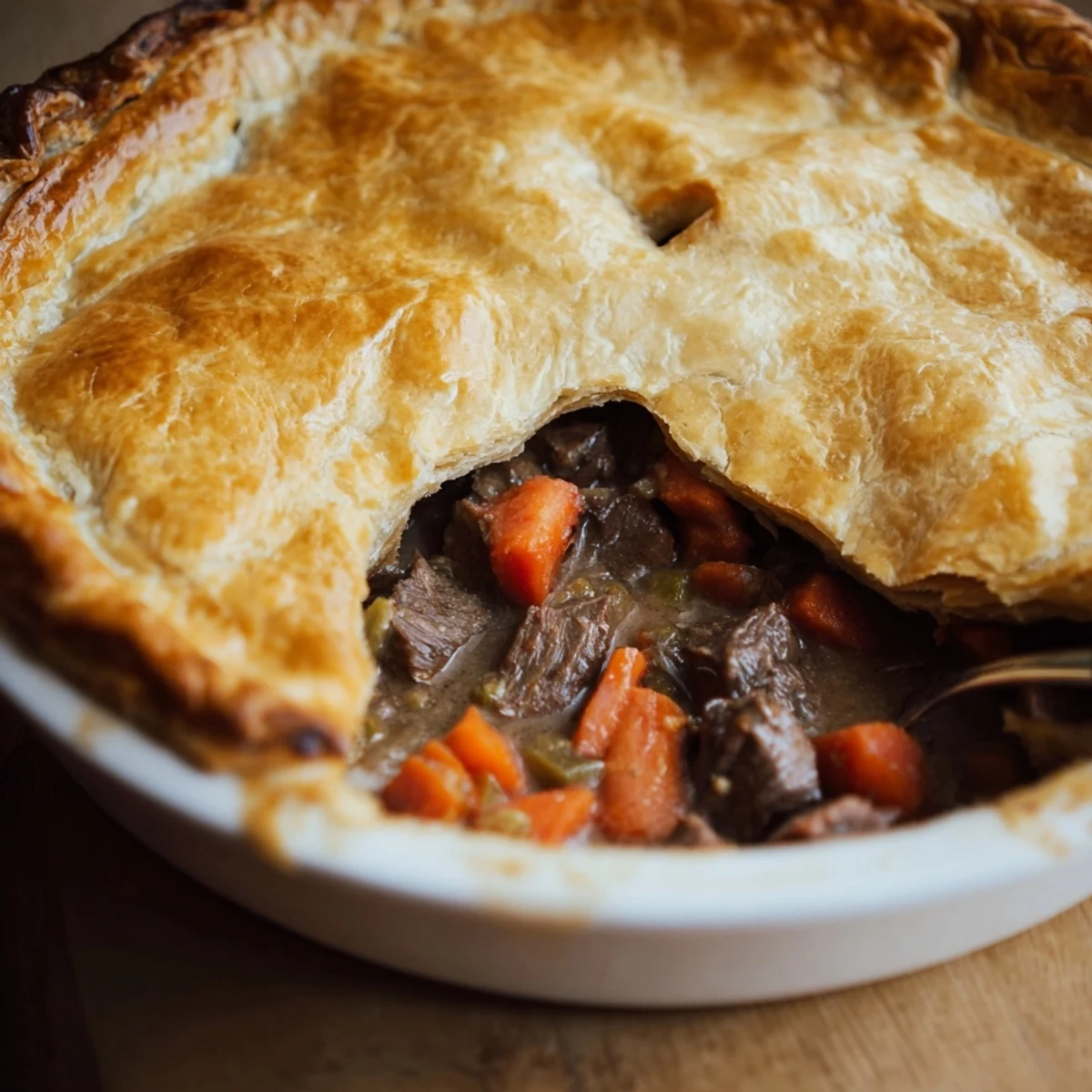
Save This dish features tender cubes of beef slowly simmered with aromatic herbs, vegetables, and a rich gravy. Enclosed in a crisp, golden shortcrust pastry, it delivers comforting, hearty flavors perfect for family dinners. The preparation balances savory depth without ale, making it suitable for those avoiding alcohol. Serve warm to enjoy a filling and satisfying meal that pairs beautifully with mashed potatoes or steamed greens.
There's something about the smell of beef browning in a hot pan that makes you feel like you're cooking something that matters. I learned this pie from my mum's kitchen on a Sunday afternoon when she casually mentioned that ale wasn't always in British beef pies, and that a good rich gravy made with stock and a touch of tomato paste could be just as satisfying. The golden pastry crust cracking under a fork, steam rising up carrying the aroma of thyme and rosemary—that's when I understood why this dish has fed families through generations.
I made this for my partner one winter when we'd just moved into our first place together, and the kitchen was still mostly empty boxes. Watching him take that first bite and close his eyes—not out of politeness, but out of actual pleasure—I knew I'd nailed something important. It wasn't fancy, but it was honest, and it tasted like care.
Ingredients
- Beef chuck or stewing steak (800g): The tougher cuts are actually your best friend here because they break down into silky tenderness during the slow simmer, soaking up all the flavour.
- Olive oil (2 tbsp): Use enough to get a proper sear on the beef—this is where the depth of flavour begins.
- Onion, carrots, and celery: This trio is the foundation; the vegetables soften into the gravy and add natural sweetness that balances the savoury notes.
- Garlic (2 cloves): Minced fine so it dissolves into the sauce rather than appearing as chunks.
- Tomato paste (2 tbsp): Don't skip this—it adds umami and body to the gravy without any ale needed.
- Plain flour (2 tbsp): This thickens the gravy to that perfect coating consistency that clings to each piece of beef.
- Beef stock (400ml): A good quality stock makes all the difference; taste it first to check the salt level.
- Worcestershire sauce (1 tbsp): The secret ingredient that gives that layered, complex flavour people can't quite name.
- Dried thyme and rosemary (1 tsp each): These herbs are robust enough to survive the long cooking time and perfume the whole pie.
- Bay leaves (2): They add a subtle bitterness that rounds out the sweetness; remember to remove them before serving.
- Shortcrust pastry (375g): Ready-rolled saves time, but homemade has a better crumb if you have it.
- Egg for glaze (1): Beaten with a fork and brushed on just before baking, this creates that golden, glossy finish.
Instructions
- Get your oven ready and start the beef:
- Preheat to 180°C and heat half the oil in a large heavy pan over medium-high heat. Work in batches to brown the beef properly—don't crowd the pan or it'll steam instead of sear, and that crust is where all the flavour lives.
- Build the flavour base:
- Add the remaining oil and sauté your onion, carrots, and celery for about five minutes until they're softened and starting to turn translucent. You'll notice the pan smells completely different now.
- Create the gravy foundation:
- Stir in the minced garlic and cook for just a minute so it doesn't burn, then add the tomato paste and flour. Stir constantly for another couple of minutes—this cooking step is important, it removes the raw flour taste.
- Deglaze and combine:
- Slowly pour in the beef stock while scraping the bottom of the pan with a wooden spoon, getting up all those beautiful brown bits that are pure flavour. Add the Worcestershire sauce, herbs, bay leaves, and return the beef to the pan with a pinch of salt and pepper.
- Let it simmer gently:
- Bring to a gentle simmer, cover the pan, and let it cook for about ninety minutes, stirring every now and then. You're looking for the beef to be so tender it falls apart with a spoon and the gravy to be rich and thickened.
- Cool and transfer:
- Remove the bay leaves and let the filling cool completely—this stops the pastry from getting soggy on the bottom and makes it easier to handle. Spoon into your pie dish, making sure the filling is fairly level.
- Top with pastry:
- Roll out or unfold your pastry sheet and drape it over the filling, pressing gently around the edges and then crimping with a fork to seal. Cut a small vent in the center so steam can escape.
- Finish and bake:
- Brush the pastry generously with beaten egg—this is what gives you that gorgeous golden shine. Bake for thirty to thirty-five minutes until the pastry is crisp and deeply golden.
- Rest before serving:
- Let it rest for five minutes out of the oven so the filling sets slightly and the whole pie holds together beautifully.
 Save
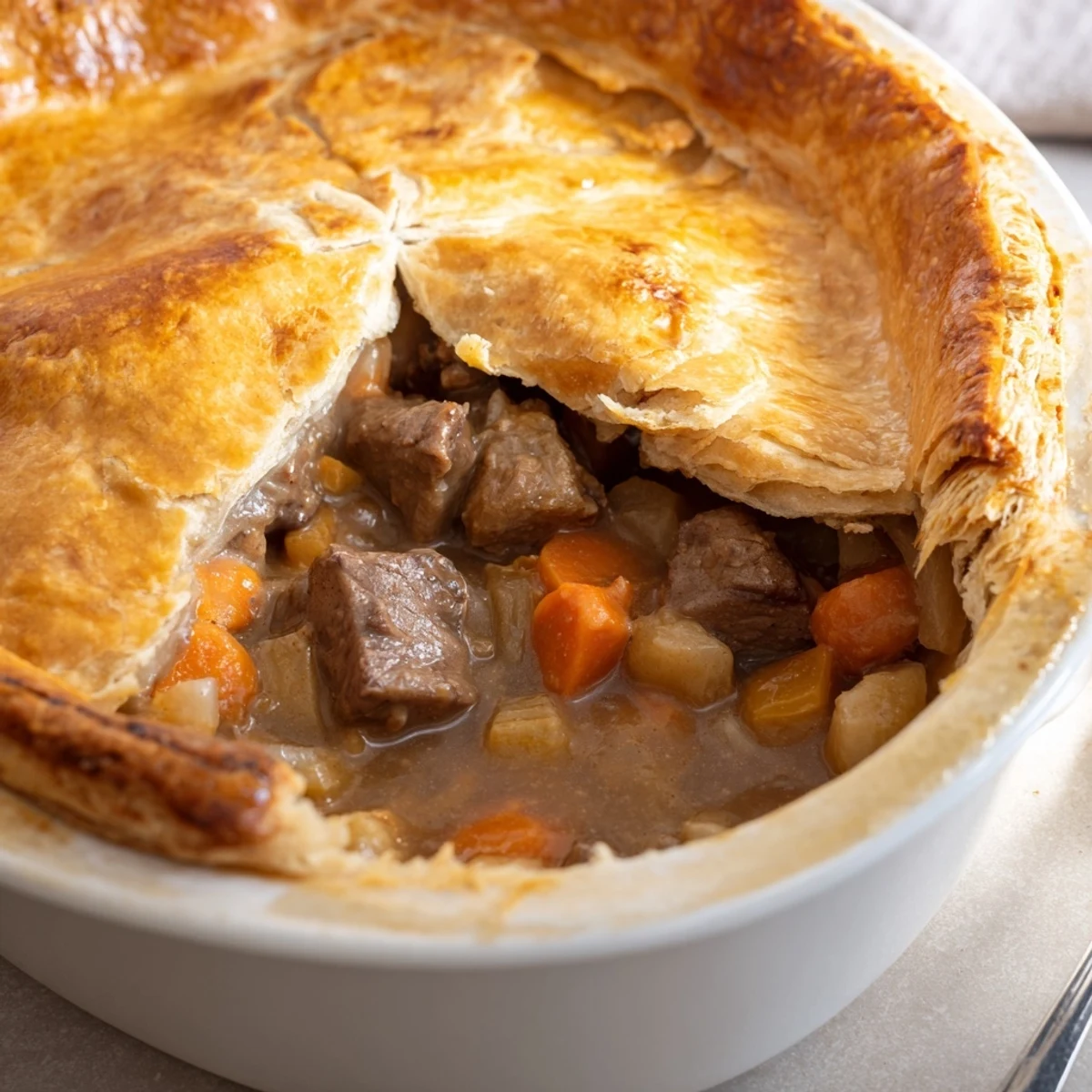
Save The moment the pastry turned golden and crackled under a knife, I realised this wasn't just dinner—it was evidence that I could create something that made people happy with my own hands. That's the real magic of a proper pie.
Why This Pie Works Without Ale
Traditional British beef pies often use ale for depth and richness, but honestly, a good beef stock combined with tomato paste and Worcestershire sauce creates something equally satisfying and more versatile. The tomato paste adds body and umami, the herbs bring complexity, and that slow simmer transforms tough beef into something luxurious. If you're cooking for someone who doesn't drink alcohol or you simply prefer not to use it, this approach proves you lose nothing—you just gain a different kind of deliciousness.
Variations and Swaps
The beauty of this pie is how adaptable it is once you understand the core technique. Lamb works beautifully if you swap the beef and adjust the herbs—thyme and rosemary suit lamb just as well. You can also go vegetarian by replacing the beef with a mix of mushrooms, lentils, and root vegetables like parsnips and celeriac, and using vegetable stock instead. I've even added a splash of balsamic vinegar at the end for extra depth, or a tiny spoonful of Marmite if I'm feeling particularly adventurous.
Serving and Storage Tips
Serve this pie hot with creamy mashed potatoes and steamed greens—the vegetables cut through the richness beautifully. If you're making it ahead, the filling keeps in the fridge for up to three days, and you can assemble the pie the morning of, then bake it fresh when you're ready.
- Leftover pie reheats gently in a 160°C oven, covered with foil so the pastry doesn't brown further.
- The unfilled pastry-topped dish freezes well for up to a month before baking.
- Always let any reheated pie come to room temperature for five minutes before cutting so the filling stays contained.
 Save
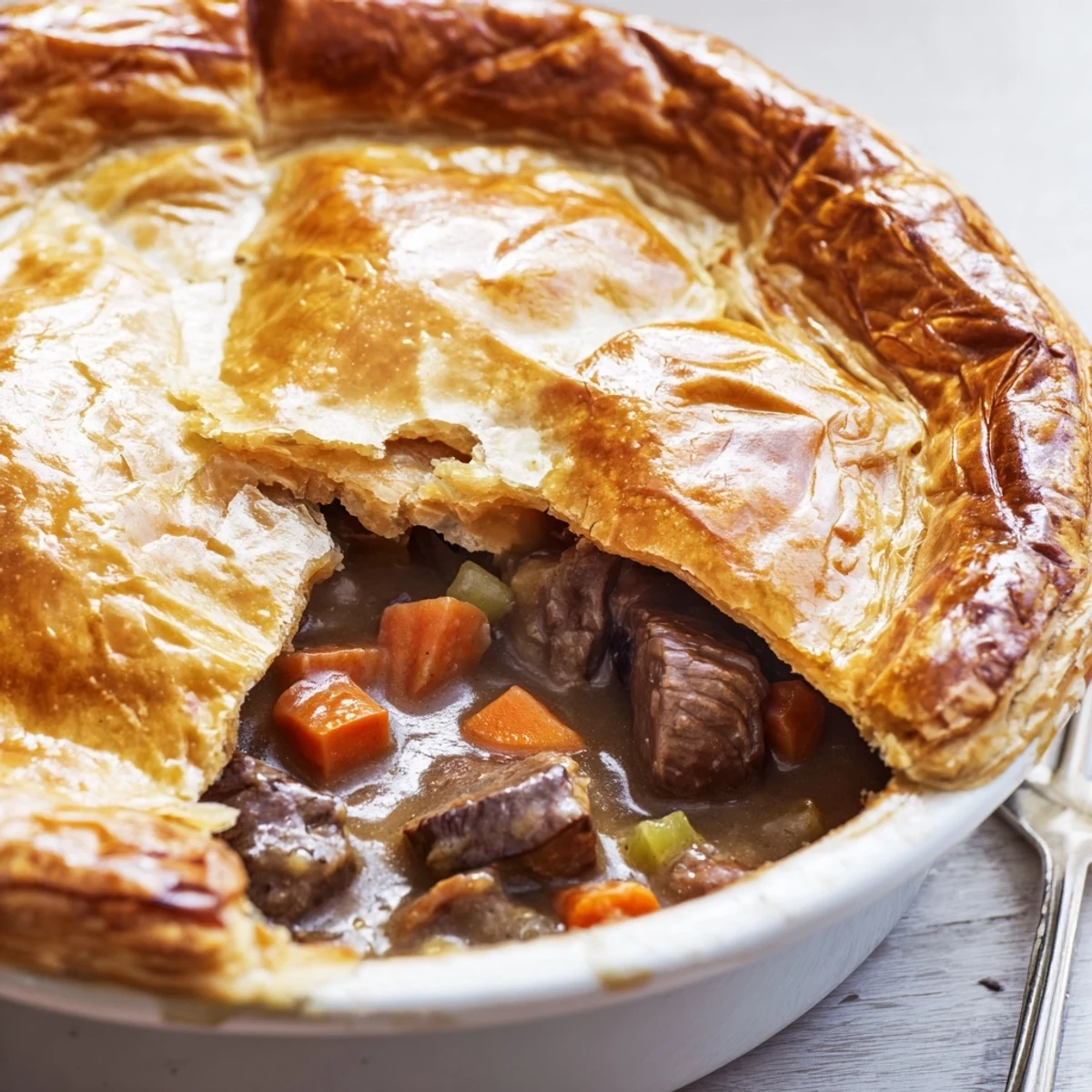
Save This pie is the kind of food that lingers in memory longer than most meals do—warm, honest, and made with intention. Make it once and it becomes yours.
Recipe FAQs
- → What cut of beef is best for slow cooking?
-
Beef chuck or stewing steak are ideal for slow cooking as they become tender and flavorful when simmered gently over time.
- → How do you prevent the pastry from becoming soggy?
-
Allow the filling to cool before covering with pastry, and ensure the filling is thickened well. Baking at a consistent temperature helps create a crisp crust.
- → Can I substitute the beef with other proteins or vegetables?
-
Yes, lamb can be used for a different flavor, or a mix of root vegetables can replace meat for a vegetarian version, with stock adjusted accordingly.
- → What herbs complement the beef filling best?
-
Dried thyme, rosemary, and bay leaves add aromatic depth that enhances the richness of the beef and gravy mixture.
- → Is Worcestershire sauce essential in the filling?
-
Worcestershire sauce adds umami and complexity, but you can omit or replace it if avoiding soy or for dietary preferences.