
 Save
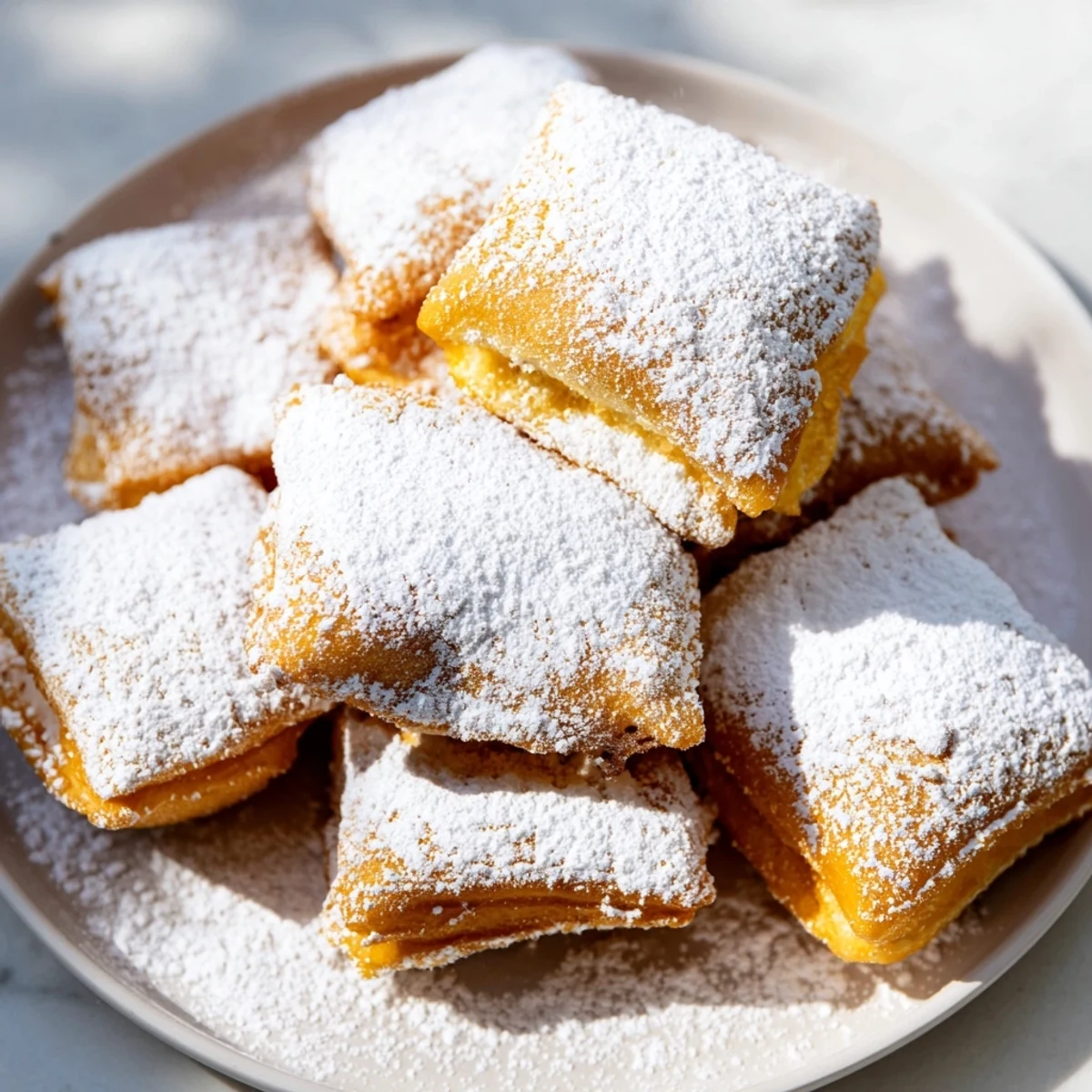
Save These New Orleans style beignets offer light, airy dough fried to a golden crisp and generously dusted with powdered sugar. The dough requires a resting period for optimal rise, producing pillowy squares ideal for frying. The end result is a delicate pastry with a tender inside and a slightly crunchy exterior, perfect to pair with chicory coffee or enjoyed warm fresh from the pan. Adding spices like nutmeg or cinnamon can enhance the flavor.
My first trip to New Orleans ended with me sitting on a bench by Jackson Square, completely covered in powdered sugar after my very first beignet. I had made the rookie mistake of breathing in while taking that first bite, and let me tell you, there is no graceful way to recover from that. The laughter from the table next to me was worth every speck of sugar on my black sweater. That moment sparked years of kitchen experimentation until I could recreate that perfect pillowy crunch at home.
Last Mardi Gras, I made three batches back to back for friends who had never experienced beignets before. Watching their eyes light up at that first bite reminded me why these humble fried squares have such a devoted following. One friend actually asked if she could take the leftovers home, which I translated as the highest possible compliment. Now they request them every time they visit.
Ingredients
- All-purpose flour: This creates the structure for those puffy squares we are after
- Active dry yeast: The key to getting that signature rise and airy interior
- Whole milk: Adds richness and helps create a tender crumb
- Granulated sugar: Just enough to balance the dough without competing with the topping
- Unsalted butter: Softened butter incorporates beautifully into the dough for subtle depth
- Vanilla extract: A whisper of fragrance that makes these taste special
- Vegetable oil: For frying at the right temperature to achieve that perfect golden exterior
- Powdered sugar: The finishing touch that makes beignets instantly recognizable
Instructions
- Wake up the yeast:
- Combine warm water, a tablespoon of sugar, and yeast in a small bowl then let it sit until you see a foamy layer on top
- Mix the wet ingredients:
- Whisk together the milk, remaining sugar, egg, softened butter, and vanilla extract until smooth
- Combine everything:
- Pour in the activated yeast mixture and stir until incorporated
- Form the dough:
- Gradually add the flour and salt, mixing until a sticky dough comes together
- Knead it out:
- Turn onto a floured surface and knead for about 5 minutes until smooth and elastic
- Let it rise:
- Place in a greased bowl, cover, and let rest in a warm spot for 2 hours until doubled
- Roll and cut:
- Punch down the dough and roll to about 1/4 inch thickness then cut into squares
- Fry them up:
- Heat oil to 350 degrees F and fry in batches for 2 to 3 minutes until golden brown all over
- Dust and serve:
- Drain briefly then coat generously with powdered sugar while still hot
 Save
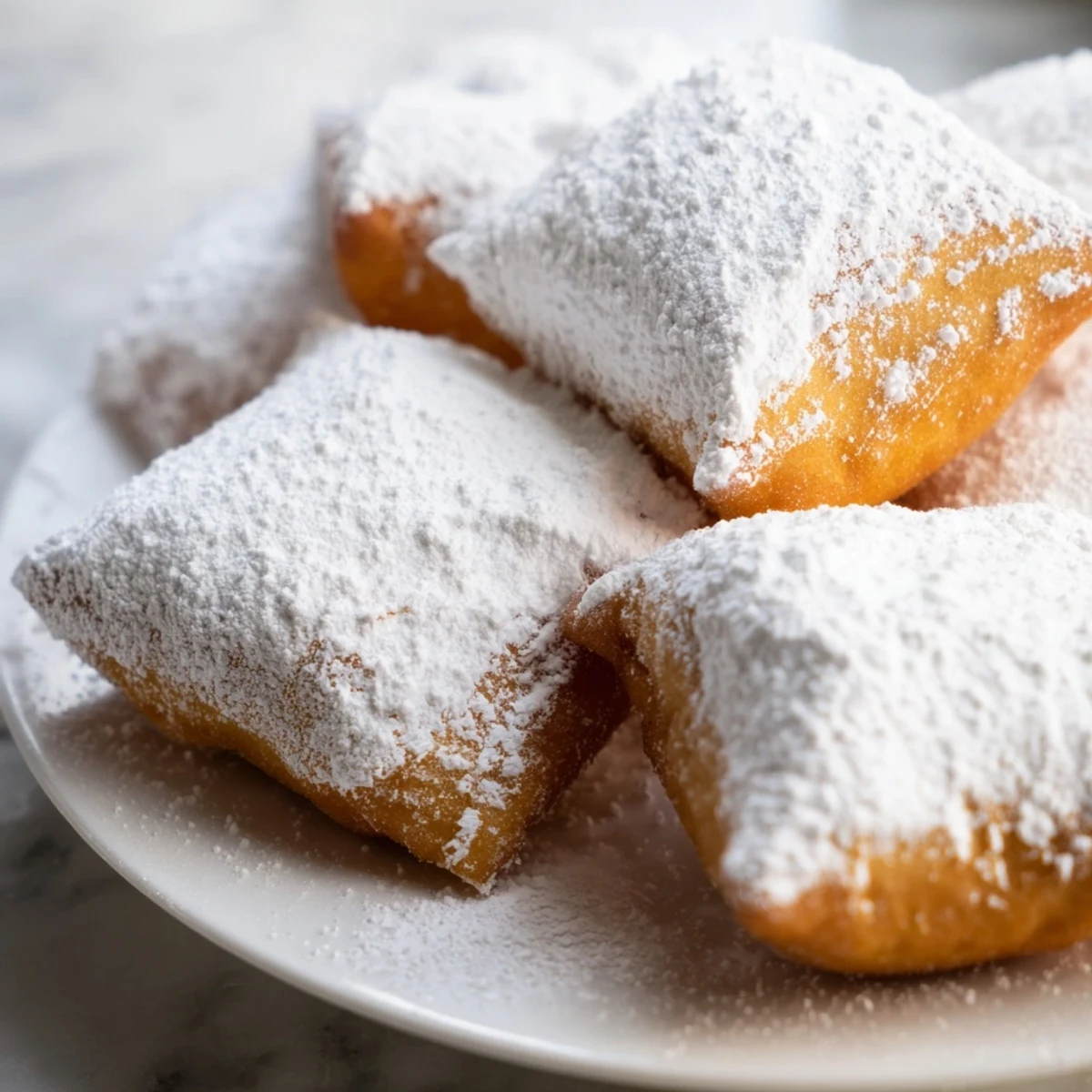
Save My daughter now asks for beignets on rainy weekends, calling them cloud cakes because of how light they are. We have made it our little tradition to stand over the fryer together, watching them transform from raw dough to golden pillows. Something about waiting for that perfect color brings out the best conversations.
Making Ahead and Storage
I have learned through trial and error that these are truly best the moment they are made. The texture changes noticeably as they cool, losing that signature contrast between crisp exterior and soft interior. If you must make them ahead, undercook them slightly and finish in the oven just before serving to refresh.
Serving Suggestions
While powdered sugar is traditional, I have discovered that a light drizzle of honey or a dusting of cinnamon sugar creates beautiful variations. Serve them alongside strong coffee or chicory for that full Cafe du Monde experience. Fresh berries on the side add a nice tart contrast to all that sweetness.
Perfecting Your Technique
The first few times I made these, they were either dense or burnt, sometimes both at once. What finally clicked was paying attention to the dough temperature and not rushing the rise. A warm kitchen makes all the difference, and patience during that resting period pays off in texture.
- Use a kitchen thermometer for your oil until you get the feel for the right temperature
- Have a wire rack ready instead of paper towels for better air circulation
- Powder sugar right before serving or it will absorb into the surface
 Save
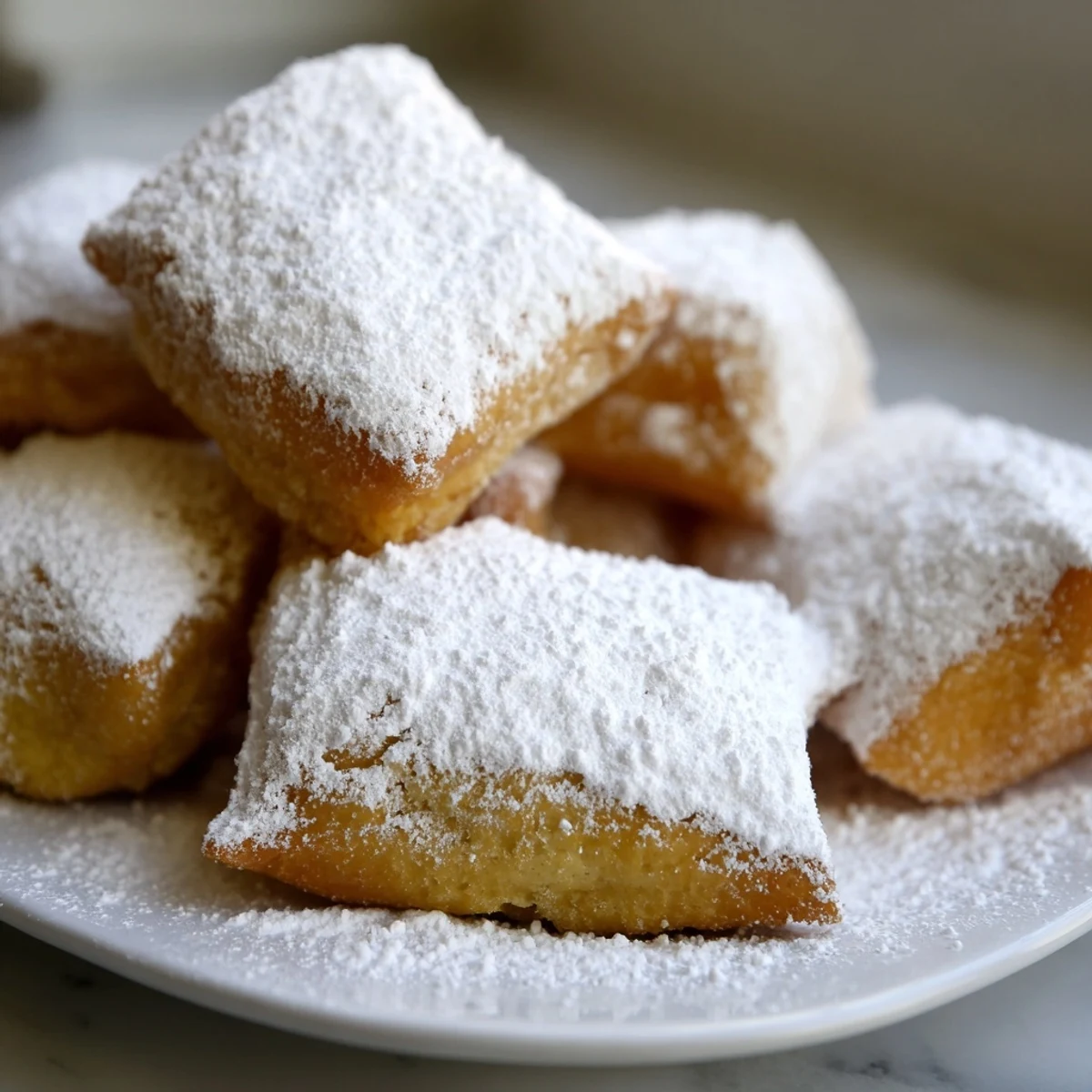
Save There is something profoundly satisfying about making a recipe that has brought joy to so many people for generations. Hope your kitchen fills with the same warmth that mine does every time I make these.
Recipe FAQs
- → What type of flour works best for beignets?
-
All-purpose flour provides the ideal balance of structure and softness needed for pillowy beignets.
- → How long should the dough rest before frying?
-
Allow the dough to rise for about 2 hours in a warm place until it doubles in size, ensuring a light, airy texture.
- → What temperature should the oil be for frying?
-
Heat oil to 350°F (175°C) to achieve a golden crisp exterior without absorbing excess oil.
- → Can I add spices to the dough?
-
Yes, adding pinches of nutmeg or cinnamon can add a warm depth of flavor to the pastries.
- → How do I keep beignets fresh after frying?
-
Enjoy them warm fresh out of the fryer; leftovers reheat best in the oven to maintain texture.