
 Save
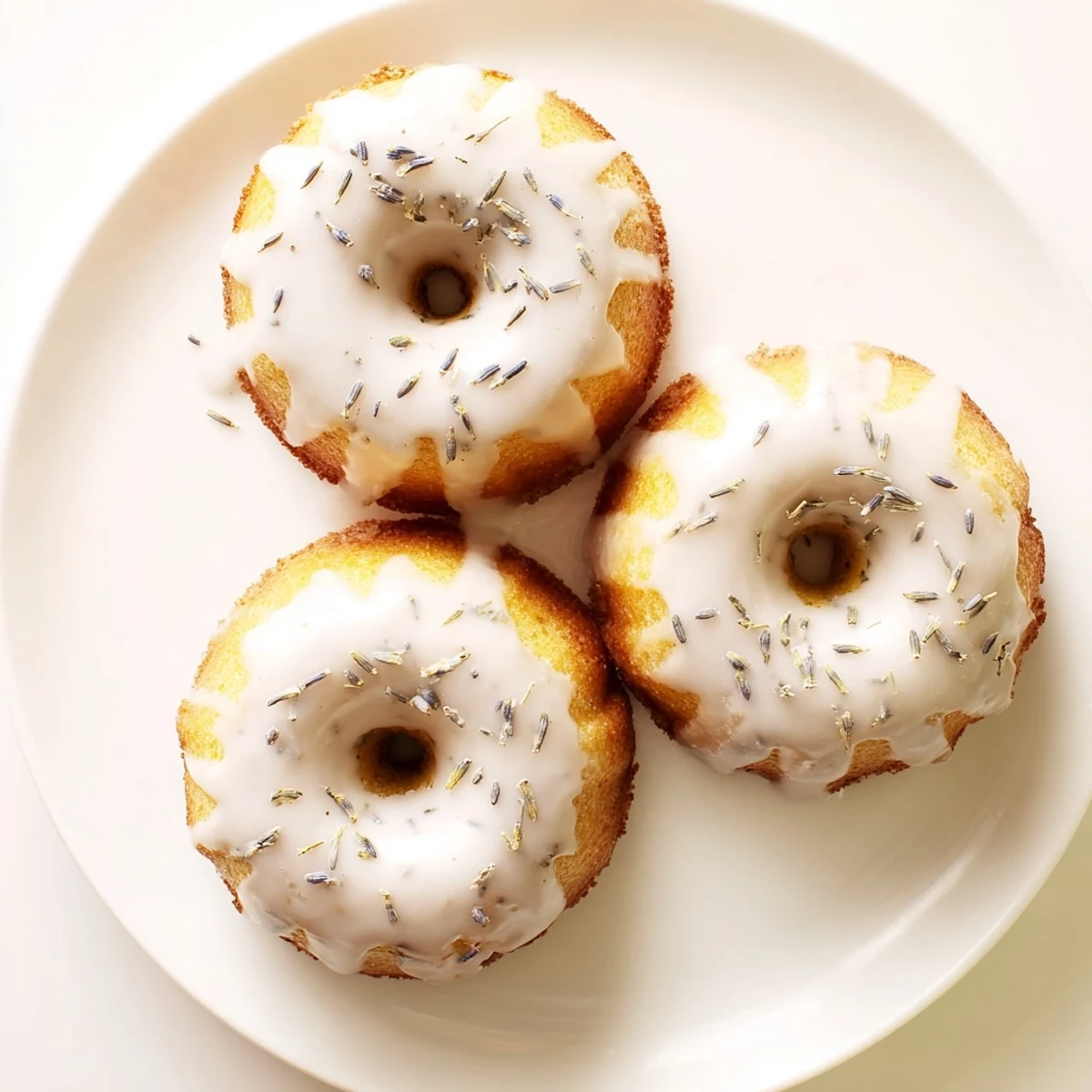
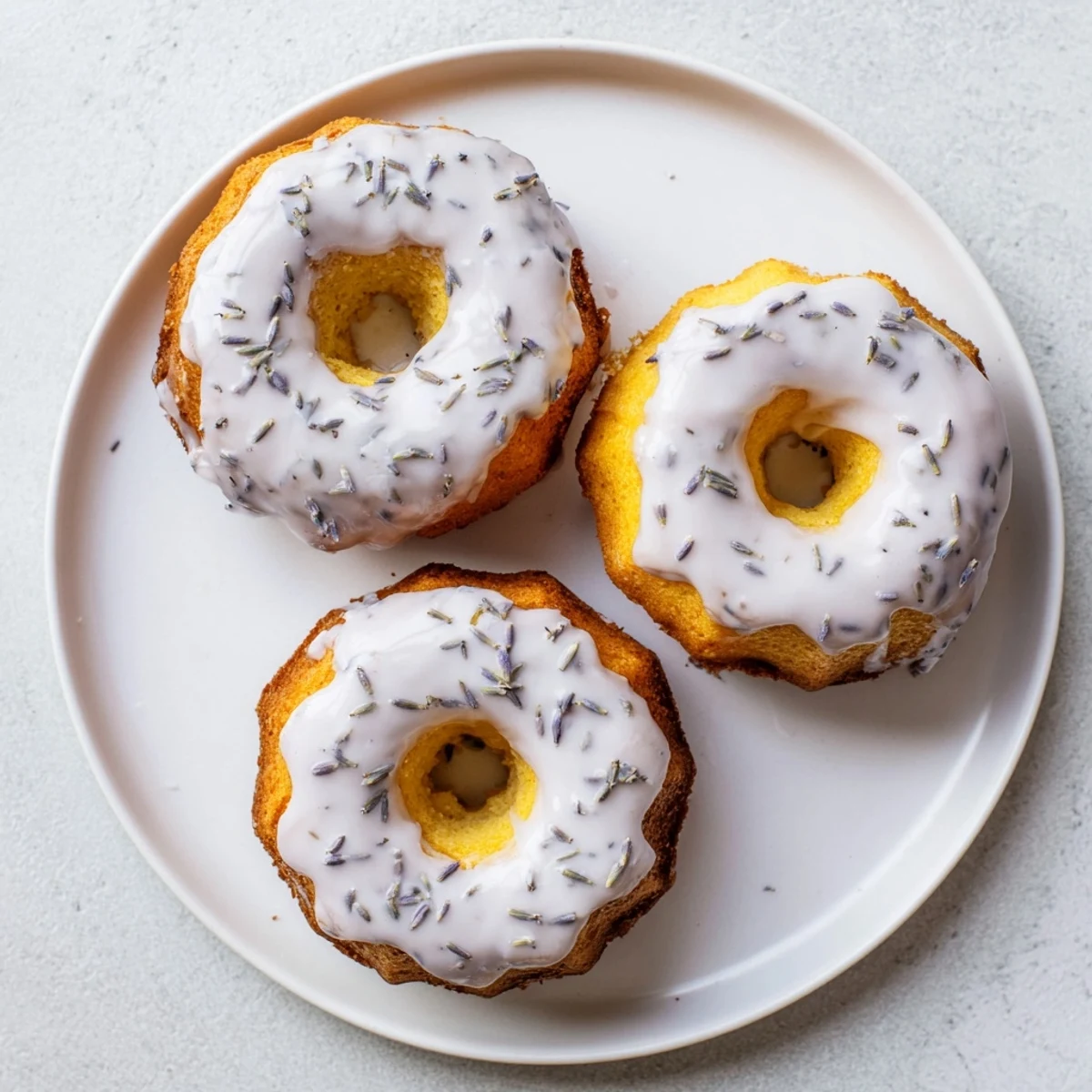
Save These delicate mini cakes capture brightness of fresh lemon alongside aromatic lavender glaze. The tender crumb comes from carefully folding melted butter into flour mixture, while steeping lavender buds in warm milk infuses the sweet topping with gentle floral notes. Perfect for afternoon tea gatherings or as elegant dessert endings, these handheld treats balance citrus zest against subtle perfume of edible lavender.
The first time I made these mini lemon cakes, my kitchen smelled like a garden in full bloom. I had just picked up fresh lavender from the farmers market and could not resist combining it with the bright zest of lemons. Now, every spring, these little cakes make an appearance at my brunch table, and guests always ask what makes them taste so special.
Last summer, I served these at a baby shower for my best friend. The moms-to-be actually went quiet for a full minute after taking their first bites. Later, three different guests asked for the recipe, and one told me she had been dreaming about that glaze ever since. Sometimes the simplest desserts leave the biggest impressions.
Ingredients
- 1 cup (125 g) all-purpose flour: This forms the tender foundation of your mini cakes, so spoon and level it gently instead of scooping directly
- 1/2 cup (100 g) granulated sugar: I have found this amount creates the perfect balance with the tart lemon without making the cakes cloyingly sweet
- 1/2 tsp baking powder: Essential for giving these little cakes their lovely rise and tender crumb structure
- 1/4 tsp baking soda: Works with the acidic lemon juice to create extra lift and lightness
- 1/4 tsp fine sea salt: Do not skip this, it intensifies the citrus flavors and keeps the cakes from tasting flat
- 1/2 cup (115 g) unsalted butter, melted and slightly cooled: Let it cool enough that it does not cook your eggs, but still flows easily into the batter
- 2 large eggs, at room temperature: Room temperature eggs incorporate better and create a more uniform texture
- 1/4 cup (60 ml) whole milk: Adds moisture and richness, though you could use buttermilk for even more tang
- 2 tbsp freshly squeezed lemon juice: Fresh is absolutely crucial here, bottled juice lacks the bright complexity you want
- 1 tbsp finely grated lemon zest: Grate carefully to avoid the bitter white pith, and zest before juicing your lemon
- 1 tsp pure vanilla extract: Rounds out the sharp citrus notes and adds that classic cake flavor
- 1 cup (120 g) powdered sugar, sifted: Sifting prevents lumps in your glaze and makes it silky smooth
- 1–2 tbsp whole milk: Start with one tablespoon and add more only if needed for the right consistency
- 1/2 tsp dried culinary lavender buds: Make sure you buy culinary grade, other lavender can taste perfumey or bitter
- 1 tsp freshly squeezed lemon juice: Adds brightness and helps thin the glaze to the perfect pouring consistency
Instructions
- Get your oven ready:
- Preheat to 350°F and generously grease your mini bundt or muffin pan with butter or cooking spray, getting into all those little crevices
- Whisk the dry ingredients:
- In a medium bowl, combine flour, sugar, baking powder, baking soda, and salt, whisking to break up any lumps
- Combine the wet ingredients:
- In a large bowl, whisk melted butter, eggs, milk, lemon juice, lemon zest, and vanilla until the mixture is smooth and emulsified
- Gently fold the batter:
- Add the dry ingredients to the wet and fold with a spatula just until combined, some small lumps are okay, overmixing makes tough cakes
- Fill the molds:
- Divide the batter evenly among your prepared molds, filling each about two-thirds full to allow room for rising
- Bake until golden:
- Bake for 16 to 18 minutes until the tops are golden and a toothpick inserted in the center comes out clean or with just a few moist crumbs
- Let them rest:
- Cool in the pan for 5 minutes, then carefully transfer to a wire rack to cool completely before glazing
- Infuse the milk:
- Heat milk and lavender buds in a small saucepan until just steaming, then remove from heat and let steep for 5 minutes to infuse the floral flavor
- Strain and mix the glaze:
- Strain out the lavender buds, then whisk powdered sugar, lemon juice, and 1 tablespoon of the lavender milk, adding more milk only until thick but pourable
- Glaze the cakes:
- Drizzle the glaze over each cooled mini cake, letting it drip down the sides, and garnish with extra lavender buds or lemon zest if desired
 Save
Save My grandmother kept a tiny jar of dried lavender in her pantry that smelled like summer afternoons. Whenever I make these cakes, I think of her showing me how to gently crush the buds between my fingers to release their oils. Food carries memories like that, little fragrant bridges between generations.
Making Them Your Own
Once you have mastered the basic recipe, try swapping the lavender for fresh thyme or rosemary. The herbaceous combination with lemon works beautifully and creates a more savory profile that pairs wonderfully with afternoon tea or even brunch cocktails.
Storage and Serving
These mini cakes keep well in an airtight container at room temperature for up to two days, though the glaze may soften slightly. For longer storage, refrigerate them and bring to room temperature before serving, or freeze unglazed cakes for up to three months and glaze after thawing.
Timing Your baking
I have learned through experience that these cakes are actually better when made a day ahead. The flavors meld and the lavender becomes more pronounced without overpowering the lemon. If you are serving them for an event, bake and glaze them the night before, then store them in the refrigerator and bring them out about an hour before serving.
- Set out all ingredients before you begin, especially bringing eggs and milk to room temperature
- Zest your lemon before juicing it, it is so much easier to hold and maneuver
- Warm your glaze slightly if it has thickened too much, just 10 seconds in the microwave helps
 Save
Save There is something deeply satisfying about serving these little cakes, each one like a tiny present wrapped in fragrant glaze. I hope they become part of your spring traditions too.
Recipe FAQs
- → What type of lavender should I use?
-
Always choose culinary-grade lavender buds specifically intended for cooking. Regular decorative lavender from craft stores may contain pesticides or taste bitter. Look for dried lavender labeled as food-safe in spice aisles or specialty baking stores.
- → Can I make these ahead of time?
-
The unfrosted cakes store well in an airtight container at room temperature for up to two days. Add the lavender glaze shortly before serving for the freshest appearance and texture. The glaze can be prepared separately and kept covered in the refrigerator.
- → Why is my glaze too thick or thin?
-
Glaze consistency depends on humidity and liquid measurements. Start with one tablespoon of lavender-infused milk, then add additional liquid in quarter-teaspoon increments until reaching thick but pourable texture. The glaze should slowly drizzle off a spoon rather than run off quickly.
- → What beverages pair well with these?
-
Earl Grey tea complements the citrus and floral notes beautifully. The bergamot in the tea harmonizes with lemon while enhancing lavender's subtle perfume. Light sparkling wine or herbal chamomile tea also make lovely accompaniments for afternoon tea service.
- → Can I use different citrus fruits?
-
Lemon provides the brightest acidic balance against sweet lavender glaze, but Meyer lemons offer mellower flavor. Orange or grapefruit zest would work though they produce sweeter results. Consider reducing sugar slightly when substituting less acidic citrus varieties.
- → How do I prevent overbaking?
-
Check cakes at 16 minutes since mini sizes bake faster than full-sized versions. Insert a toothpick into the center—it should emerge with just a few moist crumbs rather than wet batter. The cakes continue cooking slightly during the five-minute cooling period in the pan.