
 Save
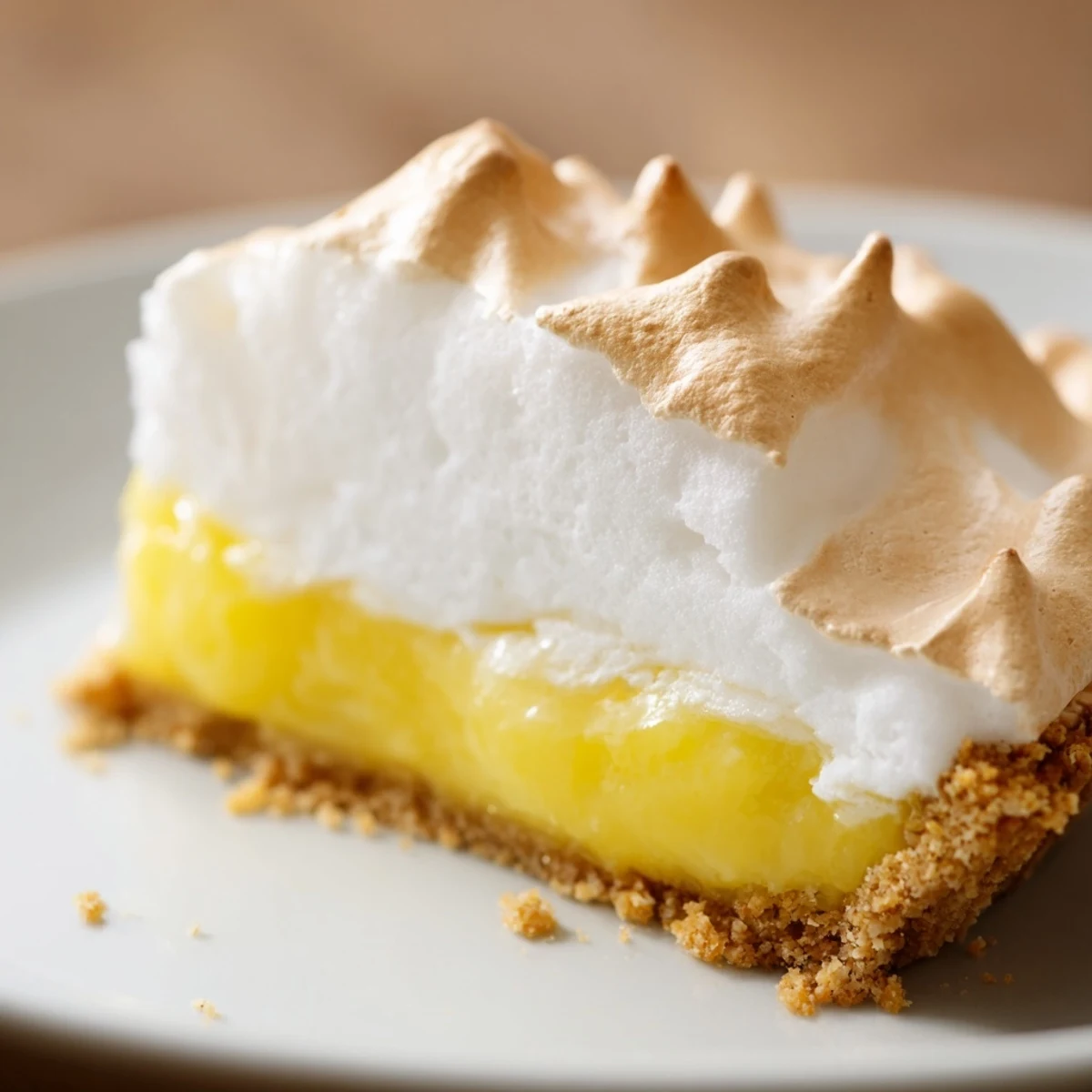
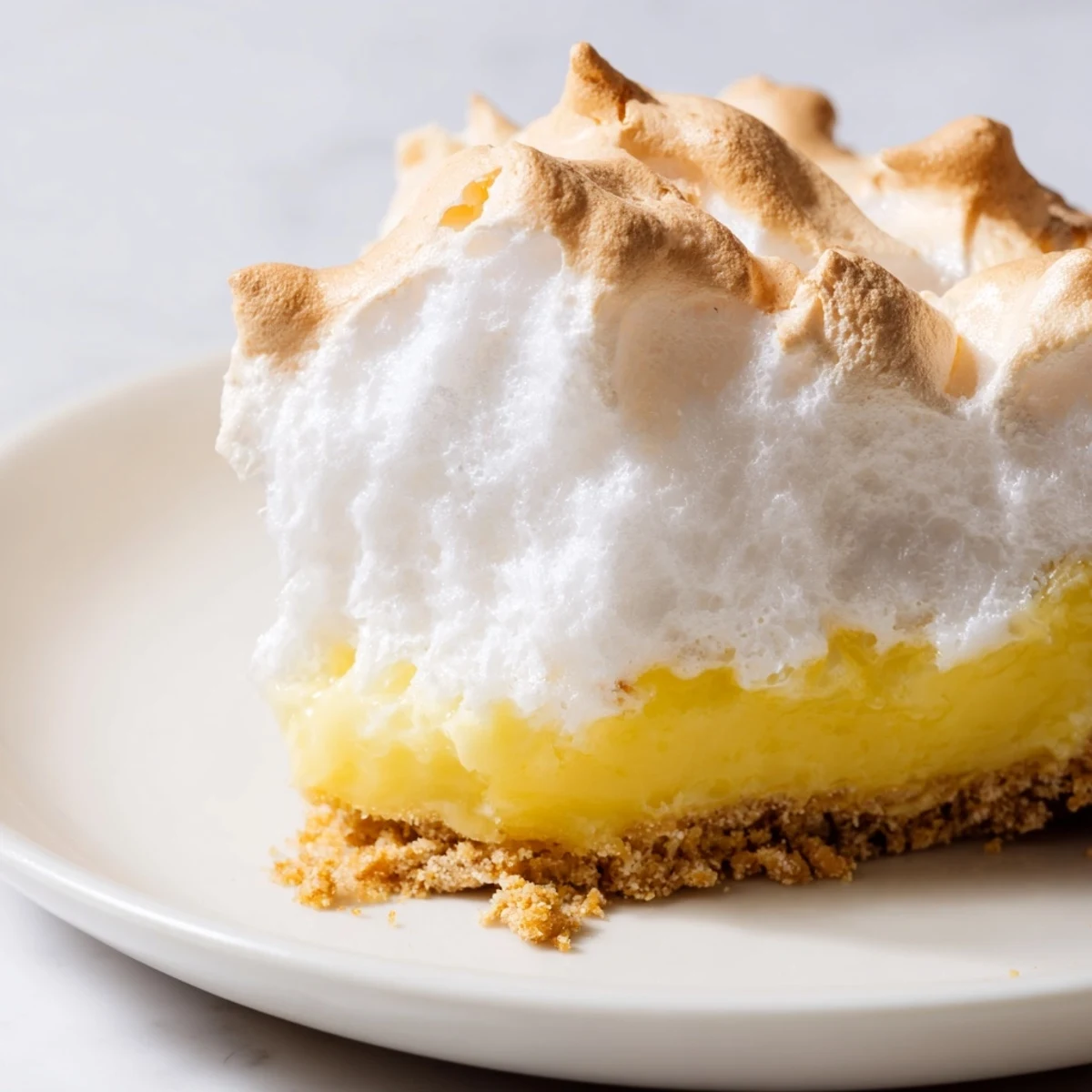
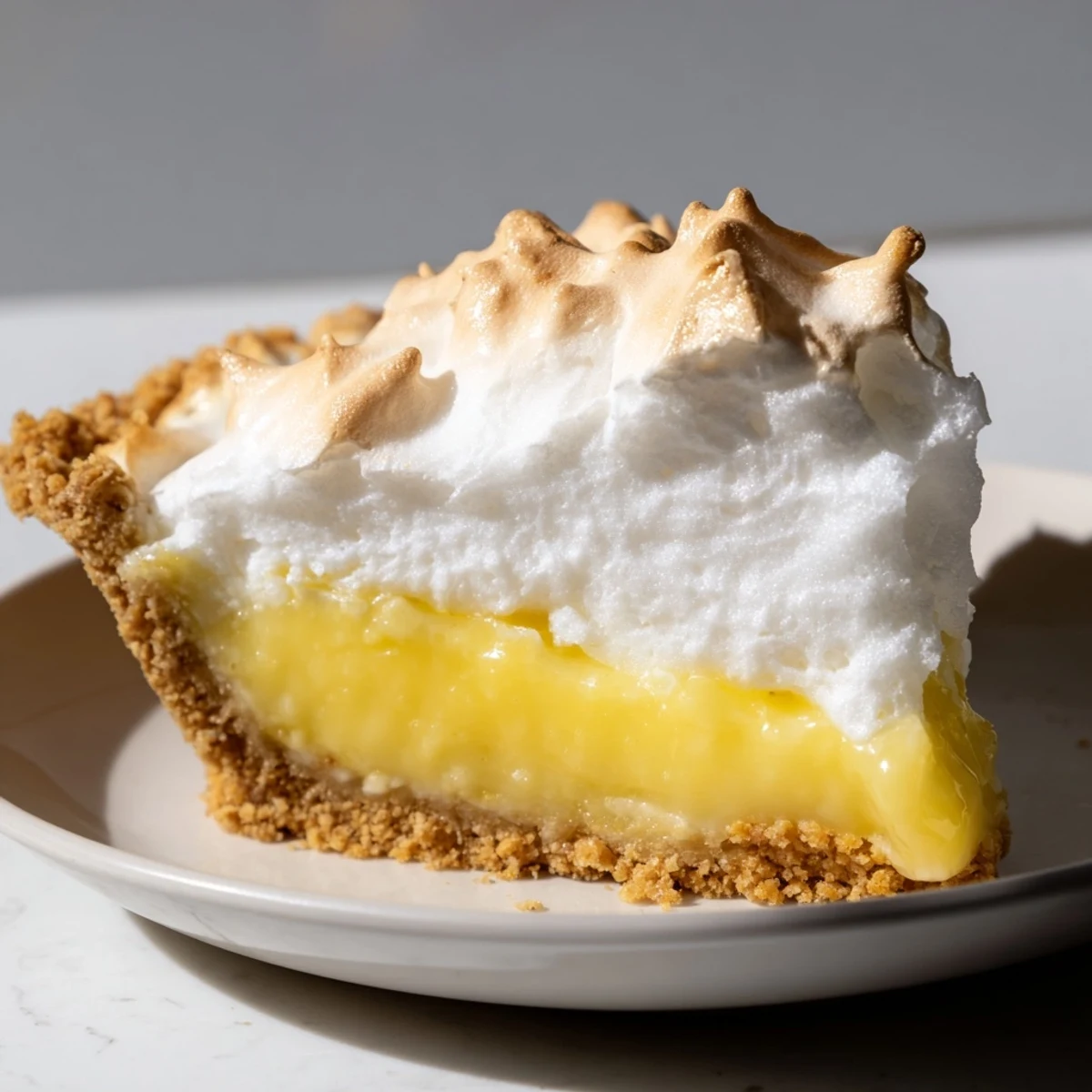
Save This dessert features a bright, tangy lemon filling nestled inside a buttery graham cracker crust. It's crowned with fluffy, golden meringue that adds a light sweetness and subtle vanilla notes. The crust is baked first to a light golden color, then filled with a smooth lemon curd thickened by cornstarch and enriched with egg yolks and butter. The meringue is whipped to stiff peaks and baked until gracefully browned. Chilling helps the layers set and enhances clean slices. A perfect balance of refreshing citrus and indulgent creaminess.
There's something about the smell of a pie baking that makes you believe you're capable of anything in the kitchen. I discovered lemon meringue pie on an ordinary Tuesday when a friend brought one to a potluck, and watching people's faces light up as they bit through that crispy meringue into the bright, silky filling made me determined to master it myself. My first attempt was a disaster—the meringue wept all over itself and the filling was grainy—but I couldn't stop trying. Now, this pie is my answer to almost every occasion: a showstopper that tastes far easier than it actually is.
I made this pie for my mom's birthday last spring, and she took one bite and closed her eyes like she was transported somewhere. She said it tasted like sunshine, which I'd never thought of before, but now I can't unhear it. That's when I knew this recipe wasn't just about getting the technique right—it was about making something that reminds people why they love dessert.
Ingredients
- Graham cracker crumbs: The foundation of everything—make sure they're finely crushed but still have a little texture, and use full-fat varieties if you can find them.
- Granulated sugar (for crust): This adds just enough sweetness to balance the salt and butter without making the crust candy-like.
- Unsalted butter, melted: Melting it first helps distribute the fat evenly, creating that tender, press-in texture that holds together beautifully.
- Salt: A pinch awakens the buttery flavor and keeps everything from tasting flat.
- Granulated sugar (for filling): This sweetens the filling while cornstarch thickens it—they work as a team.
- Cornstarch: This is your secret weapon for getting the filling to set properly without eggs alone; it creates that silky, slice-able texture.
- Water: Pure and simple—it carries all the lemon flavor without adding competing tastes.
- Freshly squeezed lemon juice: Bottled juice won't give you the bright, living taste you need; squeeze those lemons yourself and taste as you go.
- Lemon zest: This is where the real flavor lives—that aromatic, almost perfumy quality that makes people wonder what makes this pie taste so alive.
- Egg yolks: They create richness and help set the filling while the whites become your cloud of meringue.
- Unsalted butter (for filling): A little butter stirred in at the end adds a luxurious mouthfeel to the filling.
- Egg whites, room temperature: Letting them sit on the counter for 20 minutes helps them whip to better volume and stability.
- Cream of tartar: This acidic powder stabilizes the egg whites and helps them hold their peaks longer, which is especially helpful if you're not a speed-beater.
- Vanilla extract: Just enough to add depth without making the meringue taste like vanilla cake.
Instructions
- Start with oven and crust:
- Preheat your oven to 350°F and combine the graham cracker crumbs, sugar, melted butter, and salt in a bowl—you want it to feel like wet sand. Press it firmly into the bottom and up the sides of a 9-inch pie dish, using the bottom of a measuring cup to pack it down evenly so there are no weak spots.
- Toast the crust:
- Bake for 8 to 10 minutes until it's set and lightly golden, then let it cool while you make the filling. This pre-baking step prevents a soggy bottom, which is what we call a win.
- Make the filling base:
- In a saucepan, whisk together the sugar, cornstarch, and salt—get them completely blended with no lumps. Slowly whisk in the water, lemon juice, and zest, stirring until smooth.
- Cook the filling:
- Set the pan over medium heat and stir constantly while the mixture comes together. You'll watch it go from thin and cloudy to glossy and thick, and when it boils, let it go for exactly one more minute, stirring the whole time.
- Temper the egg yolks:
- In a small bowl, whisk the egg yolks together lightly. Slowly pour about half a cup of the hot filling into them while whisking constantly—this prevents scrambled eggs and is easier than it sounds. Pour this mixture back into the saucepan and stir.
- Finish the filling:
- Cook for 2 more minutes over medium heat, stirring constantly, until it's thick and coats the back of a spoon. Remove from heat, stir in the butter until it melts completely, then pour the filling into your cooled crust and let it rest.
- Whip the meringue:
- In a very clean bowl (even a tiny bit of grease will defeat you), beat the egg whites and cream of tartar on medium speed until soft peaks form. Gradually add the sugar, one tablespoon at a time, beating after each addition until you reach stiff, glossy peaks—this takes patience, but it's worth it.
- Add vanilla and spread:
- Beat in the vanilla, then immediately spread the meringue over the hot filling, making sure it touches the crust all the way around to seal it and prevent shrinking. Use the back of a spoon to create gentle peaks for visual drama.
- Bake the meringue:
- Bake at 350°F for 15 to 18 minutes until the meringue is golden brown on top. The pie should be set but still have a slight jiggle in the center when you give the dish a gentle shake.
- Cool and chill:
- Let the pie cool at room temperature for one full hour to prevent cracks, then refrigerate for at least two hours before slicing. This resting time is when everything sets properly and the flavors deepen.
 Save
Save I learned the hard way that patience matters more than perfection with this pie. A visitor once asked why I wasn't rushing to the slice-and-serve moment, and I realized I was standing there just watching it cool, waiting for the right moment—not out of recipe instructions, but out of genuine care that it would turn out right. That's when I understood why people make this pie over and over.
The Graham Cracker Crust Secret
Most people think pie crust has to be complicated, but this one proves otherwise. The key is getting the texture right during that mixing step—it should feel like wet sand that holds together when you squeeze it, not like flour or dough. When you press it into the dish, use confidence and an even hand; the more firmly you pack it, the less likely it is to crumble when you cut into the pie later.
Temperature and Timing Matter
Room temperature egg whites whip faster and fuller than cold ones, so take them out of the fridge before you start making the meringue. The filling needs to be hot when you spread the meringue on top because the gentle heat helps it set without cooking the whites too much, creating that perfect texture where the outside is crispy but the inside stays soft and fluffy.
Troubleshooting and Serving
If your filling looks grainy after cooking, you rushed the egg yolk tempering step—next time, whisk the hot mixture in more slowly. If the meringue shrinks noticeably while baking, it didn't seal properly to the crust, so focus on that step. A clean, warm knife dipped in water between each slice creates the cleanest cuts, and serving the pie within a day of making it ensures the meringue stays crispy rather than turning chewy from humidity.
- Pair this pie with chilled Earl Grey tea or a late-harvest Riesling for a flavor combination that feels almost magical.
- Leftover pie keeps well refrigerated for up to three days, though the meringue loses some crispness over time.
- If you want an even more intense lemon flavor, add an extra teaspoon of zest or a tablespoon more lemon juice, but don't skip the taste test before baking.
 Save
Save Every time I make this pie, I'm reminded that the best recipes are the ones that feel like coming home. It's bright and tangy but also indulgent, requires some technique but rewards patience, and never fails to make people feel a little more special.
Recipe FAQs
- → How is the graham cracker crust prepared?
-
The crust is made by combining graham cracker crumbs, sugar, melted butter, and a pinch of salt, pressed into a pie dish, and baked until lightly golden to provide a buttery, crunchy base.
- → What gives the lemon filling its thickness?
-
Cornstarch works as a thickening agent in the lemon filling, combined with egg yolks and cooking that mixture until it thickens to a smooth, custard-like texture.
- → How do you achieve stiff, glossy meringue peaks?
-
Beat egg whites with cream of tartar until soft peaks form, then gradually add sugar while continuing to beat until stiff, shiny peaks are achieved before baking.
- → Why is the meringue baked after spreading over the lemon filling?
-
Baking the meringue sets its structure and gives it a golden-brown color while sealing the topping to the filling to prevent shrinking edges.
- → What is the recommended chilling time before serving?
-
After baking, cool the pie at room temperature for about an hour, then refrigerate for at least two hours to allow the filling and meringue to set fully for clean slicing.