
 Save
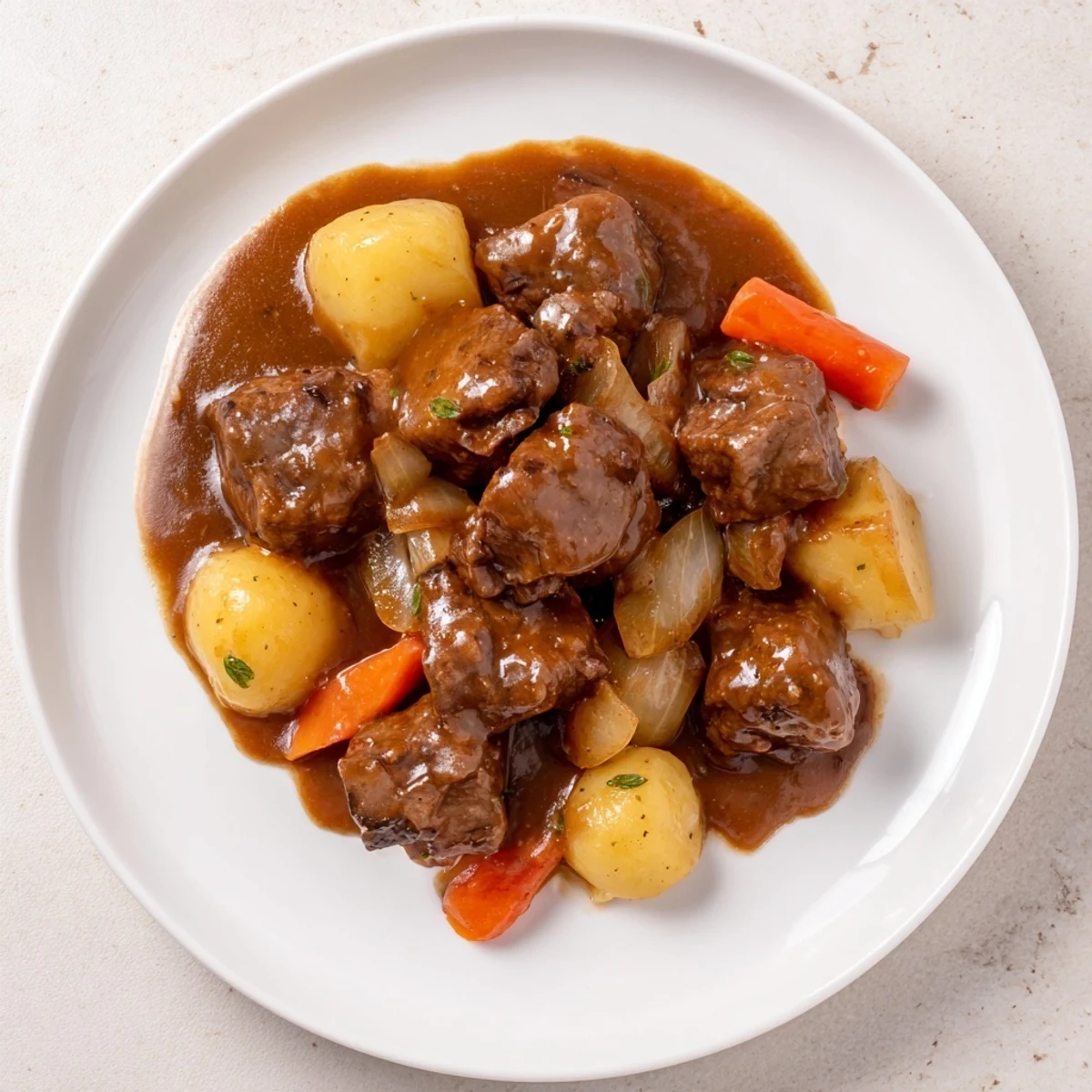
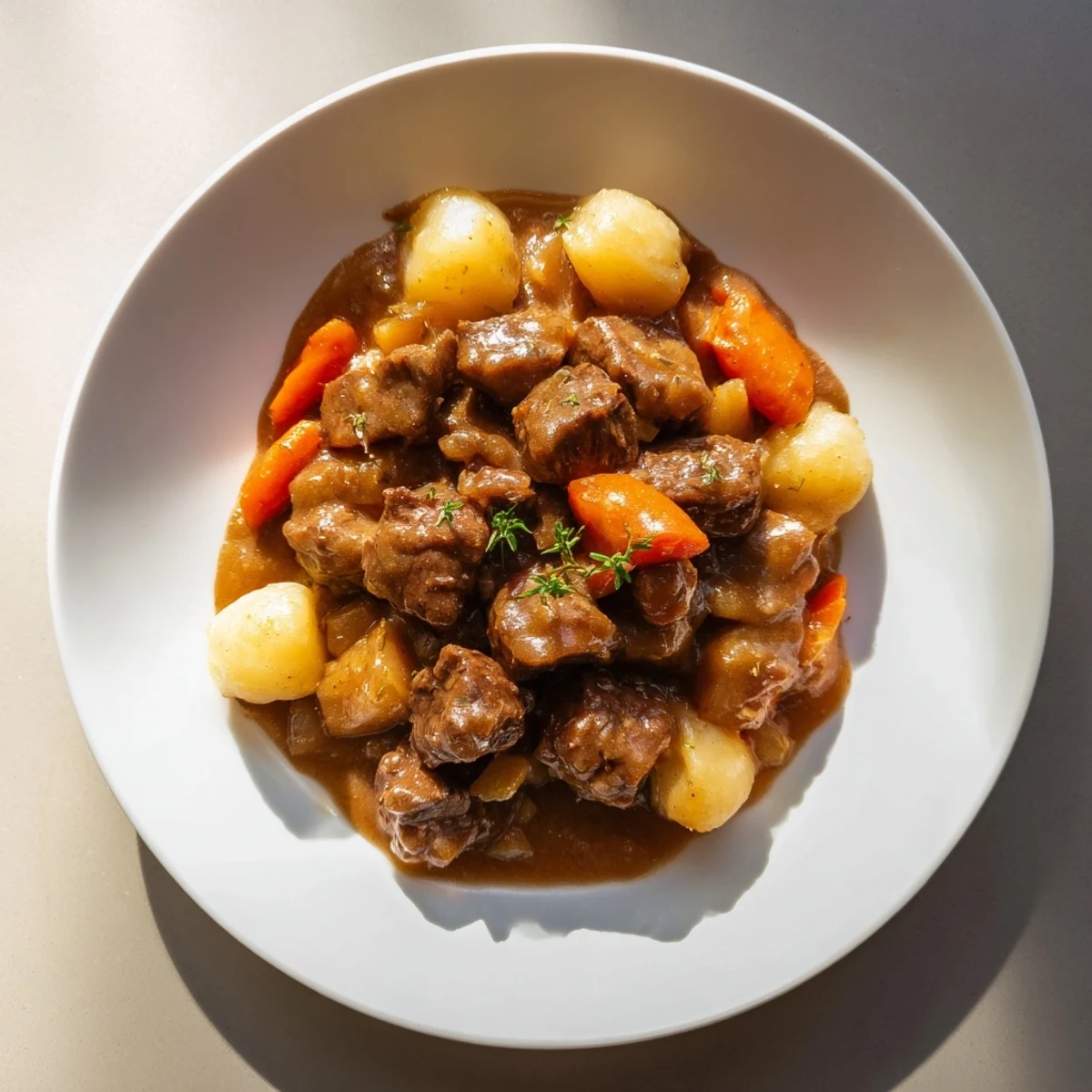
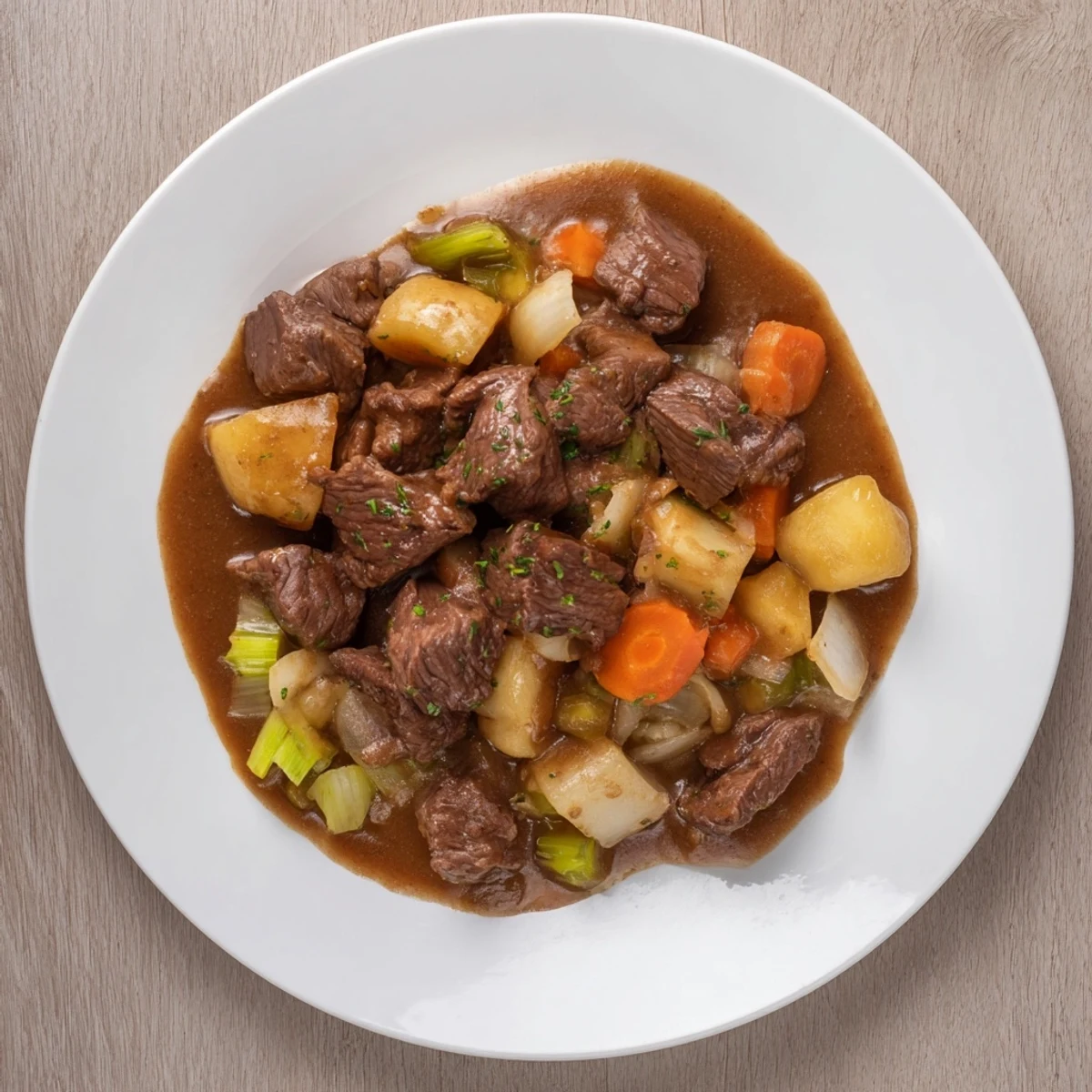
Save This hearty beef with root vegetables brings tender chunks of beef together with onions, carrots, celery, and potatoes simmered in a rich, savory gravy infused with herbs and a splash of red wine. Slow-cooked until melt-in-your-mouth tender, it’s perfect for warming family dinners or cozy evenings. Aromatic thyme, rosemary, and bay leaves deepen the flavor while the thickened sauce enriches every bite. Serve alongside crusty bread or steamed greens to complete the comforting experience.
There's something about the smell of beef browning in a hot pan that makes me forget about the day entirely. My kitchen fills with this deep, umami-rich aroma, and suddenly I'm thinking about nothing but what's coming next. This casserole emerged from one of those rainy Sunday afternoons when I wanted something that would taste like home—the kind of dish that simmers quietly while life happens around it. It's become my answer to almost every craving for real, honest comfort food.
I made this for my dad's birthday dinner years ago when he mentioned, almost offhand, that he'd never had a proper beef casserole. I remember the look on his face when he took that first spoonful—he didn't say much, just kept eating. That meal taught me something important: the best dishes aren't about impressing people with technique; they're about showing up with something warm and real.
Ingredients
- 1.2 kg beef chuck, cut into 4 cm cubes: Chuck is pure gold for casseroles because it breaks down into silky tenderness, and those marbled bits of fat carry all the flavor you need.
- 2 large onions, chopped: They'll soften into the background, thickening the sauce naturally while building the base of everything.
- 3 medium carrots, sliced: Carrots add a gentle sweetness that balances the savory elements and makes each bite feel complete.
- 2 celery stalks, sliced: Celery is the quiet backbone here, adding depth without announcing itself.
- 500 g potatoes, peeled and cubed: These turn into little pockets of starch that soak up all that beautiful gravy.
- 3 cloves garlic, minced: Garlic transforms once it cooks low and slow, becoming almost sweet and mellow rather than sharp.
- 700 ml beef stock: Quality matters here more than anywhere else—it's the foundation of your sauce, so use something you'd actually drink from a cup.
- 400 g canned chopped tomatoes: They add acidity and body, cutting through the richness and keeping everything balanced.
- 180 ml red wine: This is optional in name only; it's where the casserole gets its depth and warmth, so don't skip it unless you must.
- 2 tbsp Worcestershire sauce: It sounds mysterious, but it's just umami in a bottle—use it to make everything taste more like itself.
- 2 bay leaves and dried herbs: These three work together like old friends, adding layers of flavor that build throughout the cooking time.
- 2 tbsp plain flour: The flour coating on the beef helps create that beautiful brown exterior and thickens your sauce as it cooks.
- 3 tbsp olive oil: Split between searing and sautéing, olive oil brings everything together while keeping the cooking temperature just right.
Instructions
- Get your oven ready and prep the beef:
- Set your oven to 160°C and pat those beef cubes completely dry with paper towels—this is the one step that really matters for browning. Toss them in flour, shaking off any excess, because you want a light coating, not a paste.
- Sear the beef until it's golden and gorgeous:
- Heat 2 tbsp olive oil in your casserole dish over medium-high heat until it shimmers, then add beef in batches so you're not crowding the pan. Listen for that satisfying sizzle, and let each piece sit undisturbed for a couple minutes before turning—this is how you get that caramelized crust. Once it's all golden on all sides, move it to a plate.
- Build flavor with the aromatics:
- Add another tablespoon of oil and sauté your onions, carrots, celery, and garlic for about 5 minutes until they soften and start to smell incredible. You're not looking for color here, just tenderness and that moment when your kitchen smells like pure comfort.
- Bring everything together and layer in the flavors:
- Return the beef to the pot, then add the potatoes, tomatoes, stock, wine, Worcestershire, bay leaves, and herbs. Stir everything so it's well combined and the flavors start talking to each other.
- Move it to the oven and let time do the work:
- Bring everything to a simmer on the stovetop first, then cover with a lid and slide the whole dish into the oven. It needs about 2 to 2.5 hours, and roughly halfway through, give it a gentle stir so nothing settles to the bottom.
- Finish strong and taste as you go:
- When the beef is so tender a fork slides through it without any resistance and the sauce has thickened into something rich and glossy, you're done. Fish out those bay leaves, then taste and adjust the salt and pepper until it tastes like home to you.
 Save
Save There was this one time when my friend walked into my kitchen as the casserole was finishing, and she just stood there breathing in that aroma with her eyes closed. When she tasted it, she told me it reminded her of being five years old at her grandmother's table, which was funny because we'd never met before that moment. That's when I realized food like this carries something bigger than just ingredients—it carries permission to slow down and be present with the people you're eating with.
The Right Beef Matters
Beef chuck is where this casserole lives and breathes. It's got enough fat and collagen that it doesn't just get tender—it becomes luxurious, almost melting on your tongue. I've tried leaner cuts out of habit sometimes, and the result is always drier and less forgiving. The beauty of chuck is that it actually improves with longer cooking, so don't be tempted by faster-cooking cuts like sirloin. This dish asks for patience, and chuck rewards it.
Why Low and Slow Beats Everything
160°C is intentionally gentle because high heat can toughen the beef or make the sauce separate. That low oven temperature lets the collagen slowly convert to gelatin, which is what makes the sauce coat your mouth like velvet and the meat practically fall apart. The wine and tomatoes add acidity that keeps everything bright, preventing the richness from ever feeling heavy. It's a dance between ingredients and time, and there's no shortcut that works quite as well.
Making It Your Own
This casserole is forgiving enough to welcome small changes without falling apart. Some people add mushrooms for earthiness, others swap in parsnips for extra sweetness, and I've seen versions with a splash of balsamic vinegar that transforms the whole thing into something deeper. The framework stays the same—good beef, aromatic vegetables, slow cooking—but the details can reflect what your kitchen has and what your mouth craves.
- For gluten-free, swap the flour for cornstarch and use gluten-free Worcestershire sauce, and it tastes just as good.
- If red wine isn't your thing or you need it alcohol-free, replace it with an extra cup of beef stock and maybe a teaspoon of balsamic vinegar for depth.
- Leftovers genuinely improve overnight as the flavors keep developing, so make extra if you can.
 Save
Save There's something quietly powerful about putting a casserole on the table and watching people relax around it. This dish has a way of making an ordinary weeknight feel like occasion enough.
Recipe FAQs
- → What cut of beef works best for this dish?
-
Beef chuck is ideal due to its marbling and tenderness when slow-cooked.
- → Can I skip the red wine?
-
Yes, substitute with extra beef stock for a milder, alcohol-free flavor.
- → How do the herbs affect flavor?
-
Bay leaves, thyme, and rosemary add earthy, aromatic notes that complement the beef and vegetables.
- → What’s the best way to thicken the sauce?
-
Coating the beef in flour before browning and slow cooking helps create a rich, thick gravy.
- → How can this be made gluten-free?
-
Replace plain flour with cornstarch and use gluten-free Worcestershire sauce.