
 Save
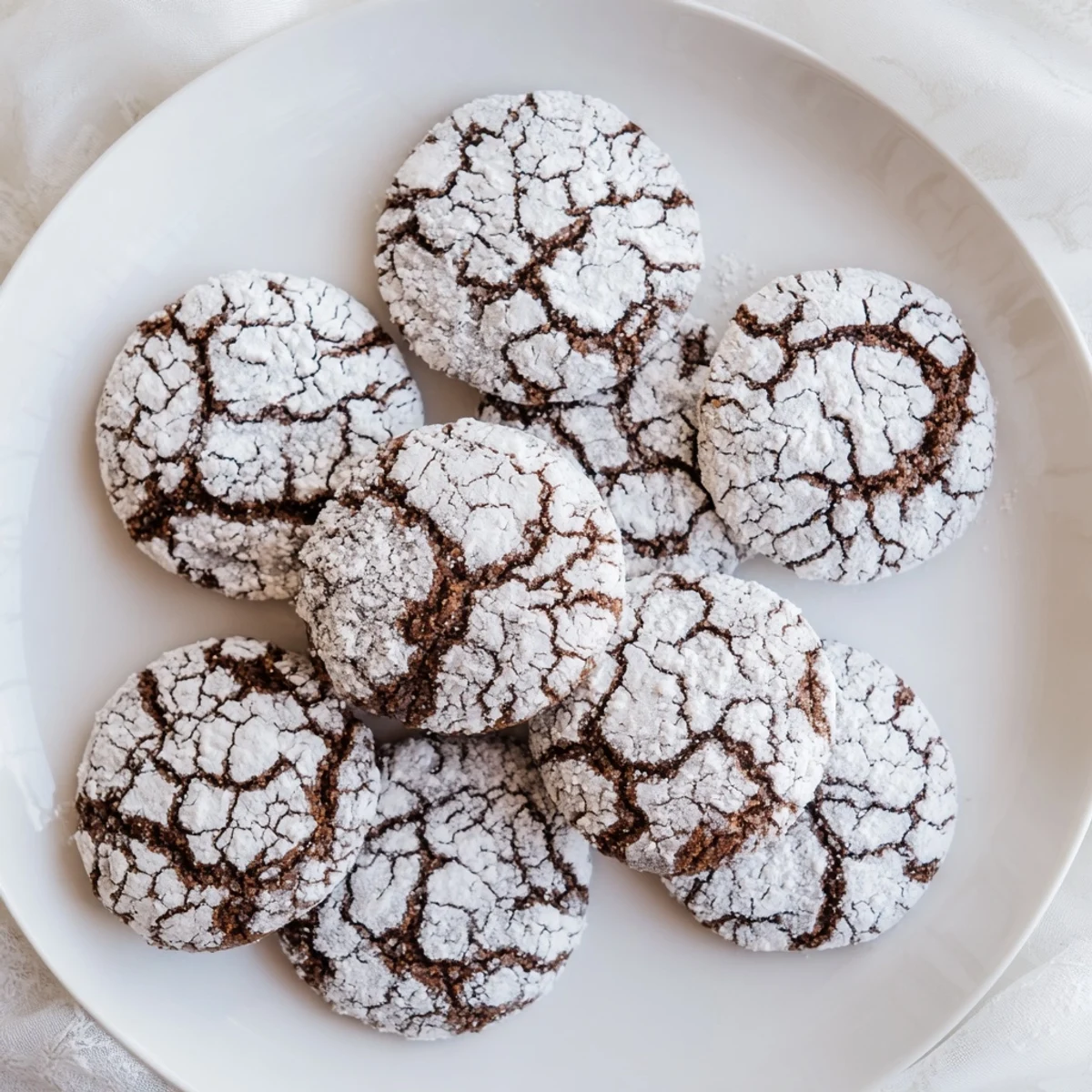
Save These soft gingerbread cookies feature warm spices like ginger, cinnamon, cloves, and nutmeg. The dough requires chilling for 30 minutes before rolling in granulated and powdered sugar. The double-sugar coating creates the signature crinkle effect as they bake, resulting in chewy centers with crisp edges.
The first batch I made disappeared so fast that my roommate actually hid three in a Tupperware behind the cereal boxes just to make sure she got some. That rich molasses scent fills the whole house, something about it just makes December feel real even if there is no snow on the ground yet.
My neighbor texted me at 11pm one night asking what smelled like happiness, and I ended up bringing over a plate while they were still slightly warm. Watching the powdered sugar crack in the oven never gets old, like watching tiny frost patterns form on something sweet and edible.
Ingredients
- 2 1/4 cups all-purpose flour: The structure that holds all those warm spices together, spoon and level it to avoid packing
- 1 tsp baking soda: Creates those beautiful cracks as the cookies rise and spread
- 2 tsp ground ginger: The star of the show, fresh or new jar gives the best kick
- 1 tsp ground cinnamon: Ginger needs this warm backup to really sing
- 1/4 tsp ground cloves: Just enough depth without making it taste like a candle
- 1/4 tsp ground nutmeg: Adds that cozy background note people can never quite place
- 1/4 tsp salt: Wakes up all the spices so they do not taste flat
- 1/2 cup unsalted butter, room temperature: Cold butter creates sad dense cookies, leave it out for at least an hour
- 1/2 cup packed brown sugar: Moisture and molasses flavor in one ingredient
- 1/4 cup unsulphured molasses: The soul of gingerbread, blackstrap is too bitter so stick to mild or fancy
- 1 large egg: Room temp eggs blend better into the butter mixture
- 1 tsp vanilla extract: Pure extract matters here, artificial tastes weird with molasses
- 1/2 cup granulated sugar: First rolling coat helps the powdered sugar stick properly
- 1/2 cup powdered sugar: The snow that creates the signature crinkle effect
Instructions
- Whisk the dry team:
- Combine flour, baking soda, ginger, cinnamon, cloves, nutmeg, and salt in a medium bowl until no lumps remain and the spices look evenly distributed.
- Cream the butter and sugar:
- Beat butter and brown sugar for a full 2 to 3 minutes until it looks pale and fluffy, scraping the bowl once halfway through.
- Add the wet players:
- Pour in molasses, crack in the egg, add vanilla, then beat until the mixture is smooth and glossy, about another minute.
- Bring it together:
- Gradually mix in the dry ingredients on low speed just until no flour streaks show, do not overmix or the cookies get tough.
- Chill out:
- Cover the bowl and refrigerate at least 30 minutes, this step is what keeps them from spreading into flat puddles.
- Heat things up:
- Preheat your oven to 350°F and line two baking sheets with parchment paper while you clear some counter space.
- Scoop and roll:
- Portion dough into tablespoon sized balls, then roll each first in granulated sugar then thoroughly coat in powdered sugar.
- Bake until cracked:
- Space balls 2 inches apart and bake 10 to 12 minutes until set but still soft in the center, the sugar will have formed beautiful cracks.
- Patience pays off:
- Let them sit on the hot pan for 5 minutes before moving to a rack, they are too fragile to move immediately.
 Save
Save Last year I made double batches for three different events, and people started texting me in November asking if the crinkles were coming back. Something about that white sugar against dark spiced dough just makes people happy before they even take a bite.
Getting The Perfect Crinkle
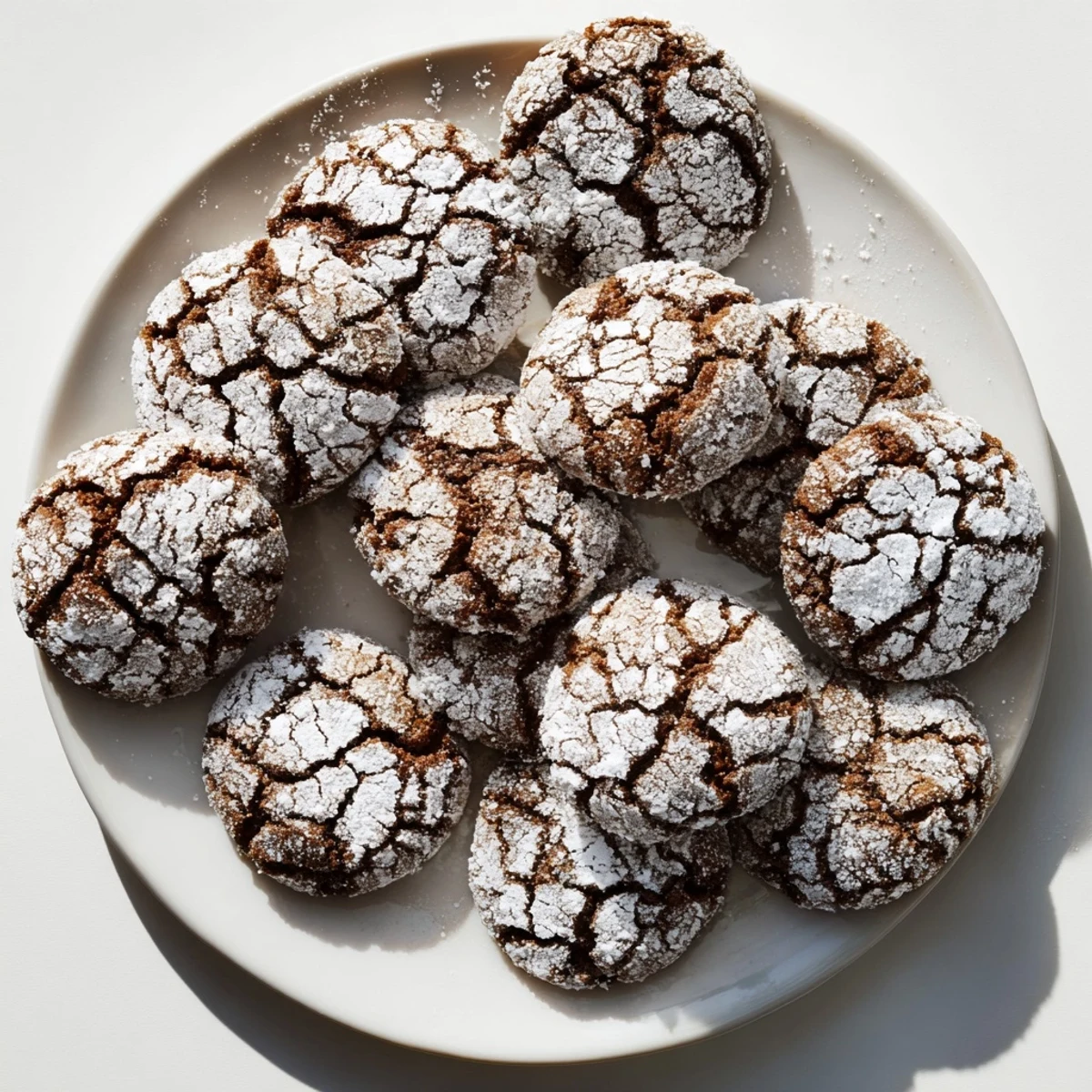
The cracks happen because the powdered sugar layer cannot stretch as the cookie expands in the oven, so it breaks apart showing the dark dough underneath. Make sure your sugar coating is generous and even, thin spots will not crack as dramatically.
Storage And Sharing
These actually taste better on day two when the spices have had time to mellow into the butter. Store in an airtight container with parchment between layers, they stay soft for nearly a week if you can resist eating them all first.
Serving Ideas
These work beautifully for cookie exchanges since they travel well and look impressive stacked on a festive plate.
- Pair with hot chocolate or spiced tea for the ultimate cozy moment
- Package in clear bags tied with ribbon for effortless neighbor gifts
- Crumble over vanilla ice cream for an instant holiday dessert
 Save
Save May your kitchen smell like molasses and may your powdered sugar always crack exactly how it should.
Recipe FAQs
- → Why do gingerbread cookies need to chill?
-
Chilling the dough for at least 30 minutes prevents the cookies from spreading too much in the oven. This helps maintain their shape and ensures the crinkle pattern forms properly during baking.
- → Can I substitute molasses?
-
Molasses provides the authentic gingerbread flavor and deep color. Substituting with honey or maple syrup will alter both taste and texture significantly, so it's best to stick with unsulphured molasses.
- → Why roll in both sugars?
-
The granulated sugar layer helps the powdered sugar adhere to the dough. As the cookies bake, they expand and crack, creating the beautiful crinkle pattern with the powdered sugar showing through.
- → How do I know when they're done?
-
Bake for 10–12 minutes until edges are set but centers remain slightly soft. They will continue cooking on the hot baking sheet, so removing them while slightly underbaked ensures chewy texture.
- → Can I freeze the dough?
-
Yes, scoop the dough into balls and freeze on a baking sheet before transferring to a freezer bag. Roll in sugars just before baking and add 1–2 minutes to the baking time.
- → What makes the crinkle pattern?
-
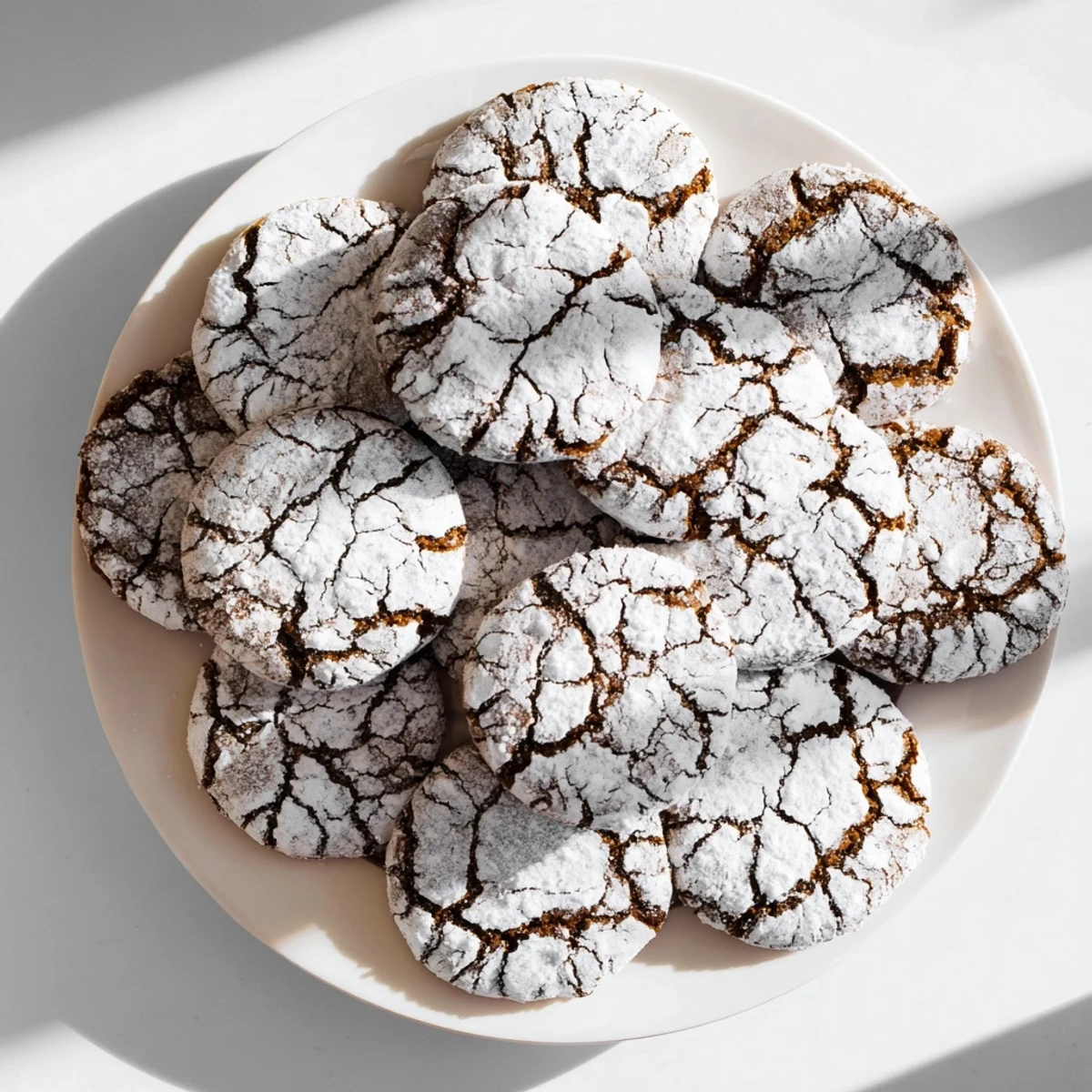
The powdered sugar coating cracks as the dough expands in the oven. The contrast between the dark cookie and white sugar creates the signature crinkle appearance.