
 Save
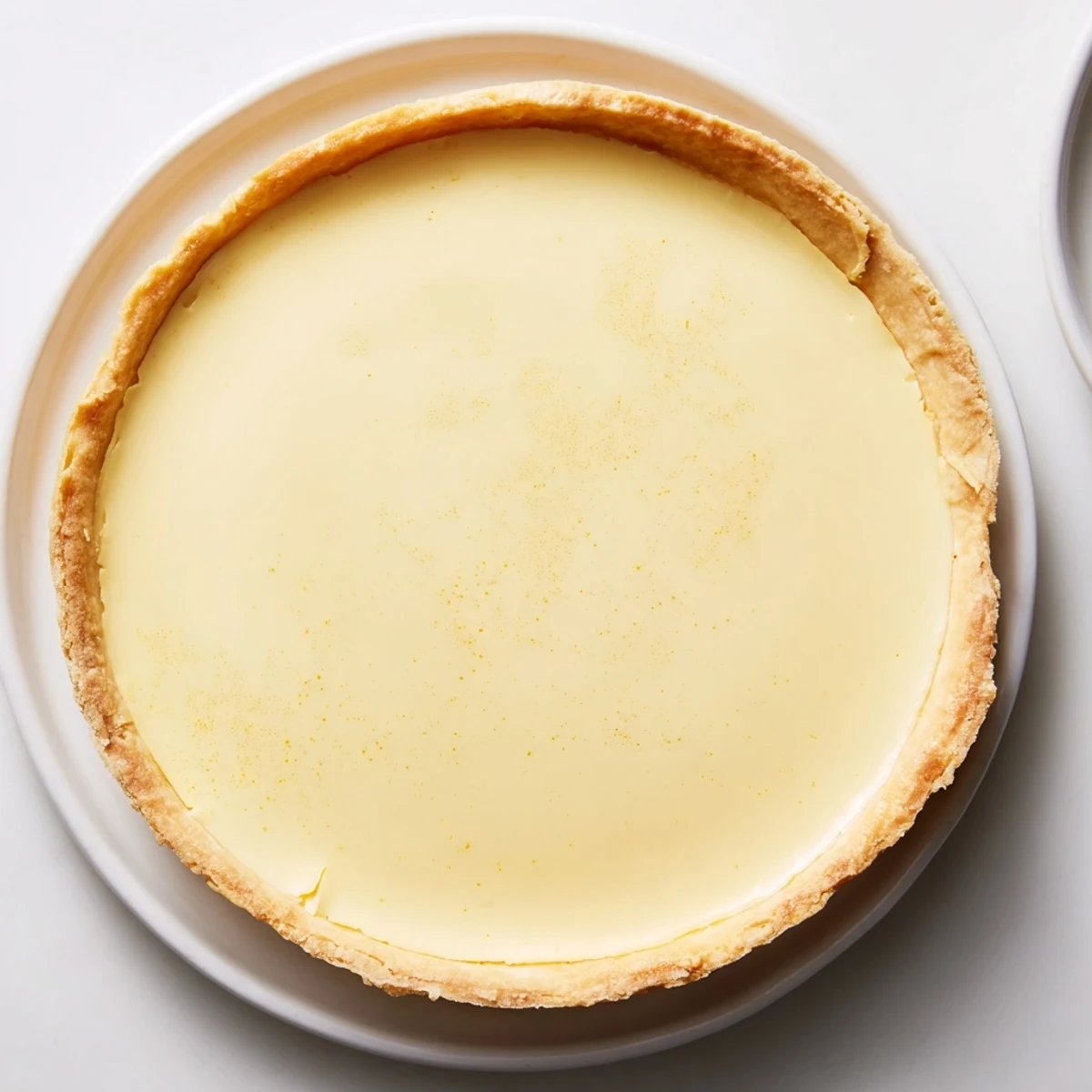
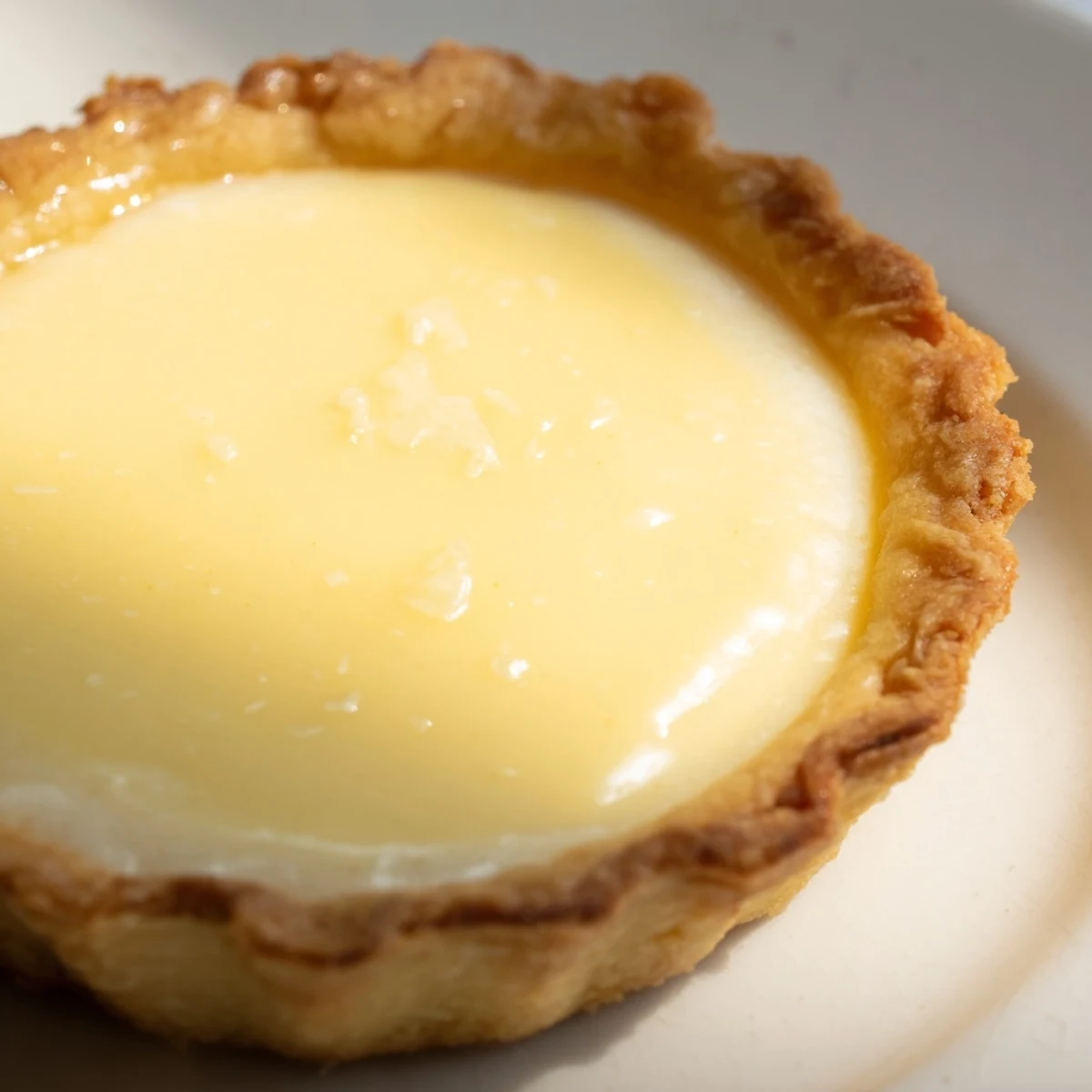
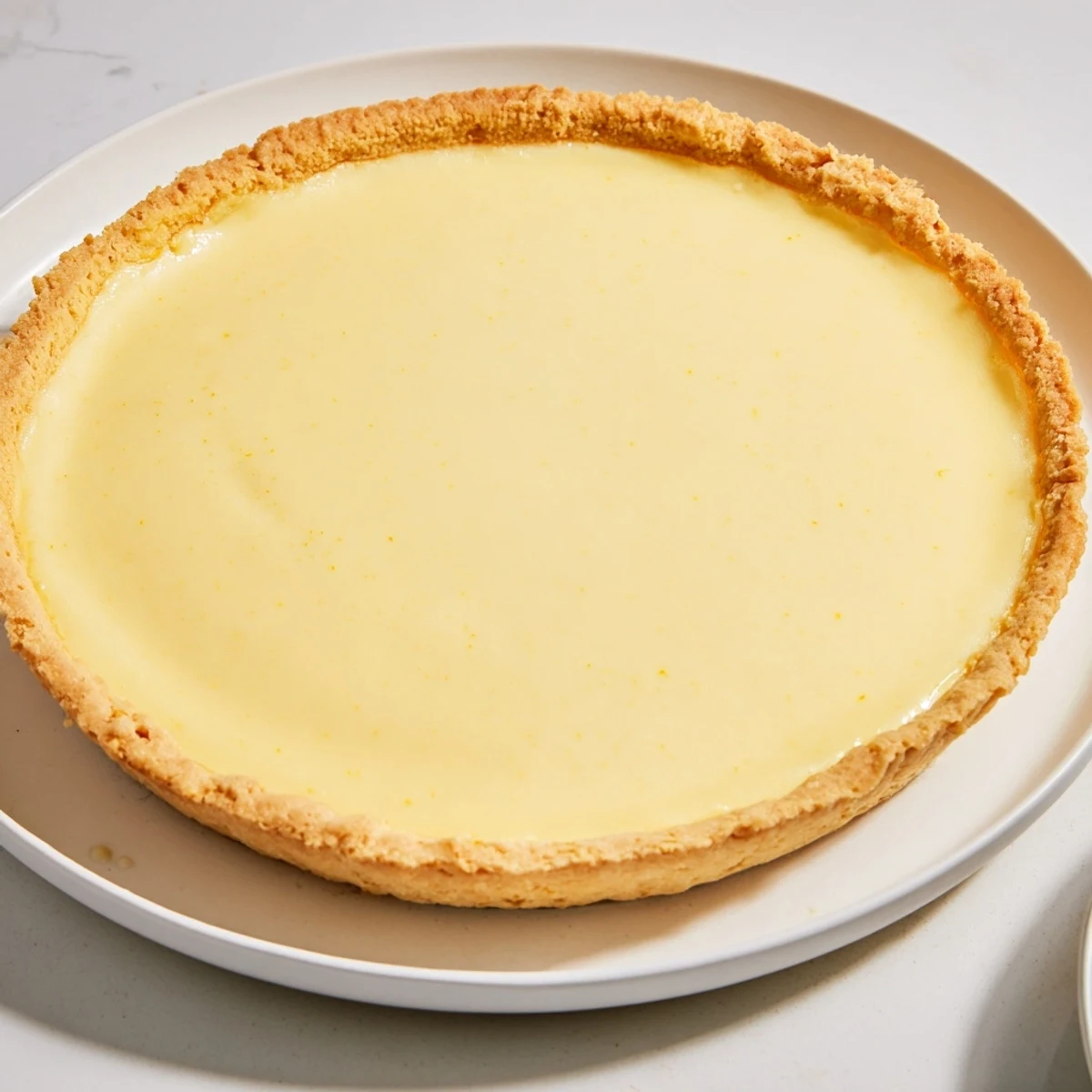
Save This creamy custard tart combines a tender, buttery pastry crust with a smooth, vanilla-infused filling. The crust is prepared by mixing cold butter with flour and sugar to create a flaky base, while the custard is crafted from eggs, milk, cream, and vanilla extract for a rich, silky texture. After pre-baking the crust, the custard is poured in and baked until just set, offering a delicate wobble. Chilling enhances the flavor, making it perfect served with fresh berries or a dusting of powdered sugar.
I still remember the first time I made a proper custard tart at my grandmother's kitchen in Lyon. She stood beside me, guiding my hands as I worked the cold butter into flour, explaining that patience and cold ingredients were the secrets to a truly silky custard filling. That afternoon taught me that some recipes are less about following instructions and more about understanding the gentle dance between pastry and cream. Now, whenever I make this tart, I'm transported back to that warm kitchen filled with the aroma of vanilla and butter browning in the oven.
Years ago, I served this tart at a dinner party where my usually critical neighbor actually came back to the kitchen to ask for the recipe. That moment, watching someone's face light up with pure joy over something I'd made with my own hands, made me understand why French pastry chefs dedicate their lives to perfecting these timeless recipes.
Ingredients
- All-purpose flour (1 1/4 cups): The foundation of your pastry, it needs to be kept cold and handled gently to create those delicate layers that shatter when you bite into them
- Granulated sugar (3/4 cup for custard, 1/4 cup for pastry): This sweetness is essential, but resist the urge to add more as it will overpower the delicate vanilla flavor and make the custard too dense
- Unsalted butter (1/2 cup, cold and cubed): Keep this in the freezer until the last moment before you start, as warm butter is your enemy when making tender pastry
- Egg yolk (1 large): This binds everything and adds richness to your crust without making it tough
- Ice water (2-3 tbsp): The coldness matters more than the exact amount, add just enough so the dough comes together
- Whole milk and heavy cream (2 cups and 1/2 cup): The milk provides the body while the cream adds that luxurious richness that defines a proper custard
- Large eggs (4): Choose room temperature eggs for a smoother custard that sets uniformly throughout the tart
- Pure vanilla extract (2 tsp): Don't compromise on quality here, artificial vanilla will betray your effort, use the real thing
- Cornstarch (1 tbsp): This prevents the custard from becoming grainy and helps it set without curdling, it's a tiny ingredient that makes an enormous difference
- Salt (pinch): Enhances all the flavors subtly, the way a quiet chord makes music complete
Instructions
- Prepare your workspace and oven:
- Start by preheating your oven to 350°F and greasing your 9-inch tart pan. I like to place the pan on a baking sheet, which helps it bake more evenly and makes handling it so much easier when your hands are full of hot ceramic.
- Build your pastry base with cold hands:
- Combine flour, sugar, and salt in a large bowl, then work the cold cubed butter in using just your fingertips. The goal is coarse crumbs that look like breadcrumbs, because those tiny butter pieces create steam pockets that make your crust flaky. If your hands are warm, run them under cold water first.
- Bring the dough together gently:
- Add your egg yolk and 2 tablespoons of ice water, mixing with a fork until the dough just comes together. It should look slightly shaggy at this point, almost reluctant to hold together. If it absolutely won't come together, add just a teaspoon more ice water.
- Chill and rest your dough:
- Shape it into a disk, wrap it in plastic, and place it in the refrigerator for at least 30 minutes. This is where patience becomes flavor, as the gluten relaxes and the butter stays beautifully separated.
- Roll and line with care:
- On a lightly floured surface, roll your dough to about 1/8-inch thickness. Work gently and rotate it as you go, letting the dough relax if it springs back. Line your tart pan, let the excess hang over the edge, then trim it flush with a sharp knife. Prick the base with a fork in a random pattern.
- Blind bake for structure:
- Line your pastry with parchment paper and fill with baking weights or dried beans, creating an even layer. Bake for 15 minutes until the sides are set, then remove the weights carefully and bake another 10 minutes until lightly golden. The pastry should look like it's starting to color but not quite committed to being brown yet.
- Create your custard mixture:
- In a medium bowl, whisk your eggs, sugar, and cornstarch together until completely smooth and pale, about 2 minutes of whisking. This is important because cornstarch lumps will ruin your silky texture.
- Temper with heat carefully:
- Heat your milk and cream in a saucepan until you see the first tiny bubbles forming around the edges, never let it boil. Slowly pour this hot liquid into your egg mixture while whisking constantly, as if you're coaxing rather than forcing the two together. Add your vanilla extract and whisk until uniform.
- Fill and bake to perfection:
- Pour the custard into your pre-baked shell. Bake for 20 to 25 minutes, watching carefully after minute 18. The custard should look just barely set when you gently shake the pan, with a slight wobble in the very center. This wobble will continue cooking as it cools.
- Cool with patience and refrigerate:
- Allow the tart to cool completely at room temperature, then refrigerate for at least 2 hours before slicing. This chill time lets the flavors meld and the custard become properly silky.
 Save
Save My sister brought her new partner home for Easter dinner, and I made this tart for dessert. Watching them taste it together, seeing that moment of surprise and recognition when they realized this wasn't just any custard but something made with care, reminded me why I love cooking. It's never just about the food, it's about creating those small moments of connection.
The Art of Perfect Pastry
The secret to pastry that's truly exceptional lies in understanding that cold equals flaky and warm equals tough. Every step of the way, from keeping your butter cold to using ice water to chilling the dough, you're protecting those tiny pockets of butter that will create steam and lift your pastry. I learned this lesson the hard way after burning through a dozen tarts with tough, dense crusts. The moment I started treating the cold like a precious ingredient rather than just a convenient temperature, everything changed. Think of making pastry like a meditation where slowness and respect for the ingredients matter more than speed.
Mastering the Custard
Custard is a study in balance and attention. The combination of eggs, cream, and milk creates a texture that's neither too firm nor too loose, and hitting that exact middle is where the magic happens. I learned to trust my instincts in the kitchen by paying attention to how the custard looked and moved rather than just watching the clock. When you pour your hot cream into the whisked eggs, you're doing something called tempering, which is honestly just a fancy way of gradually raising the egg temperature so it doesn't seize up and turn into scrambled eggs. The cornstarch acts as insurance, preventing the eggs from overdoing it and adding a subtle silkiness that cream alone can't quite achieve.
Serving and Sharing This Special Dessert
This tart is at its absolute best when served with fresh berries scattered on top or a delicate dusting of powdered sugar that looks like fresh snow. I've also discovered that a light sprinkling of ground cinnamon or nutmeg adds a subtle warmth that feels especially nice in autumn. For those moments when you want to make it even more special, serve each slice with a small dollop of lightly whipped cream on the side, letting people decide if they want extra richness.
- Fresh raspberries or strawberries scattered on top add brightness and a little tartness that balances the sweetness beautifully
- If you're making this ahead for guests, assemble it with the berries just before serving to keep the pastry crisp
- A tiny pinch of powdered sugar dusted over the whole tart just before serving makes it look professionally made
 Save
Save There's something deeply satisfying about serving a tart that looks like it came from a French patisserie but came from your own oven. Each time you make this, you'll find yourself getting a little better at reading the signs, trusting your instincts, and understanding that the best desserts are made with patience and respect for the craft.
Recipe FAQs
- → How do I achieve a flaky pastry crust?
-
Use cold, cubed butter rubbed into the flour until crumbly, and handle the dough gently to prevent gluten development, ensuring a tender, flaky crust.
- → What is the best way to prevent the custard from curdling?
-
Temper the eggs by slowly adding warm milk and cream while whisking continuously, then bake gently to keep the custard smooth and silky.
- → Can I add spices to enhance the filling?
-
Yes, a pinch of nutmeg or ground cinnamon added to the custard adds a warm, subtle spice note.
- → How long should the tart cool before serving?
-
Allow the tart to cool completely, then refrigerate for at least 2 hours to let the filling set and flavors meld.
- → Are there any tips for pre-baking the crust?
-
Line the crust with parchment and baking weights to prevent puffing, bake until lightly golden, then remove weights to finish baking for a crisp base.