
 Save
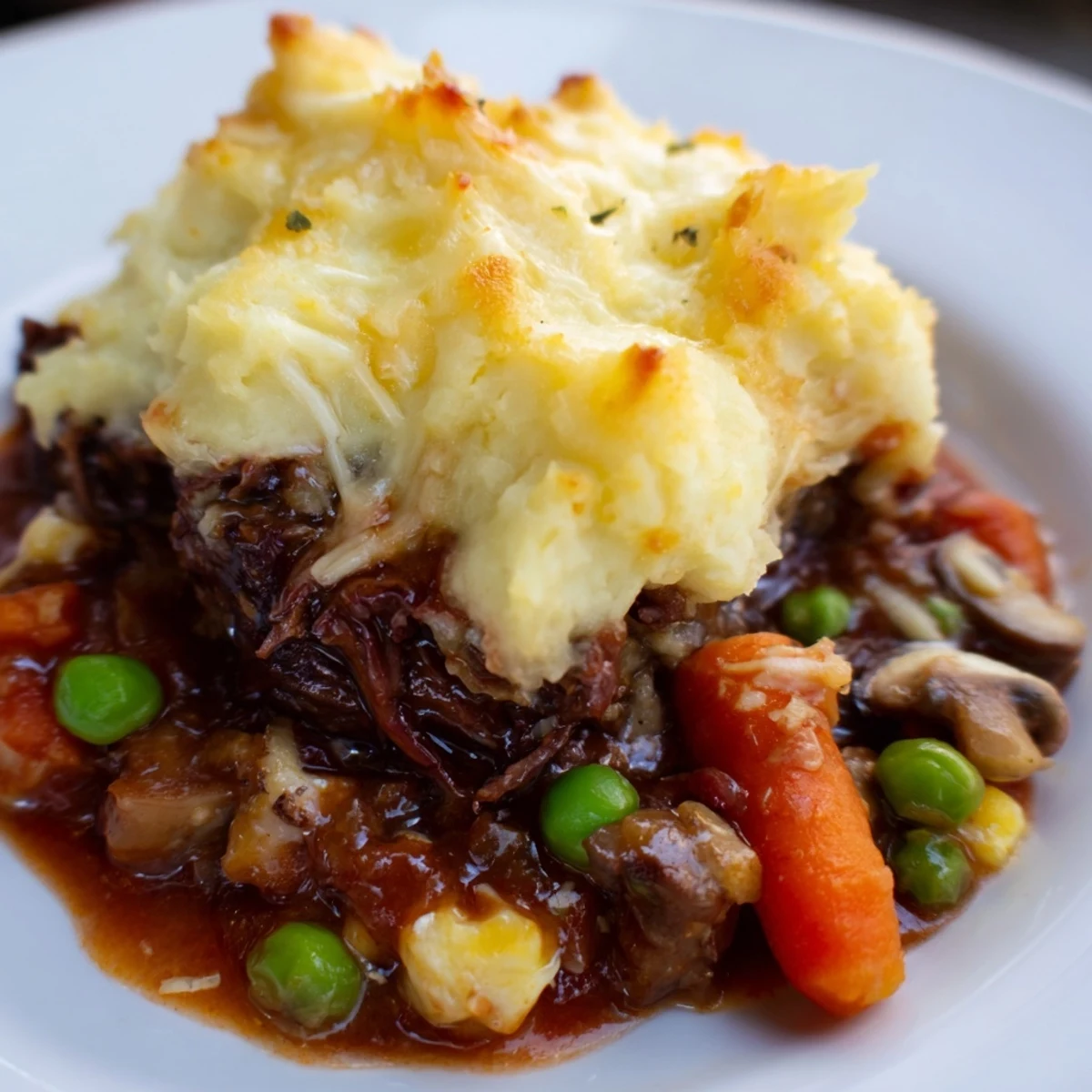
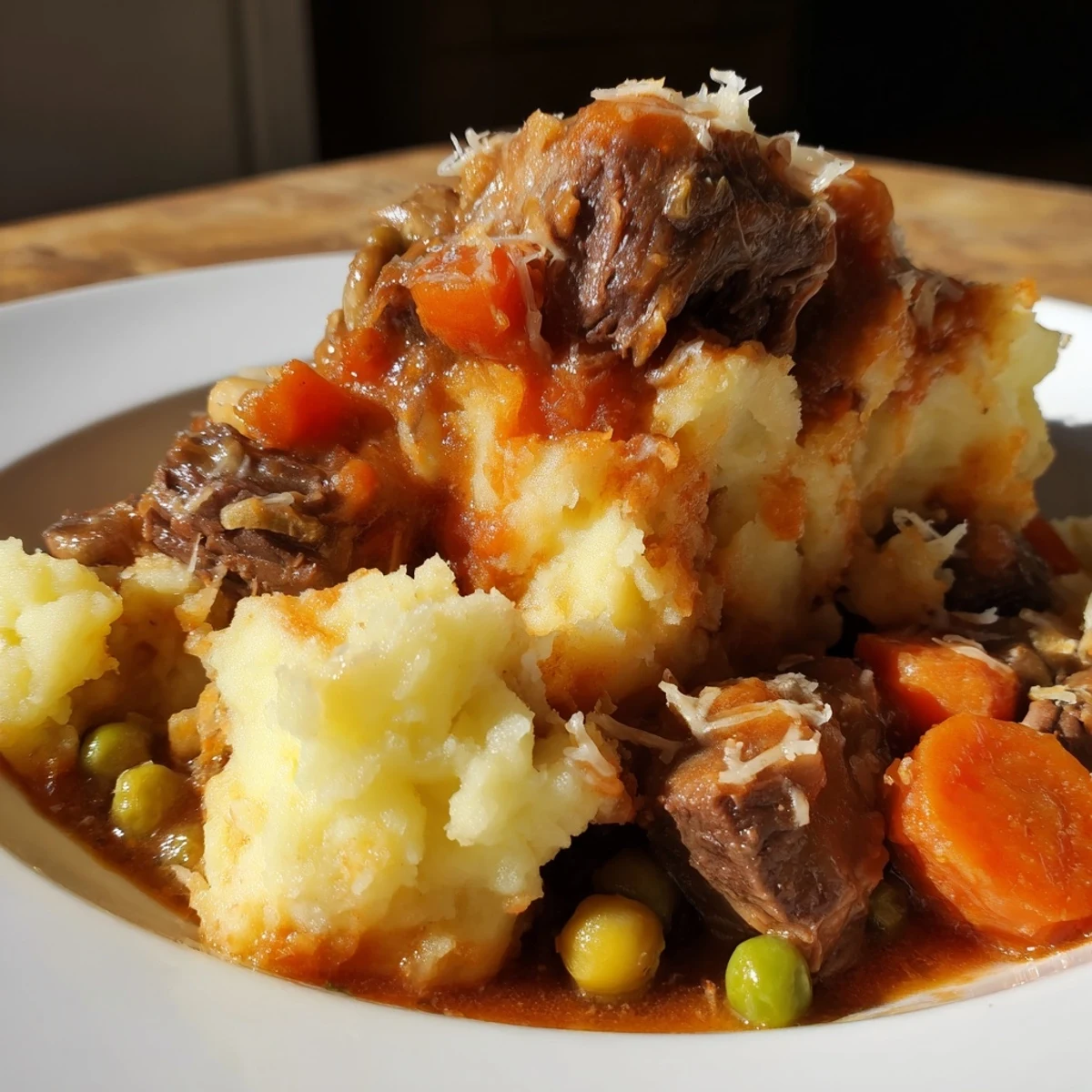
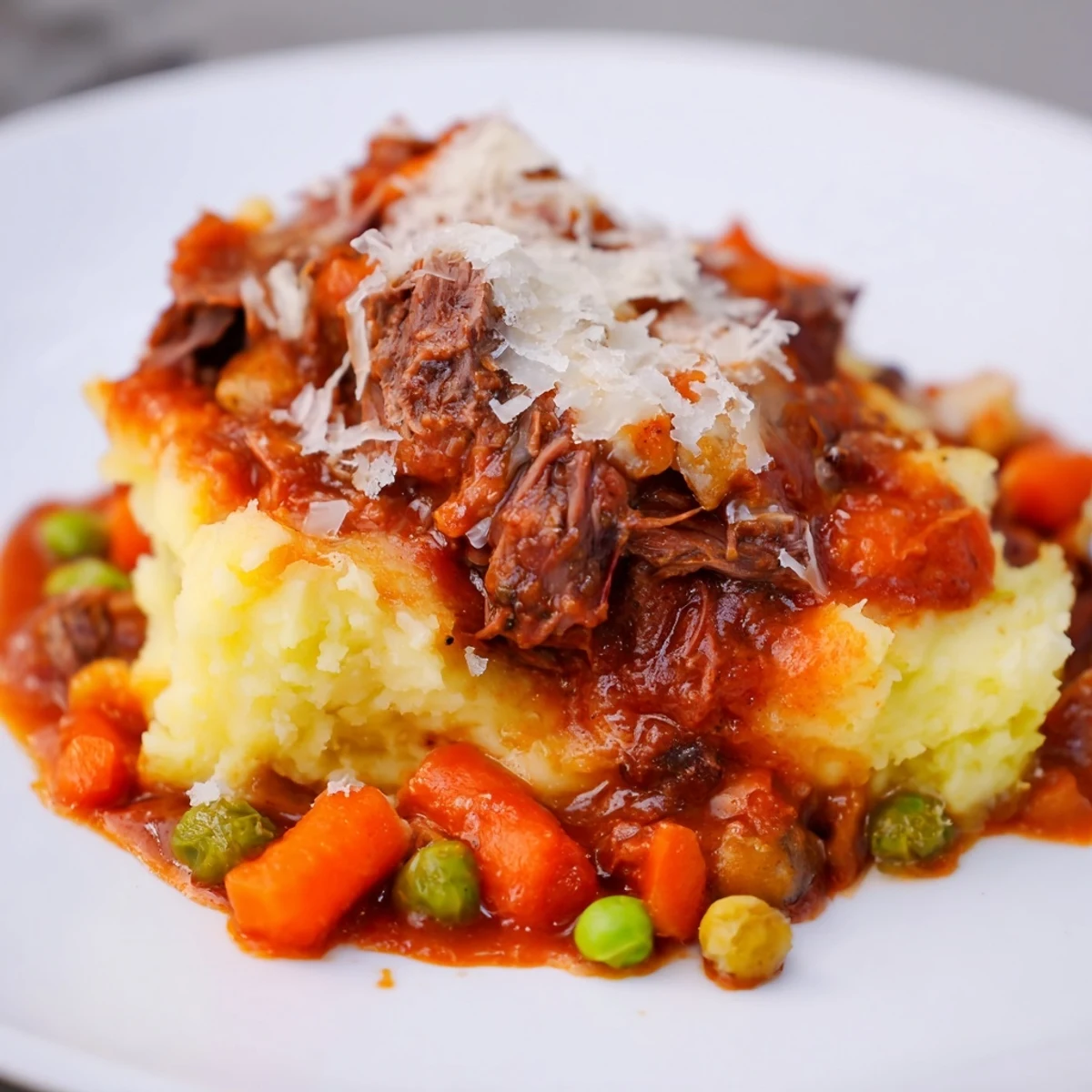
Save This dish features tender braised lamb cooked slowly with aromatic vegetables like carrots, celery, and onions. Peas, mushrooms, and parsnips add layers of flavor to the rich filling. A creamy, buttery mashed potato topping is spread over the savory mixture and baked until golden and bubbling, creating a comforting, rustic main plate perfect for family dinners or special occasions.
The first time I made shepherd's pie properly, my kitchen smelled like my grandmother's house on Sunday evenings—that rich, slow-cooked aroma of lamb and herbs that somehow makes everything feel safe. I'd attempted the quick version with ground lamb for years, but braising lamb shoulder transformed this humble dish into something altogether more luxurious. Now it's my go-to when winter feels endless and everyone needs something deeply satisfying on the table.
Last February, after a particularly brutal week, I invited three friends over for what I called 'proper Sunday dinner.' We sat around the table for three hours, scraping our bowls and discovering that shepherd's pie tastes even better when someone else is doing the dishes.
Ingredients
- 2 lbs boneless lamb shoulder: Shoulder has enough marbling to become meltingly tender during braising—buy from a butcher if you can, the quality difference is noticeable
- 2 tbsp olive oil: You'll need this for getting a good sear on the lamb, which creates flavor compounds that carry through the entire dish
- 1 large yellow onion: Finely chopped so it nearly dissolves into the sauce foundation
- 2 carrots and 2 celery stalks: Dice these small so they soften completely but don't disappear entirely
- 3 garlic cloves: Minced fresh, never jarred—the sharp edge mellows beautifully in the braise
- 2 tbsp tomato paste: Concentrated umami that deepens the sauce's color and richness
- 1 cup dry red wine: Use something drinkable—it doesn't need to be expensive, but it does need to taste good in a glass
- 2 cups beef or lamb stock: Homemade stock is ideal, but a good-quality boxed stock works perfectly fine
- 2 tsp fresh thyme leaves: Fresh herbs make a difference here, though 1 tsp dried thyme will work in a pinch
- 1 bay leaf: The quiet backbone of the braise—remove it before assembling but don't skip it
- 1 cup each frozen peas, diced parsnips, sliced mushrooms: These additions bring texture and sweetness that balance the rich lamb
- 1 tbsp Worcestershire sauce: The secret savory note that pulls everything together
- 2.5 lbs Yukon Gold potatoes: Yukon Golds mash creamier than Russets, but either will work perfectly
- 4 tbsp unsalted butter: Room temperature, so it melts evenly into the hot potatoes
- 1/2 cup whole milk: Warmed gently so it doesn't cool down your potatoes when you add it
- Salt and white pepper: White pepper keeps the mashed potatoes pristine looking
- 1/4 cup grated Parmesan: Optional, but adds a lovely savory edge to the potato crust
Instructions
- Sear the lamb until golden:
- Heat 2 tbsp olive oil in your Dutch oven over medium-high heat until it shimmers. Pat the lamb cubes completely dry with paper towels—this is crucial for proper browning. Season generously with salt and pepper, then sear in batches without crowding the pot. You want deep mahogany color on all sides, about 3-4 minutes per batch. Set aside on a plate, leaving all those gorgeous browned bits in the pot.
- Build the aromatic foundation:
- Add the onion, carrots, and celery to the same pot. Cook for about 5 minutes until softened and fragrant, scraping up the browned bits from the bottom. Add the garlic and cook for just 1 minute more—you want it softened, not browned. Stir in the tomato paste and cook for 2 minutes, until it darkens slightly and smells sweet and concentrated.
- Deglaze and begin the braise:
- Pour in the red wine and let it bubble vigorously, scraping up every last bit of flavor from the pot bottom. Let it reduce by half, about 3-4 minutes. Return the lamb and any accumulated juices back to the pot. Add the stock, thyme, bay leaf, and a good pinch of salt and pepper. Bring everything to a boil, then lower the heat, cover, and let it simmer gently for 1 hour. Stir occasionally and check that it's at a slow bubble, not a violent boil.
- Add the remaining vegetables:
- Remove and discard the bay leaf. Stir in the peas, parsnips or turnips, mushrooms, and Worcestershire sauce. Simmer uncovered for 10-15 minutes more, until the vegetables are tender and the sauce has thickened enough to coat a spoon. Taste and adjust the seasoning—this is your moment to get the seasoning exactly right before it goes under the potatoes.
- Make the creamy potato topping:
- While the lamb finishes simmering, boil your potato chunks in generously salted water until fork-tender, about 15-20 minutes. Drain well and return to the hot pot for a minute to steam off excess moisture. Mash with the butter, warmed milk, salt, and white pepper until completely smooth. Stir in the Parmesan if using—it should be silky and spreadable, not stiff.
- Assemble and bake until golden:
- Heat your oven to 375°F and transfer the lamb mixture to a 9x13-inch baking dish. Spread the mashed potatoes evenly over the top, right to the edges. Use a fork to create decorative peaks—these will get wonderfully crispy and golden. Bake for 30-35 minutes until the filling is bubbling up around the edges and the potatoes are spotted with brown. For extra crunch, broil for 2-3 minutes at the very end, watching closely so it doesn't burn.
- Let it rest before serving:
- This step requires patience but makes all the difference. Let the shepherd's pie rest for 10 minutes before serving. The filling will thicken slightly and become easier to scoop into neat portions.
 Save
Save My partner's father, who grew up in rural England, took one bite and quietly said, 'This is proper.' Coming from him, that was the highest compliment imaginable.
Making It Ahead
Assemble the entire shepherd's pie up to 24 hours before baking, but don't bake it yet. Cover tightly with foil and refrigerate. When you're ready, add 10-15 minutes to the baking time since everything will be cold. The flavors actually improve overnight.
Choosing Your Wine
The wine you cook with matters, but it doesn't need to be expensive. A $12-15 bottle of something drinkable—a Syrah, Cabernet Sauvignon, or any full-bodied red—will work beautifully. Avoid anything labeled 'cooking wine' which is loaded with salt and additives.
Getting The Perfect Potato Crust
The fork-ridge technique isn't just for looks—those crispy peaks are everyone's favorite part. For even more golden goodness, brush the top with a little beaten egg before baking. Just don't make the potato layer too thick or it won't heat through properly.
- If your potatoes seem too stiff, add another tablespoon of warm milk before spreading
- Make sure the lamb filling isn't too liquidy before adding the potatoes
- Broil only at the very end and watch it like a hawk—the difference between golden and burned is about 30 seconds
 Save
Save There's something profoundly satisfying about a dish that rewards patience with such deep, layered comfort. This is the kind of food that makes a house feel like home.
Recipe FAQs
- → What cut of lamb works best for braising?
-
Boneless lamb shoulder is ideal as it becomes tender and flavorful when cooked slowly over low heat.
- → Can I prepare the filling in advance?
-
Yes, the filling can be made up to 24 hours ahead and refrigerated before assembling and baking.
- → What vegetables complement the lamb filling?
-
Carrots, celery, onions, peas, mushrooms, and parsnips or turnips add texture and depth to the dish.
- → How do I achieve a golden potato topping?
-
Using butter in the mashed potatoes and baking until the top is bubbling helps develop a golden crust; finishing under the broiler adds extra browning.
- → Can I substitute ground lamb for cubed lamb?
-
Yes, ground lamb can be used to speed up cooking, though the texture will be different from cubed pieces.