
 Save
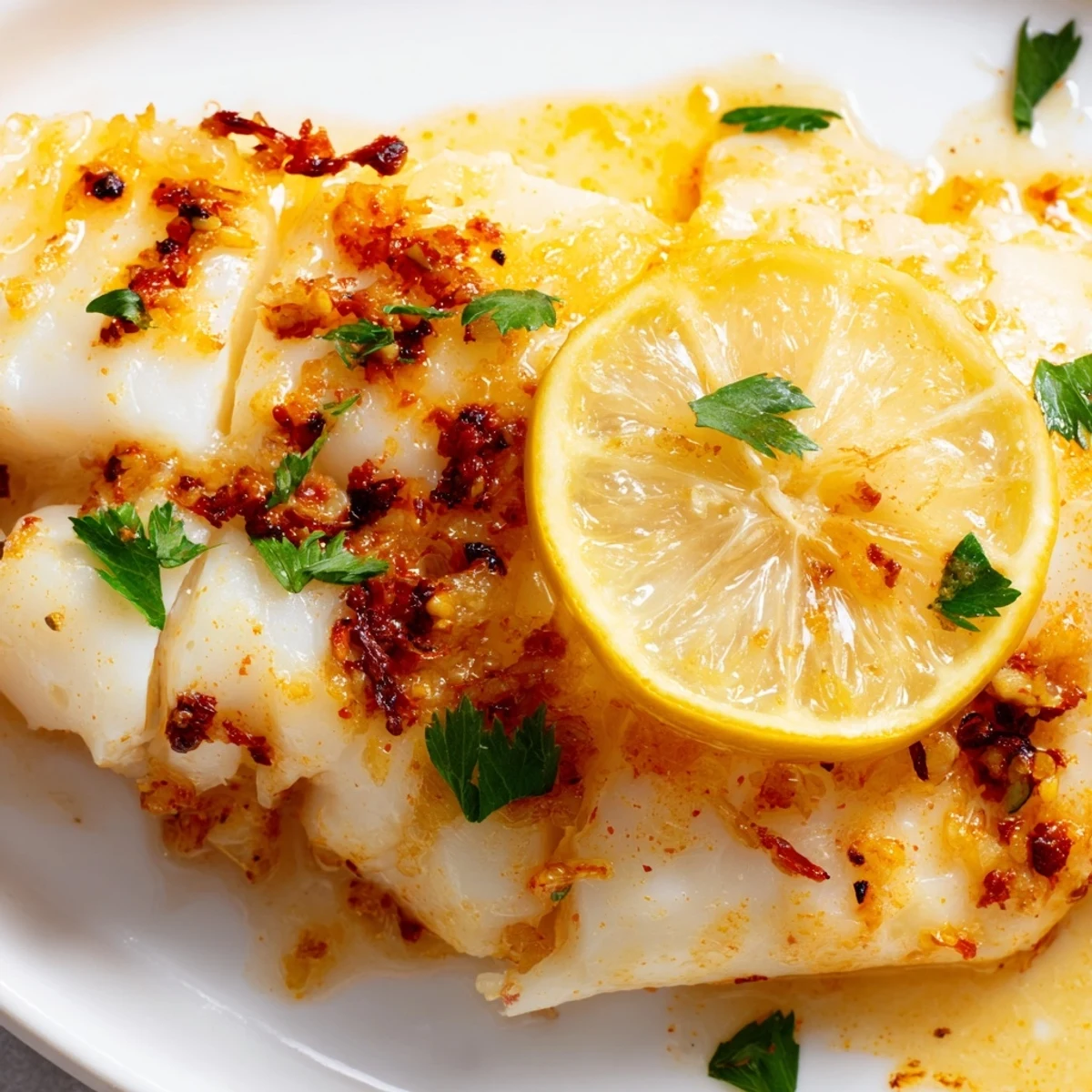
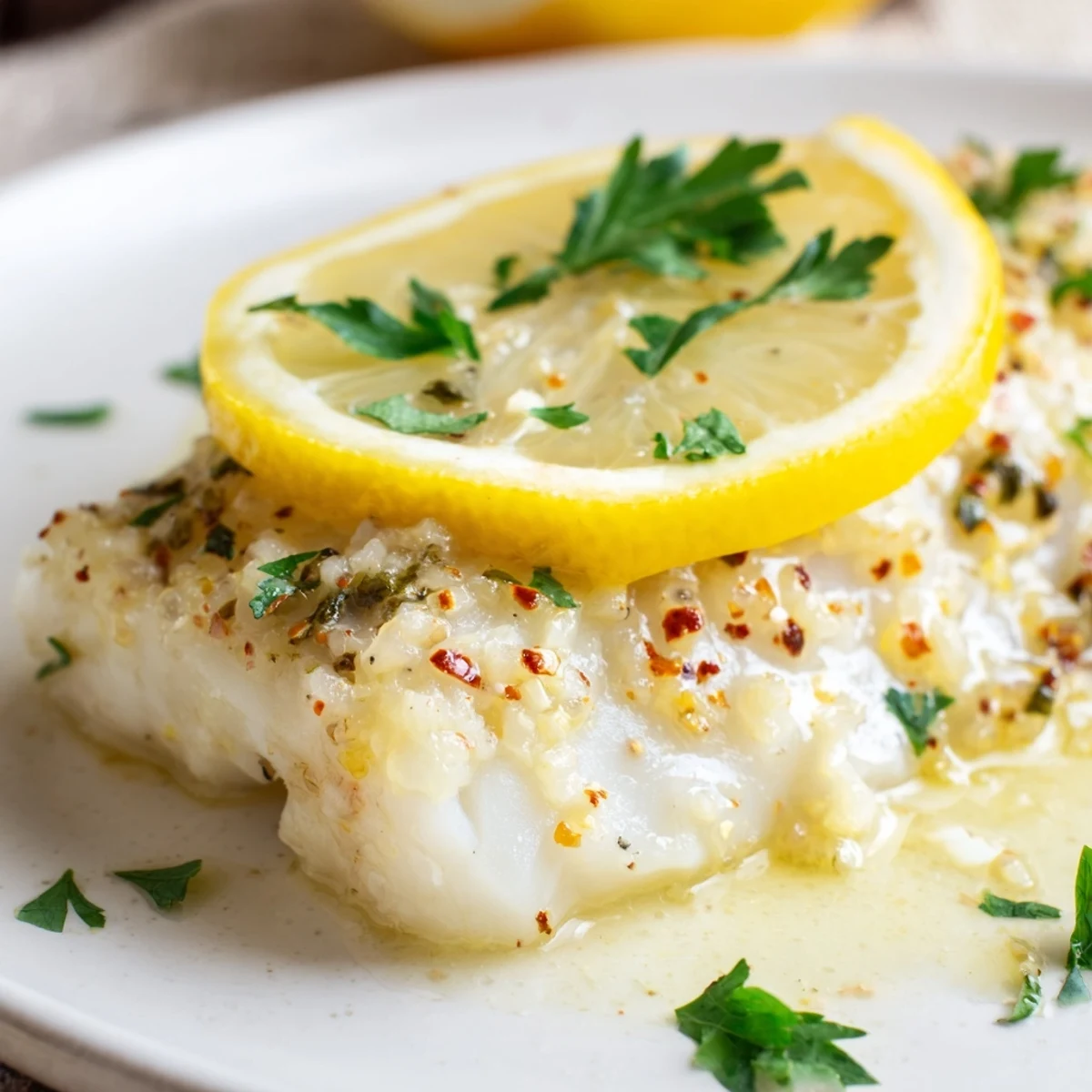
Save This baked fish features tender white fillets seasoned with salt and pepper, then topped with a bright lemon butter sauce made from melted butter, fresh lemon juice, zest, garlic, parsley, and optional paprika. Baked until flaky and garnished with lemon slices and parsley, it’s ideal for a quick, elegant meal. Variations include using salmon or trout and pairing with steamed vegetables or quinoa for a gluten-free option.
There's something about the smell of lemon and butter hitting a hot oven that makes everything feel worth doing. I stumbled onto this baked fish recipe on a Tuesday when I had maybe twenty minutes between work and a friend coming over, and I needed something that tasted like I'd put actual thought into dinner. That first time, I was nervous about overcooking the fish, but something about the butter and bright lemon juice made it nearly impossible to mess up. Now it's become my go-to when I want to feel like I'm cooking something elegant without the stress.
I remember my mom watching me make this for the first time at her kitchen counter, skeptical that something so simple could taste good. When we pulled it out of the oven and the smell filled the whole house, she laughed and asked why I didn't make it more often. That's when I realized it wasn't about complexity—it was about knowing exactly which flavors belong together.
Ingredients
- White fish fillets (cod, haddock, or tilapia): Four fillets around 150 grams each give you a proper serving without overwhelming the delicate sauce.
- Unsalted butter: Use real butter here—it's the backbone of the sauce and worth the investment.
- Fresh lemon juice and zest: This is where the brightness lives, so squeeze your own lemon and don't skip the zest.
- Minced garlic: Two cloves is plenty; garlic should whisper, not shout.
- Fresh parsley: The chopped herb at the end brings color and a fresh note that ties everything together.
- Salt, black pepper, and paprika: Simple seasonings that let the fish and lemon shine without competing.
Instructions
- Get your oven ready and prep your dish:
- Heat the oven to 200°C (400°F) and line your baking dish with parchment paper or a light coating of oil. This takes two minutes but saves you from scrubbing later.
- Dry and season the fish:
- Pat each fillet with paper towels until it feels almost dry—this helps everything cook evenly and lets the seasoning stick. Sprinkle salt and pepper on both sides.
- Arrange the fillets:
- Lay them in a single layer in your prepared dish, leaving a little space between each one so heat can circulate.
- Make the lemon butter sauce:
- In a small bowl, whisk together melted butter, fresh lemon juice, lemon zest, minced garlic, and parsley. If you're using paprika, add it now.
- Coat the fish:
- Pour the sauce evenly over each fillet, letting it pool slightly in the dish. Top each piece with a thin lemon slice.
- Bake until done:
- Slide into the oven for 15 to 20 minutes—the fish will go from slightly opaque to completely white and should flake easily with a fork when it's ready.
- Finish and serve:
- Remove from the oven, scatter the extra parsley on top, and serve right away while everything is still warm.
 Save
Save The first time I made this for someone I was trying to impress, I was so focused on not burning it that I almost missed the moment when they took their first bite and just went quiet. That silence, followed by a genuine compliment, meant more than any fancy recipe ever could. It taught me that sometimes the simplest dishes are the ones people actually remember.
Fish Selection Matters
Cod and haddock are classic choices because they're mild, flake beautifully, and don't overpower the lemon sauce. Tilapia is budget-friendly and forgiving if you're still nervous about timing. Salmon and trout work too, but they're richer and will change the flavor profile slightly—not bad, just different. Buy from a fishmonger if you can; they'll tell you what came in that morning and how long it's been since they got it.
Making This Dish Your Own
The beauty of this recipe is how easily it adapts to what you have or what you're craving. Some nights I add a pinch of paprika for warmth, other nights I skip it entirely. I've thrown capers on top for a briny kick, dropped a few olives into the sauce, or scattered pine nuts for texture. The lemon and butter are non-negotiable, but everything else is fair game for experimentation.
What to Serve Alongside
This dish begs for something light and clean on the side. Roasted asparagus soaks up the lemon butter beautifully, steamed green beans keep things simple, or a quick arugula salad with a squeeze of lemon cuts through the richness. Quinoa is perfect if you want something more substantial, and buttered new potatoes turn this into real comfort food. The key is picking sides that don't compete with the delicate fish.
- A crisp white wine like Sauvignon Blanc or Pinot Grigio will make the meal feel special without any extra work.
- Serve immediately after taking it out of the oven, because fish doesn't stay warm or appealing for long.
- Leftover fish tastes good cold the next day, flaked into a salad or scattered over toast.
 Save
Save This recipe has earned its place in my rotation because it never disappoints and it tastes like you cared. That's really all cooking is about.
Recipe FAQs
- → What type of fish is best for this dish?
-
White fish fillets like cod, haddock, or tilapia work well due to their mild flavor and flaky texture.
- → Can other fats replace butter in the sauce?
-
Butter is preferred for richness and flavor, but olive oil can be used for a lighter variation.
- → How do I know when the fish is cooked?
-
The fish is done when it becomes opaque and flakes easily with a fork.
- → Is it possible to prepare this dish gluten-free?
-
Yes, this dish is naturally gluten-free, especially when served with gluten-free sides like quinoa or steamed vegetables.
- → What herbs complement the lemon butter sauce?
-
Fresh parsley adds a bright, herbal note that balances the lemon’s acidity and butter’s richness.