
 Save
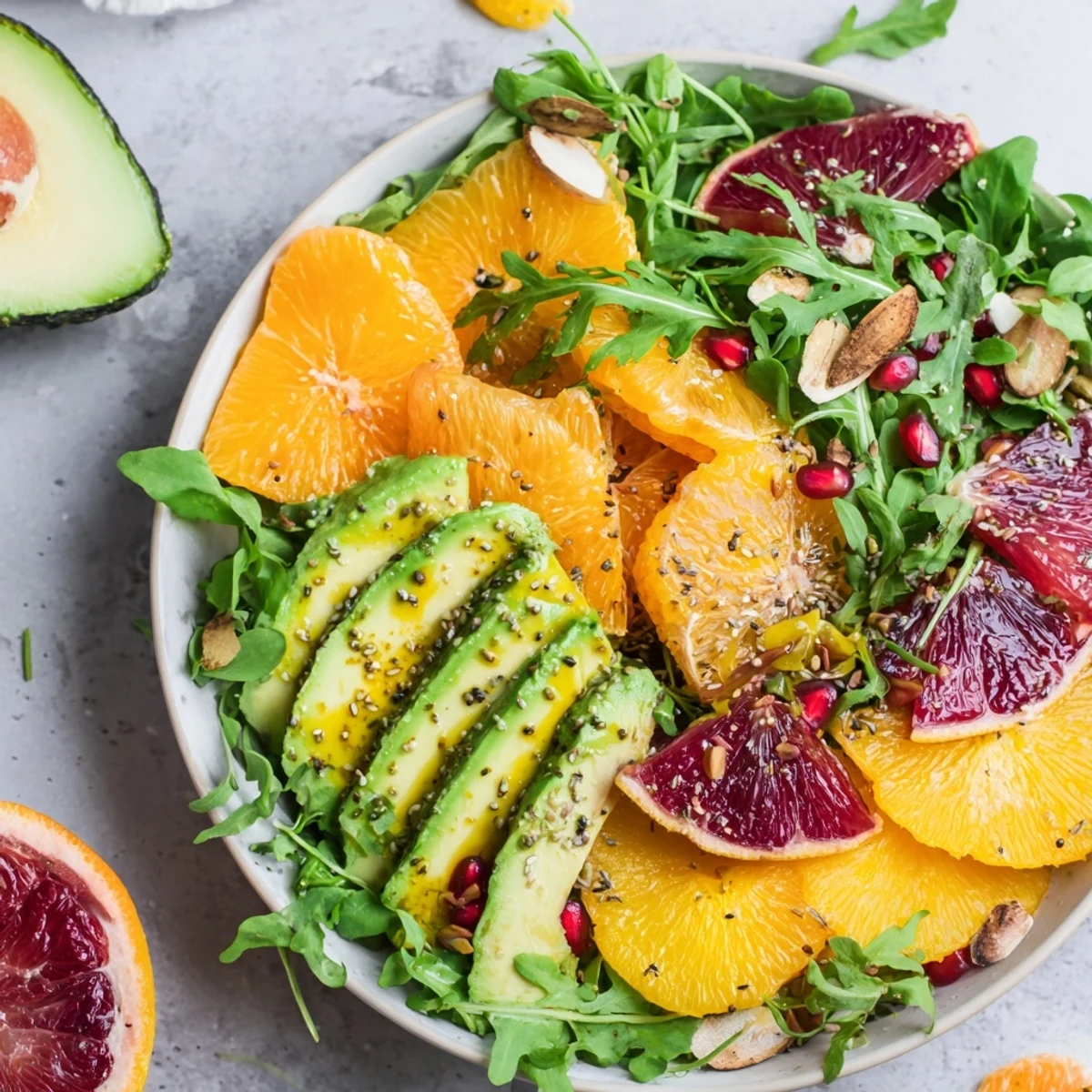
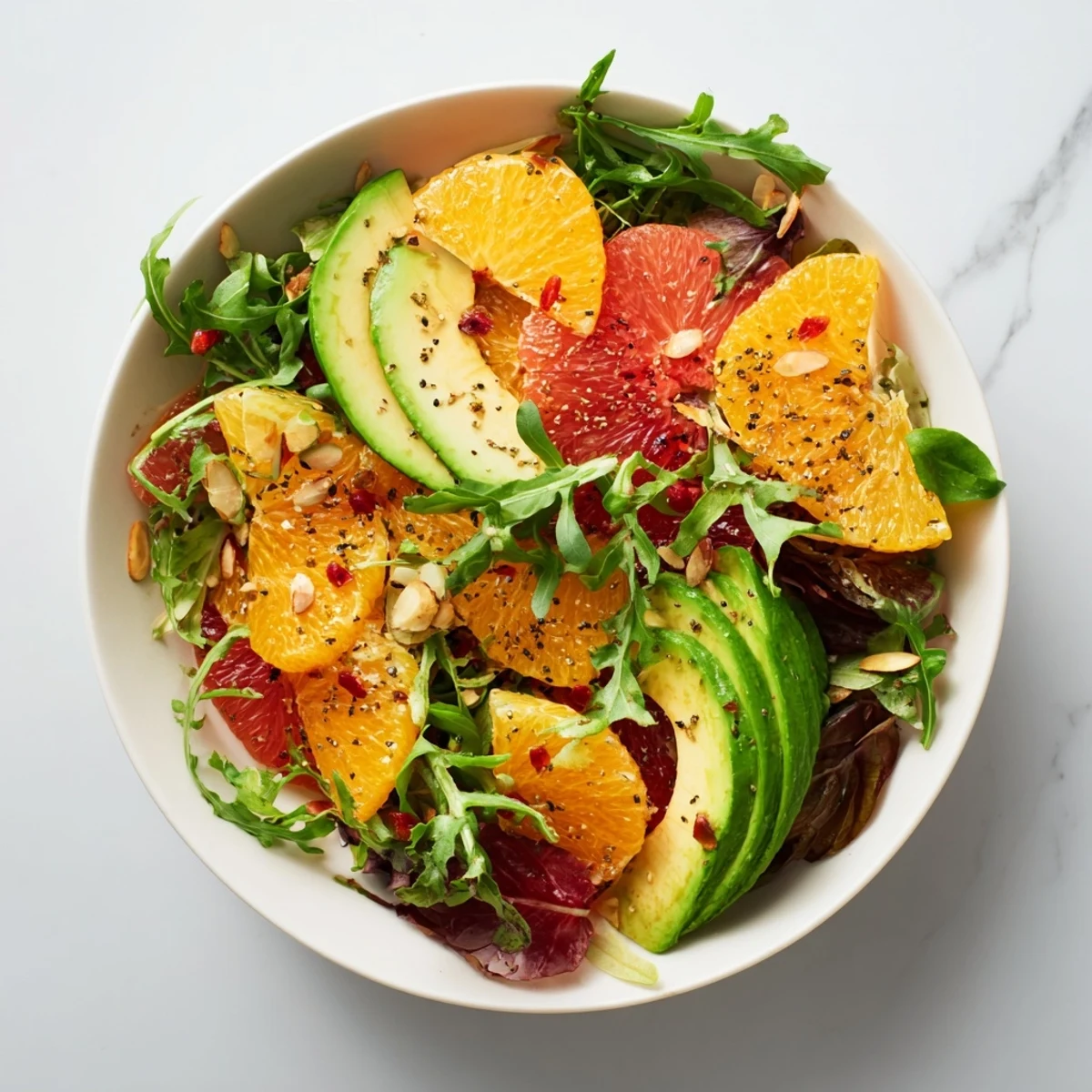
Save This vibrant salad combines juicy winter oranges and grapefruit with creamy avocado and crisp greens. Enhanced by a tangy vinaigrette made of olive oil, lemon juice, and Dijon mustard, it delivers bright and fresh flavors perfect for colder days. Optional garnishes like toasted almonds and fresh mint add texture and aroma, making this dish both light and satisfying. Easy to prepare in just 15 minutes, it suits vegetarian, vegan, and gluten-free diets.
I'll never forget the January afternoon when my sister arrived from the coast with a bag of the most magnificent grapefruits I'd ever seen. They were blushing pink inside, practically glowing, and she insisted we make something that would capture that citrus-bright feeling we both craved during the gray winter months. That's when this salad was born—a color explosion on a plate that somehow felt like sunshine in edible form. The combination of sweet oranges, tangy grapefruits, and creamy avocado became our answer to those long dark days, and I've been making it ever since whenever I need to remember that winter doesn't last forever.
I made this for a table of unexpected friends last February—the kind of spontaneous dinner where everyone shows up hungry and slightly tired. One bite of this salad and the whole mood shifted. Someone said it tasted like hope, which might sound dramatic, but watching people light up when they taste something this fresh and vibrant reminds you why cooking for others matters.
Ingredients
- 2 large oranges (navel or blood orange), peeled and sliced: Winter oranges have more juice and complexity than summer ones—blood oranges add an almost wine-like depth that makes people ask what the secret ingredient is
- 2 medium grapefruits, peeled and segmented: The tartness here balances the sweetness of the avocado beautifully; look for grapefruits that feel heavy for their size, meaning they're packed with juice
- 2 ripe avocados, peeled, pitted, and sliced: The texture pivot point of this salad—you want them perfectly ripe but not mushy, so add them right before serving if you can
- 1 small fennel bulb, thinly sliced: This is the surprise element that makes people pause mid-bite; it adds a delicate anise note and crisp texture that keeps things interesting
- 2 cups mixed salad greens (arugula, spinach, or baby kale): The peppery base that lets the citrus shine; baby kale holds up beautifully if you're making this ahead
- 2 tablespoons pomegranate seeds: The jewel-like bursts add tartness and a little crunch—I learned the hard way that seeding pomegranates over a bowl of water prevents red hands for hours
- 3 tablespoons extra-virgin olive oil: Use one you actually like tasting; this isn't the time for cooking oil
- 1 tablespoon fresh lemon juice: Adds brightness without competing with the citrus already in the bowl
- 1 teaspoon Dijon mustard: Acts as an emulsifier so your vinaigrette clings to everything instead of pooling at the bottom
- 1 teaspoon maple syrup or honey: A whisper of sweetness that softens the sharpness; maple feels more sophisticated
- Salt and freshly ground black pepper: Taste as you go—the citrus is already contributing saltiness in some cases
- 2 tablespoons toasted sliced almonds: The crunch that makes you feel like you're eating something special; toast them yourself if possible—they're exponentially better
- 1 tablespoon chopped fresh mint: Adds an unexpected cool note that makes the whole salad feel more refined
Instructions
- Make the vinaigrette while your hands are clean:
- Pour the olive oil into a small bowl, then whisk in the lemon juice, Dijon mustard, and maple syrup. You'll feel it transform from separated and slick to creamy and emulsified—that's the mustard doing its job. Season with salt and pepper, taste it on your finger, and adjust. It should make your mouth water a little.
- Build your foundation:
- Spread the salad greens across a large platter or divide among individual plates. This base holds everything together and gives the other ingredients something to nestle into.
- Arrange the citrus and avocado with care:
- Distribute the orange slices and grapefruit segments evenly, then add the avocado slices. There's something about the visual arrangement that matters here—it's not just food, it's an edible still life. Scatter the fennel slices throughout for visual interest and those little crunchy surprises.
- Dress it just before serving:
- Drizzle the vinaigrette over everything in a light back-and-forth motion. Don't drown it—you want people to taste the fruit, not swim in dressing.
- Finish with the final touches:
- Sprinkle the pomegranate seeds for color and tartness, scatter the toasted almonds for crunch, and finish with fresh mint. This is where the salad stops being ingredients and becomes a complete experience.
- Serve immediately:
- This is the only non-negotiable rule. Once assembled, eat it within minutes while everything is fresh and crisp. The avocado will start oxidizing, the greens might wilt, and you want people to taste it at its peak.
 Save
Save My eight-year-old nephew once declared this salad "proof that healthy food tastes like a celebration," and he was onto something. There's magic in how fruit and greens can come together to feel indulgent and virtuous at the same time.
When to Make This Salad
This is your January through March dish, when winter citrus is at its absolute peak. Those months when the farmers market seems to be offering nothing but oranges and grapefruits, that's when you make this salad in rotation until spring arrives. I've tried it with summer fruits out of season and it's not the same—the citrus loses its concentrated brightness and the whole thing feels less urgent somehow. Wait for winter to arrive, and this salad will taste like a gift.
Making It Your Own
The beauty of this salad is how adaptable it is without losing its soul. Some friends add crumbled feta or goat cheese to make it richer, and I won't argue with that—the saltiness plays beautifully against the sweet fruit. Others swap almonds for pistachios or walnuts depending on what they have on hand. One creative friend added a handful of pomegranate molasses to the vinaigrette and it elevated everything. The core—citrus, avocado, good greens—stays the same, but everything else is open to negotiation based on what your kitchen contains and what your appetite craves.
Serving Suggestions and Pairings
This salad is perfectly balanced as a light lunch or a prelude to something warm, but it also plays well with others. Grilled fish practically demands this bright counterpoint—the citrus cuts through richness in a way that feels planned rather than accidental. Roasted chicken works too, as does anything with a delicate flavor you don't want to overshadow. I've even served it alongside grain bowls or couscous when I wanted a fresh contrast. Save it for moments when you want vegetables to feel celebratory.
- For a more substantial meal, serve alongside grilled fish, roasted chicken, or a hearty grain like quinoa
- Make extra vinaigrette and save it in the fridge—it's equally good on warm roasted vegetables or simple greens
- If you're serving this to guests, prep everything except the avocado and assembly up to an hour ahead, then finish assembly right when people sit down
 Save
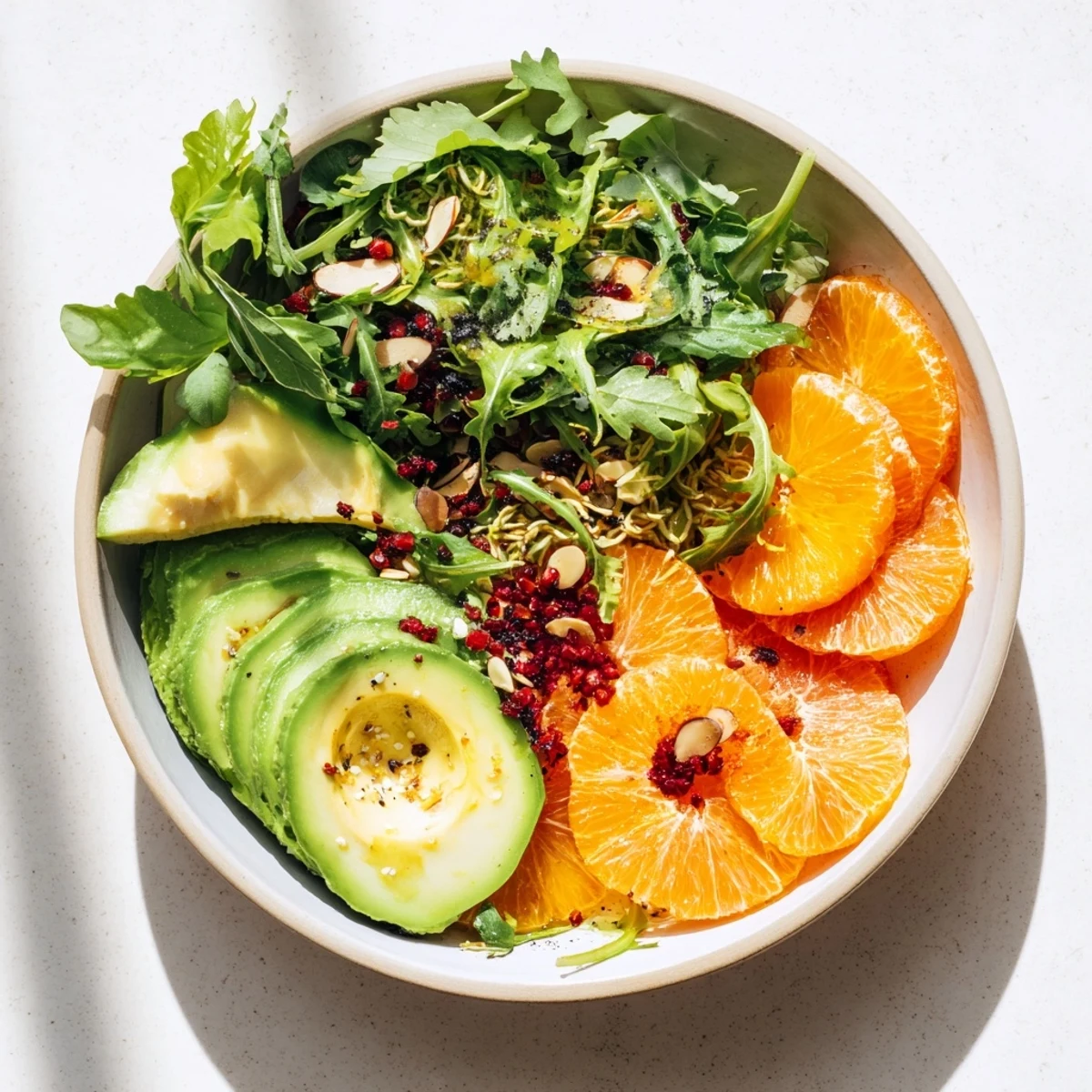
Save This salad arrived in my kitchen by accident—a gift from a friend's citrus bounty and the need to brighten a gray January day. Now it appears regularly whenever I want to remind myself and anyone at my table that winter doesn't last forever, and good fruit tastes like proof.
Recipe FAQs
- → What citrus fruits work best in this salad?
-
Navel or blood oranges and ripe grapefruits bring a bright, juicy sweetness that balances well with avocado.
- → Can I substitute any ingredients for allergens?
-
Yes, walnuts or pistachios can replace almonds, and omit cheese to keep it dairy-free.
- → How should I slice the fennel for best texture?
-
Using a mandoline or sharp knife, slice fennel ultra-thin to add a crisp, delicate crunch.
- → What dressing complements the salad’s flavors?
-
A vinaigrette of olive oil, lemon juice, Dijon mustard, and a touch of maple syrup balances tangy and sweet notes perfectly.
- → How long can the salad be stored before serving?
-
It's best served fresh but can be chilled for up to 2 hours; keep the dressing separate until ready to toss.