
 Save
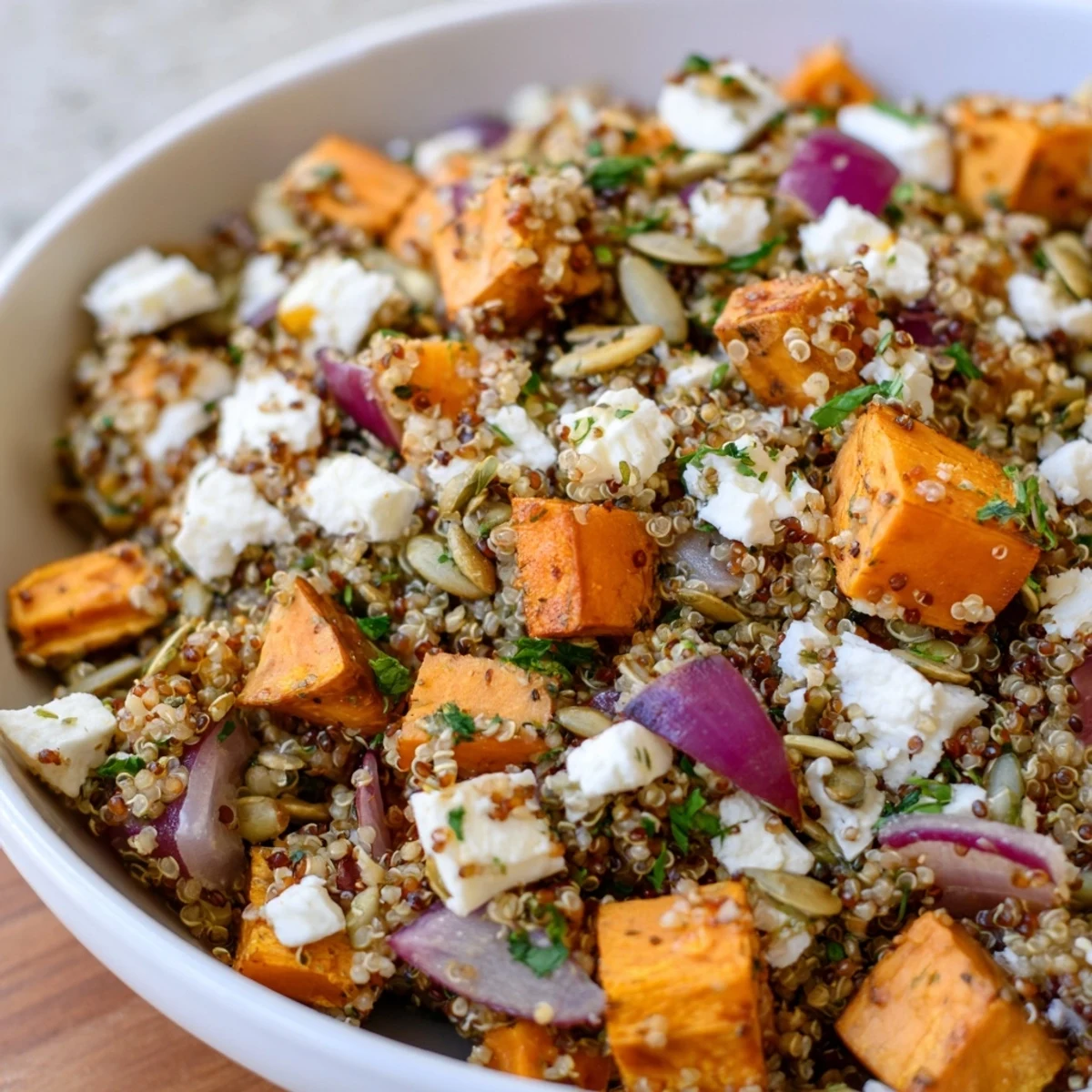
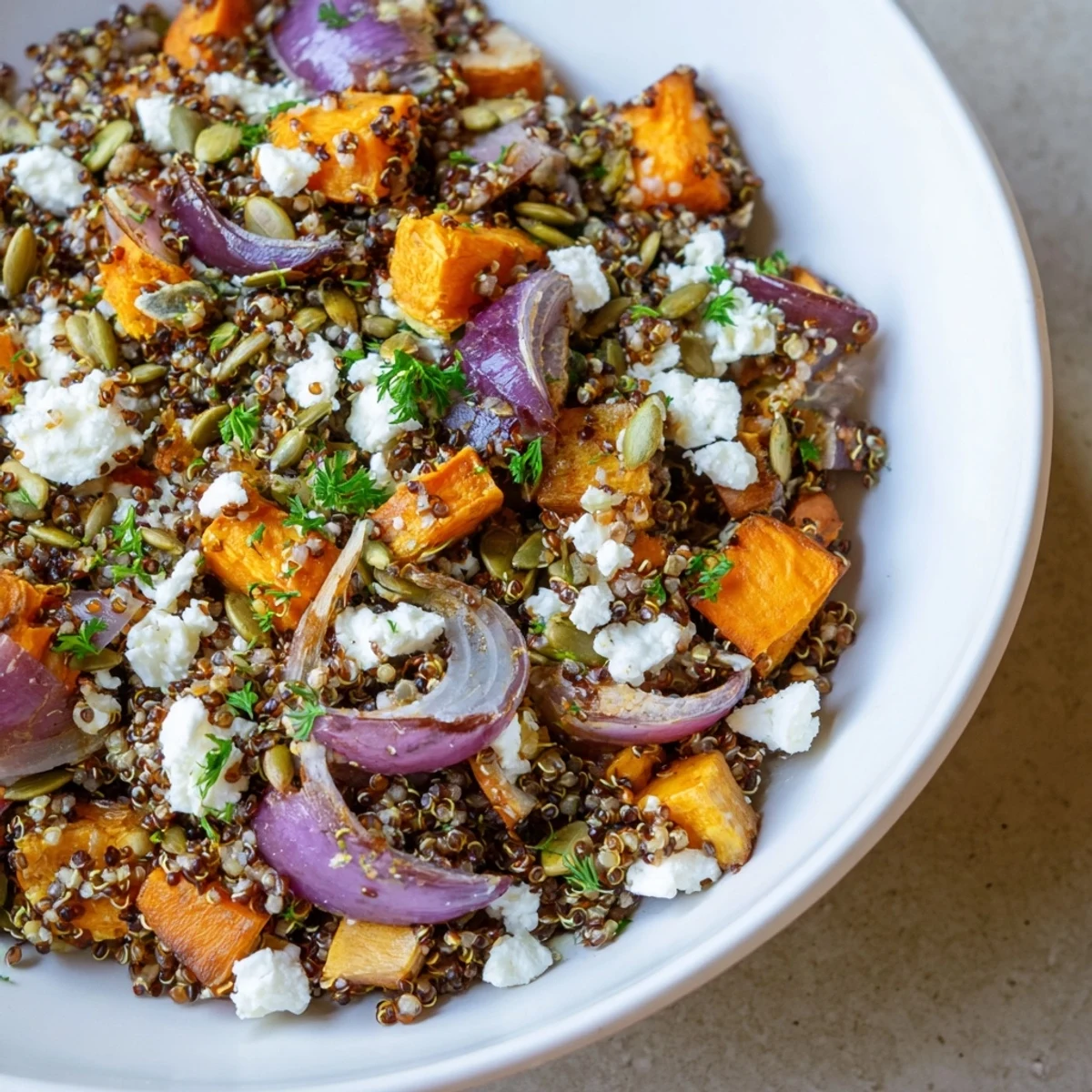
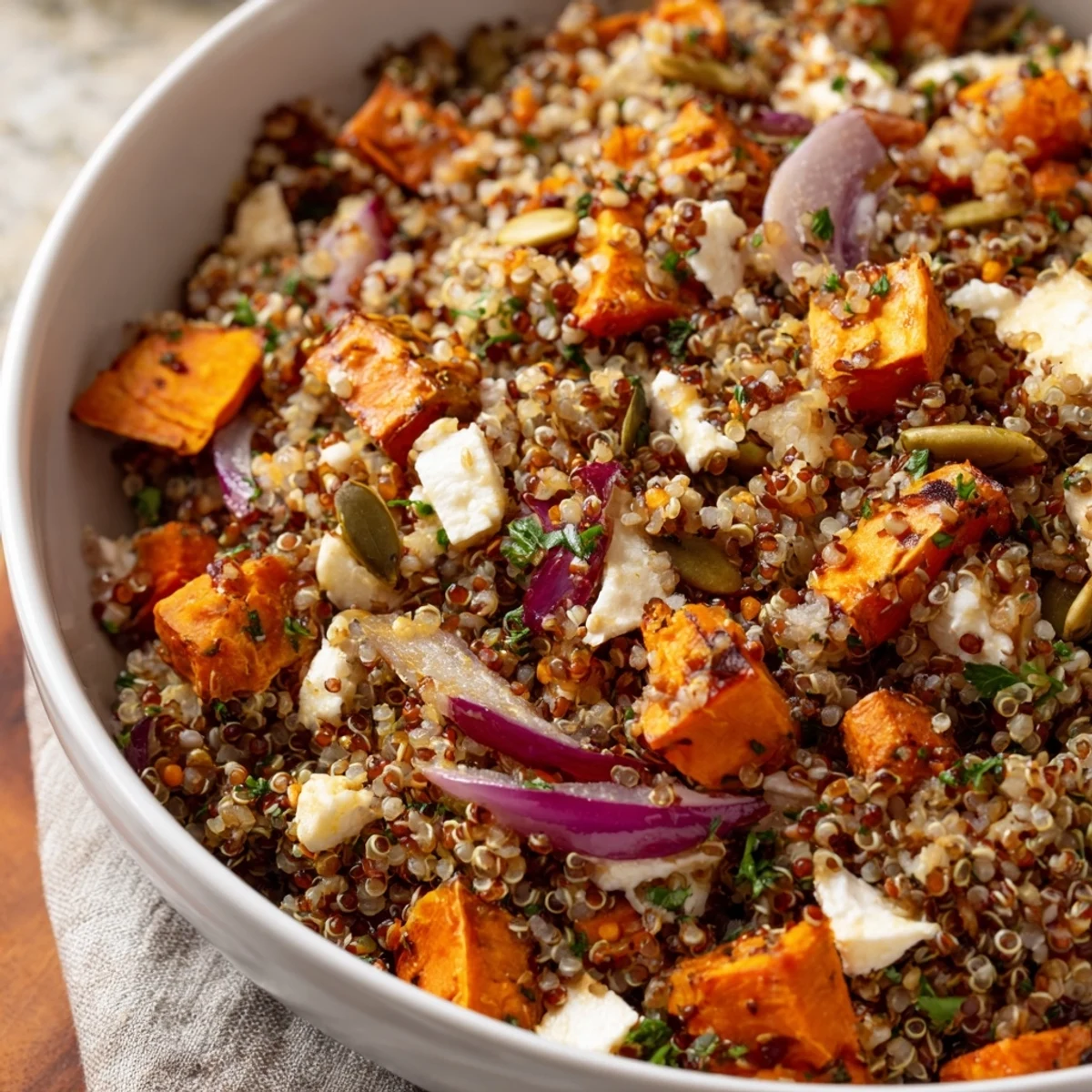
Save This dish features warm, fluffy quinoa paired with caramelized root vegetables including carrots, parsnips, sweet potato, and red onion roasted to tender perfection. A zesty vinaigrette with olive oil, apple cider vinegar, Dijon mustard, and honey brings bright, balanced flavors. Garnished with fresh parsley, feta cheese, and toasted pumpkin seeds, it offers a satisfying and nourishing option perfect for lunch or dinner. Easy to prepare and adaptable with vegetable swaps, this dish highlights natural textures and vibrant flavors in every bite.
There's something about autumn that makes me crave warm salads, and this quinoa dish arrived on a Tuesday when I had leftover vegetables sitting in my crisper drawer and absolutely no energy for complicated cooking. I threw everything on a sheet pan, roasted it until caramelized and golden, and suddenly had this bowl of pure comfort that felt both nourishing and completely unfussy. Now it's become my go-to when I want something that tastes intentional but doesn't demand much fussing around the kitchen.
I made this for a potluck last winter and watched people come back for seconds, which rarely happens with vegetarian dishes at those kinds of gatherings. Someone asked if the parsnips were some fancy ingredient, and I loved that such a simple bowl could feel so unexpectedly elegant. That moment shifted how I thought about weeknight cooking, honestly.
Ingredients
- Carrots and parsnips: These are the MVPs of roasting, turning sweet and almost caramelized if you give them space on the pan.
- Sweet potato: Adds natural sweetness and keeps the salad filling enough to stand alone as a meal.
- Red onion: Mellows considerably when roasted, losing its sharp bite and becoming almost silky.
- Quinoa: Rinse it before cooking to remove any bitterness, and always fluff it with a fork rather than stirring so it stays fluffy.
- Apple cider vinegar: Brighter and more forgiving than regular vinegar, especially important since the salad sits.
- Dijon mustard: Acts as an emulsifier so the dressing actually clings to the vegetables instead of pooling at the bottom.
- Pumpkin seeds: Toast your own if you can, the difference in flavor is genuinely worth those extra two minutes.
Instructions
- Prep and season your vegetables:
- Dice everything into roughly the same size so it roasts evenly, then toss generously with olive oil and seasoning. Don't be shy here; the vegetables need enough oil to caramelize properly. Spread them in a single layer on your sheet pan, giving them room to brown instead of steam.
- Roast until golden:
- Set your oven to 425°F and let the vegetables go for about 30 to 35 minutes, stirring halfway through. You want them tender enough to eat easily but with those caramelized edges that make them taste like something special.
- Cook your quinoa:
- While vegetables roast, rinse your quinoa under cool water, then combine with broth and salt in a saucepan. Bring it to a boil, then drop the heat to low, cover, and let it simmer undisturbed for 15 minutes until the liquid disappears. Remove from heat and let it rest covered for 5 minutes before fluffing with a fork.
- Whisk together the dressing:
- In a small bowl, combine your oil, vinegar, mustard, honey, salt, and pepper. Whisk it until it's slightly emulsified and tastes balanced to your palate. If it feels too sharp, add a touch more honey; if it's too sweet, another splash of vinegar will fix it.
- Combine everything warm:
- Pour your fluffy quinoa and warm roasted vegetables into a serving bowl with the fresh parsley. Drizzle the dressing over top and toss gently so nothing breaks apart. The warmth helps the dressing absorb into everything beautifully.
- Finish and serve:
- Top with feta if you're using it and scatter those pumpkin seeds over the whole thing. Serve it while it's still warm, though it's honestly lovely at room temperature too if you need to eat it later.
 Save
Save My partner, who claims to not like quinoa, ate half the bowl without thinking while we watched a show, which felt like the highest compliment possible. It's become one of those dishes that somehow works for anyone, whether they're eating vegetarian or just hungry.
Why Roasting Changes Everything
Raw vegetables are fine, but roasting transforms them into something with actual depth and personality. The oven's dry heat concentrates their natural sugars, and by the time they hit your bowl, they've developed this caramelized sweetness that vinaigrettes and dressings cling to beautifully. I learned this the hard way by initially steaming my vegetables, which made them sad and pale. Roasting isn't faster, but it's absolutely worth the extra time.
Customizing Without Losing the Plot
The beauty of this salad is how forgiving it is to swaps and substitutions. Turnips work as well as parsnips, roasted beets add earthiness and color, and I've even thrown in chunks of cauliflower when that's what I had on hand. The framework stays solid even when you're riffing, which makes it perfect for cooking through whatever's in your vegetable drawer. Just remember that denser vegetables might need a few extra minutes in the oven, and always taste the dressing before committing it to the bowl.
Serving and Storage Wisdom
This dish genuinely improves if you make it a few hours ahead, giving the dressing time to soak into everything. Keep it covered in the fridge and bring it to room temperature or gently reheat it before serving, since the warm element is part of what makes it feel comforting and complete. It keeps well for three or four days, which means it's perfect for meal prep without feeling like you're eating the same thing twice.
- If you're planning ahead, dress the salad only as much as you need, since it can get heavy if left sitting too long.
- Add fresh herbs and seeds right before serving so they stay vibrant and textured.
- Leftover roasted vegetables are wonderful with breakfast eggs or scattered over hummus toast the next day.
 Save
Save This salad taught me that vegetarian cooking doesn't need to apologize for taking up space on a dinner table. It's the kind of dish that reminds me why I cook in the first place.
Recipe FAQs
- → How do I ensure quinoa cooks evenly?
-
Rinse quinoa thoroughly before cooking to remove bitterness. Use a 2:1 liquid-to-quinoa ratio, bring to a boil, then simmer covered for 15 minutes. Let it stand off heat for 5 minutes and fluff with a fork.
- → What vegetables work best for roasting here?
-
Root vegetables like carrots, parsnips, sweet potatoes, and red onions roast well, becoming tender and caramelized. They provide sweet and earthy flavors that complement the quinoa.
- → Can I adjust the seasoning for dietary needs?
-
Yes, you can reduce or omit salt and adjust olive oil quantities. For dairy-free options, skip feta or use plant-based alternatives for garnish.
- → What makes the dressing vibrant and balanced?
-
The dressing balances fruity olive oil, tangy apple cider vinegar, sharp Dijon mustard, and a touch of sweetness from honey or maple syrup, producing a zesty finish that ties the ingredients together.
- → How can I add extra texture to this dish?
-
Toasted pumpkin seeds add a crunchy contrast to the soft quinoa and vegetables, enhancing mouthfeel and flavor complexity.