
 Save
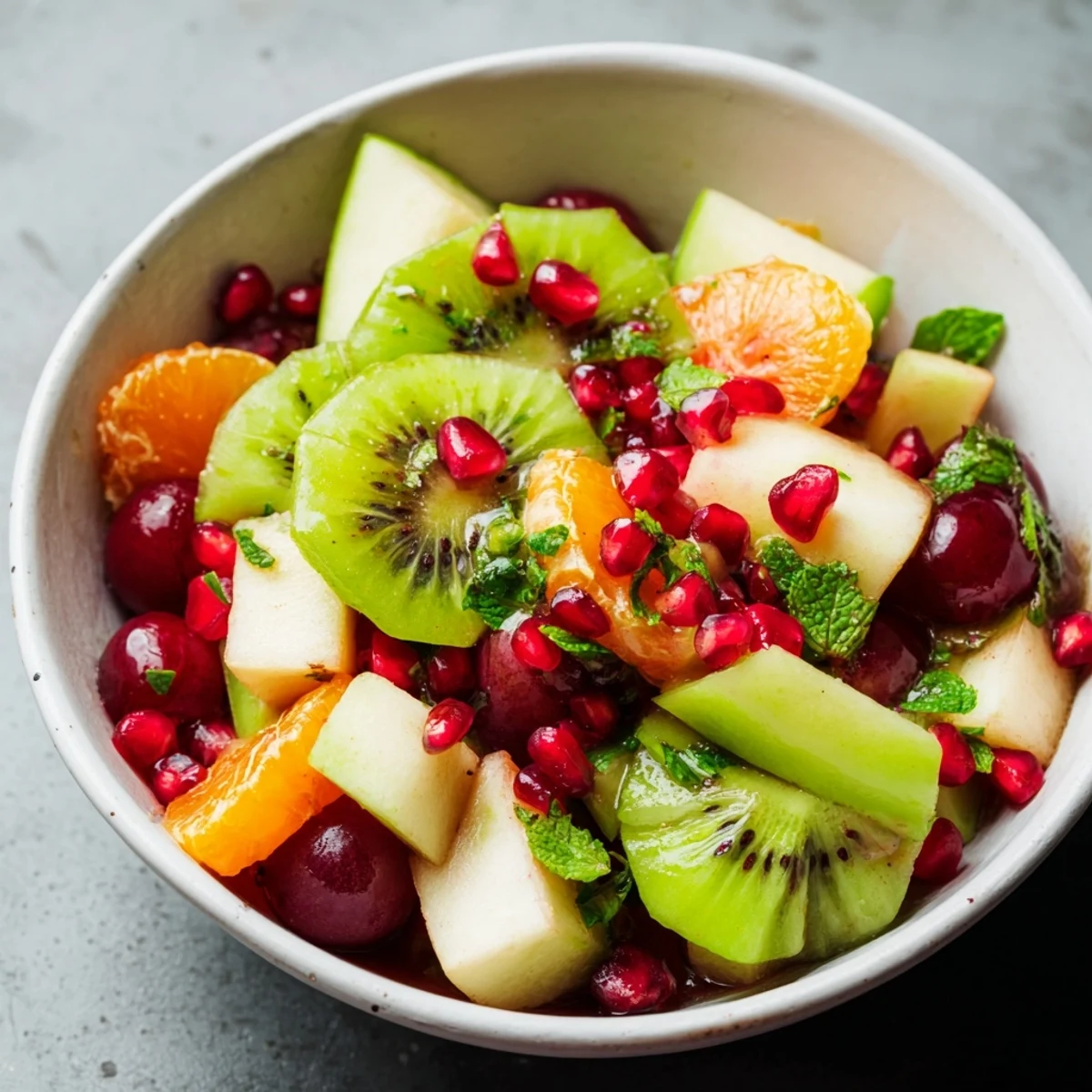
Save This vibrant winter fruit dish highlights juicy oranges, apples, pomegranate arils, kiwis, pears, and red grapes, gently tossed with a honey-lemon dressing and fresh mint leaves. Perfect for a quick and refreshing light dessert or side, it requires no cooking and takes just 15 minutes to prepare. Optional toasted nuts add crunch, while seasonal fruit swaps and vegan sweetener alternatives provide versatility. Ideal for those seeking a fresh, naturally sweet option with a hint of herbaceous mint.
Last winter, I was stuck with a fridge full of beautiful fruit and no idea what to do with it all. A friend mentioned how her grandmother used to make this simple mint-honey salad on rainy afternoons, and something about the description—bright colors, warm spices of honey, cool mint—just clicked. I decided to give it a try, and what emerged was this effortless, glowing bowl that somehow felt both indulgent and impossibly light.
I made this for a small dinner party on a gray December evening, and watching people's faces light up when they took that first bite—the burst of pomegranate, the citrus zing, the whisper of mint—made me realize that sometimes the most memorable dishes are the ones that don't require fussing around for hours. One guest asked for the recipe before dessert was even finished.
Ingredients
- Oranges: Two large ones, peeled and segmented—the juice clings to your fingers and their natural sweetness balances the tartness of the lemon beautifully.
- Apples: Two medium apples, cored and diced—I learned the hard way to dice them just before serving or they'll oxidize and turn brown, so keep them covered with a damp cloth if you're prepping ahead.
- Pomegranate: One large one, arils only—the jewel-like seeds add that crucial pop of color and a slightly tart crunch that makes the whole salad sing.
- Kiwis: Two peeled and sliced—they bring a bright acidity and those tiny black seeds create a pleasant texture contrast.
- Pear: One ripe pear, cored and diced—ripeness matters here; a rock-hard pear will ruin the delicate mouthfeel you're after.
- Red grapes: Half a cup, halved—they stay firm and sweet, anchoring all the softer fruits around them.
- Honey: Two tablespoons—choose a good honey, something with character, because it's one of only three elements holding this together.
- Lemon juice: From half a lemon—freshly squeezed, not bottled; the acidity is what wakes up all those sleeping flavors.
- Fresh mint: Two tablespoons, finely chopped—mint can turn dark quickly once chopped, so wait until the last moment before adding it to the dressing.
Instructions
- Gather and prep your fruit:
- Wash everything thoroughly, then start peeling and cutting—oranges should fall into clean segments, apples into neat dice, kiwis into coins. Have it all ready in your large bowl before you move forward, because once you start, you want to work with momentum and freshness.
- Make the dressing:
- In a small bowl, pour the honey and add your fresh lemon juice, whisking until they're combined and the honey loosens into a glossy drizzle. Now fold in the finely chopped mint—you'll catch its perfume rising up as you stir, which is how you know you're doing it right.
- Bring it all together:
- Pour that golden dressing over your fruit and toss gently, using a light hand so you don't bruise the softer fruits or crush the pomegranate arils. You want everything coated but still intact, still respectful of its own shape.
- Serve or chill:
- You can eat this immediately and catch all those individual flavors singing separately, or let it sit in the cold for up to two hours and watch as the fruits release their juices and everything becomes something unified and even better than the sum of its parts.
 Save
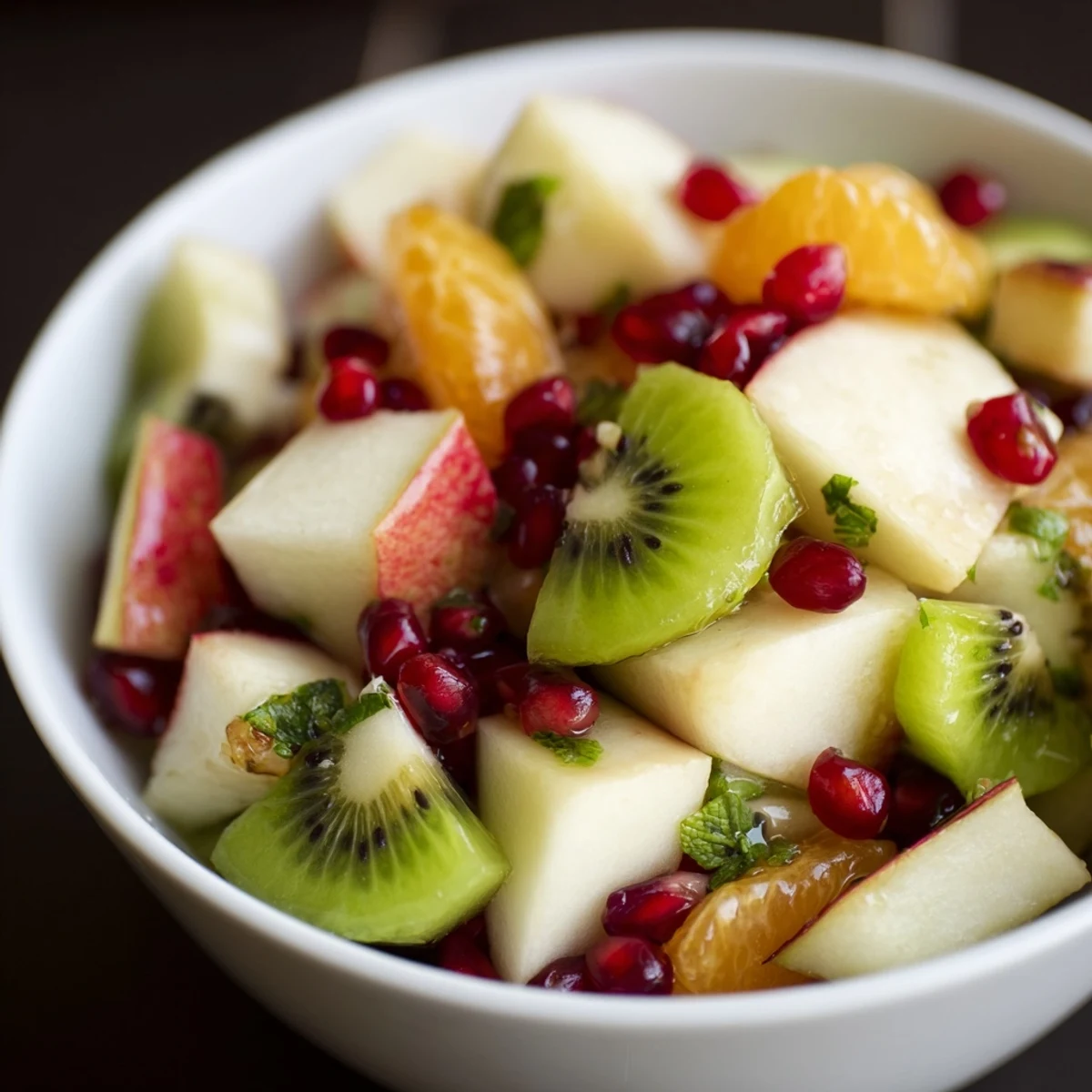
Save My mother tasted this once and said it reminded her of breakfasts in a garden somewhere she'd never been, which is the highest compliment I've ever received for something so simple. That's when I understood that a good recipe isn't about complexity—it's about letting good ingredients speak clearly to each other.
Why Winter Fruits Deserve Your Attention
There's something about winter fruits that summer berries can never quite capture—a depth, a resilience, a sunlit quality even though they've traveled far or been stored carefully. Oranges, pears, pomegranates, and kiwis are at their peak during the colder months, which means you're getting them at their most flavorful, their most interesting. This is also why a winter fruit salad feels less like a light afterthought and more like a celebration.
The Magic of Minimal Dressing
I've made this salad with elaborate vinaigrettes, with yogurt-based drizzles, with spiced oils, and every single time I return to this three-ingredient dressing because it's the one that actually lets the fruit be the star. Honey provides warmth and binding sweetness, lemon juice offers brightness and prevents browning, and mint brings an unexpected herbaceous note that tricks your palate into thinking this is more sophisticated than it actually is. The restraint is what makes it work.
Making It Your Own
This salad is forgiving and flexible, which is part of why I return to it so often. If you can't find pomegranate, use extra grapes or add some dried cranberries for tartness. If pears aren't good this season, reach for persimmons or even fresh figs if the timing works. The architecture remains sound as long as you're working with fruits that have some brightness and some sweetness, fruits that actually taste like something.
- Toast some nuts—walnuts, pistachios, or almonds—and sprinkle them on just before serving for textural contrast and a subtle richness.
- A pinch of fresh ginger or a whisper of cardamom can add intrigue, though I usually keep it pure.
- Serve it cold but not ice-cold; let it sit out for ten minutes after chilling so the flavors can open up on your tongue.
 Save
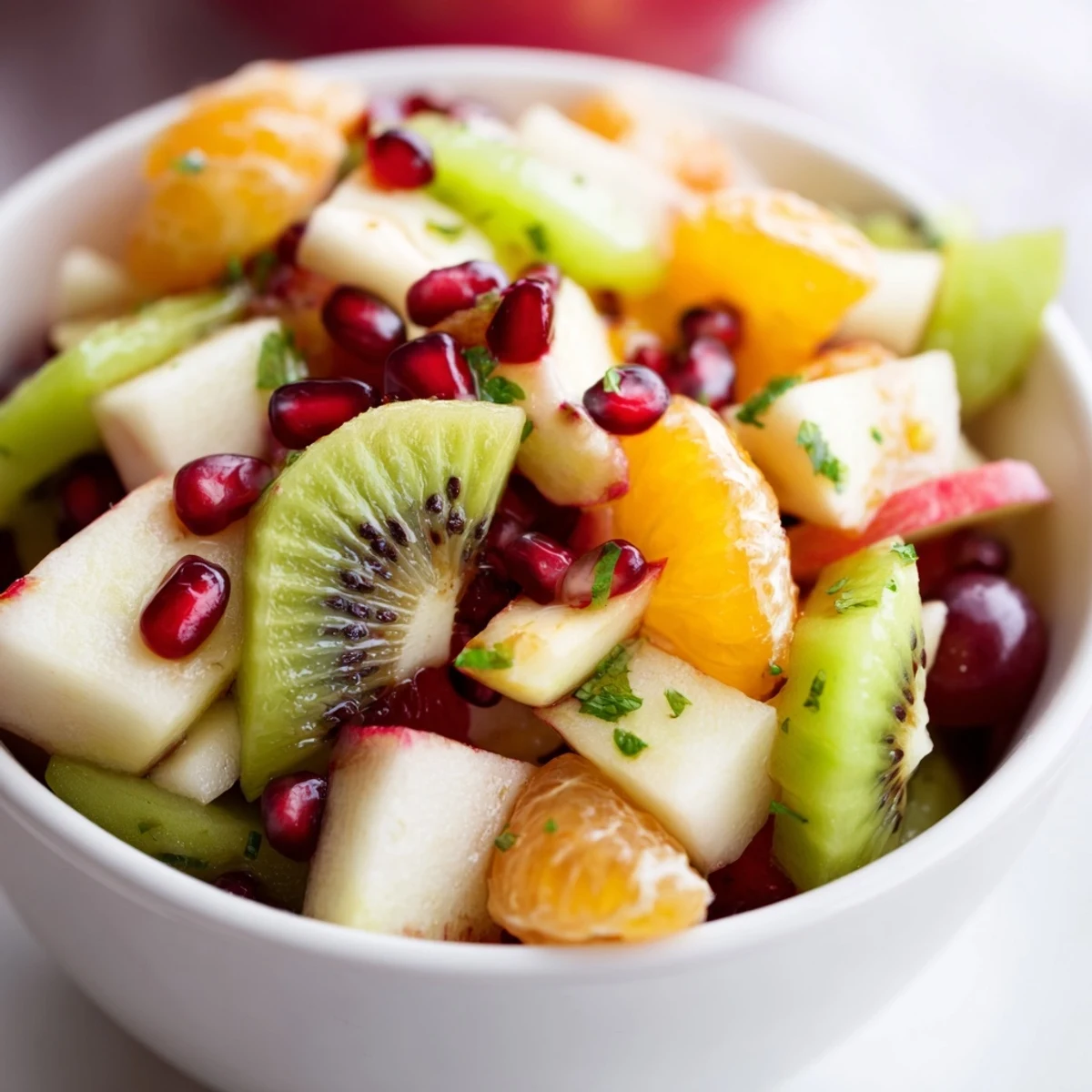
Save This salad has become my go-to when I want to feel like I'm taking care of people without spending hours in the kitchen. There's generosity in simplicity when it's done right.
Recipe FAQs
- → What fruits are best for this dish?
-
Use fresh, seasonal winter fruits like oranges, apples, pomegranate arils, kiwis, pears, and red grapes for best flavor and texture.
- → Can I prepare this in advance?
-
Yes, you can prepare and chill the mix up to 2 hours before serving to allow flavors to meld.
- → Is there a way to add crunch to this mix?
-
Sprinkling chopped toasted nuts such as walnuts or pistachios before serving adds delightful texture.
- → How can I make this dish vegan-friendly?
-
Replace honey with maple syrup or agave nectar to keep the natural sweetness while maintaining vegan preferences.
- → What is the purpose of the mint in this dish?
-
Fresh mint adds a bright herbal note that enhances the fruit's natural flavors and provides refreshing aroma.