
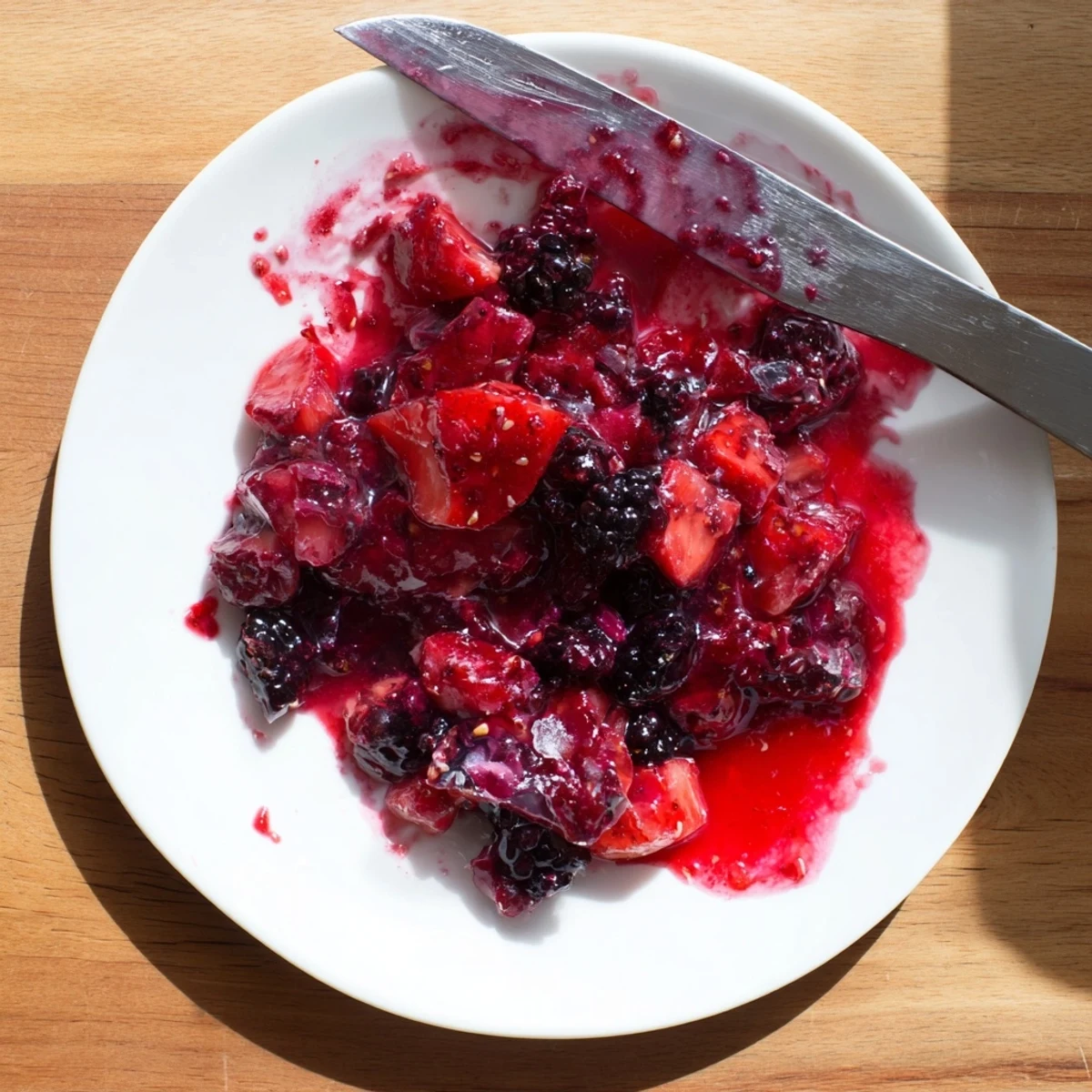
 Save
Save This vibrant jam brings together the classic pairing of strawberries and rhubarb with the tart sweetness of raspberries, elevated by a medley of mixed berries for extra depth. The result is a beautifully balanced spread with a perfect blend of tangy and sweet notes.
Making this jam takes about an hour from start to finish, with most of that time being active cooking. The fruit pectin ensures a good set without requiring extended boiling, which helps preserve the fresh fruit flavors.
This versatile spread works wonderfully on morning toast, swirled into yogurt for breakfast, or as a thoughtful homemade gift. The yield of approximately four cups means you'll have plenty to enjoy and share.
June in our kitchen means the farmers market has returned with wooden crates overflowing with strawberries, and I found myself grabbing twice what I needed. The rhubarb stalks looked impossibly pink, and before I knew it, my arms were full of berries and I was already planning a jam session. Something about that first batch of summer jam just feels like you are capturing sunshine in a jar.
Last summer I made triple batches because my neighbor mentioned she had not tasted homemade strawberry rhubarb jam since her grandmother passed away. We sat on her back porch with warm biscuits and this jam, and she told me stories about learning to can in a tiny kitchen in Minnesota. Sometimes food really is just love you can spread on toast.
Ingredients
- 2 cups strawberries, hulled and chopped: I have learned that slightly underripe berries actually have more natural pectin, so do not worry if some are not perfectly red
- 1½ cups rhubarb, sliced: Fresh rhubarb gives the best texture, but frozen works perfectly fine if you thaw it first and drain any excess liquid
- 1 cup raspberries: These delicate berries practically dissolve into the jam, leaving behind their distinct tart brightness that cuts through the sugar
- 1 cup mixed berries: I love using whatever looks best at the market, blueberries for color, blackberries for depth, or even a handful of chopped cherries
- 2½ cups granulated sugar: Do not reduce this amount, as sugar is what helps the jam set properly and keeps it safe for shelf storage
- 2 tbsp freshly squeezed lemon juice: This acidity is crucial for activating the pectin and balancing all that sweetness from both the sugar and fruit
- 1 package fruit pectin powder: I keep a stash in my pantry year round because it guarantees that jam setting feeling without the guesswork of traditional methods
Instructions
- Combine and mash the berries:
- Grab your largest pot that is not aluminum or copper, toss in all those beautiful berries and rhubarb, then use a potato masher to crush everything until juices start pooling at the bottom. You want some chunks remaining because those fruit bits are what make homemade jam so special.
- Add pectin and rest:
- Pour in your lemon juice and pectin powder, stir everything together really well so there are no clumps, then just walk away for five minutes. This resting period lets the pectin start hydrating, which I learned the hard way when I tried skipping it once and ended up with runny jam.
- Bring to first boil:
- Crank your heat to medium high, stand there stirring frequently because fruit has so much natural sugar it wants to stick, and wait for everything to come to a bubbling boil. You will notice the fruit softening and the smells in your kitchen becoming absolutely incredible.
- Add sugar and boil hard:
- Dump all that sugar in at once, keep stirring until you cannot see any white grains anymore, then bring it back to a rolling boil you cannot stir down. Let it go hard for one to two minutes, watching closely because this is where magic happens and the transformation from fruit to jam occurs.
- Skim and jar:
- Pull the pot off the heat and use a spoon to scoop off that foamy layer on top, which I used to leave until someone told me it makes cloudy jam. Carefully pour your hot jam into sterilized jars leaving that quarter inch of headspace, wipe the rims clean, and seal them tight.
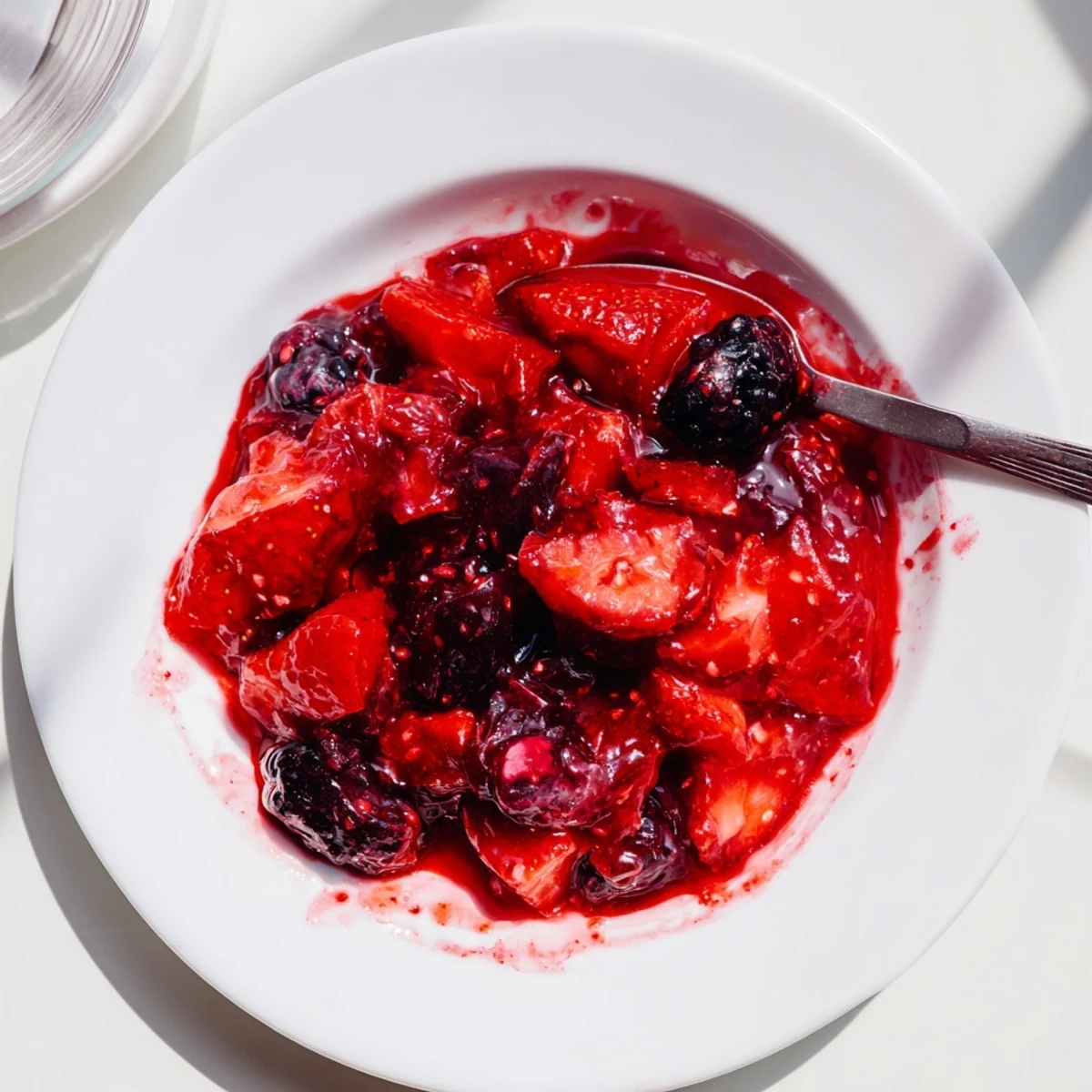 Save
Save My daughter helped me make this batch last weekend, and she was absolutely fascinated watching the mixture transform from fruit to jam. Now every morning she asks for toast with that strawberry jam we made together, and honestly, those moments make all the stirring and boiling completely worth it.
The Secret To Perfect Consistency
I spent years wondering why sometimes my jam turned out perfectly while other batches stayed stubbornly runny, until I finally paid attention to the rolling boil. That vigorous boil you cannot stir down is when the pectin really activates and bonds with the sugar. The old jam makers I have talked to say they can hear when jam is ready, something about the sound of the bubbles changing from rapid to a slower plopping sound.
Playing With Flavor Variations
One year I accidentally grabbed vanilla extract instead of almond when making a gift batch, and it turned out to be a happy mistake that created the most sophisticated strawberry vanilla jam. I have also added balsamic vinegar for a grown up version that tastes incredible with goat cheese on crackers. Do not be afraid to experiment with cinnamon, cardamom, or even a splash of rosewater.
Storage And Safety Guidelines
Properly sealed jars will keep in a cool dark place for up to a year, though I have never had a batch last longer than six months in my house. Once opened, move that jar to the refrigerator and try to use it within three weeks for the best flavor and texture. Always check for any signs of spoilage before using, like mold growth, off smells, or jars that did not seal properly.
- Label your jars with the date so you know which ones to use first
- Store jars in a dark cupboard rather than on a sunny windowsill
- Gift jars with a small note about refrigeration after opening
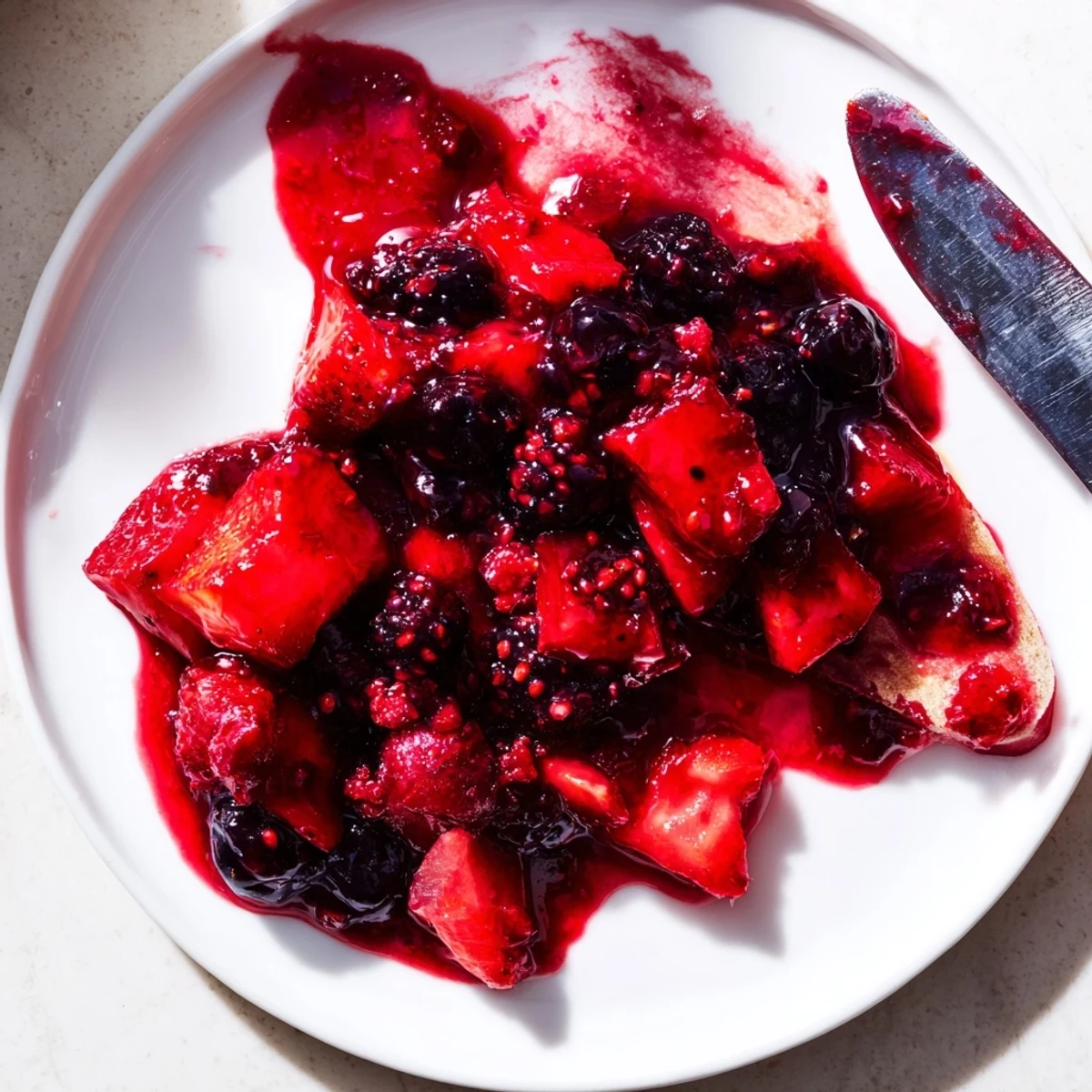 Save
Save There is something deeply satisfying about filling your pantry with homemade jam, knowing exactly what went into each jar. Hope this recipe brings as much joy to your kitchen as it has to mine.
Recipe FAQs
- → How long does this jam keep?
-
Properly canned and sealed jars will keep for up to one year in a cool, dark place. Once opened, refrigerate and use within three weeks for best quality and flavor.
- → Can I use frozen fruit instead of fresh?
-
Absolutely. Frozen berries work just as well as fresh in this jam. Thaw them first and drain any excess liquid before combining. Rhubarb can be used straight from frozen.
- → What's the purpose of lemon juice in jam making?
-
Lemon juice serves two purposes: it adds natural acidity which helps the pectin work properly for setting, and it brightens the overall flavor while balancing the sweetness from the sugar.
- → Do I need to use a water bath canner?
-
Not necessarily. If you plan to eat the jam within a few weeks, you can simply store it in clean jars in the refrigerator. The water bath process is only required for long-term shelf-stable storage.
- → Can I reduce the amount of sugar?
-
Sugar plays a crucial role in preservation and setting. Reducing sugar significantly may affect the jam's texture and shelf life. This recipe uses the minimum amount needed for proper results with pectin.
- → Why do I need a non-reactive pot?
-
Non-reactive pots (stainless steel, enamel) prevent acidic fruits from reacting with metal, which could cause off-flavors or discoloration. Aluminum or uncoated iron pots should be avoided.