
 Save
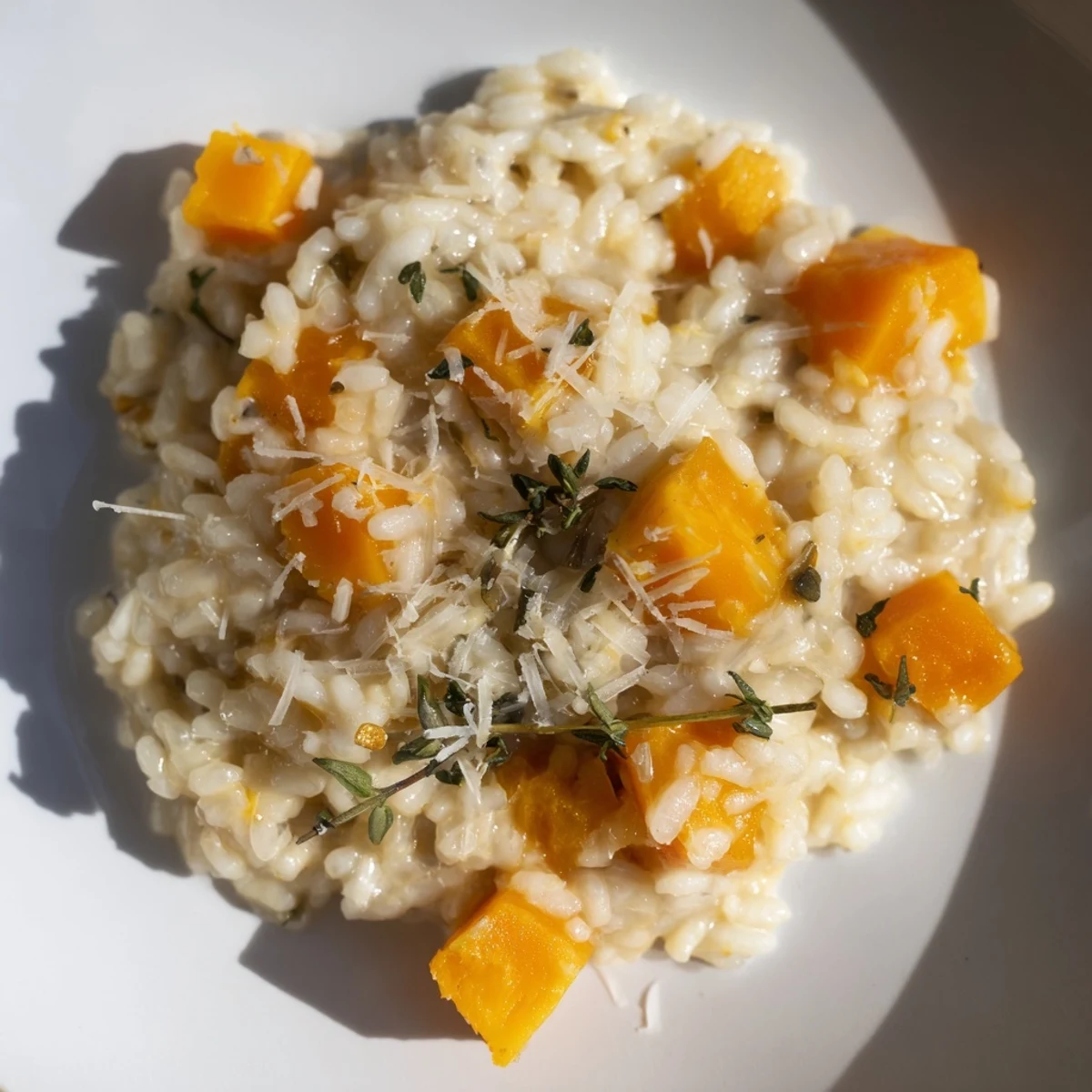
Save This creamy risotto blends tender cubes of butternut squash with fragrant fresh herbs and Parmesan cheese for a rich, satisfying flavor. The Arborio rice is gently toasted then cooked slowly with warm vegetable broth, ensuring a rich, velvety texture. A splash of white wine adds subtle depth, while butter finishes the dish with smooth richness. Perfectly balanced with savory notes and a touch of freshness, this elegant dish is ideal for a comforting dinner.
There was a Tuesday evening when the farmers market had closed early, and I stood there staring at a pile of butternut squash someone had left at the gate, wondering what to do with half a dozen suddenly-mine gourds. I'd never made risotto before, only eaten it at restaurants where it seemed impossibly creamy and fussy. But something about the squash's warm color made me think it belonged in rice, and I went home determined to figure it out.
I made this for my partner on a rainy Sunday, and they kept asking what restaurant I'd ordered from because they couldn't believe I'd made it at home. That one moment—when they tasted it and understood I'd actually done this myself—made me feel like I'd learned something real in the kitchen.
Ingredients
- Butternut squash, 1 small (about 600 g), peeled and cut into 1 cm cubes: Cut it when it's still slightly firm, not mushy, so the pieces hold their shape as they soften in the risotto rather than disappearing into mush.
- Arborio rice, 300 g: This short-grain rice releases starch as it cooks, which is what makes risotto creamy—don't substitute it with long-grain unless you want a completely different texture.
- Vegetable broth, 1 L, kept warm: Warm broth is crucial because cold broth will shock the rice and interrupt the cooking process; keep it in a separate pot on the stove.
- Dry white wine, 120 ml: The acidity cuts through the richness beautifully, but you can use more broth if you prefer not to cook with wine.
- Unsalted butter, 50 g total (30 g for cooking, 20 g for finishing): Use real butter here—it's not a place to skimp—and divide it so you toast the rice with some and finish the dish with the rest.
- Parmesan cheese, 60 g, freshly grated: Grate it fresh right before you use it; pre-grated cheese has anti-caking agents that make it grainy instead of silky.
- Yellow onion, 1 small, finely chopped: Mincing it fine helps it disappear into the base of the risotto rather than leaving chunks.
- Garlic, 2 cloves, minced: Add it quickly after the onion softens so it doesn't burn and turn bitter.
- Fresh thyme, 1 tsp leaves: Dried thyme works too (use half), but fresh has a lighter touch that doesn't overpower the delicate squash.
- Olive oil, 2 tbsp: Good olive oil adds flavor, so don't use the cheapest bottle you can find.
- Salt and black pepper to taste: Don't be timid here; risotto needs more seasoning than you'd expect.
Instructions
- Warm your broth and get ready:
- Pour your vegetable broth into a separate saucepan and keep it simmering on low heat nearby. You'll be adding it gradually, and having it warm means the rice won't cool down and seize up as it cooks.
- Start the aromatics:
- Heat the olive oil and 30 g of butter together in your large saucepan over medium heat until the butter foams. Once it's foaming, add the chopped onion and let it soften for 2–3 minutes, stirring occasionally—you want it tender and translucent but not golden.
- Build the flavor base:
- Stir in the minced garlic and cook for just 30 seconds until it smells incredible. Add the squash cubes and thyme, then sauté everything together for 5–6 minutes, stirring gently so the squash starts to soften on the outside but keeps its shape.
- Toast the rice:
- Add the Arborio rice and stir it constantly for about 1–2 minutes, coating every grain with the oil and butter. You'll hear it click slightly against the pan as it toasts, and you want it to smell nutty but not brown.
- Deglaze with wine:
- Pour in the white wine and stir constantly until the liquid is almost completely absorbed and you can see the bottom of the pan briefly when you stir. This usually takes 1–2 minutes and helps soften the rice and deglaze all the flavorful bits stuck to the bottom.
- Add broth in stages:
- Add about one ladle of hot broth to the rice and stir gently and frequently. When the liquid is almost fully absorbed (the rice should look creamy but not soupy), add another ladle. Keep doing this for 20–25 minutes total, tasting the rice occasionally to see when it's tender but still has a slight firmness in the center, al dente.
- Finish with butter and cheese:
- When the rice is creamy and the squash is tender, remove the pan from heat and stir in the remaining 20 g of butter and all the grated Parmesan. Stir vigorously for about 30 seconds—this final step, called mantecatura, makes the risotto silky and luxurious.
- Taste and serve:
- Taste it, adjust the salt and pepper if needed, and serve immediately into shallow bowls with extra Parmesan and a tiny pinch of fresh thyme on top.
 Save
Save Risotto taught me that cooking doesn't have to be complicated to be delicious, and that sometimes the best meals come from paying attention—to the sound of the rice, the smell of the thyme, the moment when everything just comes together. Now I make this every time someone says they're tired of the same old dinner, and it's never disappointed.
Variations and Add-Ins
Once you understand the basic risotto method, it becomes a canvas for whatever vegetables you have on hand. Mushrooms, roasted red peppers, or tender greens like spinach all work beautifully—just add them at the stage suggested in the notes, and the rice will absorb their flavors. I've even added a handful of toasted pine nuts at the very end for crunch, or a spoonful of mascarpone to make it even richer on nights when I was feeling indulgent.
Pairing and Serving
This risotto is substantial enough to serve as a main course, and it feels complete with nothing more than a simple green salad alongside and a glass of crisp white wine—Pinot Grigio, Vermentino, or anything light and dry works perfectly. The wine cuts through the richness and keeps the meal from feeling too heavy, even though risotto sounds like it should be.
Storage and Make-Ahead
Risotto is best served the moment it's finished, but if you have leftovers, you can store them in the fridge for up to two days and reheat gently over low heat with a splash of broth to bring back the creamy texture. There's also an old trick where you can make risotto until the rice is almost done, spread it on a sheet pan to cool, and then finish cooking it the next day—it takes some of the pressure off if you're cooking for a crowd and want to prep ahead.
- Never store risotto in the freezer; the rice texture becomes grainy and separated.
- When reheating, add broth gradually and stir constantly to bring back the creaminess.
- If you're making it ahead to the almost-done stage, cool it quickly so it doesn't get too soft.
 Save
Save Risotto never feels like you're following a recipe once you understand how it works—it becomes a conversation between you and the rice, and that's when cooking stops being a task and becomes something you actually want to do. I hope this one becomes your Tuesday evening comfort, just like it became mine.
Recipe FAQs
- → What type of rice is ideal for this dish?
-
Arborio rice is preferred for its ability to absorb liquids and release starch, creating the creamy texture essential for this dish.
- → Can I substitute the butternut squash with another vegetable?
-
Yes, similar-textured vegetables like pumpkin or sweet potato can be used for a comparable flavor and consistency.
- → How do fresh herbs enhance the flavor?
-
Fresh thyme adds a subtle earthy aroma that complements the sweetness of the squash and richness of the cheese.
- → Is white wine necessary to make this dish?
-
White wine adds depth and acidity but can be replaced with additional broth if preferred.
- → How can I achieve the perfect risotto texture?
-
Cook the rice slowly, adding warm broth gradually while stirring often to ensure creaminess and tender grains.