
 Save
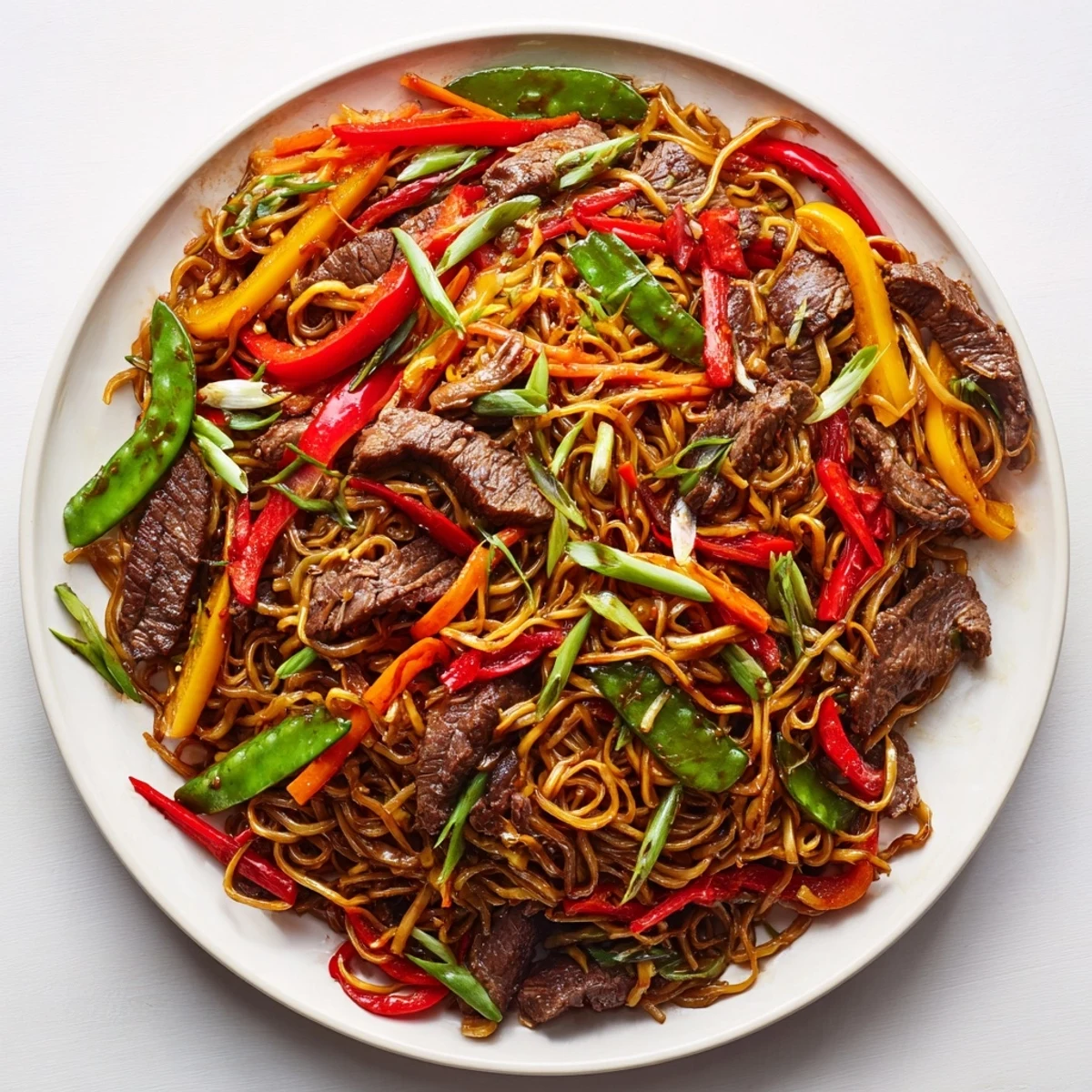
Save This dish features tender strips of beef marinated in soy and sesame, quickly stir-fried with crisp bell peppers, carrots, snap peas, and fresh aromatics like garlic, ginger, and chilies. Cooked egg noodles are tossed in a savory, spicy sauce made from soy, oyster, hoisin sauces, and sriracha, creating a bold flavor profile balanced by freshness. Ready in under 40 minutes, it's ideal for a satisfying, dairy-free main course with Asian-inspired flavors. Variations allow swapping beef for chicken, tofu, or shrimp, and gluten-free adjustments. Serve garnished with spring onions for a bright finish.
There's a particular Thursday evening that comes to mind whenever I make this stir fry—I was running late, the kitchen was cold, and I had maybe forty minutes to pull together something that felt impressive and honest. The beef sizzled in the wok with such urgency that I had to laugh at how quickly everything came together, and suddenly my kitchen smelled like a restaurant I'd been craving for weeks. That's when I realized that spicy, ginger-forward stir fries aren't complicated—they're just about confidence and heat.
I made this for my sister during one of those visits where you're both too tired to discuss why you haven't seen each other in months, but somehow cooking together breaks that silence. She stood at the counter, slicing peppers with the same rhythm our mother used to have, and by the time we tossed everything in the wok, we were laughing about things we hadn't talked about in years. The noodles pooled with that glossy, complex sauce, and it felt like we were feeding something deeper than just hunger.
Ingredients
- Beef sirloin or flank steak (400 g): Slicing it thinly against the grain is non-negotiable—it transforms toughness into tenderness and lets the marinade do its work faster.
- Soy sauce: Use it in both the marinade and sauce; it's the backbone that everything else leans on.
- Sesame oil: Just a teaspoon in the marinade adds a nutty depth that soy sauce alone can't reach.
- Cornstarch: This is your secret—it protects the beef from drying out and helps the sauce cling to everything.
- Egg or rice noodles (250 g): Cook them slightly before the final toss so they don't turn to mush when everything comes together.
- Vegetable oil: Use a neutral oil with a high smoke point; your wok needs to stay hot and aggressive.
- Red and yellow bell peppers: The color matters as much as the taste—slice them thick enough to hold their shape but thin enough to cook through in minutes.
- Carrot, julienned: Thin strips mean it cooks evenly and adds a subtle sweetness that rounds out the heat.
- Sugar snap peas: These stay crisp if you don't overcrowd the wok and keep the temperature high.
- Spring onions: Save these for garnish; they're brightest and most alive when they haven't been cooked down.
- Garlic and ginger: Mince them fine and add them together so they bloom in the oil at the same moment.
- Red chilies: Fresh ones are sharp in a way that dried can never replicate, and you control the heat by how much you use.
- Oyster and hoisin sauces: These add umami and a subtle sweetness that prevents the dish from being one-note spicy.
- Rice vinegar: A tablespoon cuts through the richness and keeps everything feeling alive on your tongue.
- Sriracha or chili garlic sauce: This is where the personality comes in—adjust it to your tolerance, not someone else's idea of heat.
Instructions
- Marry the beef with flavor:
- Toss your sliced beef with soy sauce, sesame oil, and cornstarch in a bowl and let it sit for ten minutes while you do everything else. This isn't wasted time—the cornstarch is coating each piece, and the marinade is beginning its work.
- Get your noodles ready:
- Cook them according to the package, then rinse them in cold water so they don't stick together. Set them aside on a plate—they'll wait patiently for their moment.
- Build your sauce:
- Whisk together soy sauce, oyster sauce, hoisin, rice vinegar, sriracha, brown sugar, and water in a small bowl. Taste it straight from the spoon; it should make you think of all the things you love about eating out.
- Cook the beef with purpose:
- Heat a tablespoon of oil in your wok until it's almost smoking, then add the beef and let it sit for a moment before stirring. Don't overcrowd the pan or stir constantly—that beef needs a hard sear, not a steam bath. Two to three minutes and it should be mostly cooked through, still with the faintest bit of give. Transfer it to a plate.
- Coax the vegetables into life:
- Add another tablespoon of oil and throw in your peppers, carrots, and snap peas all at once. Keep the heat high and the wok moving, about two to three minutes until everything is crisp-tender and still has color. They should be bright, not limp.
- Add the aromatics:
- Lower the heat slightly, add your garlic, ginger, and fresh chilies, and stir for just one minute until your whole kitchen smells like you're standing inside the stir fry itself. That fragrance is a sign you've done it right.
- Bring it all together:
- Return the beef to the wok, add your cooked noodles and that sauce you made, and toss everything for two to three minutes until it's hot and every noodle is coated. The sauce should cling to the noodles and beef like it belongs there.
- Finish with intention:
- Sprinkle spring onions over the top just before serving so they stay fresh and their sharpness cuts through all that deep, savory heat.
 Save
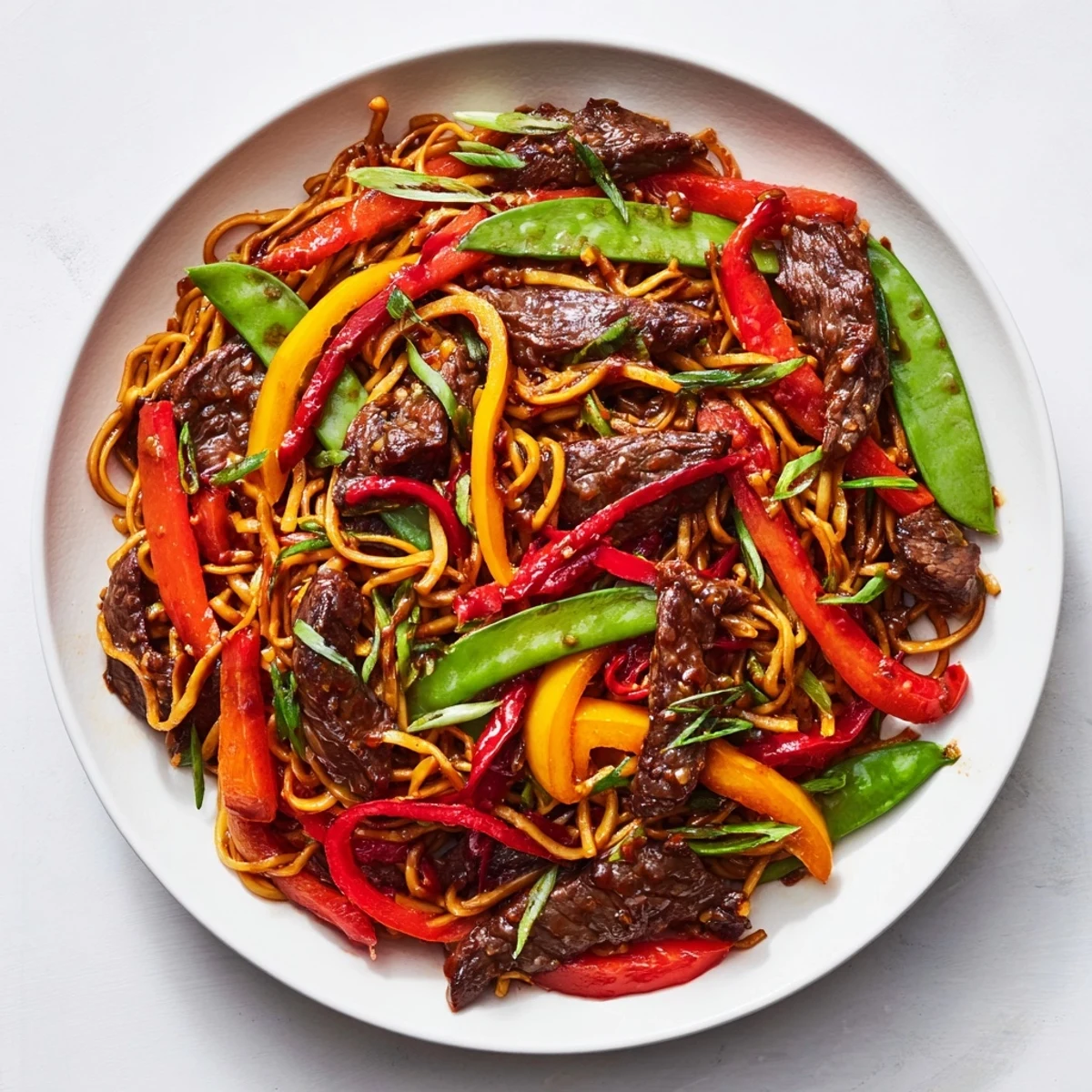
Save There's a moment right before you toss everything in the wok when it all feels possible—the beef is rested, the vegetables are sliced, the sauce is ready, and you can smell the heat building. It's that moment that makes cooking feel like less of a chore and more like a small rebellion against ordinary Tuesday nights.
The Spice Factor
Heat in this dish doesn't arrive all at once—it comes from the fresh chilies, the sriracha, and the ginger, each adding its own personality. I learned this the hard way by dumping in everything at once and clearing out my sinuses for an hour. Now I slice the chilies thin but leave the seeds in, add the sriracha to taste, and let people adjust at the table. Some nights I'm in the mood for a gentle warmth, other nights I want it to wake me up.
Timing and Texture
The rhythm of this stir fry is almost meditative once you understand it: the beef gets its color and leaves, the vegetables get their heat and firmness, everything comes back together for a final toss. I used to overthink the timing, worried something would overcook, but stir frying thrives on quickness and high heat. If you keep moving and don't lose your nerve, everything finishes at exactly the right moment.
Making It Your Own
This recipe is a frame, not a prison—I've made it with chicken when beef seemed too heavy, with tofu for friends who don't eat meat, and once with shrimp when I was feeling adventurous. The sauce stays the same, the method stays the same, and somehow it always tastes like home. Whatever protein you choose, the vegetables can shift too: broccoli, mushrooms, baby corn, or bok choy all belong here and deserve the same high-heat treatment.
- Cook proteins that aren't beef slightly less to avoid drying them out in the final toss.
- If you're using tofu, press it first and give it a quick pan-fry before it enters the stir fry.
- Gluten-free versions work perfectly if you swap in tamari and check your noodles and sauces.
 Save
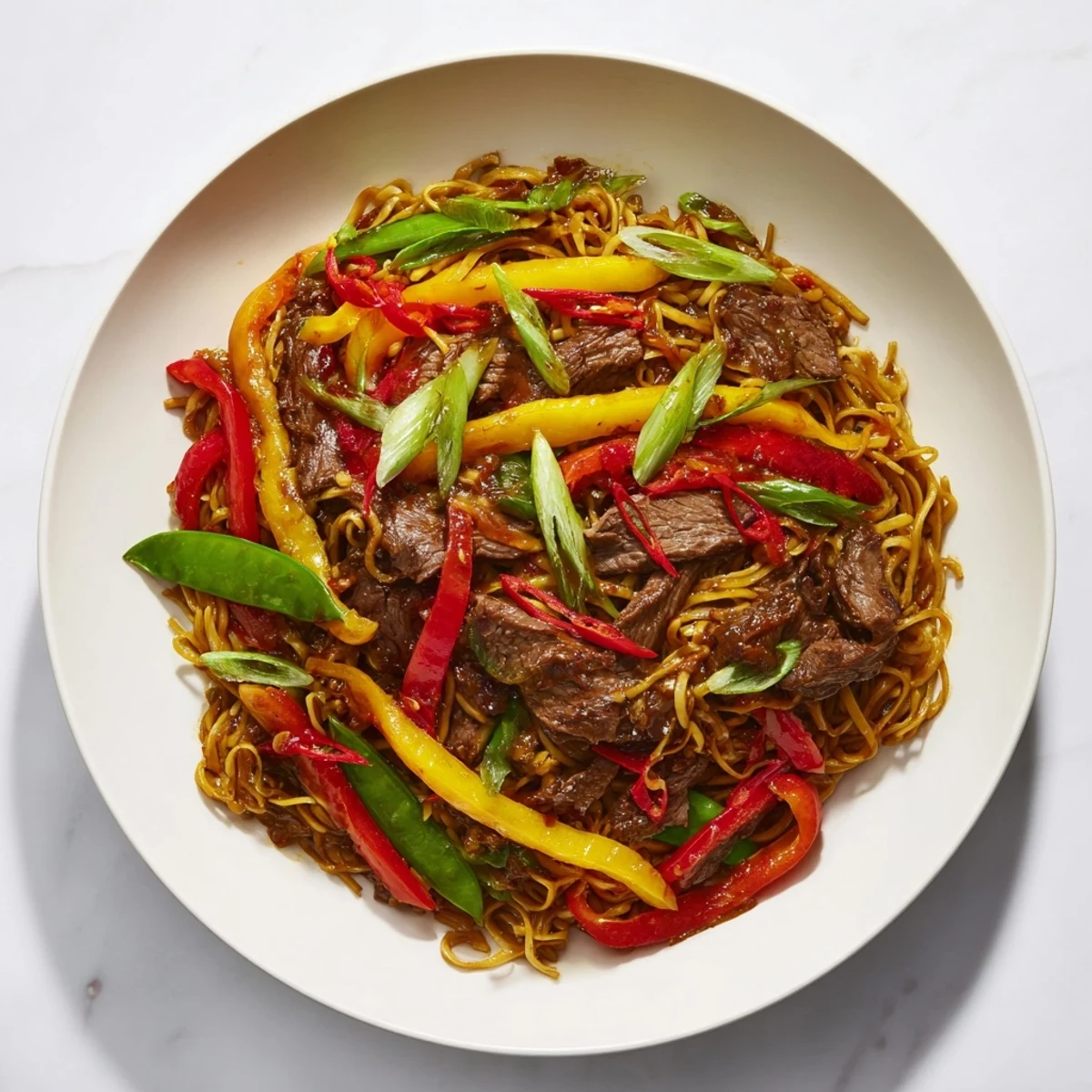
Save This stir fry has become the dish I make when I want to prove to myself that good food doesn't require hours or complicated techniques. It just requires a hot wok, ingredients you're not afraid of, and the confidence to let things move quickly.
Recipe FAQs
- → What cut of beef works best?
-
Thinly sliced sirloin or flank steak works well for quick, tender cooking and absorbing the marinade flavors.
- → Can I use different noodles?
-
Yes, egg noodles or rice noodles both complement the dish nicely, depending on your preference.
- → How spicy is this stir fry?
-
The heat comes from fresh red chilies and sriracha; adjust the amount to your desired spice level.
- → Any tips for keeping vegetables crisp?
-
Stir-fry veggies over high heat briefly until they are crisp-tender, preserving their color and texture.
- → Can this dish be made gluten-free?
-
Use gluten-free tamari and gluten-free noodles, along with vegetarian oyster sauce alternatives to make it gluten-free.
- → What sides pair well with this dish?
-
A cold lager or an aromatic white wine complements the bold, spicy flavors beautifully.