
 Save
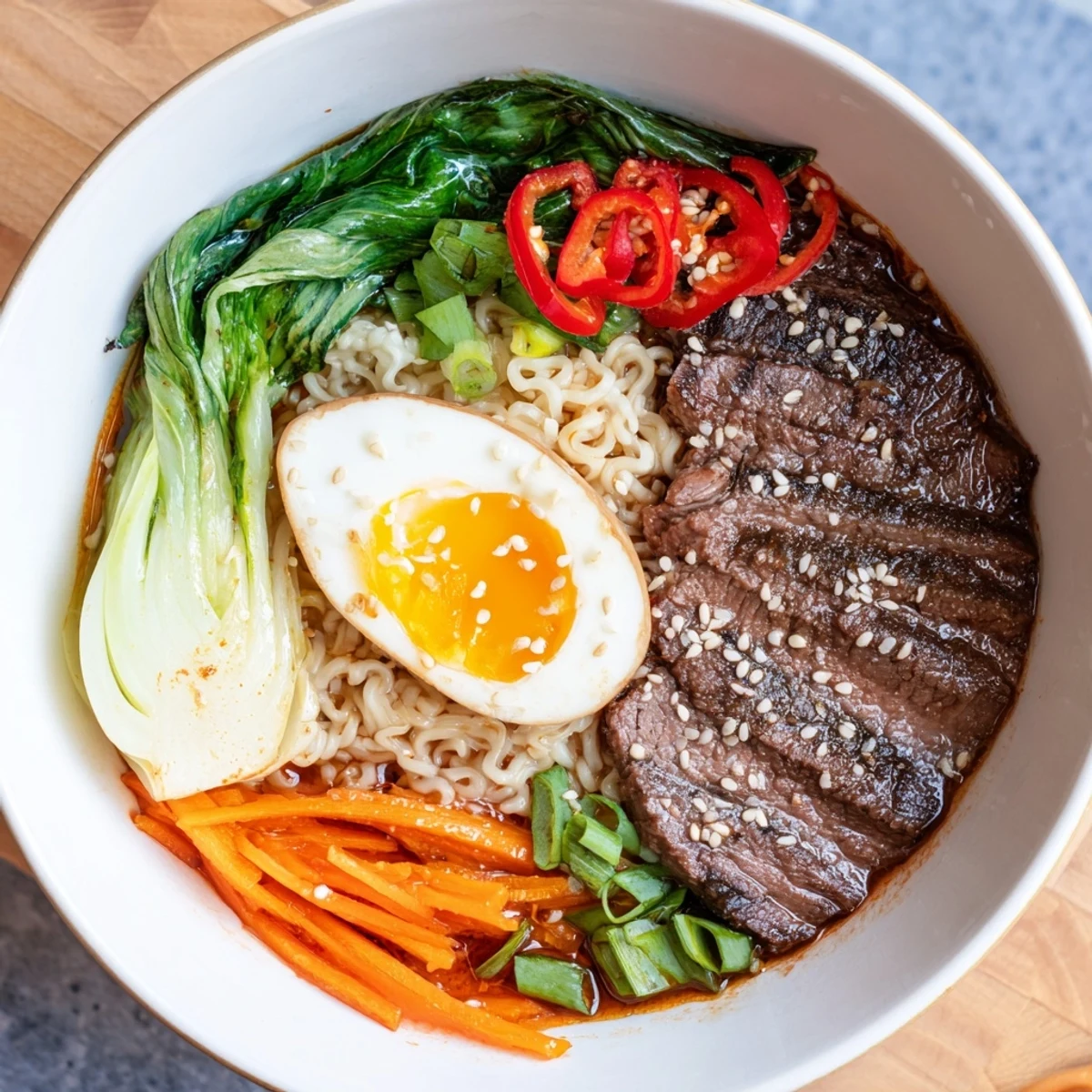
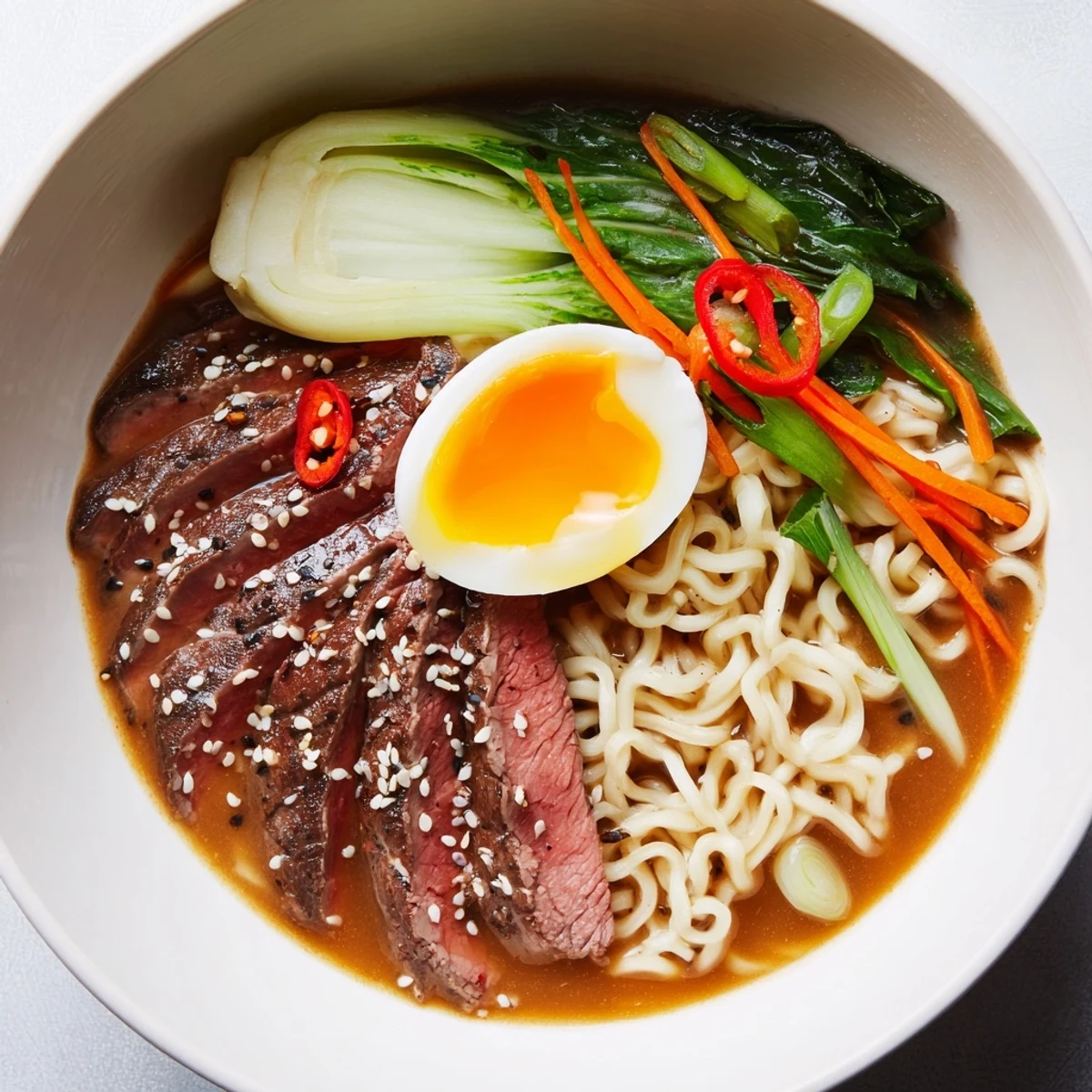
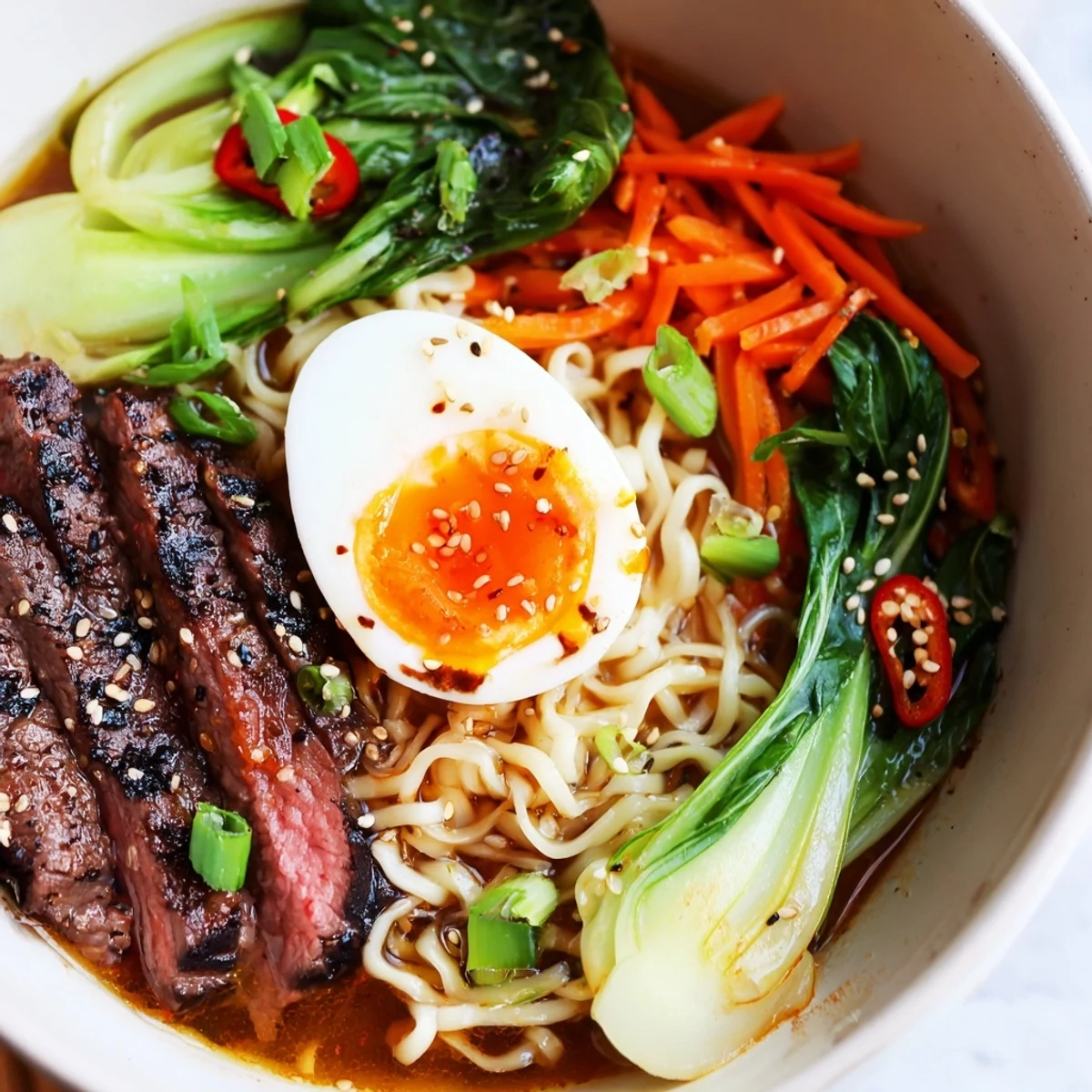
Save This dish features tender slices of marinated beef seared to perfection and served in a spicy, flavorful broth enriched with garlic, ginger, and gochujang. Fresh ramen noodles provide a chewy base, accompanied by blanched greens like spinach or bok choy, julienned carrot, and a delicately soft boiled egg. Toppings such as scallions, sesame seeds, and optional chili or nori add layers of texture and flavor. Perfect for cozy evenings or impressing guests with a warm, satisfying bowl.
On a freezing February night, I stood in a tiny ramen shop in Tokyo with condensation running down the windows, watching the chef lean over a pot of broth that had been simmering since dawn. The smell hit me first—garlic, ginger, and something deeper that I couldn't name—and I watched him place a perfectly soft-boiled egg into a bowl like it was the final word in a sentence. Years later, I realized I could recreate that moment in my own kitchen, and this spicy beef ramen became the dish I return to whenever I need to remember how good simple things can taste.
I made this for my sister when she was going through a rough patch, and she sat at my kitchen counter while the steam rose from the bowls, and for the first time in weeks, she actually smiled. The beef was tender, the broth had that satisfying heat that made her exhale slowly, and the egg yolk broke into the noodles like liquid gold. She asked for the recipe that night, and I knew right then that this dish had graduated from something I made for myself to something that could matter to other people too.
Ingredients
- Flank or sirloin steak (300 g), thinly sliced: The beef cooks fast at high heat and becomes tender, but only if you slice it against the grain—I learned this the hard way the first time I made this.
- Soy sauce, sesame oil, black pepper: These three transform bland beef into something savory and bright; the sesame oil especially adds a nutty whisper.
- Vegetable oil: Just enough to make the garlic and ginger speak without burning them.
- Garlic (4 cloves, minced) and fresh ginger (1 tbsp, grated): Mince them fine so they dissolve into the broth rather than sit as chunks—the smell alone tells you when you've got it right.
- Gochujang or Sriracha (2 tbsp): This is where the heat lives; gochujang has a fermented depth that Sriracha doesn't, but both work.
- Miso paste and soy sauce: Together they build umami, that savory depth that makes you want another bowl.
- Mirin and rice vinegar: The mirin rounds out the spice with sweetness, and the vinegar keeps everything from tasting heavy.
- Beef or chicken stock (1 liter) and water (500 ml): Stock does the work here; don't skimp on quality.
- Fresh ramen noodles (300 g): Fresh noodles are worth hunting for—they have a chew that dried noodles can't quite match.
- Large eggs (4): These need exactly 6 to 7 minutes in boiling water, then an ice bath to stop them from cooking further.
- Baby spinach, bok choy, carrot, scallions: These are your brightness and texture; don't skip them even if you're tired.
- Red chili, toasted sesame seeds, nori: The toppings are where you personalize—add what makes your kitchen smell like itself.
Instructions
- Marinate the beef while you think about the broth:
- Toss your sliced beef with soy sauce, sesame oil, and a grind of black pepper. Let it sit in a bowl while you move through the next steps—the flavors begin to layer even before the heat hits.
- Get the eggs started before they're forgotten:
- Boil water in a saucepan and gently lower in the eggs. Set a timer for exactly 6 to 7 minutes; I use 6 and a half because my kitchen is warm. The moment the timer goes off, transfer them to ice water or they'll keep cooking and the yolk will be chalky instead of jammy.
- Build the broth carefully so nothing burns:
- Heat oil in a large pot over medium heat, then add garlic and ginger—you'll know they're ready when the smell becomes almost dizzying. Stir in gochujang, miso, soy sauce, mirin, and vinegar, stirring constantly for about a minute so the paste breaks down instead of clumping. Pour in your stock and water, let it come to a gentle simmer, and let it cook for about 10 minutes while the flavors marry.
- Sear the beef until it's just past raw:
- Heat your skillet very hot—you want a real sizzle when the beef hits the pan. The beef slices only need 2 to 3 minutes total; pull them out when there's still a trace of pink inside, because they'll keep cooking slightly when you add them to the hot broth.
- Cook noodles to the package instructions:
- Fresh ramen noodles usually take 3 to 4 minutes; dried take longer. Drain them and divide them among your bowls—don't oversoak them in water or they'll get mushy.
- Wilt the greens right in the broth:
- Spinach or bok choy only needs 1 to 2 minutes in the simmering broth. Fish them out with tongs so they don't get tangled in your ladle.
- Pour and build each bowl like it matters:
- Ladle the hot broth over the noodles, then layer on the beef, greens, carrot, and a halved egg so the yolk breaks slightly into the broth. Finish with scallions, chili, sesame seeds, and nori strips—make it look like something worth the wait.
 Save
Save There's a moment when everyone goes quiet at the table and all you hear is the sound of slurping noodles and spoons scraping the bottom of bowls—that's when you know you've made something worth making. This ramen does that almost every time.
Why the Details Matter
Ramen looks like it should be quick and casual, but it's actually a study in small decisions that add up to something bigger. The difference between beef that's tender and beef that's tough is literally the angle of your knife. The difference between a broth that tastes alive and one that tastes flat is respecting the simmer and not rushing it. I used to think these details were show-offy, but I've learned they're actually kindness—to your guests and to yourself.
Playing with the Heat
The spice in this dish is yours to control, and that's one of the best parts. Some nights I use less gochujang because I want the beef flavor to shine through. Other nights I'm feeling bold and I add a little more, or I finish with extra chili slices so there's a lingering heat that makes you reach for water. There's no right answer—only what tastes right to you in that moment.
Making It Your Own
Once you've made this once or twice, you'll start seeing where you can leave your fingerprints on it. Some people add a splash of sesame oil to their bowl at the end. Others throw in soft tofu or mushrooms. I've had versions with crispy shallots scattered on top, and versions where someone added a single star anise to the broth for warmth. The base stays solid, but the variations are endless, and that's exactly how it should be.
- If you want vegetarian, swap the beef for marinated tofu and use vegetable stock instead.
- Fresh ramen noodles make a real difference, but dried works fine if that's what you have.
- Make the broth earlier in the day and reheat it gently when you're ready to eat—the flavors actually deepen when they sit.
 Save
Save This ramen is the kind of dish that becomes a quiet habit, something you make for yourself on cold nights or for someone else when words aren't enough. It's warm, it's nourishing, and it tastes like someone in the kitchen was paying attention.
Recipe FAQs
- → How do I achieve a perfectly soft boiled egg?
-
Boil eggs for 6–7 minutes, then immediately transfer to an ice bath to stop cooking and ease peeling.
- → What can I use instead of beef for a vegetarian option?
-
Replace beef with marinated tofu and use vegetable stock to maintain rich flavors.
- → How can I adjust the spice level?
-
Increase or decrease the amount of gochujang or Sriracha according to your heat preference.
- → Are there alternatives to spinach in the broth?
-
Bok choy or other leafy greens work well to add freshness and texture.
- → What’s the best way to prepare the noodles?
-
Cook fresh ramen noodles according to package instructions, then drain well before serving.