
 Save
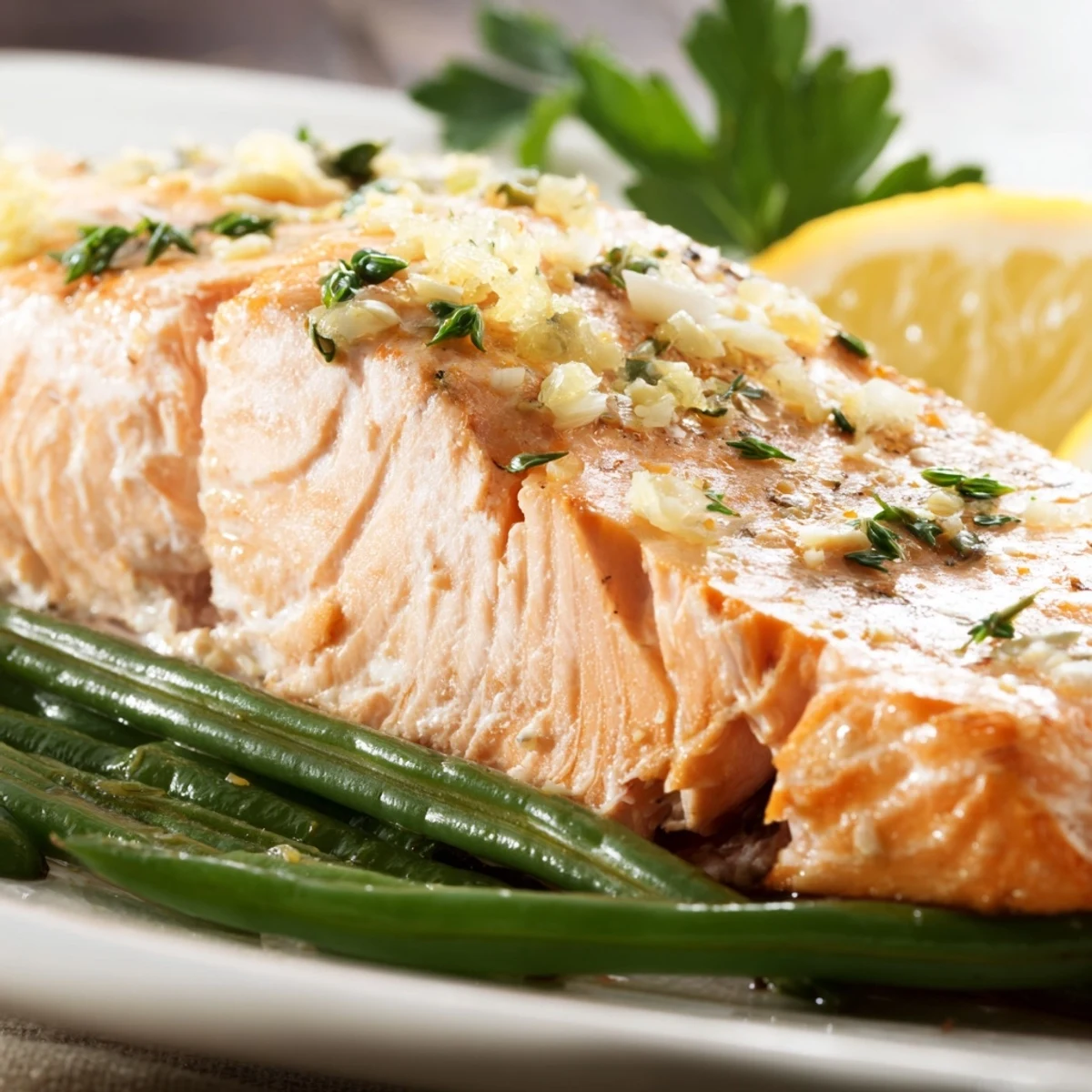
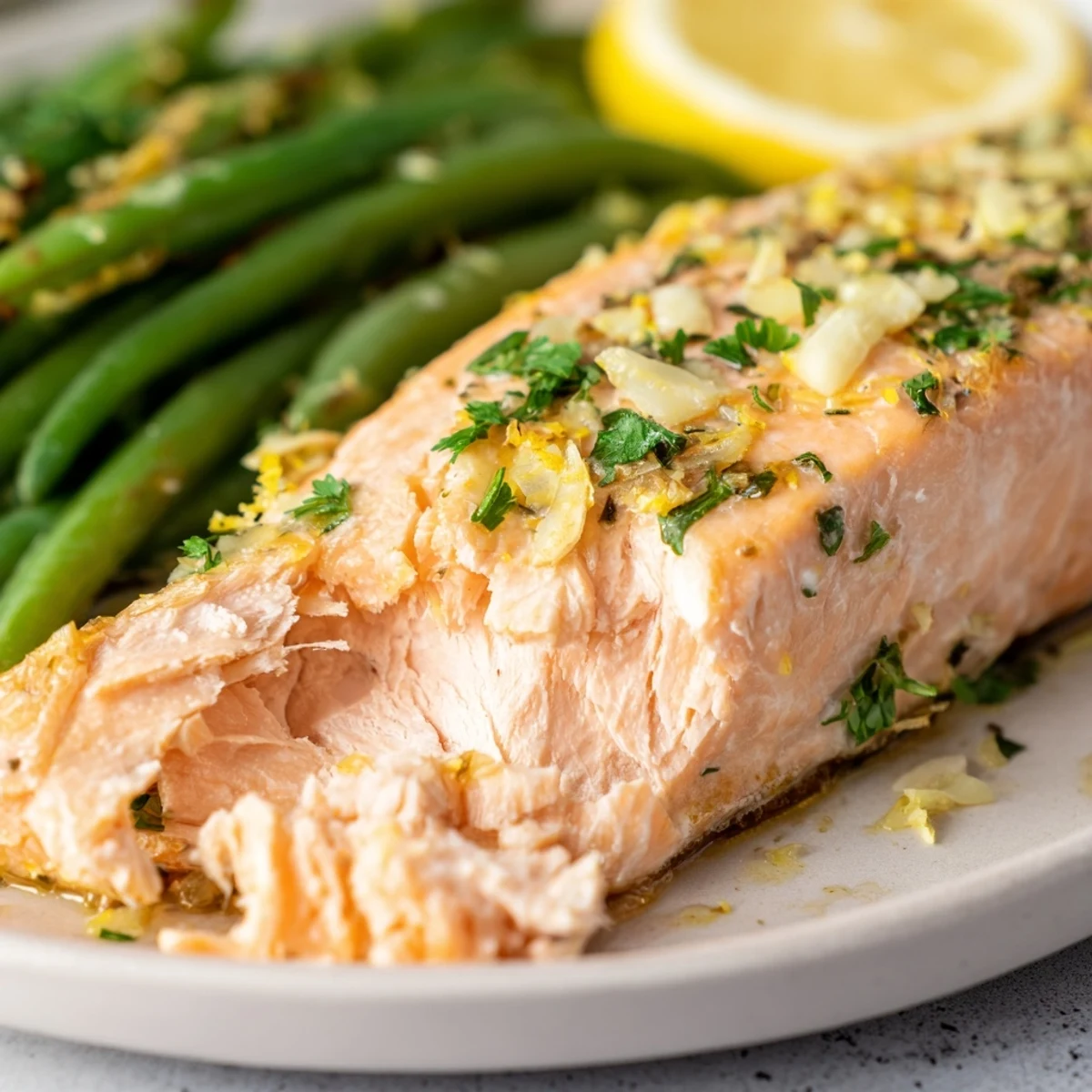
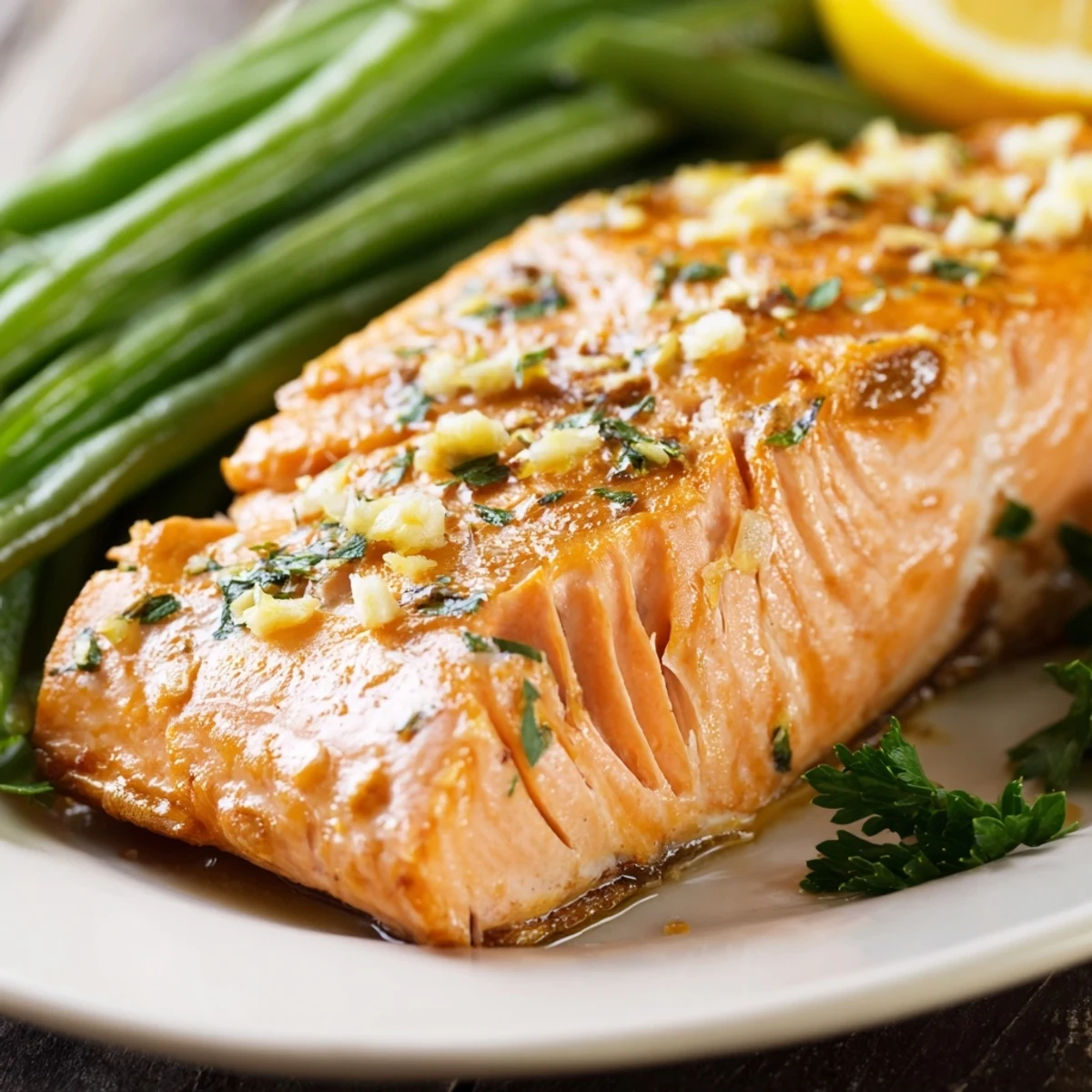
Save This vibrant sheet pan meal combines tender salmon fillets roasted alongside fresh green beans, both infused with zesty lemon and aromatic herbs. The simple marinade of olive oil, garlic, thyme, salt, and pepper elevates the natural flavors, while roasting ensures a delightful texture—crispy beans and succulent salmon. Finished with fresh parsley and lemon wedges, it’s a quick, healthy dish ideal for an easy weeknight dinner.
My neighbor knocked on the door one Wednesday evening with a bag of impossibly fresh salmon from the farmer's market, still cold from the ice. She'd bought too much and wanted to know if I had any ideas. Twenty minutes later, we had this sheet pan dinner on the table, and I realized how the simplest meals sometimes taste the best when you're not overthinking them.
I've made this at least a dozen times now, mostly on nights when I'm tired but refuse to order takeout. Once, I completely forgot the thyme and used fresh dill instead, and my partner said it was somehow better. That moment taught me that recipes are suggestions, not commandments, and that kitchen mistakes often become kitchen wins.
Ingredients
- Salmon fillets (4 pieces, about 5 oz each): Look for fillets that smell like the ocean, not fishy—that's how you know they're fresh and will be tender when roasted.
- Fresh green beans (400 g): Trim the stringy ends, but don't overthink it; the goal is vegetables that are cooked through but still have a slight snap to them.
- Olive oil (2 tbsp): This isn't the place to be stingy; good olive oil carries all the flavor in this simple dish.
- Lemon (1 whole): Zest it first before you juice it, or you'll be zesting juice-pulp, which is annoying.
- Garlic (2 cloves, minced): Fresh garlic makes a real difference; the jarred stuff will fade into the background.
- Dried thyme (1 tsp) or fresh thyme: Either works, but fresh thyme feels more luxurious if you have it on hand.
- Sea salt and black pepper: These are your final flavor check; taste as you go and adjust to your preference.
Instructions
- Prep Your Stage:
- Heat your oven to 200°C (400°F) while you line a large sheet pan with parchment paper. This small step saves you from the frustration of salmon sticking, which ruins both dinner and your evening mood.
- Make the Bright Marinade:
- Whisk together olive oil, lemon zest, lemon juice, minced garlic, thyme, salt, and pepper in a small bowl. The mixture should smell alive and make you want to taste everything.
- Arrange and Dress the Vegetables:
- Scatter the green beans on one side of the sheet pan, drizzle them with half the marinade, and toss everything so they're evenly coated. They'll roast into tender-crisp perfection while you handle the star of the show.
- Place the Salmon:
- Arrange salmon fillets on the other side of the pan, skin-side down if you like crispy skin. Brush the tops generously with the remaining marinade so each piece gets its share of garlic and lemon.
- Roast Until Golden:
- Pop the pan in the oven for 15 to 20 minutes, depending on the thickness of your fillets. The salmon is done when it flakes easily and reaches an internal temperature of 52–57°C (125–135°F).
- Finish and Serve:
- Pull everything out of the oven and let it rest for a minute. Serve with fresh lemon wedges and a sprinkle of parsley if you're feeling fancy.
 Save
Save There was a rainy Sunday when my daughter sat at the kitchen counter and actually ate the green beans without complaint. She said they tasted "crispy like chips," and that single moment made me understand why I keep cooking this meal over and over.
Why This Meal Works on Busy Nights
Sheet pan cooking is honest. You're not juggling pots or watching multiple timers; you just check in once and walk away. The oven does the work while you pour a glass of wine or finally sit down. It's the kind of dinner that feels indulgent but doesn't demand anything from you except patience.
Customizing Without Losing the Plot
I've swapped asparagus for green beans and added cherry tomatoes for sweetness. I've used lime instead of lemon and fresh tarragon instead of thyme. The structure is so forgiving that you can play with it and still land somewhere delicious. The real secret is keeping the lemon, the garlic, and the good oil; those three things are non-negotiable.
Pairing and Finishing Touches
This dinner deserves something light and crisp to drink—a Sauvignon Blanc or Pinot Grigio sits beside it like a perfect friend. Serve it straight from the pan if you're cooking for people you're comfortable with, or plate it nicely if you want to feel more put-together. Either way, it tastes like you tried.
- A sprinkle of fleur de sel at the end catches the light and makes everything look intentional.
- Fresh parsley or dill adds color and a bright note that makes your food Instagram-worthy without trying.
- Have lemon wedges at the table so people can squeeze more juice if they want; some of us are lemon fiends.
 Save
Save This is the kind of dinner you'll make again and again because it works every time and never feels boring. It's proof that you don't need complicated techniques or rare ingredients to feed yourself and the people you care about well.
Recipe FAQs
- → What temperature is best for roasting salmon and green beans together?
-
Roast at 200°C (400°F) to ensure the salmon cooks through while the green beans become tender-crisp.
- → Can I use fresh herbs instead of dried thyme?
-
Yes, fresh thyme leaves work wonderfully and add a brighter herbal note to the dish.
- → How do I know when the salmon is perfectly cooked?
-
The salmon is done when it reaches an internal temperature of 52–57°C (125–135°F) and flakes easily with a fork.
- → What are good ingredient substitutions for green beans?
-
Asparagus or broccoli are excellent alternatives and roast well alongside the salmon.
- → How can I add extra texture to this dish?
-
Adding cherry tomatoes or sliced almonds before roasting adds a delightful crunch and flavor contrast.