
 Save
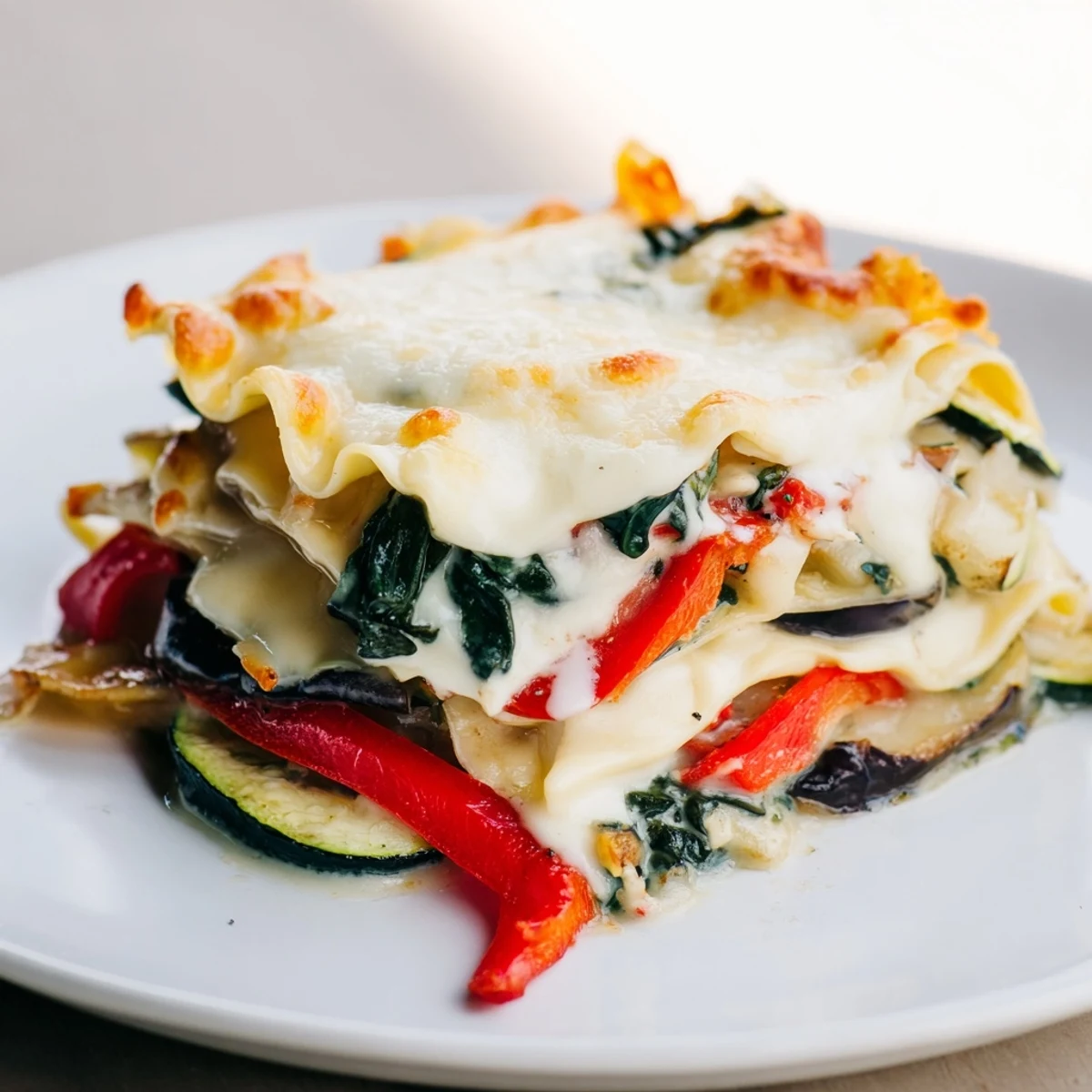
Save This comforting Italian dish combines roasted seasonal vegetables with a creamy béchamel sauce layered between tender pasta sheets. The vegetables are caramelized to bring out their natural sweetness, while the sauce adds a smooth, velvety texture. Multiple cheese layers contribute a rich, savory note, and baking until golden ensures a bubbly, satisfying meal. Perfect served after resting to let flavors meld together.
There's something almost meditative about layering a lasagna, watching each component stack into something greater than its parts. I discovered this version during a particularly quiet Sunday afternoon when I had an overflowing farmers market haul and no plan, just a craving for something warm and assembled. The combination of roasted vegetables with their caramelized edges and a silky béchamel became my answer to craving both comfort and lightness at the same time.
I made this for my neighbor one winter evening when she'd been overwhelmed with work, and watching her face when she cut into it and saw all those golden vegetables was worth every minute of prep. That's when I realized lasagna doesn't have to be traditional to feel like home.
Ingredients
- Zucchini and eggplant: These are your foundation, and roasting them high and hot is what gives them that slightly crispy exterior that anchors the whole dish.
- Bell peppers: The red and yellow versions add sweetness and color that actually matters visually and flavor-wise.
- Red onion: Its sharpness mellows into something almost jammy when roasted, giving depth to every bite.
- Olive oil, oregano, salt, and pepper: Don't skip properly seasoning the vegetables before roasting—this is where half your flavor comes from.
- Unsalted butter and flour: The foundation of béchamel, and using unsalted lets you control the salt level precisely.
- Whole milk, warmed: Room temperature or warm milk whisks in smoothly without shocking the roux, preventing those frustrating lumps.
- Nutmeg: Just a whisper of it in béchamel is the secret detail that makes people ask what spice that is.
- No-boil lasagna noodles: They actually work beautifully here because the béchamel and vegetable moisture hydrate them perfectly.
- Mozzarella and Parmesan: The combination gives you both creaminess and a hint of sharpness on top.
- Baby spinach (optional): It wilts down to almost nothing but adds nutrition and a subtle earthiness.
Instructions
- Get your vegetables ready:
- Preheat your oven to 425°F and line two baking sheets with parchment. Slice your zucchini, eggplant, peppers, and onion into even rounds or strips so they cook uniformly.
- Season and roast:
- Toss everything with olive oil, oregano, salt, and pepper, then spread on your sheets in a single layer. You want them to touch the hot pan, not steam on top of each other. After about 12 minutes, flip everything over and continue roasting until the edges are golden and caramelized, about 8–13 more minutes.
- Make your béchamel:
- In a medium saucepan, melt butter over medium heat, then whisk in flour, cooking just until it stops smelling raw and takes on a pale golden color. Slowly pour in your warm milk while whisking constantly—this is the part that prevents lumps, so don't rush it.
- Simmer and season:
- Keep whisking over medium heat for about 5–7 minutes until the sauce coats the back of a spoon. Add your nutmeg, salt, and white pepper, then taste and adjust. It should taste comforting and slightly salty.
- Build your layers:
- Lightly oil a 9x13-inch baking dish and spread a thin layer of béchamel on the bottom. Lay down noodles, then vegetables, a handful of spinach if you're using it, more sauce, and a sprinkle of mozzarella. Repeat this twice more, finishing with noodles on top, then your remaining béchamel, mozzarella, and Parmesan.
- Bake low and slow, then finish hot:
- Cover with foil and bake at 375°F for 25 minutes to let everything heat through without drying out. Remove the foil and bake another 15 minutes until the top is golden and bubbling at the edges.
- Let it rest:
- This is important and easy to skip—give it 10–15 minutes out of the oven so it sets enough to slice cleanly instead of sliding apart on the plate.
 Save
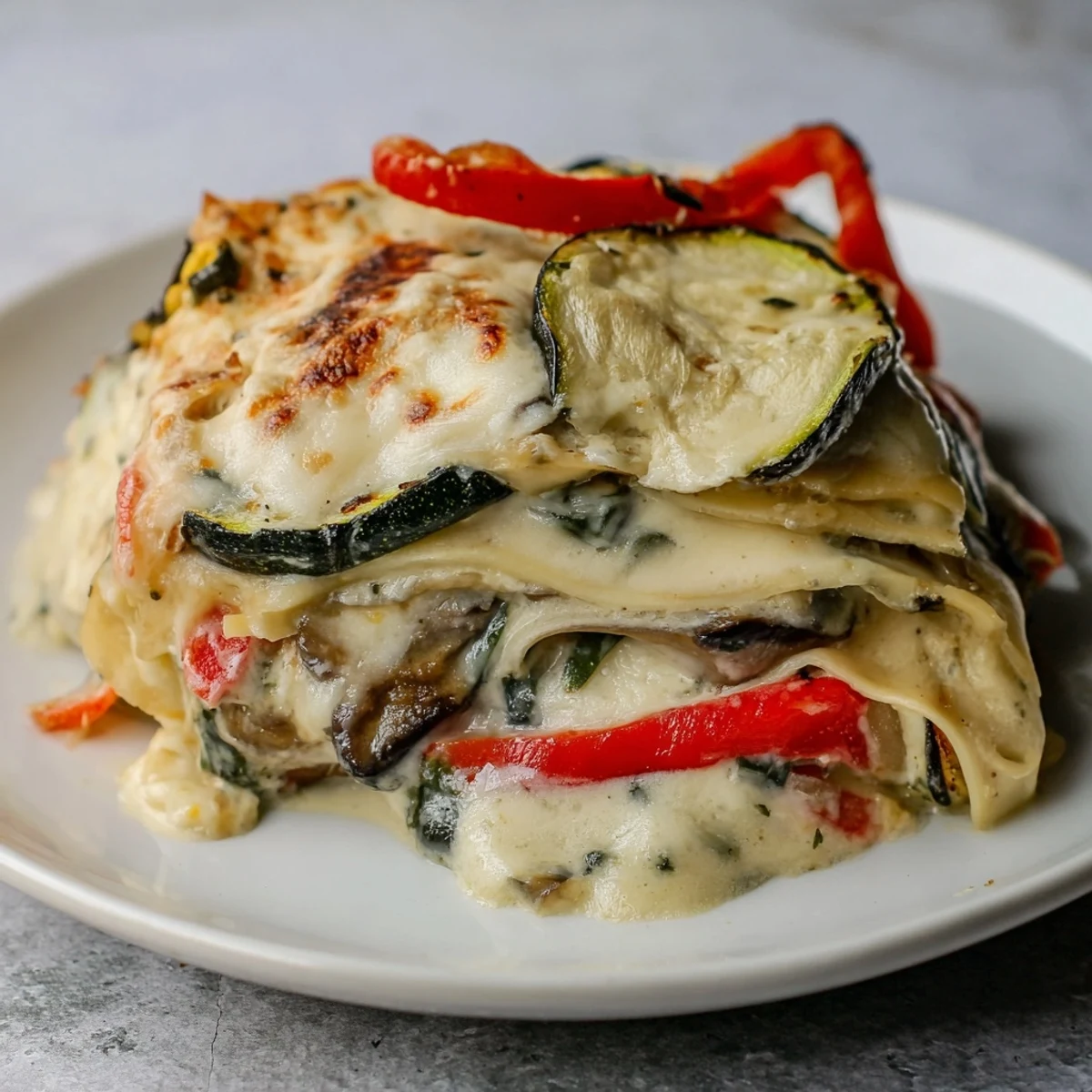
Save There's a moment when you pull lasagna from the oven and the kitchen fills with that specific smell of baked cheese and herbs—it's the smell that makes people walk into your kitchen asking what you're making. That's when you know you've made something that goes beyond just filling a plate.
Variations and Add-Ins
This is where the recipe becomes yours to experiment with. Mushrooms, particularly cremini or porcini, add an earthy depth that works beautifully alongside the roasted peppers. Summer squash, thin slices of asparagus, or even broccoli work too—the key is not overloading the layers or you'll end up with lasagna that collapses. I've also layered in pesto between vegetables before the béchamel, and it transforms the whole thing into something more herbaceous and bright.
Béchamel Secrets and Troubleshooting
Béchamel is one of those sauces that seems intimidating until you've made it once, then becomes automatic. The key is medium heat—too high and you'll burn the flour; too low and it takes forever. The milk should be warm but doesn't need to be hot, and whisking constantly is what prevents lumps from forming. If you do end up with lumps, strain the sauce through a fine mesh sieve and it'll be smooth again.
- A tiny pinch more nutmeg than you think you need is exactly right.
- White pepper instead of black keeps the sauce looking pristine, though black pepper works fine if that's what you have.
- Make it the day before if you prefer—it actually thickens more as it cools, which can be good or bad depending on consistency.
What to Serve Alongside
Lasagna is rich enough that it doesn't need much, but a crisp green salad with a sharp vinaigrette cuts through the creaminess beautifully. A simple arugula salad with lemon dressing is my go-to, or even just butter lettuce with a basic vinaigrette. If you're having people over, a crusty bread for soaking up any extra sauce on the plate is always appreciated, and a glass of Chianti or a dry white wine like Pinot Grigio pairs wonderfully.
 Save
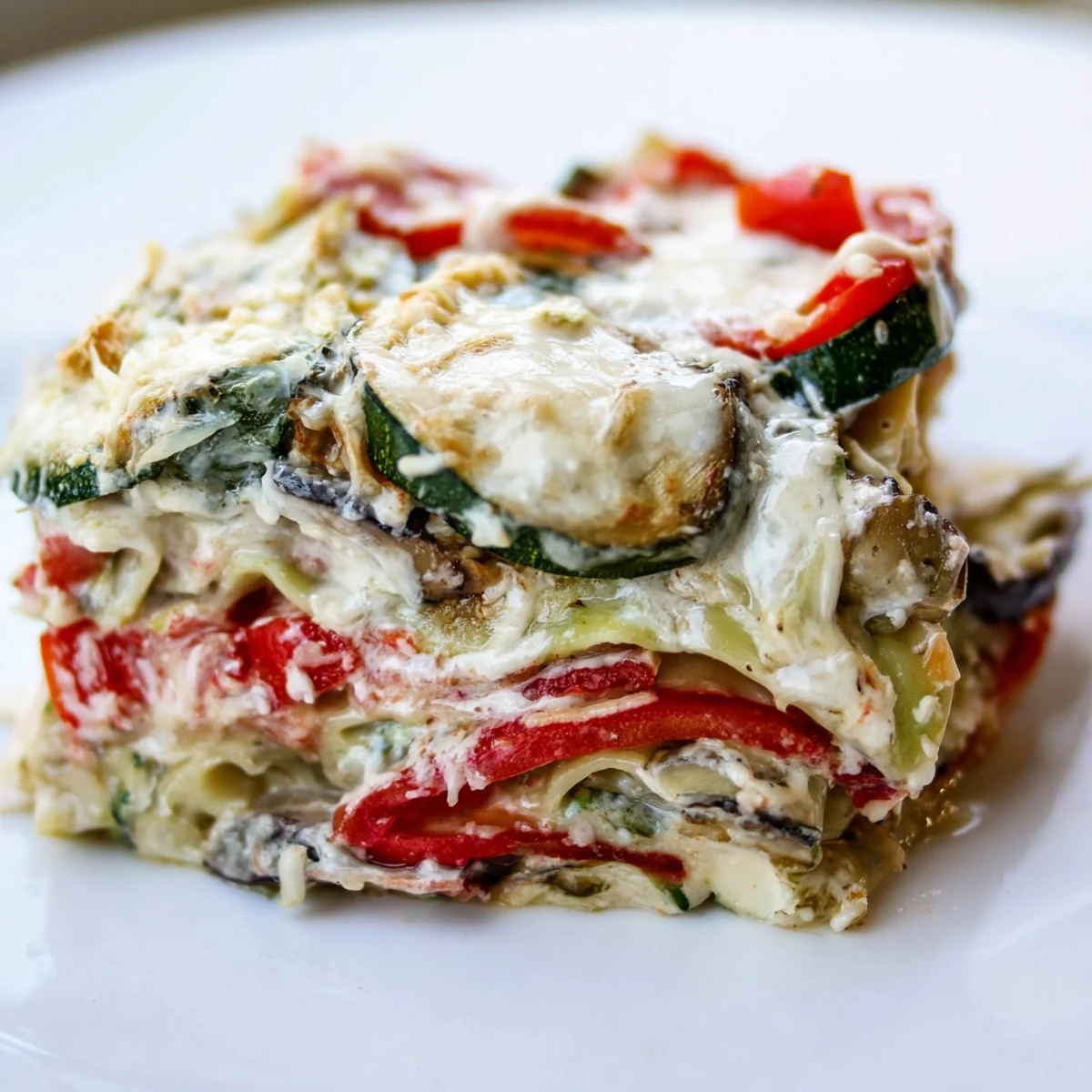
Save Lasagna has this quiet confidence about it, the kind of dish that brings people together without trying too hard. Once you've made this version, it becomes something you return to when you want to feel capable in the kitchen and feed people something they'll actually remember.
Recipe FAQs
- → How do you roast the vegetables for best flavor?
-
Slice vegetables evenly and toss with olive oil, oregano, salt, and pepper. Roast at 425°F until tender and lightly caramelized for maximum sweetness and depth.
- → What makes the béchamel sauce creamy and smooth?
-
Whisking butter and flour until lightly golden before gradually adding warm milk ensures a lump-free, velvety béchamel. A pinch of nutmeg enhances its flavor.
- → Can I use no-boil noodles for easier assembly?
-
Yes, no-boil lasagna noodles simplify layering and absorb moisture from the béchamel, making them tender without pre-cooking.
- → What is the best way to assemble the layers evenly?
-
Start with a béchamel base, then alternate noodles, roasted vegetables, béchamel, and shredded cheeses in even portions for balanced flavor and texture.
- → How long should the dish rest before serving?
-
Allow it to rest for 10–15 minutes after baking to let the layers set, making it easier to slice and enhancing overall flavor.
- → Are there recommended vegetable substitutions?
-
Seasonal veggies like mushrooms, squash, or other favorites can replace or complement the roasted vegetables for variety and freshness.