
 Save
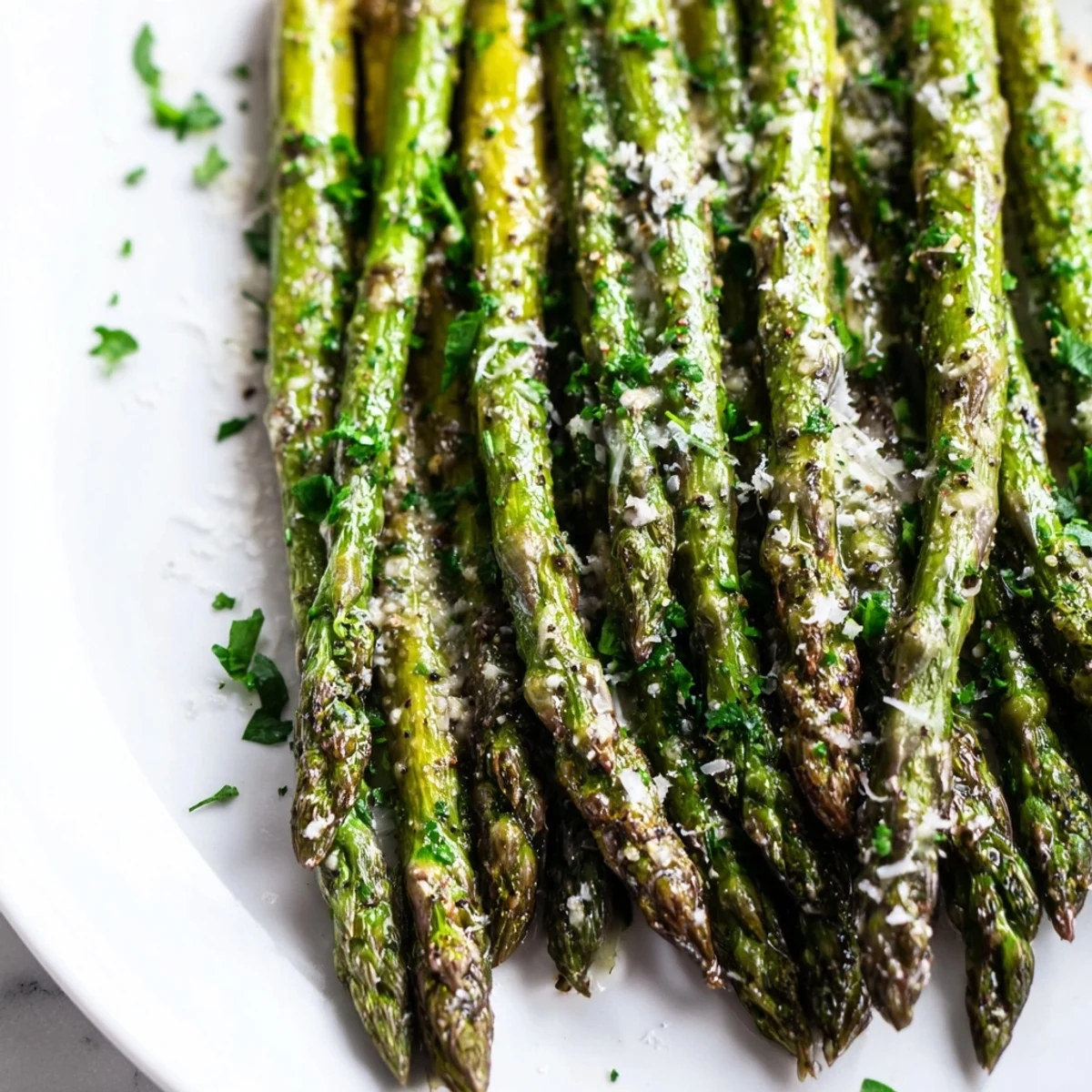
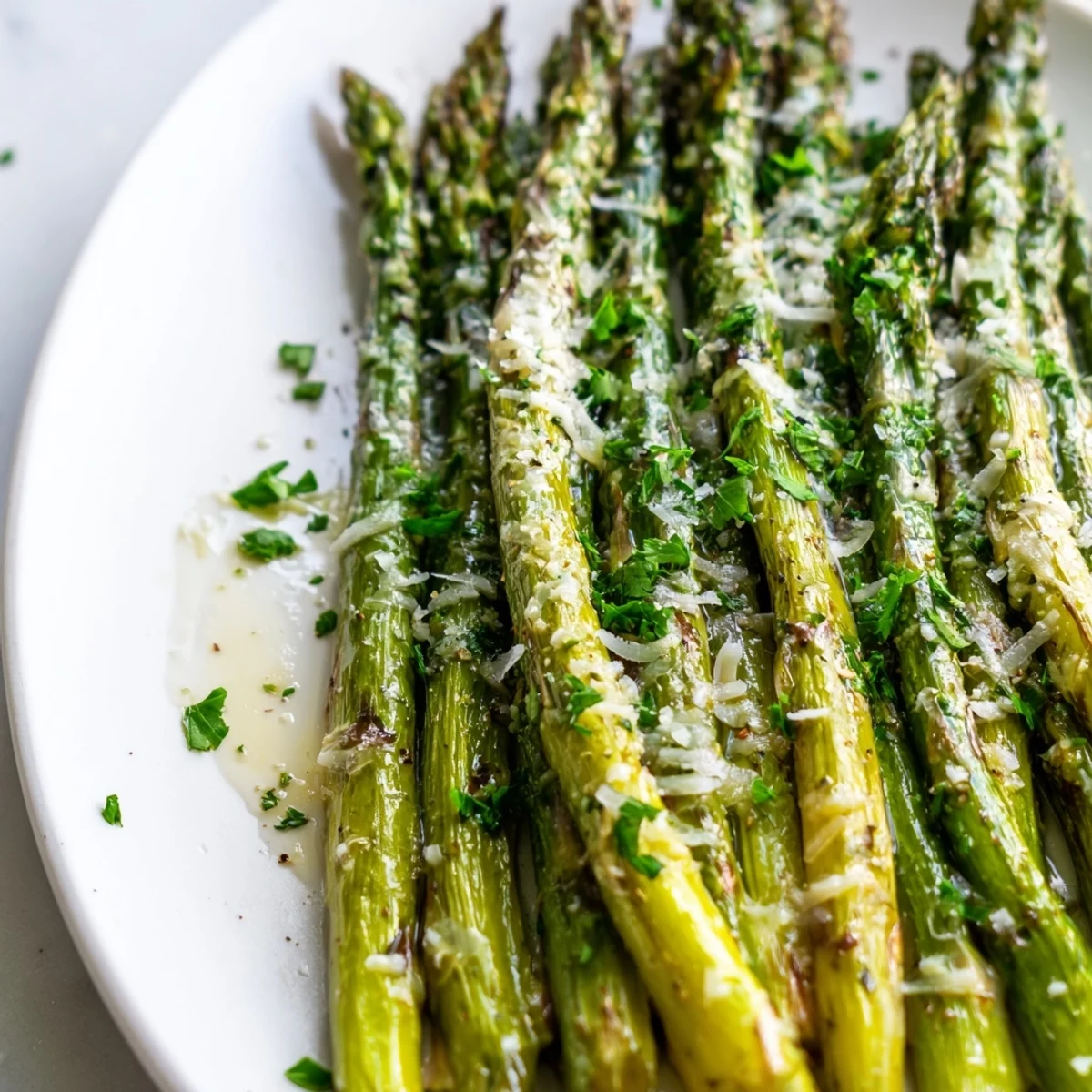
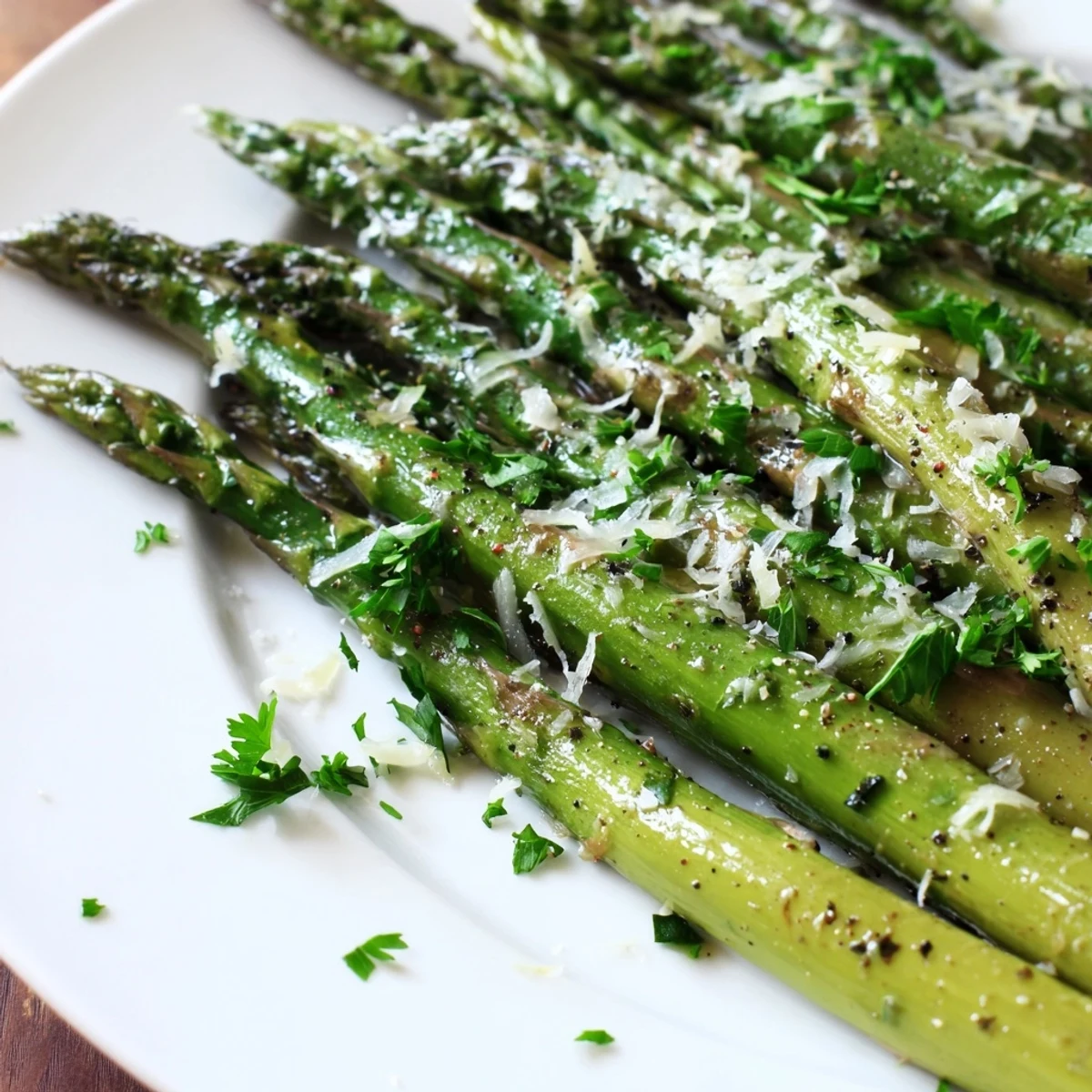
Save This dish features fresh asparagus spears drizzled with olive oil, seasoned with sea salt and pepper, then roasted until tender and slightly golden. A sprinkle of freshly grated Parmesan cheese melts on top, adding a savory and elegant finish. Garnished with chopped parsley and served with lemon wedges, it complements a variety of meals with a delicious, simple preparation best enjoyed fresh from the oven.
My neighbor taught me the secret to roasted asparagus one spring when she noticed I always overcomplicated it. She said the magic wasn't in the technique—it was in trusting the heat and the Parmesan to do the talking. That first time I made it her way, the kitchen filled with this nutty, golden smell that made everyone pause mid-conversation. It's been my go-to ever since, especially when I want something that feels fancy but actually lets me breathe.
I made this for my parents last Easter when I wanted to prove I could do something beyond pasta salad. My dad, who doesn't eat many vegetables, actually went back for more. That's when I knew I'd stumbled onto something that transcends the "it's good for you" category and lands in the "I actually want this" zone.
Ingredients
- Fresh asparagus, trimmed (1 lb): Look for firm spears that snap cleanly when you bend them—that's your sign they're fresh and not woodsy.
- Olive oil (2 tbsp): A good quality one makes a difference, but don't splurge on your fancy bottle; a solid everyday oil is perfect here.
- Sea salt (1/2 tsp): This is where seasoning starts; don't skip it or undersalt thinking the Parmesan will cover it.
- Freshly ground black pepper (1/4 tsp): Grind it fresh—pre-ground loses its bite and this dish needs that little peppery sharpness.
- Freshly grated Parmesan cheese (1/3 cup): Block cheese grated by hand melts better than pre-grated, which has anti-caking agents that interfere with that golden melt.
- Fresh parsley and lemon wedges (optional): These are your final touches that make it look intentional and brighten everything up.
Instructions
- Set your oven hot and prep:
- Crank the oven to 425°F and line your baking sheet with parchment paper so cleanup is almost non-existent. A hot oven is non-negotiable here—you want the asparagus to roast, not steam.
- Lay out and oil:
- Spread the trimmed asparagus in a single layer and drizzle with olive oil, then season with salt and pepper. Toss it gently with your hands to coat everything evenly, making sure nothing is hiding underneath without seasoning.
- Roast until golden:
- Pop it in the oven for 12 to 15 minutes—you're looking for the tips to be slightly browned and the spears tender when you poke them with a fork. If your asparagus is particularly thick, give it the full 15 minutes.
- Add the Parmesan at the last moment:
- Pull the pan out, sprinkle the grated Parmesan generously over everything while it's hot, then slide it back in for just 1 to 2 minutes. This quick melt creates those little crispy, caramelized bits that make everyone lean in closer.
- Finish and serve:
- Transfer to your serving plate, scatter parsley on top if you want color, and set lemon wedges alongside. Squeeze a bit of lemon over each bite right before eating if you want that brightness.
 Save
Save I made this for someone I was trying to impress once, and they told me afterward that it was the roasted asparagus that convinced them I was worth knowing better. It's funny how a simple side dish can become part of a memory that matters.
Choosing the Best Asparagus
Spring is when asparagus is at its best, so if you're making this in season, you're already halfway there. Look for spears that are bright green with tight tips—they should feel firm, not limp or slimy. Thin versus thick is just preference; thinner ones cook faster and get crispier at the edges, while thick ones stay more tender inside, so choose based on your mood.
Why Roasting Changes Everything
Roasting asparagus instead of boiling or steaming concentrates its natural sweetness and gives it a slight char that makes it taste more like itself, somehow. The heat brings out the mineral, earthy notes that make people forget they're eating a vegetable and just enjoy how good it tastes. It's one of those techniques that feels fancy but is actually the easiest way to cook it well.
Small Variations That Matter
Once you master the basic version, little tweaks can shift the whole personality of this dish. A pinch of red pepper flakes adds a warm whisper of heat, while swapping Pecorino Romano for Parmesan gives you something sharper and more assertive. I've even tried a touch of garlic powder mixed with the salt, and it creates an almost savory-umami depth that keeps people guessing.
- Red pepper flakes, a squeeze of lemon, and fresh garlic make it brighter and more Mediterranean.
- A tiny pinch of nutmeg sounds odd but creates a subtle sweetness that rounds everything out.
- Toss it with a drizzle of balsamic glaze after roasting if you want something a bit more complex.
 Save
Save This dish has taught me that sometimes the best food is the least fussy food—just good ingredients, heat, and trust. Serve it warm and watch it disappear.
Recipe FAQs
- → What temperature is best for roasting asparagus?
-
A high temperature around 425°F (220°C) helps achieve tender asparagus with slight golden edges.
- → How do I ensure the asparagus cooks evenly?
-
Arrange asparagus in a single layer on the baking sheet and toss with oil and seasonings to coat evenly before roasting.
- → Can I substitute Parmesan cheese?
-
Pecorino Romano works well as a substitute, providing a similar salty and savory flavor.
- → What garnishes complement the roasted asparagus?
-
Fresh chopped parsley and lemon wedges add brightness and fresh contrast to the rich Parmesan topping.
- → How long should asparagus be roasted for optimal texture?
-
Roast for 12 to 15 minutes until tender with slight browning, then return briefly to melt the cheese.