
 Save
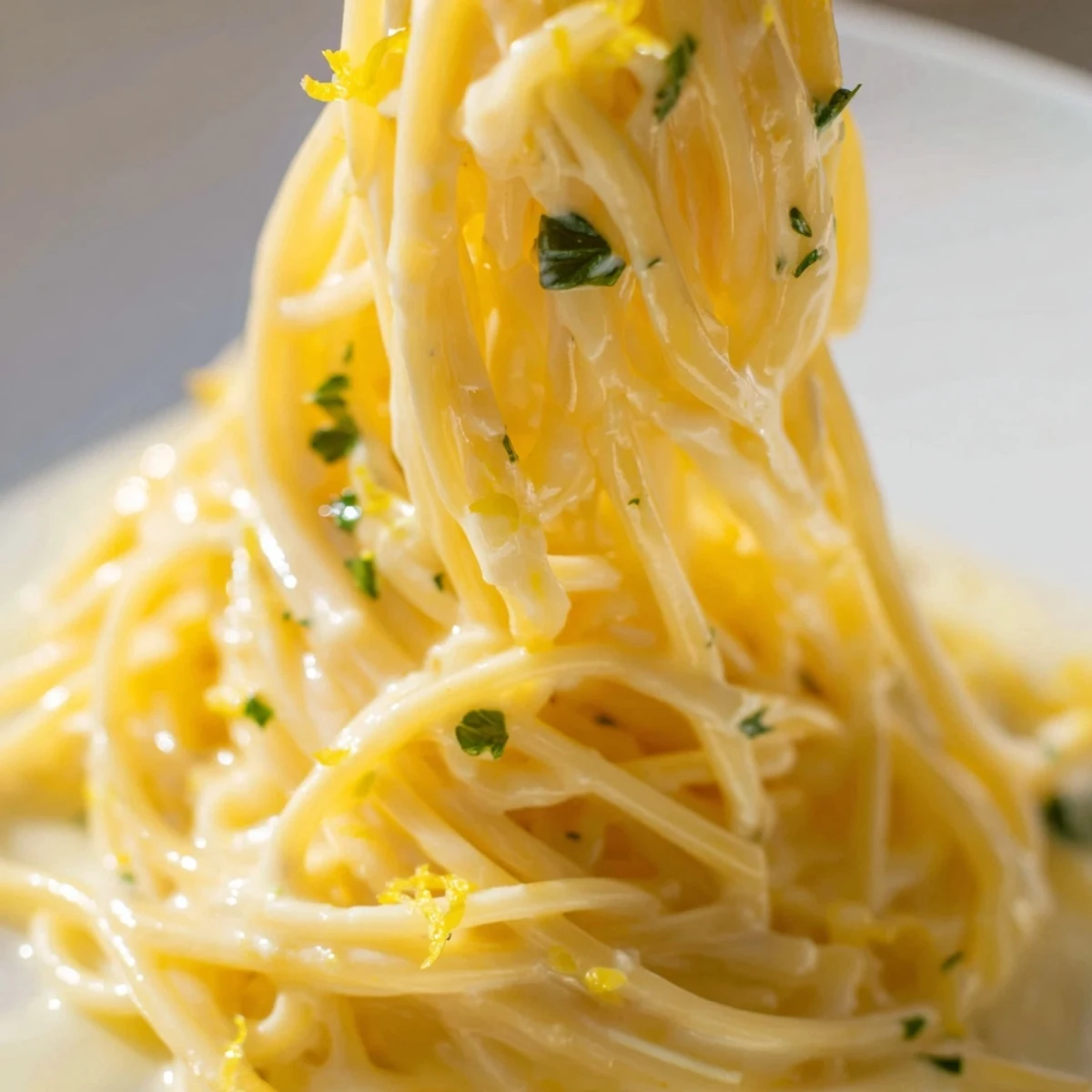
Save This vibrant pasta combines the brightness of fresh lemon with rich, salty Parmesan in a silky emulsified sauce. The technique involves reserving starchy pasta water to create a creamy coating that clings beautifully to each strand of spaghetti or linguine.
What makes this dish special is the balance of flavors—zesty lemon cuts through the richness while garlic adds aromatic depth. The entire process takes just 25 minutes from start to finish, making it perfect for busy weeknights when you want something satisfying without the fuss.
Finish with extra Parmesan and fresh herbs for an elegant touch that transforms simple ingredients into a restaurant-worthy experience.
The evening sun was slanting through my kitchen window when I first threw together this pasta, tired after work and craving something bright but comforting. That moment when lemon zest hits warm butter still feels like magic in a pan, and somehow this simple combination became my go-to when I need dinner to feel like a hug that doesn't weigh me down.
My sister called mid sauce making once, and I was so distracted explaining the technique that I almost forgot to add the lemon juice at the right moment. The rescue operation involved frantically whisking in cold butter while shouting into the phone, but honestly that slightly chaotic version might have been the best one yet.
Ingredients
- 400 g spaghetti or linguine: Long strands catch the lemon Parmesan sauce beautifully, though whatever pasta you have in your pantry will absolutely work
- 60 g freshly grated Parmesan cheese: Pre grated cheese has anti caking agents that prevent that silky smooth emulsion we are after
- 2 tbsp unsalted butter: Cold butter whisked in at the end creates that luxurious glossy finish that makes restaurant pasta so special
- 2 tbsp extra virgin olive oil: The grassy fruitiness of good olive oil balances the sharp Parmesan beautifully
- Zest of 1 large lemon: The essential oils in the zest carry all the bright floral fragrance that juice alone cannot provide
- Juice of 1 large lemon: Freshly squeezed makes all the difference here, bottled lemon juice tastes harsh and metallic by comparison
- 2 garlic cloves, finely minced: Mince these as small as you possibly can so they melt into the sauce rather than leaving chewy bits
- 60 ml pasta cooking water: This starchy liquid is the secret ingredient that transforms melted cheese into velvety sauce
- Freshly ground black pepper and sea salt: Finish with a generous grinding of pepper, the heat against the lemon is what wakes everything up
Instructions
- Get your water bubbling:
- Fill your largest pot with water and salt it generously until it tastes like the sea, then bring it to a rolling boil
- Cook the pasta:
- Add your spaghetti and cook until it is just shy of al dente, those extra two minutes of carryover cooking matter
- Save the liquid gold:
- Before you even think about draining, carefully scoop out that pasta water and set it aside where you will not accidentally pour it down the sink
- Build the foundation:
- While the pasta works, warm your olive oil and butter in a large skillet over medium heat until the butter foams slightly
- Wake up the garlic:
- Toss in your minced garlic and let it sizzle for just one minute, you want it fragrant and pale, not browned and bitter
- Add the bright notes:
- Stir in that lemon zest first, letting it bloom in the warm oil, then follow with the juice and let the whole thing shimmer for thirty seconds
- Bring it all together:
- Transfer your drained pasta directly into the skillet and toss it through the lemon butter until every strand is coated
- Create the sauce:
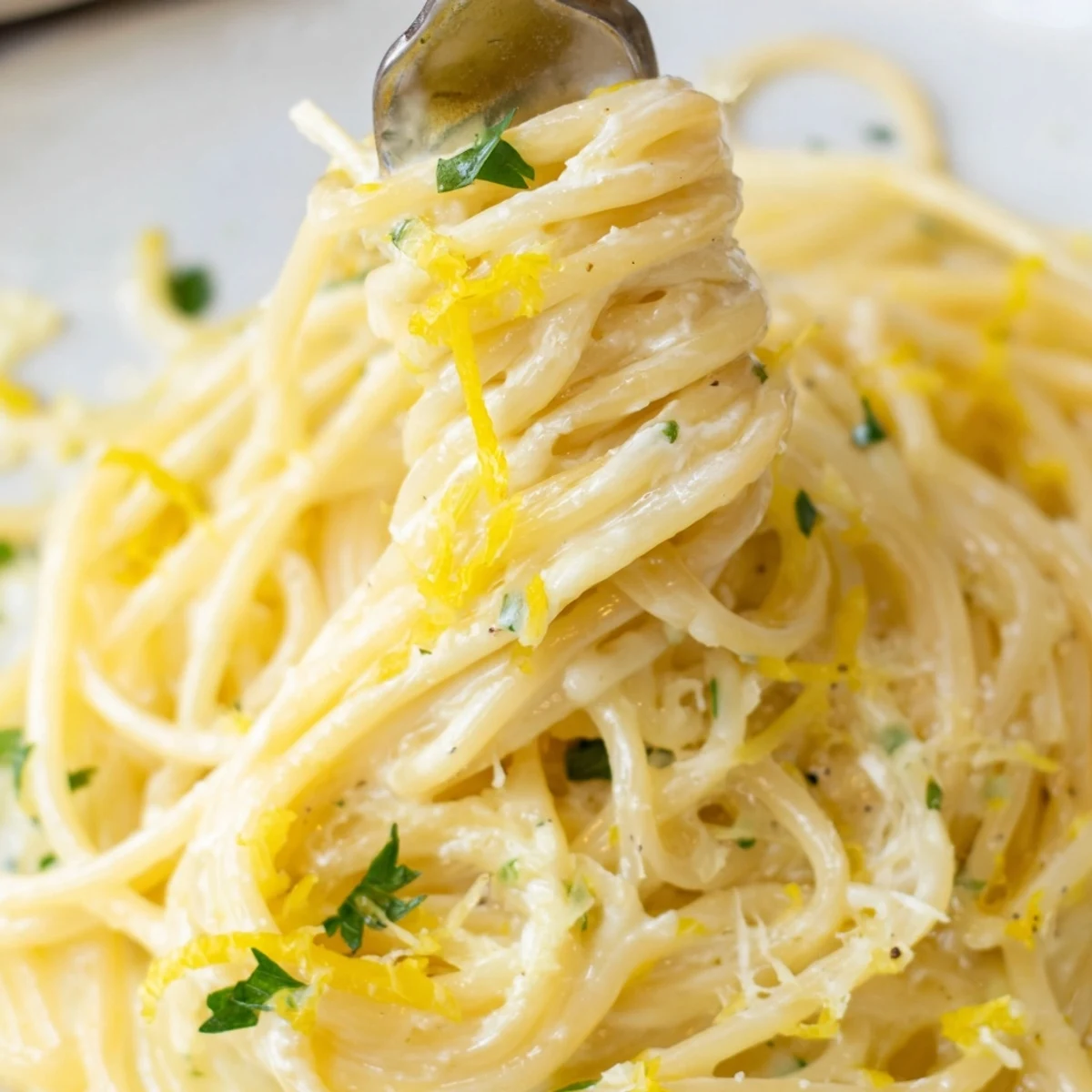
- Gradually sprinkle in the Parmesan while constantly tossing, adding pasta water a splash at a time until you have a glossy creamy sauce that clings to the pasta
- Season to perfection:
- Taste a strand, adjust the salt if needed, and finish with enough black pepper to make the lemon sing
 Save
Save Last spring, I made this for a friend who had just moved into her first apartment and had almost nothing in her kitchen yet. We ate standing up around the counter with paper plates, and she said it was the first time something I cooked made her feel like she could actually do this whole adulting thing.
Making It Your Own
The beauty here lies in how adaptable this framework becomes once you understand the basic technique of creating a glossy emulsion from cheese and starch. I have discovered that adding a handful of baby spinach right at the end wilts it perfectly without requiring another pan, and sometimes when I want something more substantial I will poach a chicken breast in the pasta water during the last few minutes of cooking, then slice it over the top.
Pairing Suggestions
A crisp Sauvignon Blanc cuts through the richness while echoing the lemon notes, and honestly, sometimes I just want a simple green salad dressed with nothing but olive oil and vinegar to let the pasta remain the star. For something more substantial, roasted asparagus or blistered green beans make excellent spring companions that do not compete with the bright flavors.
Timing Your Meal
The entire dish comes together in under 25 minutes, which means your mise en place matters more here than in longer recipes that give you time to catch up. I have learned to grate my cheese and zest my lemon before I even put the water on, because there is nothing worse than realizing your pasta is ready while you are still wrestling with a lemon zester.
- Set out all your ingredients and tools before you turn on the stove
- Grate the cheese while the water heats, it always takes longer than you think
- Have your pasta water measuring cup ready near the pot so you cannot forget it
 Save
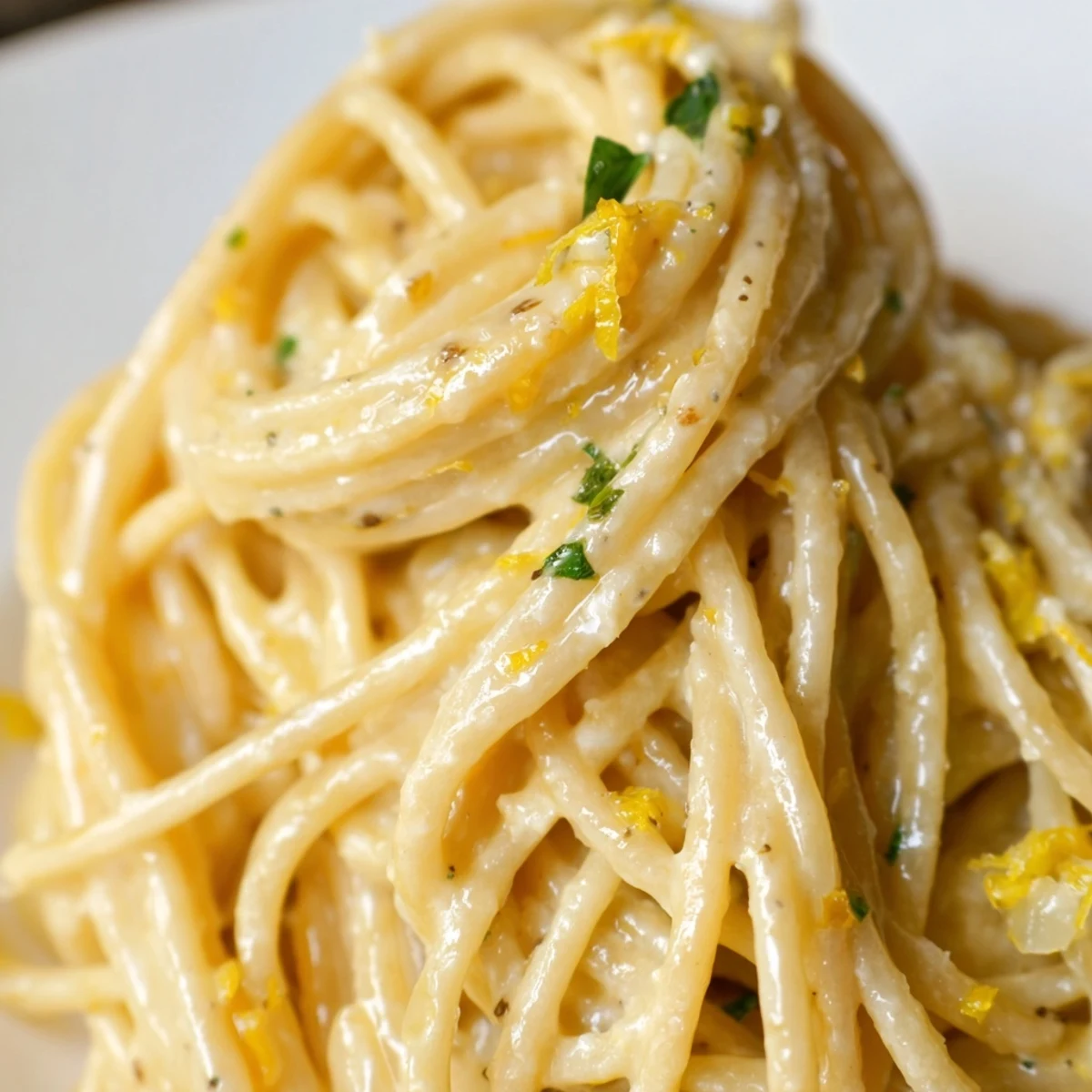
Save Sometimes the simplest recipes are the ones that teach us the most, and this lemon Parmesan combination has rescued more weeknight dinners than I can count. There is something deeply satisfying about turning a handful of pantry ingredients into something that feels like it came from a restaurant kitchen.
Recipe FAQs
- → Can I make this dish ahead of time?
-
Pasta dishes with cream-based lemon sauce are best enjoyed immediately. The sauce thickens and absorbs as it sits, so I recommend serving fresh. If needed, reheat gently with a splash of pasta water to restore creaminess.
- → What type of Parmesan works best?
-
Freshly grated Parmigiano-Reggiano offers the best flavor and melting properties. Pre-grated cheese contains anti-caking agents that prevent smooth sauce formation. Invest in a wedge and grate it yourself for optimal results.
- → Is this suitable for special diets?
-
This vegetarian dish can be made gluten-free by substituting regular pasta with your preferred gluten-free variety. The sauce naturally contains dairy. For a lighter version, reduce butter and increase pasta water for silkiness without cream.
- → How do I prevent the sauce from separating?
-
The key is gradual incorporation—add cheese slowly while tossing constantly, then introduce pasta water in small splashes. Keep the pan over low heat and remove from flame once emulsified. Never let the sauce boil rapidly after adding cheese.
- → Can I add protein or vegetables?
-
Grilled chicken breast or sautéed shrimp pair beautifully with the bright flavors. For vegetables, try peas, spinach, or asparagus added during the final minutes. Keep additions simple to maintain the dish's elegant balance.
- → What wine complements this pasta?
-
A crisp Sauvignon Blanc or Pinot Grigio echoes the lemon notes while cutting through richness. For red wine lovers, a light Pinot Noir works without overpowering the delicate flavors. Avoid heavily oaked wines that clash with the citrus.