
 Save
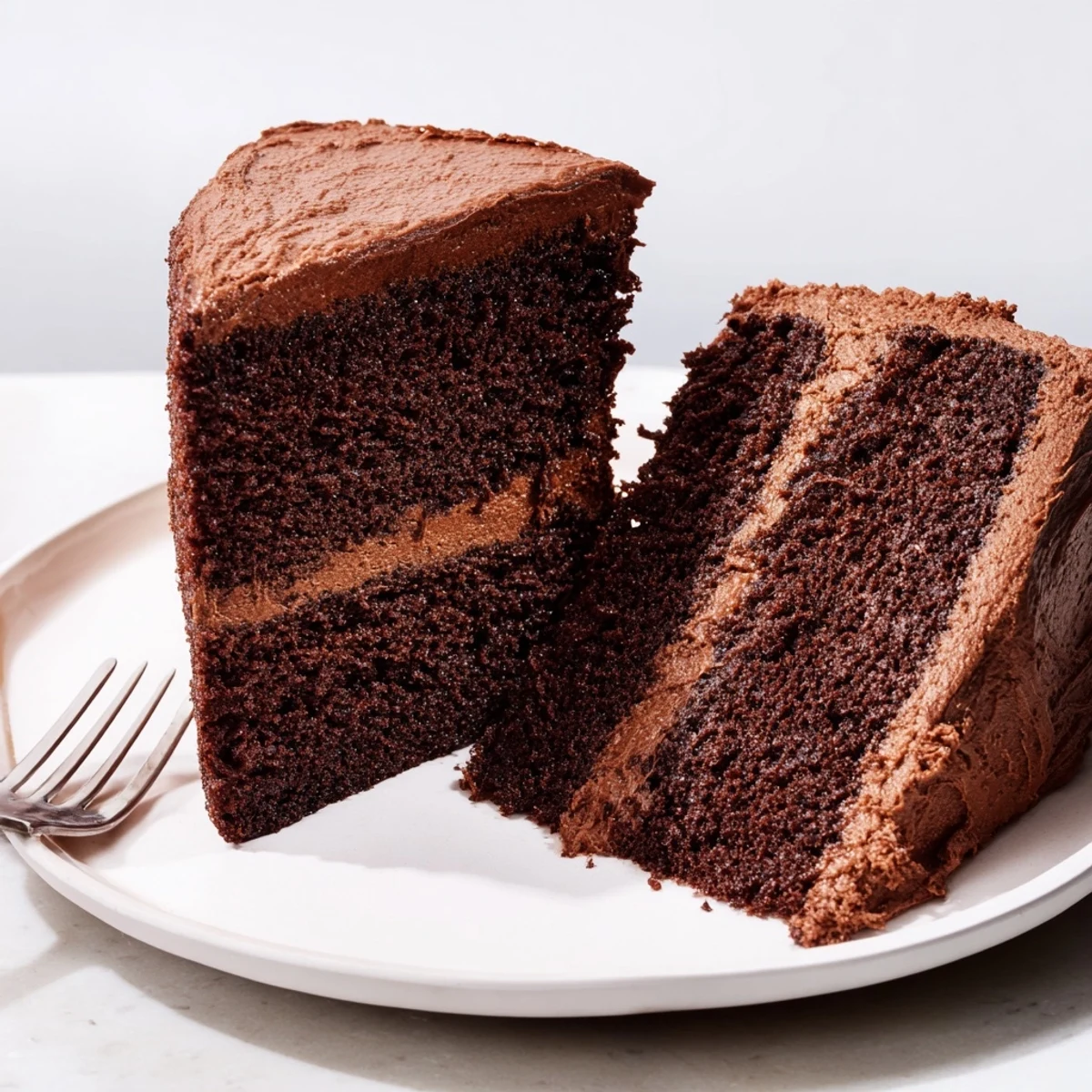
Save Preheat oven to 350°F (175°C). Whisk the dry ingredients, then add eggs, milk, oil and vanilla and mix until smooth. Stir in boiling water—the batter will be thin—then divide between two 9-inch pans and bake 30–35 minutes until a toothpick comes out clean. Cool, then sandwich and frost with a cocoa buttercream. For mocha, dissolve 1 tsp instant coffee in the hot water; swap buttermilk for extra tang. Store covered at room temperature for up to 2 days or refrigerate.
The scent of cocoa hitting a hot oven door on a rainy Saturday afternoon is something I will never tire of, and this chocolate cake is the reason why. My sister walked in once, mid downpour, and declared the kitchen smelled better than any bakery she had ever visited. That loaf of a cake sitting on the counter, still warm and bare before frosting, barely lasted an hour before we were cutting sneaky slices with a butter knife. It is the kind of recipe that turns an ordinary day into a small celebration without trying.
I brought this cake to a friends potluck once, fully intending to leave the remaining half behind, and ended up carrying home an empty plate while three people asked for the recipe on the spot.
Ingredients
- All purpose flour (220 g): Spoon and level it rather than scooping straight from the bag to avoid a dense crumb.
- Unsweetened cocoa powder (75 g for cake, 45 g for frosting): Use a Dutch processed variety if you want a deeper, almost truffle like flavor.
- Granulated sugar (400 g): It seems like a lot but chocolate needs sweetness to balance its natural bitterness.
- Baking powder (1.5 tsp) and baking soda (1.5 tsp): Together they give the cake a reliable rise and a tender texture.
- Salt (1 tsp): Never skip this because salt is what makes chocolate taste like itself.
- Eggs (2 large): Room temperature eggs blend more evenly into the batter and prevent streaks.
- Whole milk (240 ml for cake, 60 ml for frosting): The fat in whole milk contributes to a softer crumb than low fat alternatives.
- Vegetable oil (120 ml): Oil keeps the cake moist for days longer than butter alone ever could.
- Vanilla extract (2 tsp for cake, 1 tsp for frosting): Real extract is worth the splurge here since it brightens every layer of flavor.
- Boiling water (240 ml): This is the secret weapon that blooms the cocoa powder into something extraordinary.
- Unsalted butter (115 g, softened): For the frosting, pull it out an hour ahead so it creams without lumps.
- Powdered sugar (220 g): Sift it to keep your frosting silky rather than grainy.
Instructions
- Preheat and prepare your pans:
- Set the oven to 350 degrees F and generously grease and flour two 9 inch round pans, tapping out the excess flour over the sink.
- Combine the dry ingredients:
- In your largest bowl, whisk the flour, cocoa powder, sugar, baking powder, baking soda, and salt together until the mixture looks uniformly dark and no white streaks remain.
- Add the wet ingredients:
- Pour in the eggs, milk, oil, and vanilla, then mix until the batter is smooth and glossy with no dry pockets hiding at the bottom.
- Stir in the boiling water:
- Slowly stream in the boiling water while stirring gently, and do not panic when the batter turns thin and soupy because that is exactly what makes the cake so moist.
- Bake:
- Divide the batter evenly between the two pans and slide them onto the middle rack, baking for 30 to 35 minutes until a toothpick slipped into the center comes out clean.
- Cool the layers:
- Let the cakes rest in their pans for 10 minutes, then gently invert them onto wire racks and let them cool completely before even thinking about frosting.
- Make the frosting:
- Beat the softened butter until pale and creamy, then gradually work in the powdered sugar and cocoa powder before adding milk and vanilla, beating until the mixture is light and fluffy.
- Assemble the cake:
- Place one layer on your serving plate, spread a generous blanket of frosting across the top, set the second layer in place, and finish by swirling frosting over the sides and top with confident, sweeping strokes.
 Save
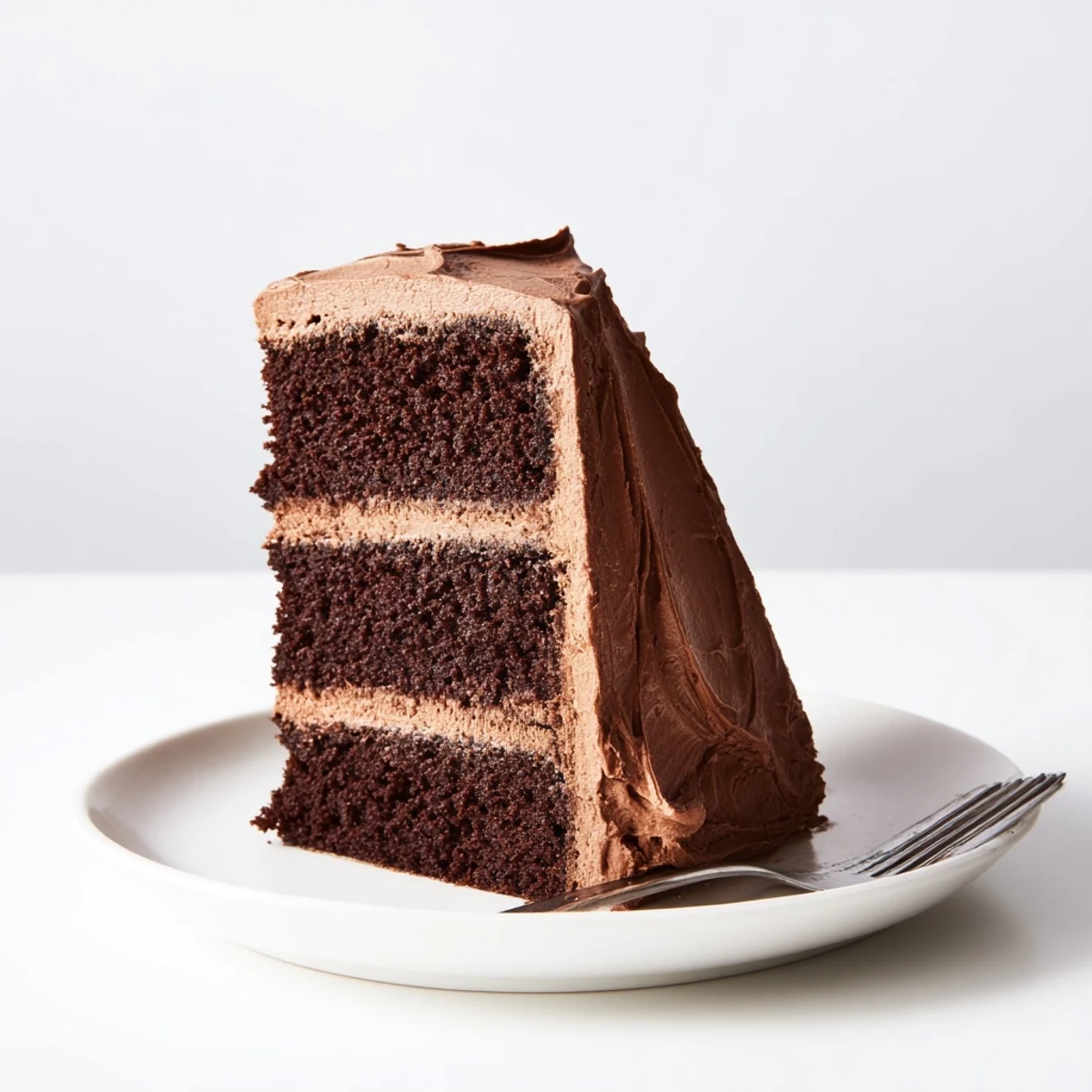
Save The moment I spread that first layer of frosting between two perfectly leveled cakes, I realized baking had become my quiet way of telling people I cared about them.
The Magic of Boiling Water
Adding boiling water to cake batter felt completely counterintuitive the first time I tried it, and I nearly skipped the step entirely. What it actually does is bloom the cocoa powder, releasing aromatic compounds that cold or room temperature liquids simply cannot reach. The result is a chocolate flavor so rounded and rich that people will assume you used melted premium chocolate.
Getting the Frosting Right
Frosting can make or break the whole experience, and the biggest mistake I made early on was using cold butter straight from the refrigerator. Softened butter whips into a lighter, smoother texture that spreads like a dream and holds gentle swirls beautifully. If your kitchen is warm and the frosting feels too soft, pop it in the fridge for ten minutes and it will firm up perfectly.
Serving and Storing
This cake keeps remarkably well on the counter under a dome or loosely tented with foil for up to three days, and it actually tastes better on day two when the flavors have settled. For longer storage, wrap individual slices tightly and freeze them for up to a month, then thaw at room temperature when a chocolate emergency strikes.
- A sprinkle of flaky sea salt on top of the frosting adds a sophisticated crunch that surprises people.
- Pair each slice with strong coffee or a glass of port wine to elevate the whole experience.
- If you want extra height, trim the domed tops off each layer with a serrated knife before assembling.
 Save
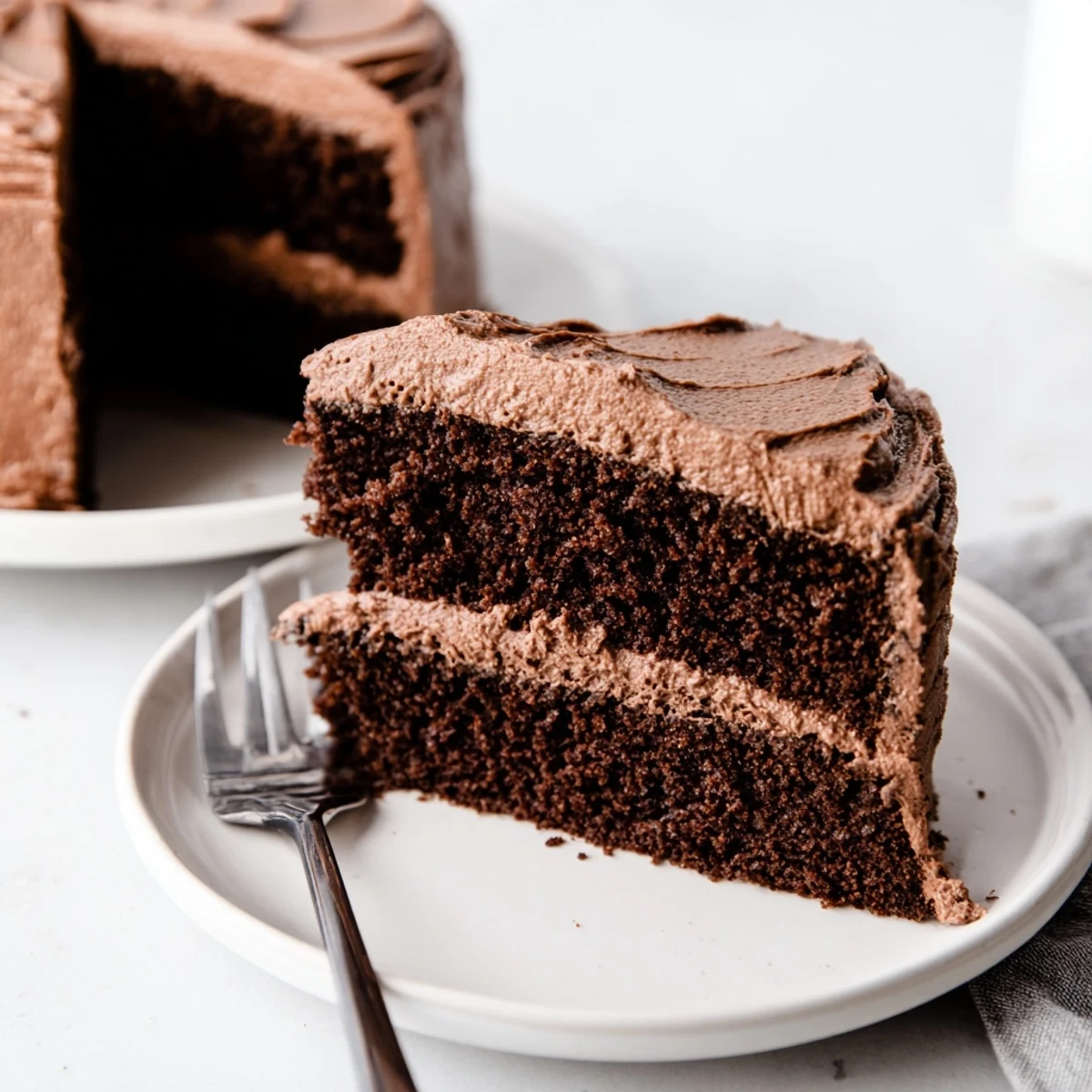
Save Every time I bake this cake the kitchen fills with that deep, warm cocoa aroma and I feel like I am welcoming someone home. That is the real gift of a good recipe, not just the dessert itself but the comfort it carries with it.
Recipe FAQs
- → Can I use Dutch-process or natural cocoa?
-
Both work, but they behave slightly differently. Natural cocoa gives brighter acidity while Dutch-process is smoother and more mellow; adjust leavening if swapping large quantities.
- → How does the boiling water affect the batter?
-
Boiling water blooms the cocoa and thins the batter, producing a very moist crumb. The thin batter is expected—do not add more flour.
- → How can I add a mocha note?
-
Stir 1 teaspoon instant coffee powder into the boiling water before combining with the batter for a subtle coffee depth that complements the chocolate.
- → Can I use buttermilk instead of milk?
-
Yes. Swap equal volume of buttermilk for milk to add tang and moisture; the acid can improve rise and crumb texture.
- → How should I store the finished cake?
-
Keep the frosted cake covered at room temperature for up to 2 days. For longer storage, refrigerate in an airtight container for up to 5 days; bring to room temperature before serving.
- → How do I tell when the cake is done?
-
Bake until a toothpick inserted in the center comes out clean or with a few moist crumbs. The edges should pull slightly from the pan and the top will spring back when gently pressed.