
 Save
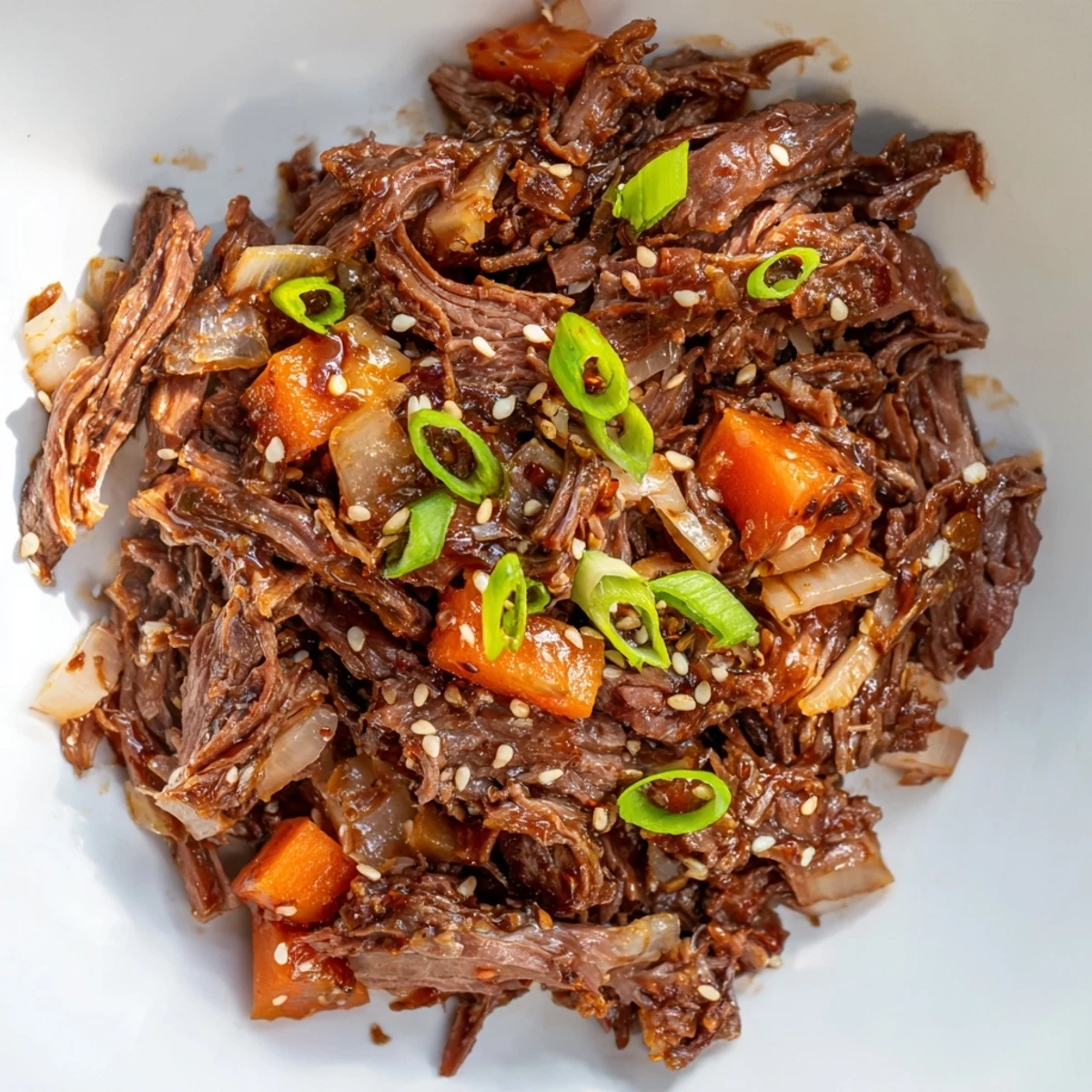
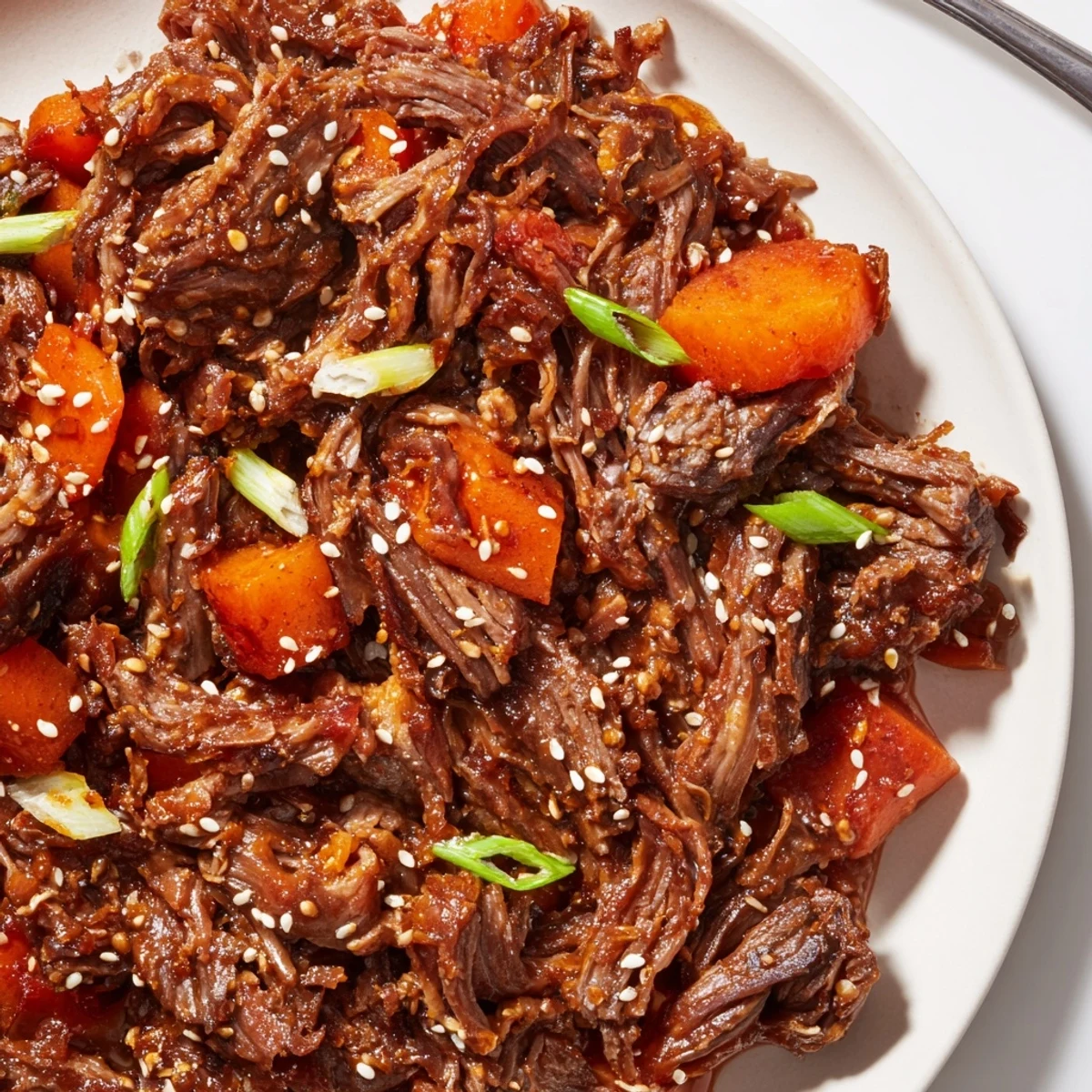
Save This meltingly tender beef roast transforms after 3 hours of slow cooking in a deeply flavorful Korean-inspired sauce. The chuck roast becomes fork-tender while absorbing the savory-sweet blend of soy sauce, gochujang, brown sugar, ginger, and garlic. Root vegetables like carrots and daikon radish simmer alongside, becoming soft and infused with the aromatic broth. The result is a rich, comforting dish where the beef practically shreds at the touch of a fork. Serve over steamed rice with plenty of the reduced sauce spooned over the top, and garnish with toasted sesame seeds and fresh scallions for authentic Korean fusion flavor.
The first time I made this pot roast, my kitchen filled with this incredible aroma that had my neighbors actually knocking on my door to ask what was happening in there. I'd been experimenting with combining traditional comfort food with Korean flavors, and something about the way gochujang caramelizes with beef broth just hits different. Now it's become my go-to for Sunday dinners, because somehow it makes the whole house feel warmer and more inviting.
Last winter, my sister came over during a snowstorm and we ended up eating this straight from the Dutch oven while watching old movies. She kept saying she needed to leave, but then another piece of beef would just happen to fall into her bowl. That's when I knew this recipe wasn't just dinner, it was the kind of food that makes people stay.
Ingredients
- Beef chuck roast: Chuck roast has the perfect marbling for slow cooking, becoming meltingly tender while staying incredibly juicy
- Soy sauce and beef broth: This combination creates that deep umami base that makes Korean flavors so addictive
- Gochujang: Korean chili paste brings this incredible fermented depth and gentle heat that you cant get from regular chili sauce
- Brown sugar and honey: The dual sweeteners caramelize beautifully while balancing the salty elements
- Fresh ginger and garlic: Fresh is absolutely non-negotiable here, they provide that bright aromatic punch that cuts through the richness
- Sesame oil: Toasted sesame oil adds that unmistakable nutty fragrance that signals Korean comfort food
- Daikon radish: Daikon soaks up the sauce like a sponge and becomes incredibly tender and sweet
- Carrots and onions: Classic vegetables that turn into little flavor bombs as they cook in the sauce
Instructions
- Get everything ready:
- Preheat your oven to 325°F and grab your largest Dutch oven or heavy oven-safe pot
- Season the beef:
- Pat the roast completely dry with paper towels, then season all over with salt and pepper
- Sear the roast:
- Heat oil in your Dutch oven over medium-high heat until it shimmers, then sear the beef until deeply golden brown on all sides, about 3-4 minutes per side
- Start the aromatics:
- Remove the beef and set it aside, then toss in the sliced onion and cook for 2-3 minutes until it softens and smells amazing
- Make the sauce:
- Whisk together the soy sauce, beef broth, brown sugar, rice vinegar, gochujang, sesame oil, honey, ginger, and garlic until smooth
- Bring it together:
- Return the beef to the pot, arrange the carrots, daikon chunks, and scallions around the meat, then pour that gorgeous sauce over everything
- Slow cook to perfection:
- Bring it to a simmer on the stove, cover tightly, and transfer to the oven for 3 hours until the beef shreds easily with a fork
- Finish and serve:
- Remove the beef and vegetables to a platter, skim any excess fat from the sauce, reduce it on the stove if you want it thicker, then slice or shred the meat and spoon everything generously over the top
 Save
Save My friend begged me to teach her this recipe after she tasted it at a dinner party, and now she makes it every Sunday for meal prep. She sends me photos of her Dutch oven every week, each time looking a little different as she makes it her own. That's the best part about sharing recipes, watching them travel and change.
Making It Your Own
I've learned that this recipe is incredibly forgiving and welcomes substitutions based on what you have in your kitchen. The core technique stays the same, but you can adjust the heat level, swap vegetables, or even use a different cut of beef if that's what you find at the store.
Serving Suggestions
Steamed white rice is the classic choice and honestly perfect for soaking up all that incredible sauce. I also love serving it with kimchi on the side, or sometimes roasted broccoli if I want something green to balance all that rich beef.
Storage and Reheating
This pot roast actually tastes better the next day, which makes it perfect for meal prep or feeding a crowd. Store everything in the sauce in the refrigerator for up to 4 days, or freeze for up to 3 months. Reheat gently on the stove with a splash of water or beef broth to loosen the sauce.
- The sauce thickens in the fridge, so add a little liquid when reheating
- If meal prepping, slice the beef before storing so it reheats more evenly
- The vegetables will get softer over time, but that's actually kind of wonderful
 Save
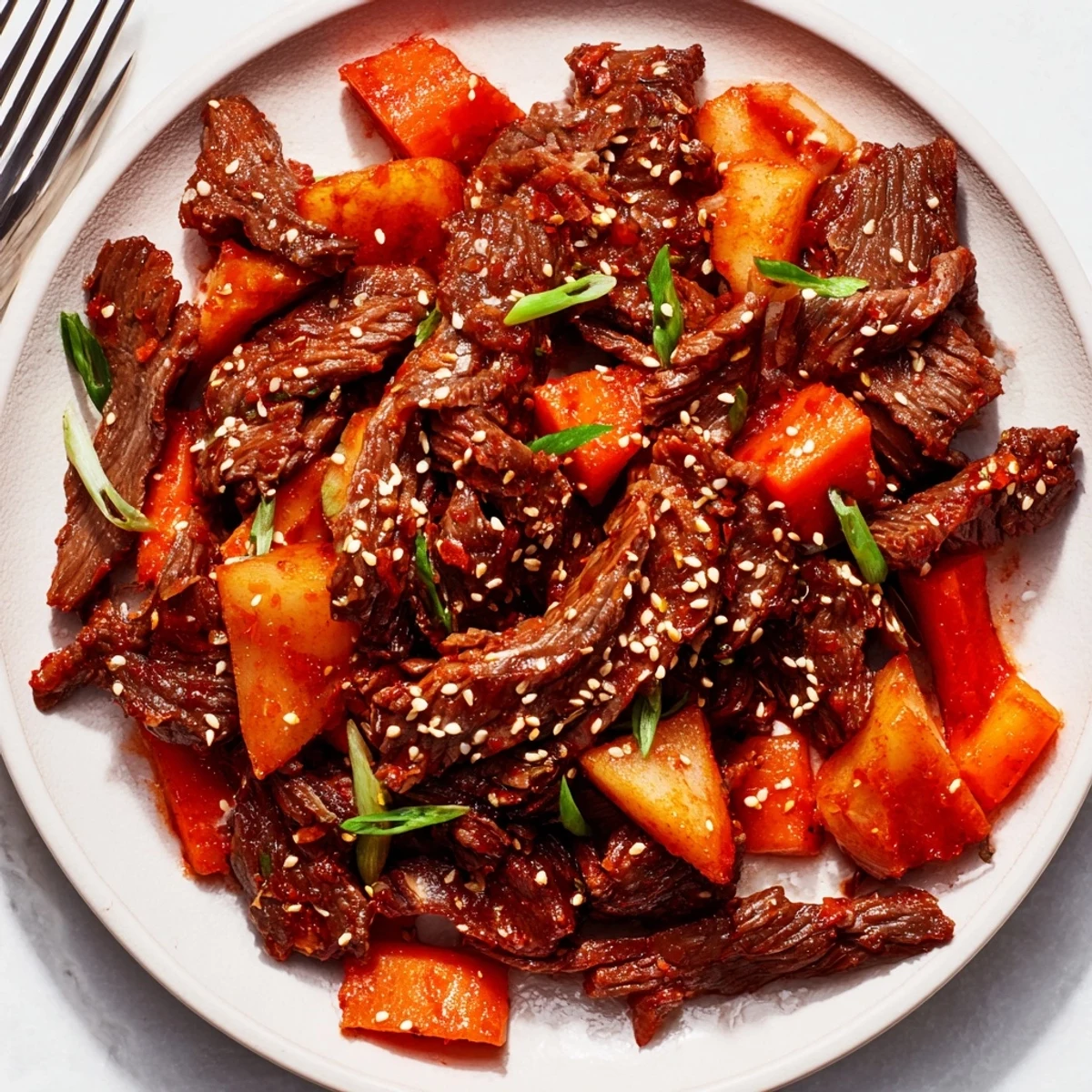
Save There's something magical about a dish that tastes like it took all day but mostly just needs you to trust the process. This Korean-style pot roast has become one of those recipes I turn to when I want to feed people something that feels like a hug.
Recipe FAQs
- → What cut of beef works best?
-
Chuck roast is ideal because it becomes meltingly tender after long, slow cooking. The marbling breaks down during the 3-hour simmer, creating fork-tender meat that shreds easily.
- → Can I make this in a slow cooker?
-
Yes. Sear the beef first, then transfer everything to your slow cooker. Cook on low for 7-8 hours or on high for 4-5 hours until tender.
- → What can I substitute for gochujang?
-
Mix red pepper flakes with a little miso paste and tomato paste for a similar spicy-fermented flavor. Sriracha works but lacks the depth.
- → How do I store and reheat leftovers?
-
Refrigerate for up to 4 days or freeze for 3 months. The sauce thickens when cold—reheat gently with a splash of broth or water.
- → What sides pair well?
-
Steamed white rice soaks up the sauce beautifully. Fresh kimchi adds tangy contrast, and blanched bok choy or spinach rounds out the meal.