
 Save
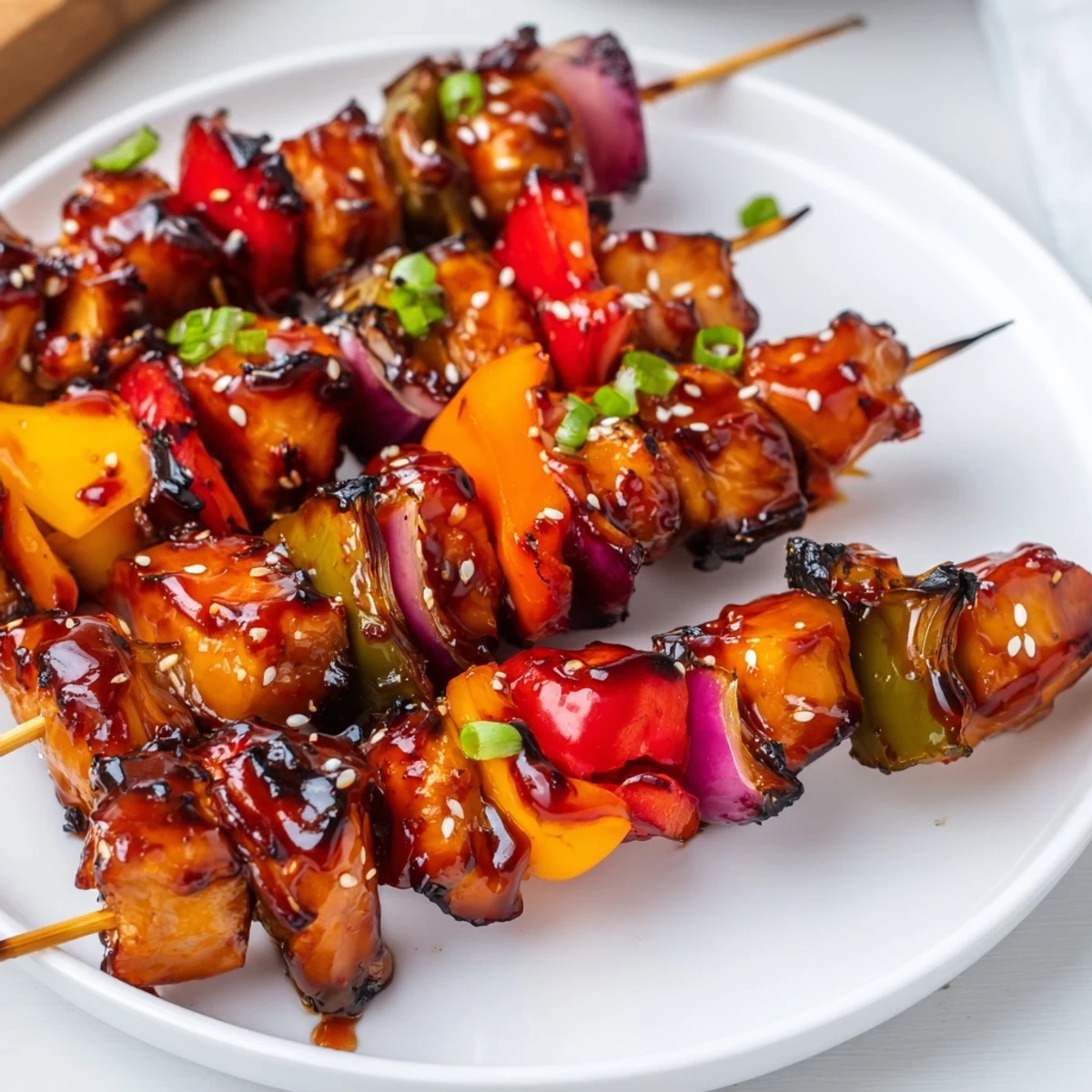
Save Tender chicken pieces are tossed in a savory-sweet Korean BBQ marinade—soy, brown sugar, rice vinegar, sesame oil, garlic, ginger and gochujang—then threaded onto skewers with bell peppers and onion. After 30–60 minutes of marinating, grill over medium-high heat until caramelized and cooked through, brushing with reserved sauce for glossy char. Finish with toasted sesame and sliced green onion; serve with rice or lettuce wraps.
Anytime the scent of smoky grilled meat wafts through my window, I find myself craving these Korean BBQ chicken skewers. The first time I tried my hand at this dish, I remember being surprised at how the sweet, tangy glaze caramelized so perfectly over open flames. Preparing the colorful skewers felt oddly meditative, each vegetable nestling snugly beside juicy chicken. It’s the kind of recipe that’s as satisfying to build as it is to devour.
One chilly April evening, I grilled these for friends on my tiny balcony, and the smoke mingled with laughter as hungry hands kept sneaking hot skewers straight from the platter. Someone dropped a pepper chunk, but no one cared—every piece was gone before sunset. It still makes me smile how quickly people lose their manners around food this good.
Ingredients
- Chicken thighs: Juicier and more forgiving than breast, they soak up the marinade beautifully—don’t rush the cutting, even pieces grill more evenly.
- Wooden or metal skewers: Soak wood in water so they don’t catch fire; metal gets you crispier edges.
- Red and yellow bell peppers: Their sweetness and crunch balance the richness—try to cut them a little larger so they don’t fall apart.
- Red onion: Adds bite and turns sweet as it chars—if you’re sensitive, soak slices in water briefly to take the edge off.
- Vegetable oil: Brushing the skewers prevents sticking and helps everything brown.
- Soy sauce: The base of the BBQ marinade—low sodium keeps things from getting too salty.
- Brown sugar: Caramelizes on the grill for sticky, shiny glaze—press down lumps before whisking.
- Rice vinegar: Brightens the sauce—don’t skip for authentic tang.
- Sesame oil: Adds toasted depth—just a drizzle goes a long way.
- Garlic and ginger: Fresh and fragrant, they’re the backbone of that addictive aroma.
- Gochujang: Classic Korean chili paste for heat and deep flavor—start light if you’re new to it.
- Honey: Rounds out the sauce and glazes beautifully—runny honey mixes most easily.
- Toasted sesame seeds: Sprinkle at the end for nutty crunch—toast your own for the freshest taste.
- Green onion: Finely sliced for a pop of color and gentle onion bite.
Instructions
- Prepare your skewers:
- If using wooden skewers, dunk them in water—let them soak while you prep everything else so they won’t burn on the grill.
- Make the BBQ sauce:
- Whisk up soy sauce, brown sugar, rice vinegar, sesame oil, minced garlic and ginger, gochujang, and honey in a bowl; it should smell savory and a little spicy. Scoop out a quarter cup and save it for brushing later.
- Marinate the chicken:
- Toss the chicken pieces in the remaining sauce, making sure each piece is glossy; cover and leave in the fridge for at least half an hour to soak up the flavors.
- Build the skewers:
- Thread chicken, peppers, and onion in any order you like—press them lightly together so they cook evenly. Brush the assembled skewers with a bit of vegetable oil to stop sticking.
- Grill to perfection:
- Fire up your grill or grill pan over medium-high; add the skewers and don’t fuss too much—turn them now and then, brushing with reserved sauce near the end until everything smells smoky and the chicken gets caramelized edges, about 10-12 minutes.
- Finish & serve:
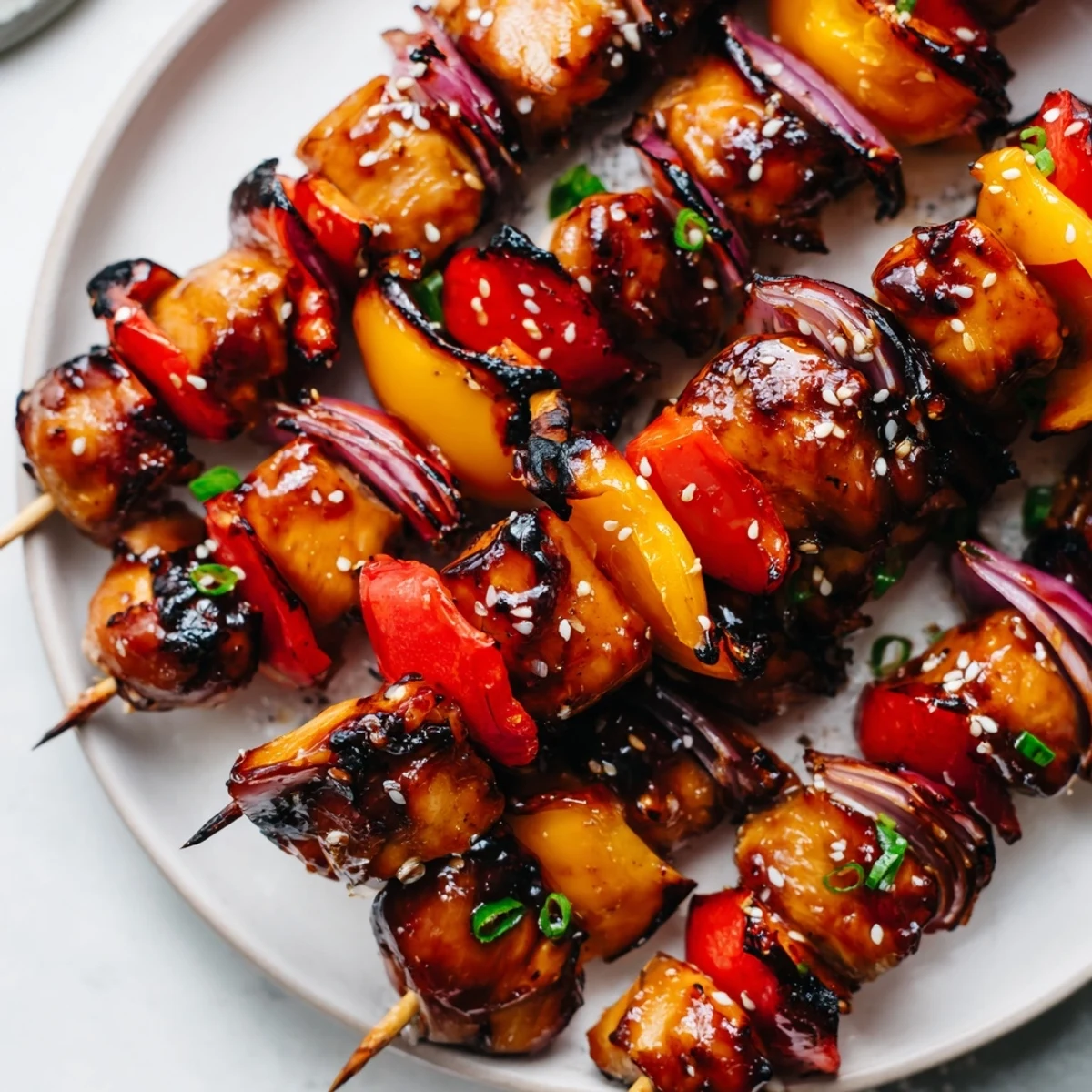
- Transfer hot skewers to a platter, dust with sesame seeds and green onion, and serve while sizzling—watch them disappear fast.
 Save
Save I’ll never forget a particularly stormy summer night when the power flickered out mid-grill, but we stubbornly finished the skewers by flashlight. The drizzle just made the crackling skin and sweet-salty aroma even more welcome. Sometimes, it’s the little mishaps that make a meal an adventure.
Let’s Talk About Gochujang (and Swaps)
Gochujang brings that signature sweet-tangy heat, but if you can't find it, sriracha or mild chili sauce will do in a pinch. I’ve also tried a dash of smoked paprika blended in with sriracha for depth—it’s not traditional but it’s tasty. Experimenting here can be fun, just add a bit at a time so you don’t overwhelm the chicken.
Grilling Indoors and Out
Don’t let rain or lack of space stop you from making these skewers—a grill pan on the stove works almost as well as the real deal. Get it nice and hot before you add the skewers so you get those satisfying charred lines. Open the windows a crack and savor the illusion of backyard grilling even from inside.
Serving and Pairing: The Finishing Touches
I love piling these skewers over a big bowl of steamed rice or wrapping them up in crisp lettuce with a squeeze of lime. A cold, crisp lager or a light white wine always seems to bring the flavors to life at the table.
- Scatter a few extra sesame seeds for even more crunch and aroma.
- If you want more veggies, throw on zucchini or mushrooms with the peppers.
- Double the sauce and keep some for dipping—nobody complains about extra.
 Save
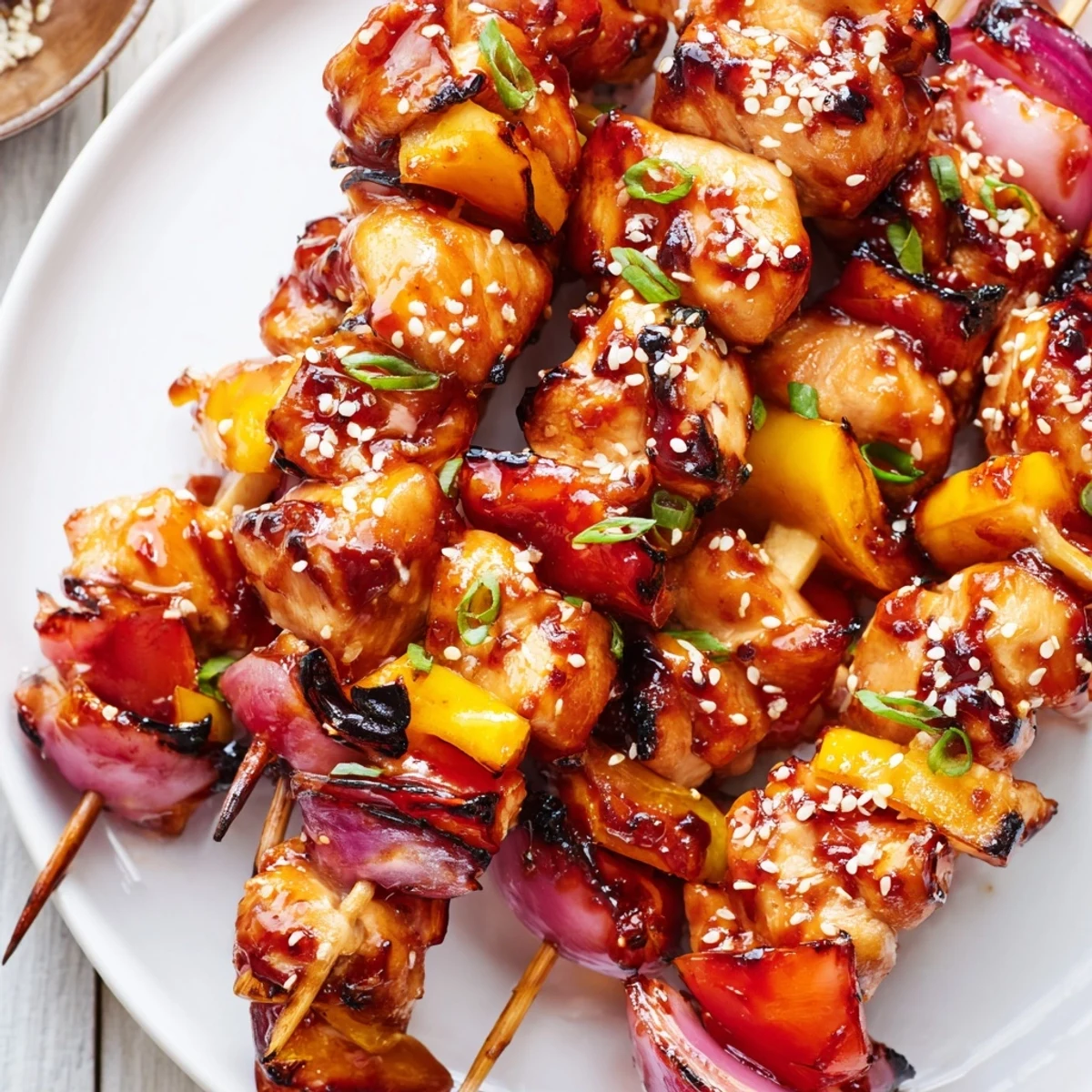
Save I hope these colorful, saucy skewers become a happy mess at your table too. Every bite should remind you that sharing food is always worth a little extra effort.
Recipe FAQs
- → How long should I marinate the chicken?
-
Marinate at least 30 minutes to infuse flavor; 1–2 hours yields deeper taste. Avoid very long marinades for chopped pieces to prevent overly salty texture.
- → Are chicken thighs or breasts better for skewers?
-
Thighs stay juicier and tolerate high heat; breasts are leaner and cook faster. Cut pieces evenly and adjust cook time so all pieces finish at the same time.
- → Do I need to soak wooden skewers?
-
Yes—soak wooden skewers at least 30 minutes to reduce burning. Metal skewers are fine and transfer heat for quicker cooking.
- → What's a good substitute for gochujang?
-
Use sriracha mixed with a touch of miso or a blend of chili paste and honey to mimic gochujang's sweet-spicy-umami profile.
- → How can I tell when the chicken is done?
-
Cook until the internal temperature reaches 165°F (74°C) or juices run clear. Aim for a slight char while keeping the interior juicy.
- → How should I store and reheat leftovers?
-
Refrigerate cooked skewers up to 3–4 days. Reheat gently on the grill or in a hot oven to restore crisp edges; freeze for longer storage and thaw in the fridge before reheating.