
 Save
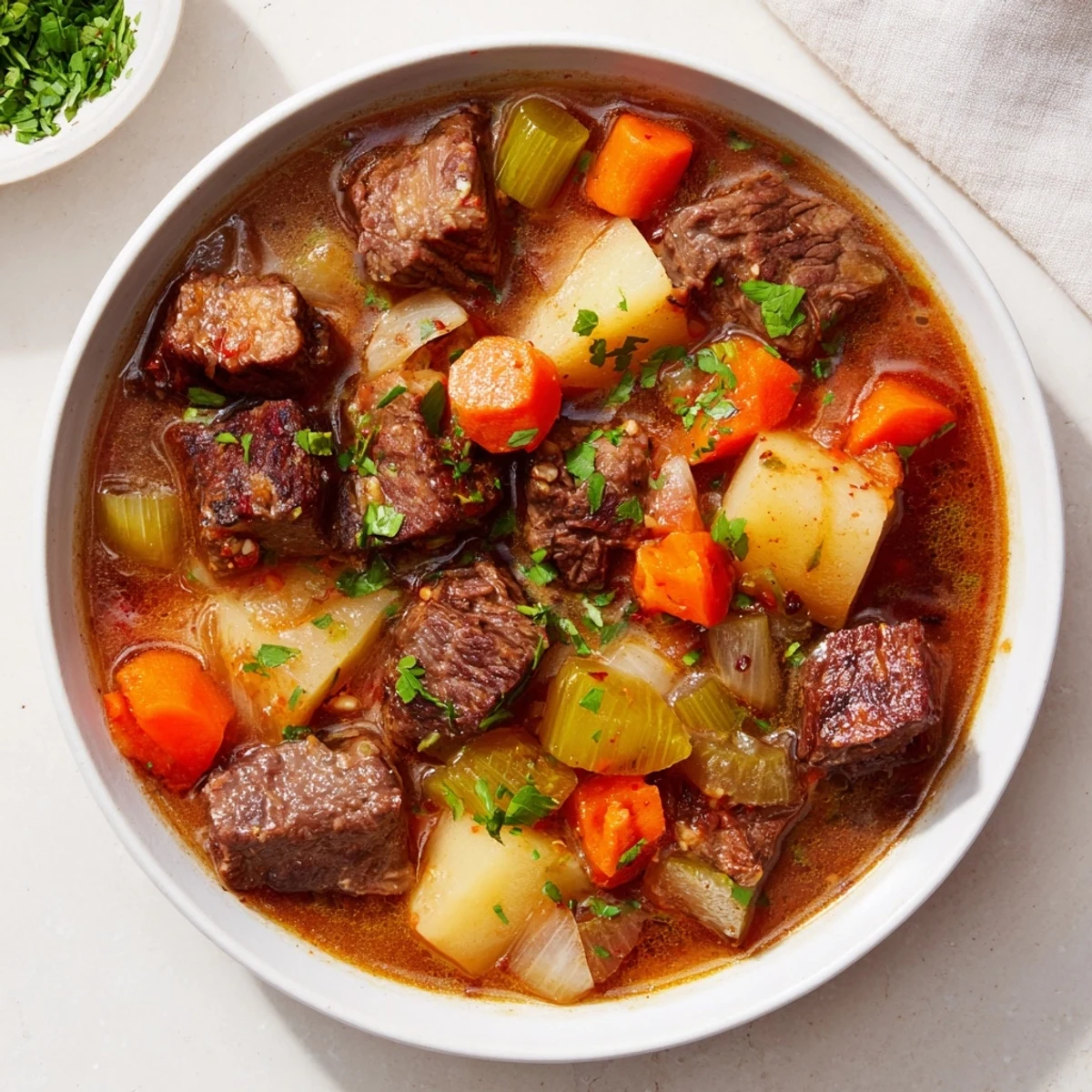
Save This comforting lamb dish features tender shoulder meat simmered slowly with carrots, celery, onions, and potatoes. Aromatic herbs like thyme and rosemary infuse rich flavors, enhanced by a touch of red wine and tomato paste. The slow cooking melds ingredients into a hearty, warming meal perfect for chilly days, garnished with fresh parsley for brightness.
There's something about lamb stew that stops time in a kitchen. Years ago, I was visiting a friend in the Scottish Highlands during October, and her mother made this on the first properly cold evening of the season. The pot simmered for hours while rain pattered against the windows, and by the time we sat down to eat, the whole house smelled like herbs and slow-cooked comfort. I've been chasing that feeling ever since.
I made this for my family on a Sunday night when everyone was frazzled and hungry. My youngest asked if we could eat dinner "inside a cloud" because of the steam rising from the pot. That's when I knew this recipe had staying power in our home.
Ingredients
- Lamb shoulder (800 g / 1.75 lbs), cut into 2-inch cubes: This cut has just enough marbling to stay juicy through two hours of cooking, and it won't break your budget the way more tender cuts will.
- Olive oil (2 tbsp): Enough to get a proper sear on the meat without burning, which builds the deep flavor base everything else sits on.
- Carrots (2 large), peeled and sliced: They soften into sweetness and thicken the broth naturally as they break down.
- Celery (2 stalks), sliced: Adds a quiet savory note that people never identify but always notice.
- Onions (2 medium), chopped: These disappear into the stew and become the glue holding all the flavors together.
- Potatoes (3 medium), peeled and cut into chunks: Use waxy potatoes if you can find them—they hold their shape instead of turning to mush.
- Garlic (3 cloves), minced: Add it after the soffritto to prevent it from burning and turning bitter.
- Beef or lamb stock (750 ml / 3 cups): Use stock you trust, not bouillon, because it will be the liquid backbone of every spoonful.
- Dry red wine (120 ml / 1/2 cup), optional: Don't skip this if you can help it—it adds a subtle complexity that seems to deepen overnight.
- Tomato paste (1 tbsp): A small amount acts as a flavor amplifier without making the stew taste tomatoey.
- Bay leaves (2), dried thyme (1 tsp), dried rosemary (1 tsp): These three are the trinity of this dish; together they're more than the sum of their parts.
- Salt and freshly ground black pepper, to taste: Always taste before serving and adjust—this is your final chance to make it sing.
- Fresh parsley (2 tbsp), chopped: A bright garnish that wakes up the bowl and reminds you this is fresh food, not just leftovers.
Instructions
- Sear the lamb:
- Heat your olive oil in a large heavy pot over medium-high heat until it shimmers—you'll know it's ready when the oil ripples and moves freely. Working in batches so you don't crowd the pan, add the lamb cubes and let them sit undisturbed for a few minutes until they develop a golden-brown crust on one side, then turn and repeat. This isn't rush work; take your time.
- Build the aromatic base:
- Once the lamb is seared and set aside, add the onions, carrots, and celery to the same pot and let them soften for about 5 minutes, stirring now and then. The vegetables will start to release their sweetness and stick slightly to the bottom of the pot, which is exactly what you want.
- Wake up the flavors:
- Stir in the minced garlic and tomato paste and let them cook for just one minute—you're looking for a subtle fragrance to rise from the pot, not a burned smell. If the heat is too high, dial it back.
- Deglaze and return the lamb:
- Pour in the red wine (if using) and use a wooden spoon to scrape the bottom of the pot, loosening all those caramelized bits that taste like concentrated flavor. Let the wine reduce for about 2 minutes, then return the lamb and any juices that collected on the plate.
- Build the braise:
- Add the stock, bay leaves, thyme, rosemary, and potato chunks, then bring everything to a boil. Once you see a rolling boil, lower the heat to a gentle simmer, cover with a lid, and let time do the work for 1.5 to 2 hours until the lamb is so tender it pulls apart easily and the potatoes are soft.
- Finish and serve:
- Skim any excess fat from the surface if you'd like (or leave it for flavor—that's your call). Season with salt and pepper, remove the bay leaves, and ladle into bowls. Scatter fresh parsley on top and serve while it's still steaming.
 Save
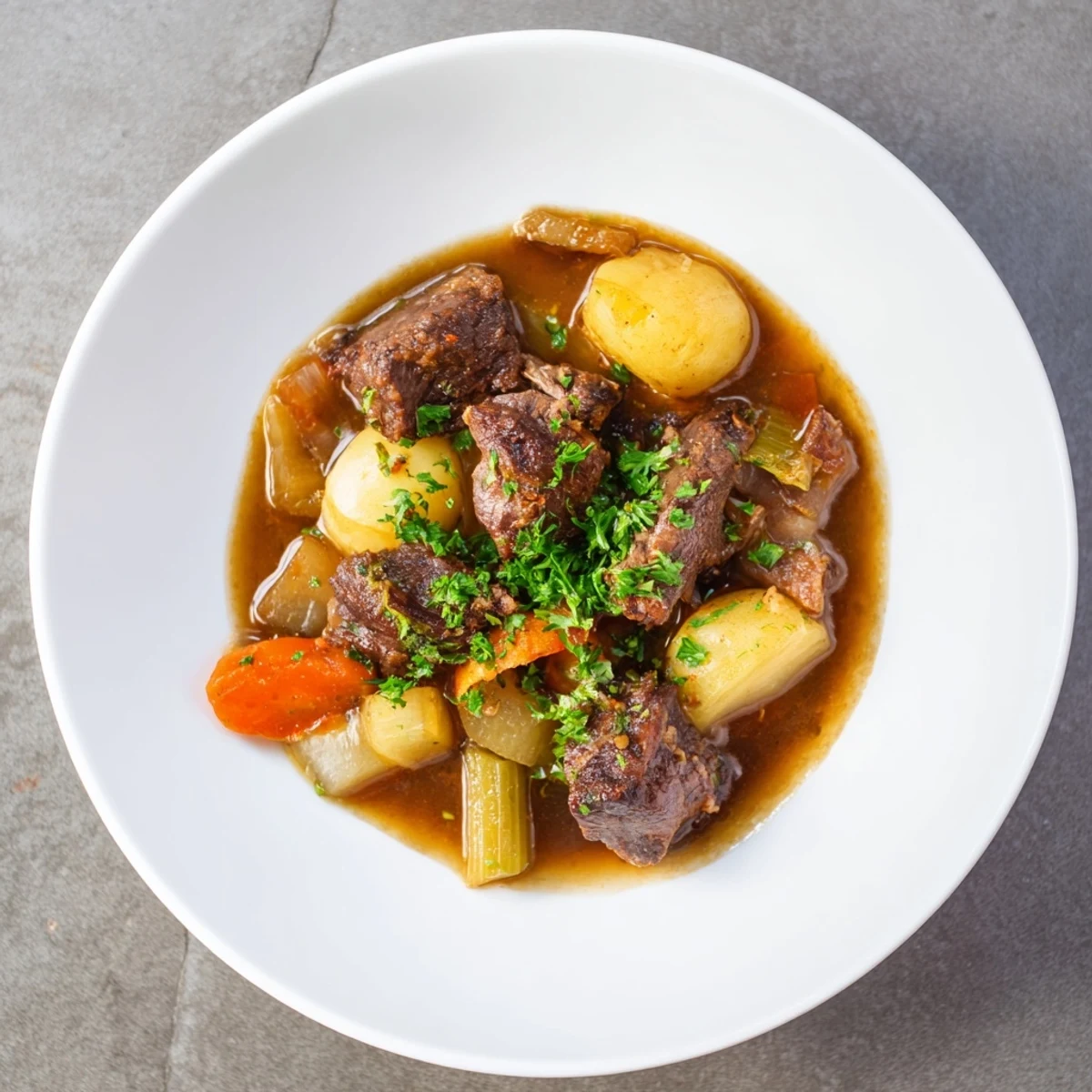
Save A friend once told me she made this stew and served it to someone who claimed not to eat lamb. They came back for seconds without thinking about it. That's the quiet power of stew—it transforms the meat into something so fundamentally comforting that doubts dissolve with the first spoonful.
Why This Stew Wins in Winter
There's a reason stews have fed people through long, cold seasons for centuries. This one cooks mostly unattended, fills your kitchen with the kind of warmth that no heater can match, and tastes even better as it sits in the refrigerator and the flavors knit themselves together. Make it on a day when you have other things to do—the stew will do its job while you do yours, and you'll both be better for it.
Flexibility and Substitutions
The beauty of stew is that it bends without breaking. If you can't find lamb, beef chuck roast works with the same timing. No potatoes? Parsnips add an earthy sweetness, or turnips bring a subtle bite that some people prefer. If fresh rosemary is all you have, use it—just halve the amount because it's stronger than dried. The structure stays the same; the details can shift based on what you have and what you're craving.
Serving and Storage
Serve this in wide bowls with crusty bread for soaking up the broth, or over rice if bread doesn't fit your table. Stew keeps beautifully in the refrigerator for up to four days, and it actually improves as it sits, so make it ahead without guilt. Freeze it in portions for nights when you need dinner to already be done.
- Reheat gently on the stove with a splash of water or stock to loosen it back to the right consistency.
- If you're making it for a crowd, the recipe scales up easily—just add more lamb and vegetables in proportion.
- A robust red wine pairing like Cabernet Sauvignon or Syrah echoes the wine in the pot and makes the whole meal feel intentional.
 Save
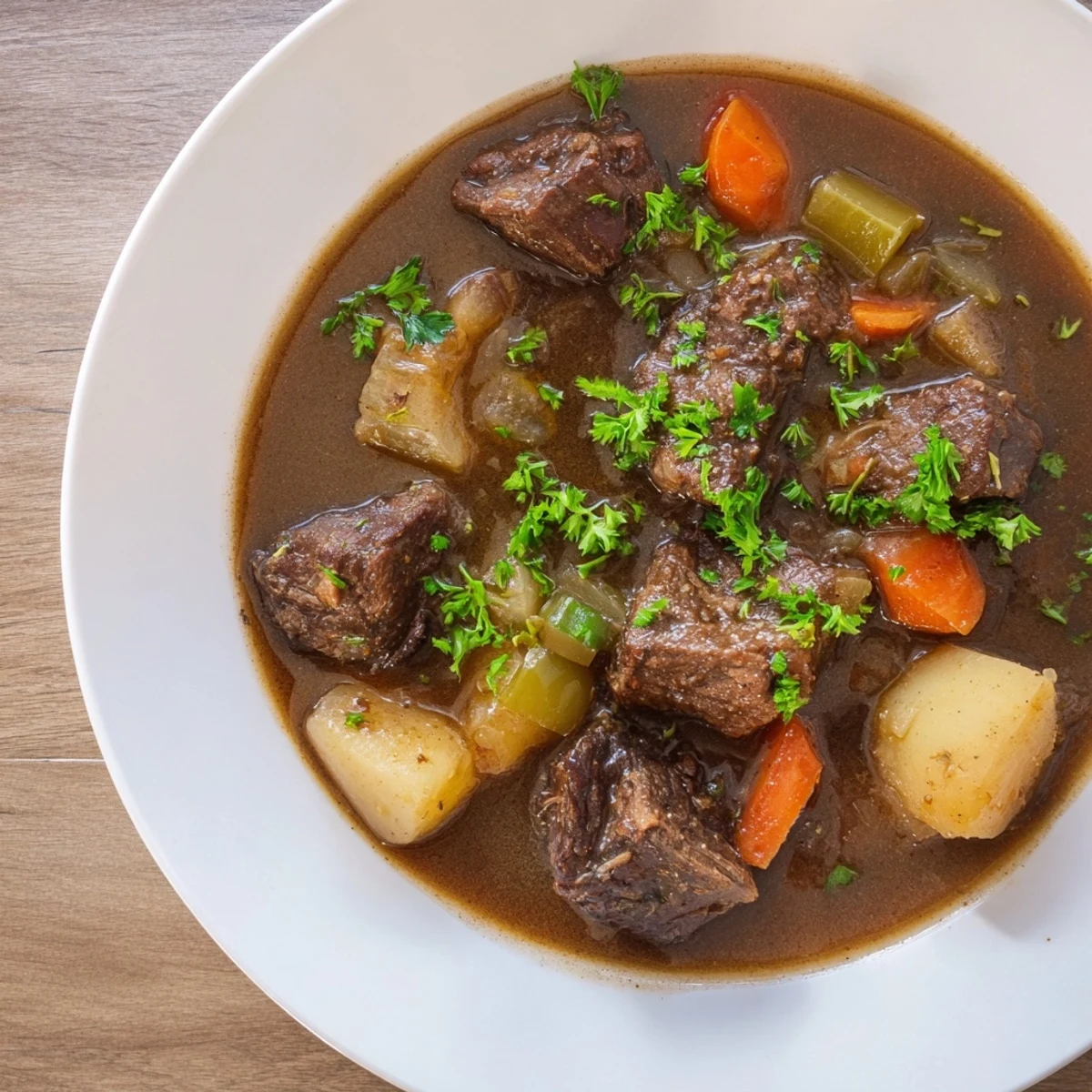
Save This stew is the kind of food that reminds you why cooking matters. It's not about impressing anyone; it's about filling a bowl with something warm and real and feeding the people you care about. That's enough.
Recipe FAQs
- → What cut of lamb is best for this stew?
-
Boneless lamb shoulder works best due to its balance of flavor and tenderness after slow cooking.
- → Can I substitute vegetables in this dish?
-
Yes, parsnips or turnips can replace potatoes to add a different root vegetable flavor.
- → Is red wine necessary in the cooking process?
-
Red wine adds depth and helps deglaze the pot, but it’s optional and can be omitted if preferred.
- → How long should I simmer the lamb for optimal tenderness?
-
Simmer the lamb gently for 1.5 to 2 hours until the meat is tender and flavors meld beautifully.
- → What herbs enhance the flavor of this dish?
-
Bay leaves, dried thyme, and rosemary provide aromatic, earthy notes that complement the lamb and vegetables.