
 Save
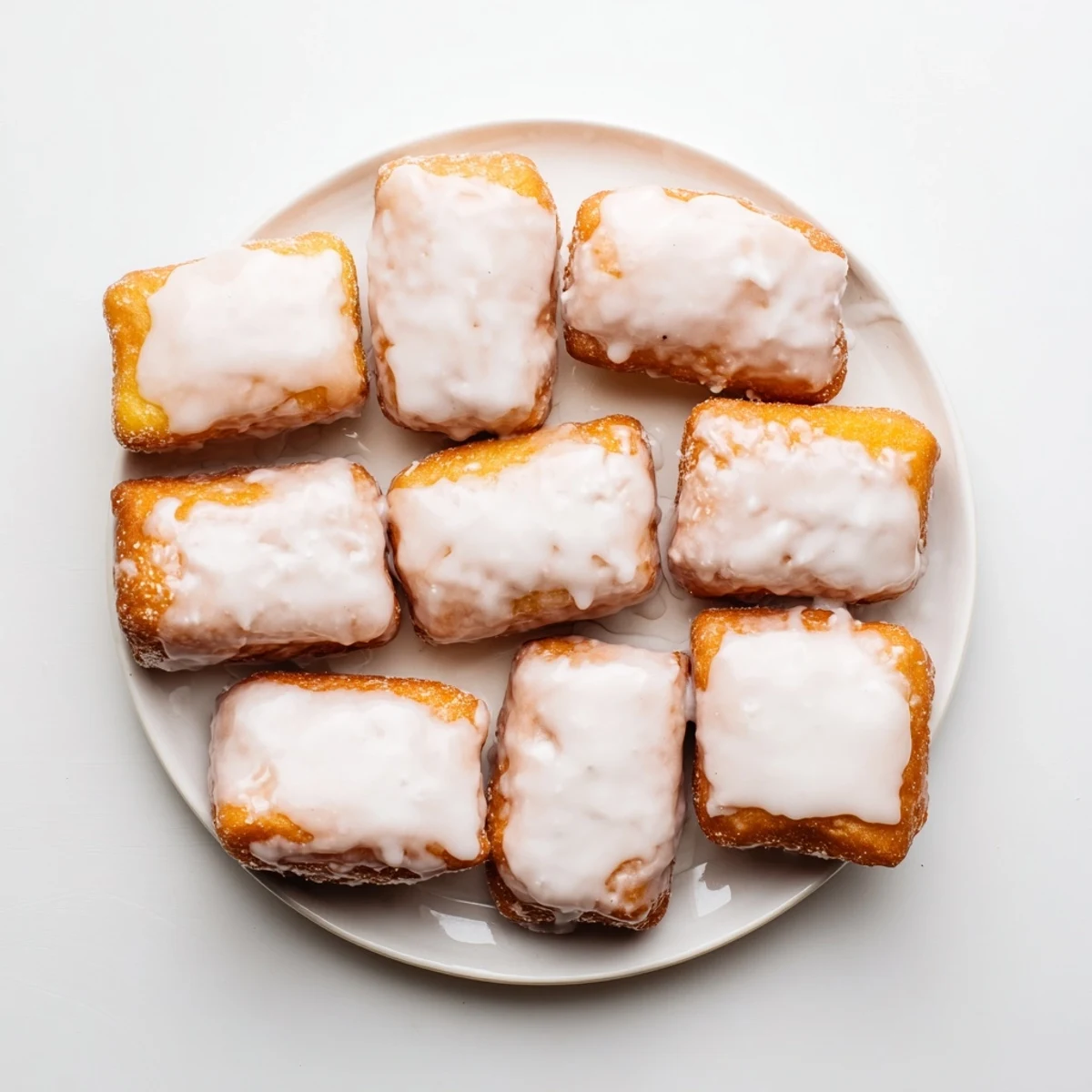
Save These buttermilk beignet squares deliver the perfect balance of crispy exterior and tender, pillowy interior. The tangy buttermilk enriches the dough, creating a delicate crumb that pairs beautifully with the sweet vanilla glaze. Each square emerges from the fryer golden and puffed, ready to be dipped while warm for maximum coating absorption.
The morning I made these for my sister's birthday breakfast, I'd never attempted beignets before. She'd been raving about a New Orleans trip for months, and I wanted to surprise her with something that tasted like that vacation she wouldn't stop talking about. We ended up eating half the batch right out of the fryer, standing over the stove with powdered sugar dusting our pajamas.
What I didn't expect was how much the dough would teach me about patience. That first rise in the warmest corner of my kitchen, watching it puff through the plastic wrap, felt like some kind of magic trick. My nephew kept asking if they were ready yet, not understanding that good things really do take time, especially when frying's involved.
Ingredients
- All-purpose flour: This creates the structure for your dough, so don't be tempted to swap in bread flour which would make them too chewy
- Active dry yeast: Make sure your water isn't too hot or you'll kill the yeast before it even starts working
- Granulated sugar: Not just for sweetness, this helps feed your yeast and creates that golden exterior when frying
- Kosher salt: Even in sweets, salt is essential to balance all the sugar and highlight flavors
- Buttermilk: This is the secret ingredient that adds tang and tenderness you won't find in traditional beignets
- Whole milk: Combined with buttermilk, it creates the perfect richness without overwhelming the other flavors
- Large eggs: Room temperature eggs incorporate better and help create that tender crumb structure
- Unsalted butter: Melted and cooled so it doesn't scramble your eggs when you mix everything together
- Vegetable oil: You need something neutral with a high smoke point for consistent, even frying
- Powdered sugar: Sifting is non-negotiable here, lumps will ruin your silky glaze
- Whole milk: Just enough to thin the glaze to that perfect coating consistency
- Pure vanilla extract: Don't use imitation, the real stuff makes all the difference in something this simple
Instructions
- Mix the dry foundation:
- Whisk together your flour, yeast, sugar, and salt in a large bowl until everything is evenly distributed
- Combine the wet ingredients:
- In a separate bowl, whisk the buttermilk, whole milk, eggs, and melted butter until completely smooth
- Bring it together:
- Create a well in the center of your dry ingredients and pour in the wet mixture, stirring until a shaggy dough forms
- Work the dough:
- Knead on a floured surface for six to eight minutes until smooth and elastic, or let your stand mixer do the heavy lifting for five minutes
- Let it rise:
- Place your dough in a lightly oiled bowl, cover it, and let it rest in a warm spot for sixty to seventy-five minutes until it's doubled in size
- Roll it out:
- Punch down the risen dough and roll it on a floured surface to about half an inch thick
- Cut your squares:
- Use a sharp knife or pastry cutter to cut two-inch squares, keeping them as uniform as possible for even cooking
- Second rest:
- Place your squares on a parchment-lined tray, cover loosely, and let them rest for twenty minutes before frying
- Fry to golden:
- Heat your oil to 350°F and fry beignets in batches for one to two minutes per side until they're puffed and beautifully golden
- Make the glaze:
- Whisk your sifted powdered sugar, milk, and vanilla until completely smooth and glossy
- Glaze them warm:
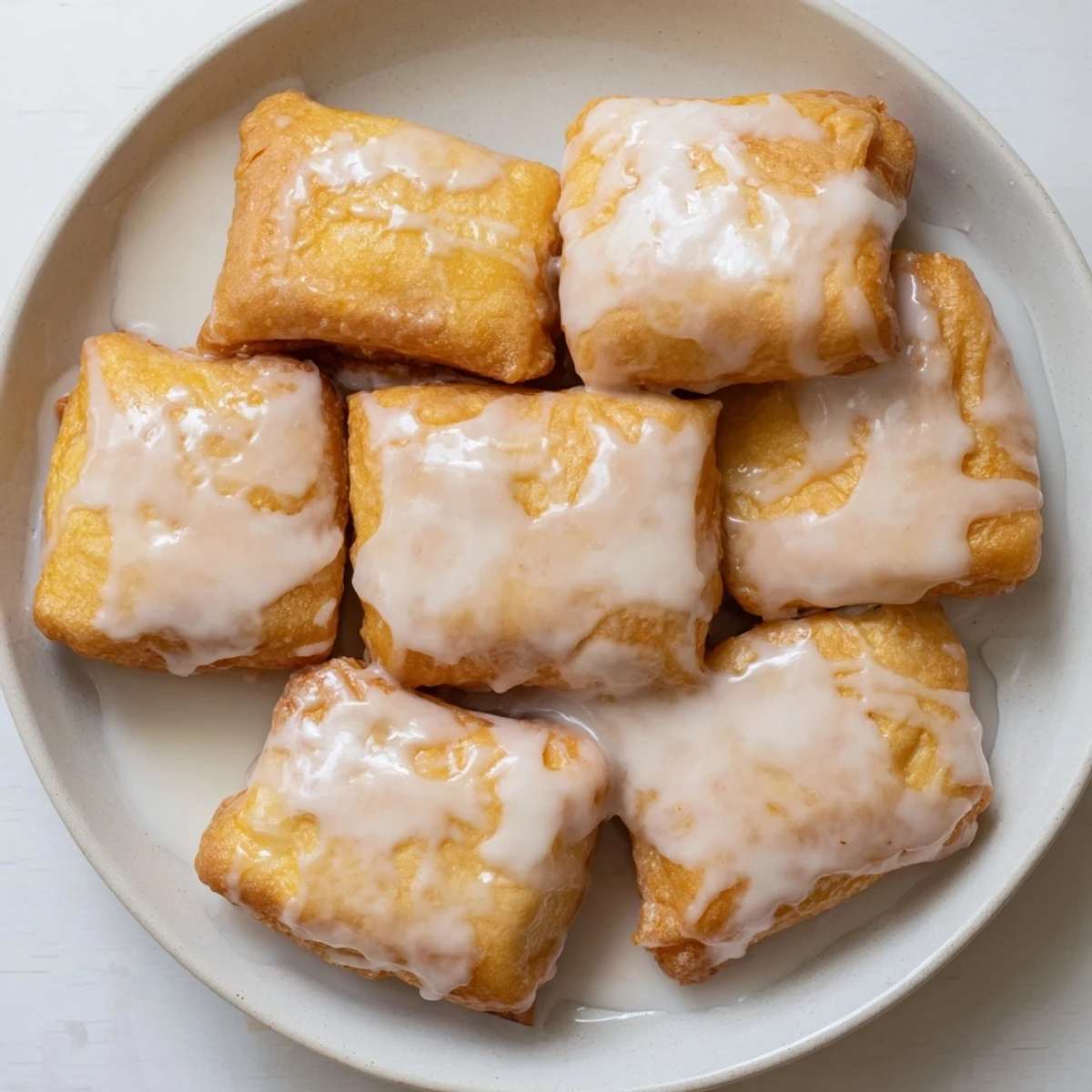
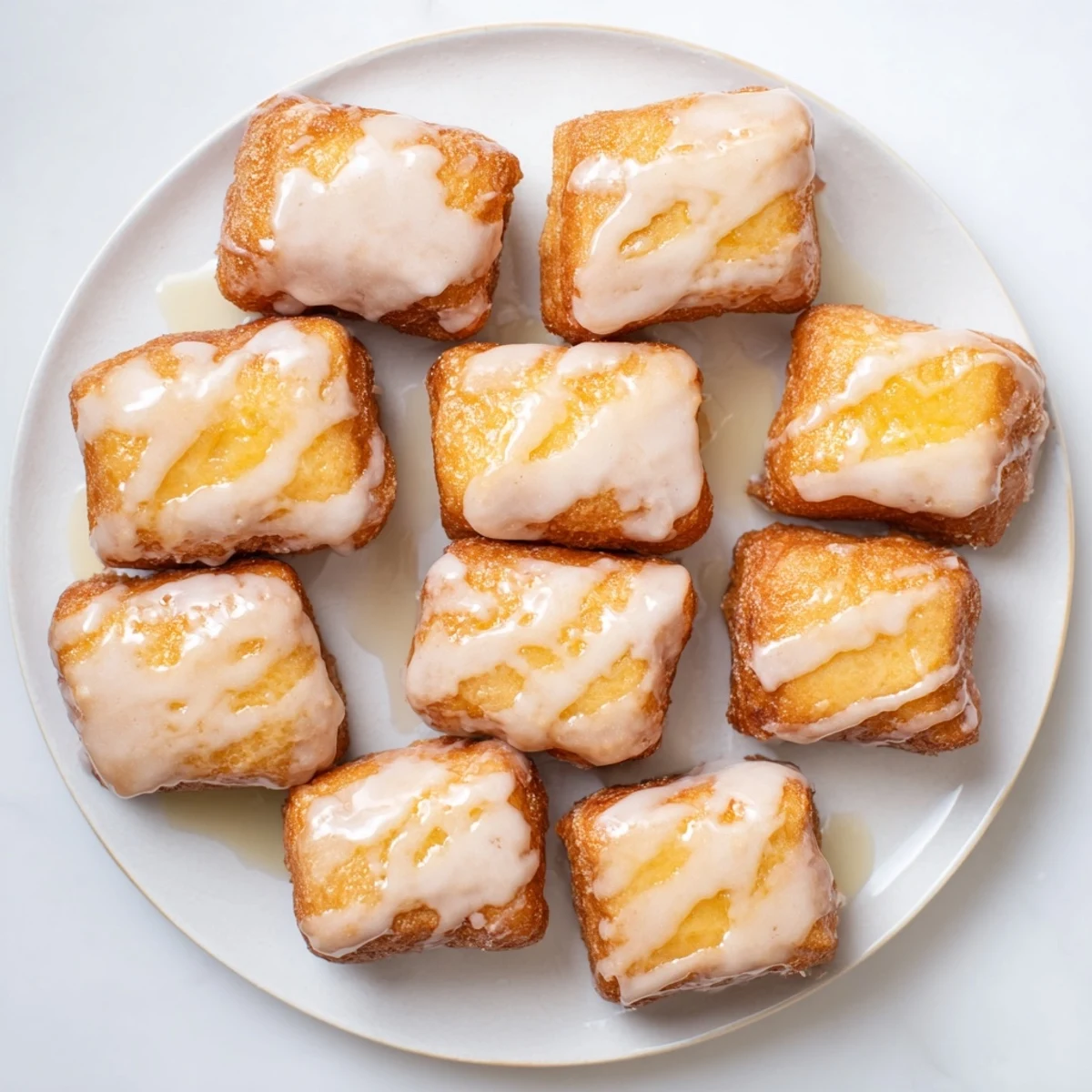
- Dip each warm beignet into the glaze, letting excess drip off, then place on a rack to set
 Save
Save These became my go-to whenever someone needs cheering up, which says something about the power of fried dough covered in sugar. My dad now requests them for Father's Day instead of a traditional cake, which feels like the highest compliment I could possibly receive.
Getting The Perfect Rise
I've learned that yeast dough has moods, and understanding them makes all the difference. The warmth of your kitchen matters, so if it's chilly, I turn on my oven for a minute, turn it off, and let the dough rise in there with the door cracked. The buttermilk here also affects fermentation, slowing it down just enough to develop deeper flavor while still rising beautifully.
Mastering The Fry
The first few times I made these, I burned the outside while leaving the inside raw because my oil was too hot. Now I keep a thermometer clipped to the pot and accept that I'll need to adjust the heat constantly as I add each batch. Properly fried beignets should float freely and puff up dramatically, turning that perfect golden brown that makes you want to eat them immediately.
Timing And Serving
These are best within an hour of frying, though I've learned to glaze them all at once rather than dipping as I go. The glaze needs those warm beignets to adhere properly but sets quickly once they cool. They're still edible the next day if stored in an airtight container, but reheating them in a 300°F oven for five minutes helps restore some of that freshly fried texture.
- Set up your glaze station before you start frying so you can work quickly
- Keep a paper towel-lined baking sheet in a warm oven for fried beignets waiting to be glazed
- Make coffee before you start, because these are practically begging to be paired with something hot and strong
 Save
Save There's something about standing over a pot of frying dough that feels like the most genuine kind of comfort. I hope these bring a little bit of New Orleans warmth into your kitchen, no matter where you are.
Recipe FAQs
- → What makes buttermilk beignets different from traditional ones?
-
Buttermilk adds tanginess and tenderness to the dough, creating a more delicate crumb while maintaining that signature fluffy texture New Orleans beignets are known for.
- → Can I prepare the dough ahead of time?
-
Yes, refrigerate the dough after the first rise for up to 24 hours. Let it come to room temperature before rolling and cutting into squares.
- → What's the best oil temperature for frying?
-
Maintain oil at 350°F (175°C) for optimal results. Too cool and they'll absorb excess oil, too hot and they'll burn before cooking through.
- → How do I store leftover glazed beignets?
-
Store in an airtight container at room temperature for up to 2 days. For best results, refresh in a 300°F oven for 5 minutes before serving.
- → Can I freeze uncooked beignet squares?
-
Yes, cut the dough into squares and freeze on a parchment-lined tray. Once solid, transfer to a freezer bag. Fry from frozen, adding 1-2 minutes to cooking time.
- → What's the secret to a smooth glaze?
-
Sift powdered sugar before whisking to eliminate lumps. Apply glaze while beignets are still warm but not hot—this helps the coating set evenly without dripping off.