
 Save
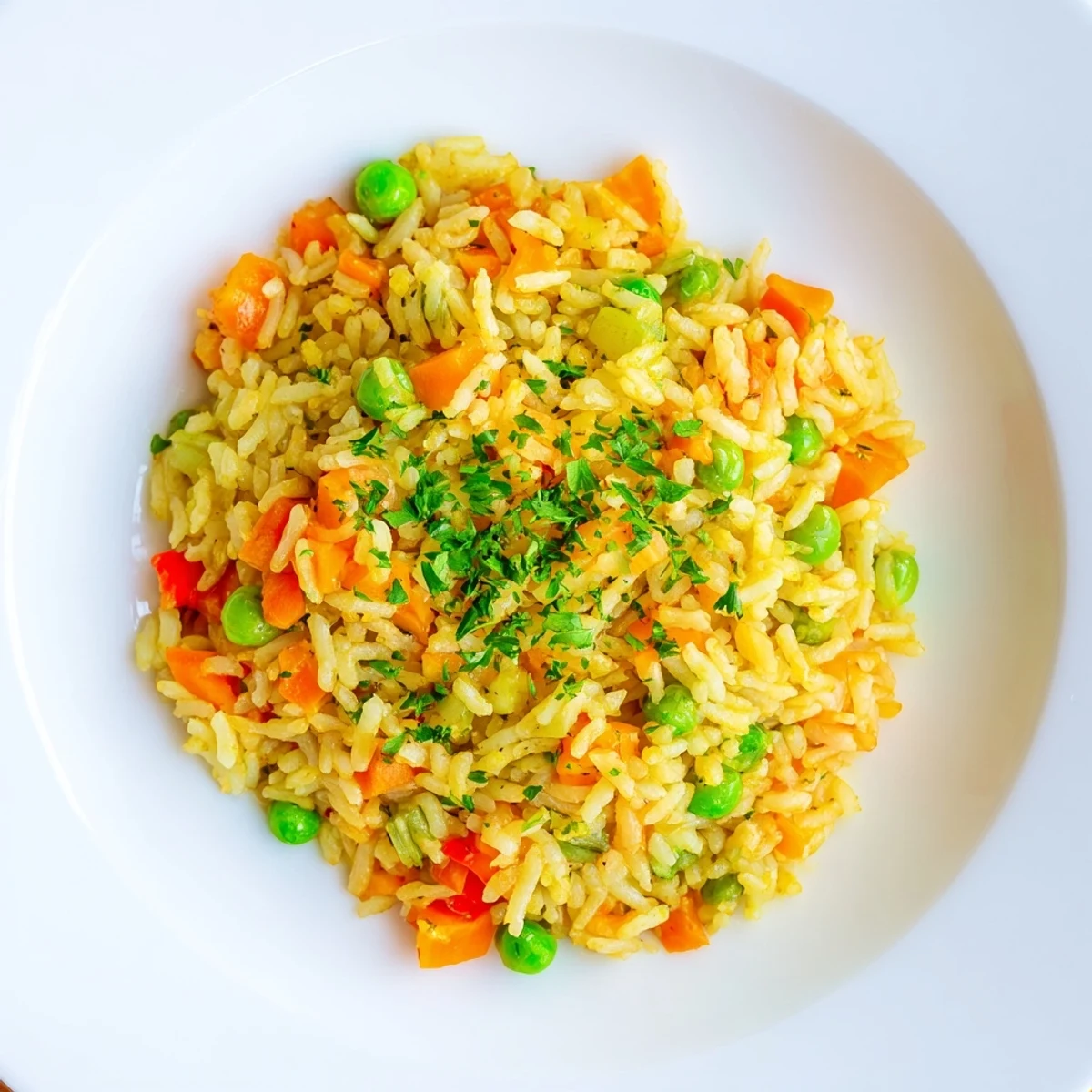
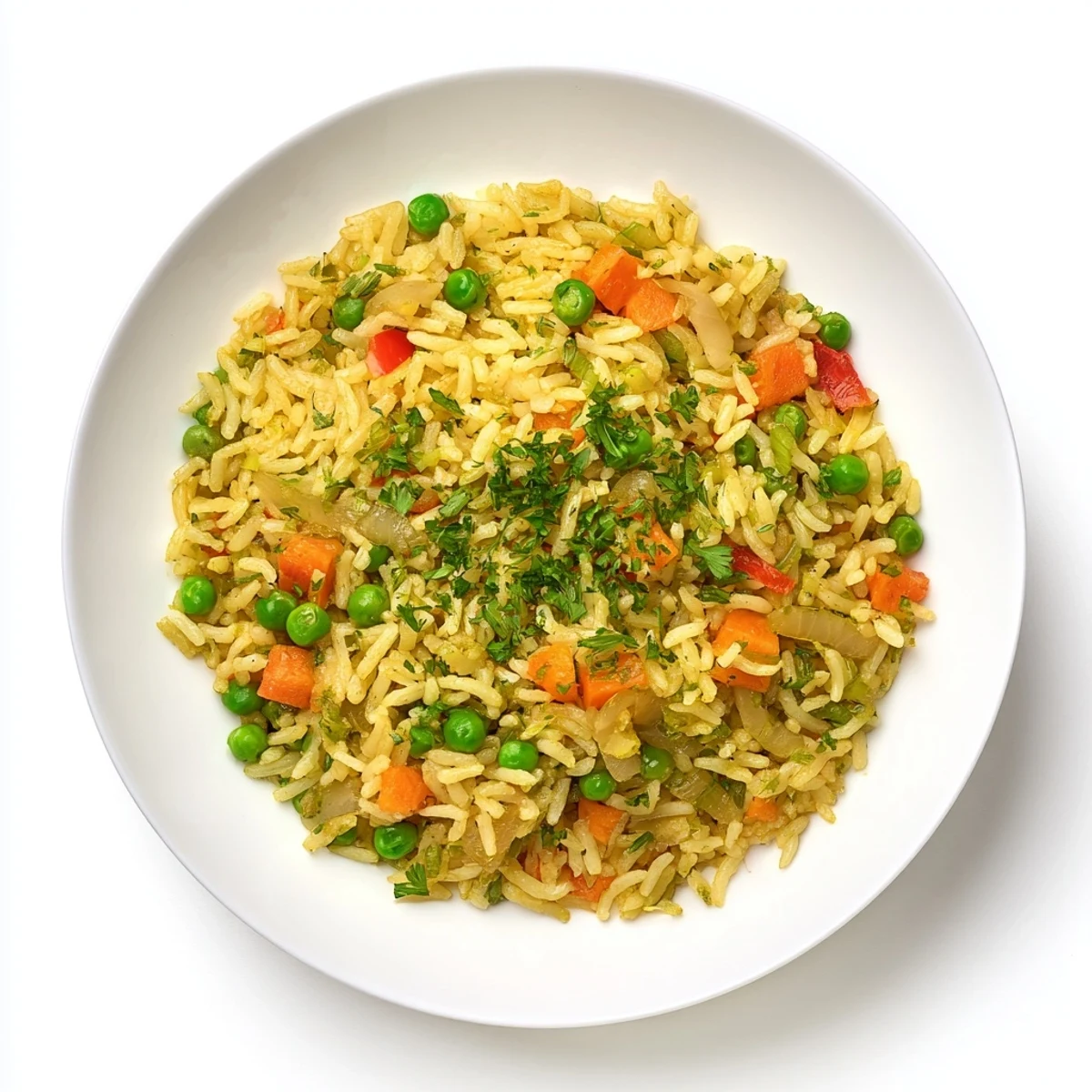
Save This fragrant rice blends long-grain grains with sautéed onion, carrot, celery, and bell pepper. Aromatic garlic, thyme, oregano, and a pinch of turmeric create a warm, inviting scent. Simmered in vegetable broth until tender, this dish finishes with fresh parsley and peas for a vibrant, colorful touch. It suits many preferences with easy swaps like chickpeas or tofu for protein, and versatile vegetables for varied flavors. Ideal for a light main or side, it combines simple steps with rich taste and bright herbs.
There's something about the sound of rice hitting hot oil that makes me feel like I'm cooking something intentional. I discovered this savory rice dish during a quiet weeknight when I had a handful of vegetables getting old in my crisper drawer and needed something that felt both comforting and alive. The aroma that fills your kitchen as the garlic hits the pan is honestly worth the thirty minutes alone.
I made this for my sister on a night when she showed up tired from work, and halfway through eating it, she just stopped and asked what made it taste so different from regular rice. It wasn't anything magical—just the herbs and the way the vegetables had sweetened into the grains. She's made it almost weekly since then.
Ingredients
- Long-grain rice (basmati or jasmine): These varieties keep their shape and let each grain taste like it's been dressed individually by the spices and vegetables.
- Vegetable broth: Use a good one if you can—it's the difference between rice that's hydrated and rice that actually tastes like something.
- Onion, carrot, celery, and bell pepper: This aromatic base is your foundation; the softer they become, the more they dissolve into the rice and flavor every bite.
- Frozen peas: Add them late so they stay bright and slightly firm rather than turning to mush.
- Garlic, thyme, and oregano: These three are the quiet backbone that makes people ask what spices you used.
- Turmeric: Optional but worth it—adds a gentle warmth and a beautiful golden hue that makes the dish feel intentional.
- Fresh parsley: Stirred in at the very end, it brings a fresh note that cuts through the richness and reminds you this is a vegetable dish.
- Olive oil: Enough to coat everything and create a base for the aromatics to bloom.
Instructions
- Rinse your rice:
- Run it under cold water until the water runs clear—this removes the starch and lets each grain cook separately instead of clumping. It takes just a minute but makes a noticeable difference.
- Sauté the vegetables:
- Heat the oil over medium heat and add your onion, carrot, celery, and bell pepper. Let them soften for 4 to 5 minutes, stirring occasionally—you're building flavor here, not rushing.
- Bloom the aromatics:
- Add the garlic, thyme, oregano, pepper, turmeric, and salt. Stir constantly for about one minute until the kitchen smells like something worth cooking. This one minute makes the spices taste roasted rather than raw.
- Toast the rice:
- Add the drained rice and stir it into the vegetables and spices until every grain is coated. This step, which feels small, actually changes how the rice tastes by giving it a subtle nutty undertone.
- Add the liquid and bring to a boil:
- Pour in the vegetable broth and let it come to a rolling boil. You'll see the liquid slowly being absorbed as the rice cooks.
- Simmer covered:
- Reduce the heat to low, cover the saucepan, and let it cook undisturbed for 15 minutes. Resist the urge to lift the lid and peek—steam is doing the work for you.
- Add the peas and finish:
- Stir in the frozen peas, cover again, and cook for 5 more minutes. The peas will warm through and stay bright, and the remaining liquid will be mostly absorbed.
- Rest and fluff:
- Remove from heat and let the rice sit, covered, for 5 minutes. This resting period lets the moisture distribute evenly, and then you fluff everything gently with a fork and stir in the fresh parsley right before serving.
 Save
Save There was an afternoon when my neighbor stopped by just as I was fluffing the rice, and the smell drew her into the kitchen. She sat at my counter and we ended up talking for two hours while picking at this dish straight from the pot. Food has a way of being the excuse for connection sometimes.
Why This Becomes Your Go-To
Once you make this once, you'll find yourself making it again because it's genuinely better than the sum of its parts. The vegetables soften and sweeten, the herbs lose their dryness and become part of the whole, and the rice absorbs all of it without turning mushy. It's proof that simple, gentle cooking can taste more interesting than dishes with longer ingredient lists.
Variations That Work
Swap almost any vegetable into this and it will work—zucchini, corn, green beans, mushrooms, even diced tomatoes at the very end. If you want it to feel more substantial, stir in cooked chickpeas or crumbled tofu when you add the peas. For richness, use butter instead of olive oil and watch how the whole dish becomes deeper and more velvety.
Making It Your Own
This recipe is forgiving because it's meant to be flexible, and the best version is always the one you make with what you have and what you love. Start with the base here, taste as you go, adjust the salt and spices to your preference, and don't be afraid to add a pinch more garlic or herbs if something feels flat. The dish will tell you what it needs.
- Taste the broth before adding it—if it's already salty, use less salt in your seasonings.
- Fresh herbs are always better than dried, but dried work beautifully in this recipe too.
- Serve this hot or at room temperature, alone or as a side to grilled meats and roasted vegetables.
 Save
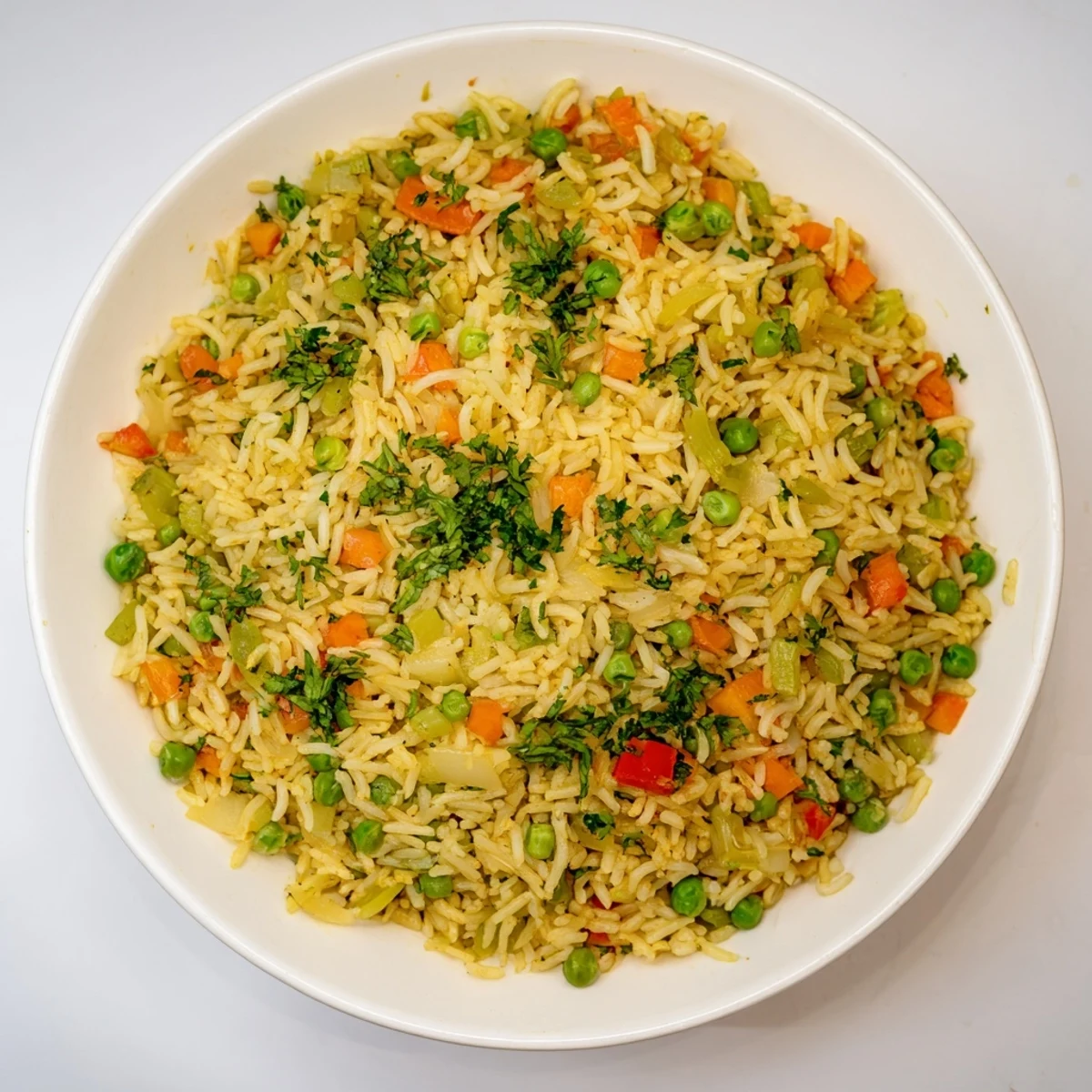
Save This savory rice dish has a way of becoming more than just dinner—it's what you make when you want something nourishing without overthinking it. Make it, share it, adjust it, and let it become yours.