
 Save
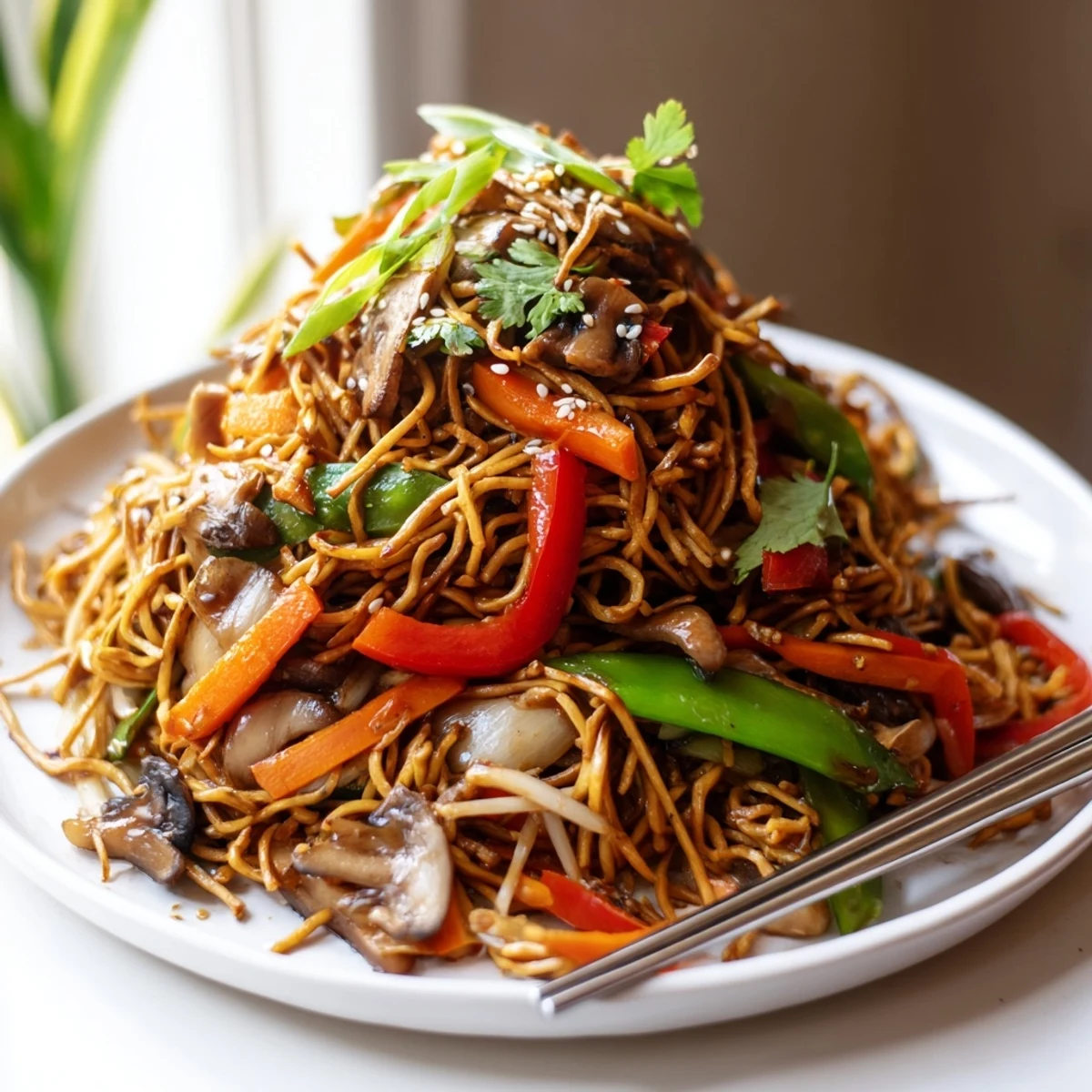
Save This vibrant dish brings together perfectly golden crispy noodles and a medley of fresh vegetables in an aromatic savory sauce. The contrast between the crunchy fried noodles and tender-crisp vegetables creates satisfying texture in every bite. Ready in just 40 minutes, this vegetarian main works beautifully for weeknight dinners yet feels special enough for weekend meals. You can easily customize with your favorite seasonal vegetables or add protein like tofu or tempeh for a more substantial dish.
My tiny apartment kitchen filled with the most incredible aroma when I first attempted restaurant style chow mein at home. The sizzle of noodles hitting hot oil brought back memories of crowded dim sum halls and steam rising from bamboo baskets. I burned the first batch horribly, but that slightly charred mess taught me more than any cookbook could have.
Last winter when my sister visited during a particularly bleak week, this dish turned an ordinary Tuesday into something memorable. She hovered over the wok watching the noodles transform, asking questions about technique I barely knew the answers to. We ate standing up in the kitchen, too impatient to bother with proper plates, both agreeing it was better than any delivery we had ever ordered.
Ingredients
- 200 g dried chow mein noodles: These thin egg noodles crisp up beautifully and hold their texture even under the sauce
- 2 tbsp vegetable oil: Split between frying the noodles and stir frying the vegetables for maximum flavor development
- 1 medium red bell pepper, thinly sliced: Adds sweetness and that gorgeous pop of color that makes the dish feel celebratory
- 1 medium carrot, julienned: The crunch and subtle sweetness balance the richer elements perfectly
- 100 g snow peas, trimmed: They stay snappy even after cooking and bring fresh flavor to every forkful
- 100 g shiitake or button mushrooms, sliced: Earthy umami that makes vegetarian versions feel completely satisfying
- 1 small yellow onion, thinly sliced: The foundation that builds depth as it cooks down in the wok
- 1 cup bean sprouts: Added at the very end for incredible texture contrast
- 2 spring onions, sliced: Use half in the stir fry and half as fresh garnish
- 3 tbsp soy sauce: The salty backbone that brings everything together
- 1 tbsp oyster sauce: Even vegetarian versions add that characteristic restaurant quality richness
- 1 tbsp hoisin sauce: Subtle sweetness and complexity that makes the sauce memorable
- 1 tbsp sesame oil: Just enough to add that distinctive aromatic finish
- 1 tsp sugar: Balances the salty elements and helps vegetables caramelize slightly
- 2 cloves garlic, minced: Fresh is absolutely non negotiable here
- 1 tsp fresh ginger, grated: The warmth that cuts through the rich sauce
- 2 tbsp water mixed with 1 tsp cornstarch: The secret to getting that glossy restaurant style coating
Instructions
- Cook and prep your noodles:
- Boil the chow mein noodles according to package directions, then rinse thoroughly under cold water to stop cooking and remove excess starch. Spread them out to dry as much as possible before frying.
- Create the crispy noodle base:
- Heat half the oil in a large wok or skillet over medium high heat until shimmering, then spread the cooked noodles in an even layer. Let them fry undisturbed for 4 to 5 minutes until deeply golden, then flip carefully and crisp the other side for 2 to 3 minutes. Set aside on a plate.
- Mix the sauce:
- Whisk together soy sauce, oyster sauce, hoisin sauce, sesame oil, sugar, garlic, ginger, water, and cornstarch until the cornstarch is completely dissolved. Set aside near your cooking station.
- Stir fry the vegetables:
- Wipe out the wok and return it to high heat with the remaining oil. Add onions and carrots first, stir frying for 2 minutes, then add bell pepper, mushrooms, and snow peas for another 3 to 4 minutes until just tender.
- Combine everything:
- Pour in the sauce and stir constantly for about 1 minute as it thickens and coats every vegetable. Add bean sprouts and half the spring onions, tossing just until combined.
- Assemble and serve:
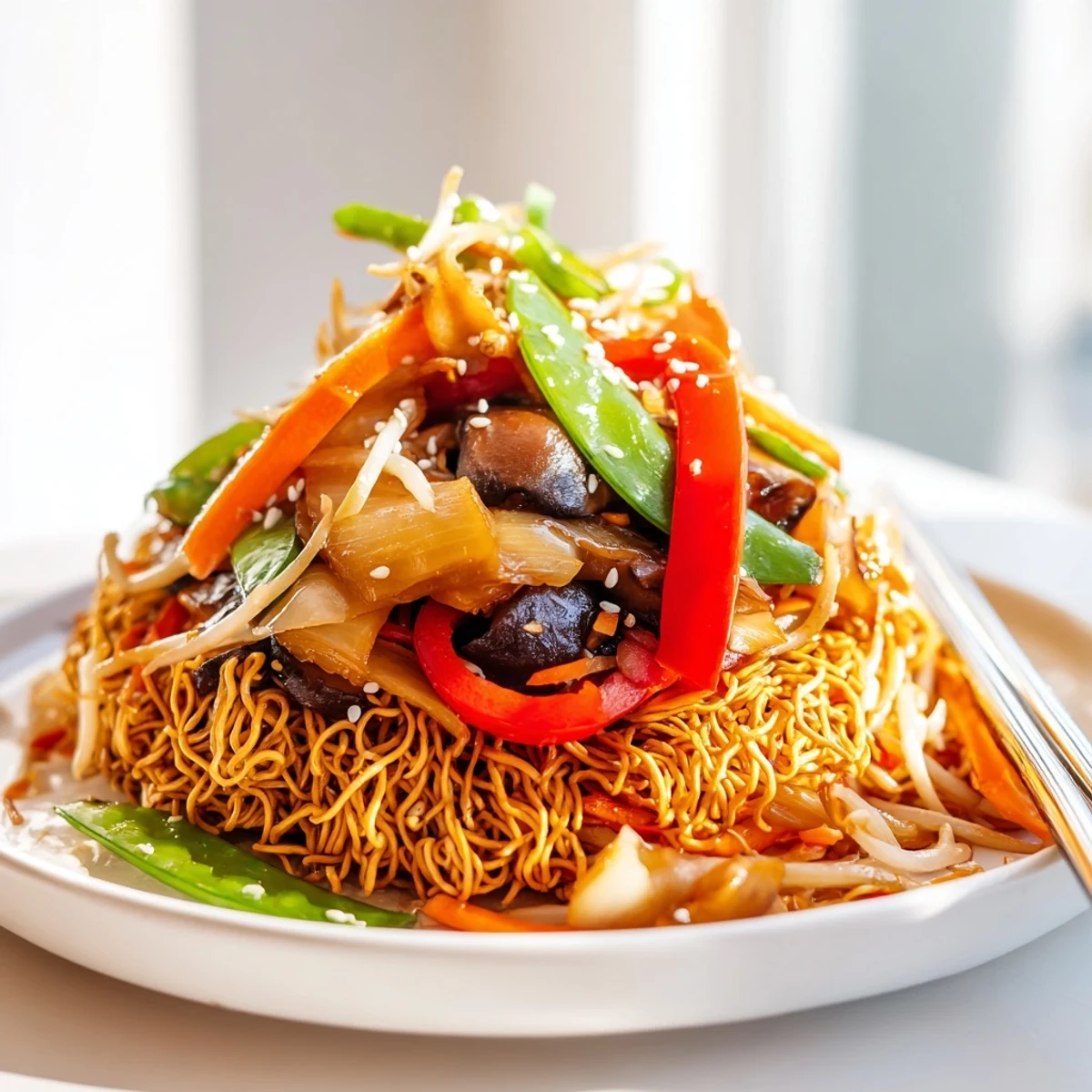
- Arrange the crispy noodles on a serving platter and spoon the sauced vegetables over the top. Garnish with remaining spring onions, sesame seeds, and fresh coriander if desired.
 Save
Save This recipe became my go to for new neighbors and stressful work weeks alike. Something about that combination of textures and flavors feels like a proper meal, the kind that makes you pause between bites and forget whatever was worrying you an hour ago.
Making It Your Own
I have learned that the best adaptations come from what is already in your refrigerator. Broccoli stems work beautifully when sliced thin, and baby corn adds sweetness that my nieces particularly love. The vegetables can change with the seasons or your mood.
The Crispy Noodle Technique
Getting that restaurant style crisp requires patience and the confidence to let the noodles sit undisturbed. The sizzling will sound intense and you will worry about burning, but that golden crust is what makes this dish special. Resist the urge to stir too soon.
Perfecting The Sauce Balance
Every brand of soy sauce has different salt levels, so taste your sauce before adding it to the vegetables. I keep a small bowl of cooked rice nearby for testing adjustments. The goal is a balance where no single flavor dominates.
- Start with less soy sauce if you are salt sensitive and adjust at the end
- If the sauce seems too thick, add water one tablespoon at a time
- Leftover sauce keeps in the refrigerator for a week and works with any stir fry
 Save
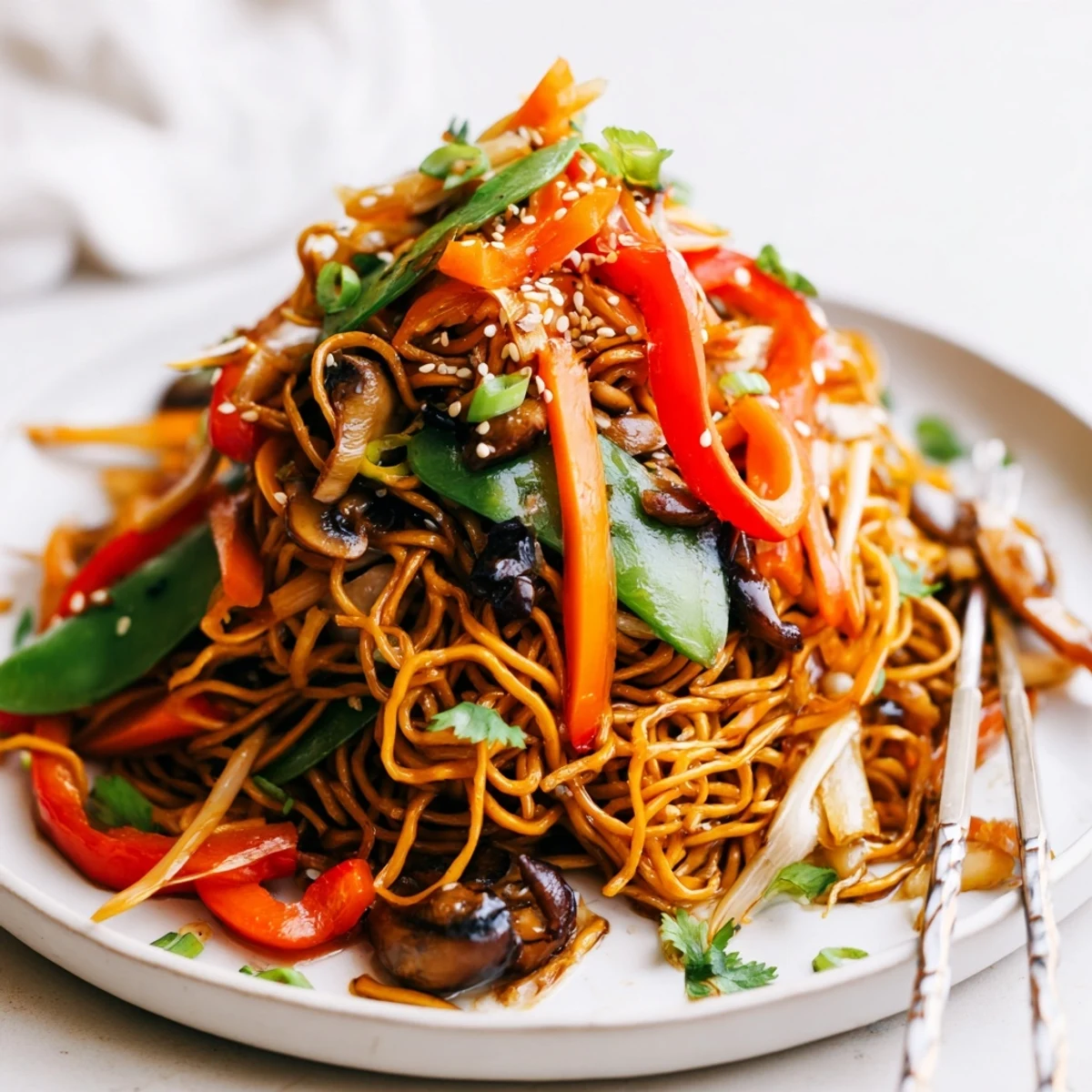
Save The first time you successfully get that noodle crust without burning it, you will feel like a proper chef. Enjoy that feeling and the incredibly delicious meal that follows.
Recipe FAQs
- → How do I get the noodles perfectly crispy?
-
Fry the cooked noodles in a hot nonstick skillet or wok without disturbing them for 4–5 minutes until the bottom turns golden brown. Flip carefully and crisp the other side for 2–3 minutes. This creates that signature crunch while keeping the inside tender.
- → Can I make this gluten-free?
-
Yes. Substitute regular soy sauce with tamari and use gluten-free chow mein noodles. Double-check that your hoisin and oyster sauces are certified gluten-free or suitable alternatives.
- → What vegetables work best in this dish?
-
Bell peppers, carrots, snow peas, mushrooms, and bean sprouts provide excellent color and texture. You can also add broccoli, baby corn, bok choy, or snap peas depending on what's in season or available in your kitchen.
- → Can I add protein to make it more filling?
-
Absolutely. Cubed firm tofu, tempeh, or sliced seared chicken work beautifully. Fry the protein first, remove from the pan, then cook the vegetables. Add the protein back when combining everything at the end.
- → How do I store and reheat leftovers?
-
Store components separately in airtight containers in the refrigerator for up to 2 days. Keep the crispy noodles away from the sauce to maintain crunch. Reheat vegetables in a pan over medium heat and refresh noodles in a hot oven for 5 minutes.
- → What makes the sauce flavors balanced?
-
The combination of soy sauce for saltiness, hoisin for sweetness, oyster sauce for umami depth, and sesame oil for nuttiness creates layers of flavor. The touch of sugar rounds everything out while garlic and ginger add aromatic warmth.