
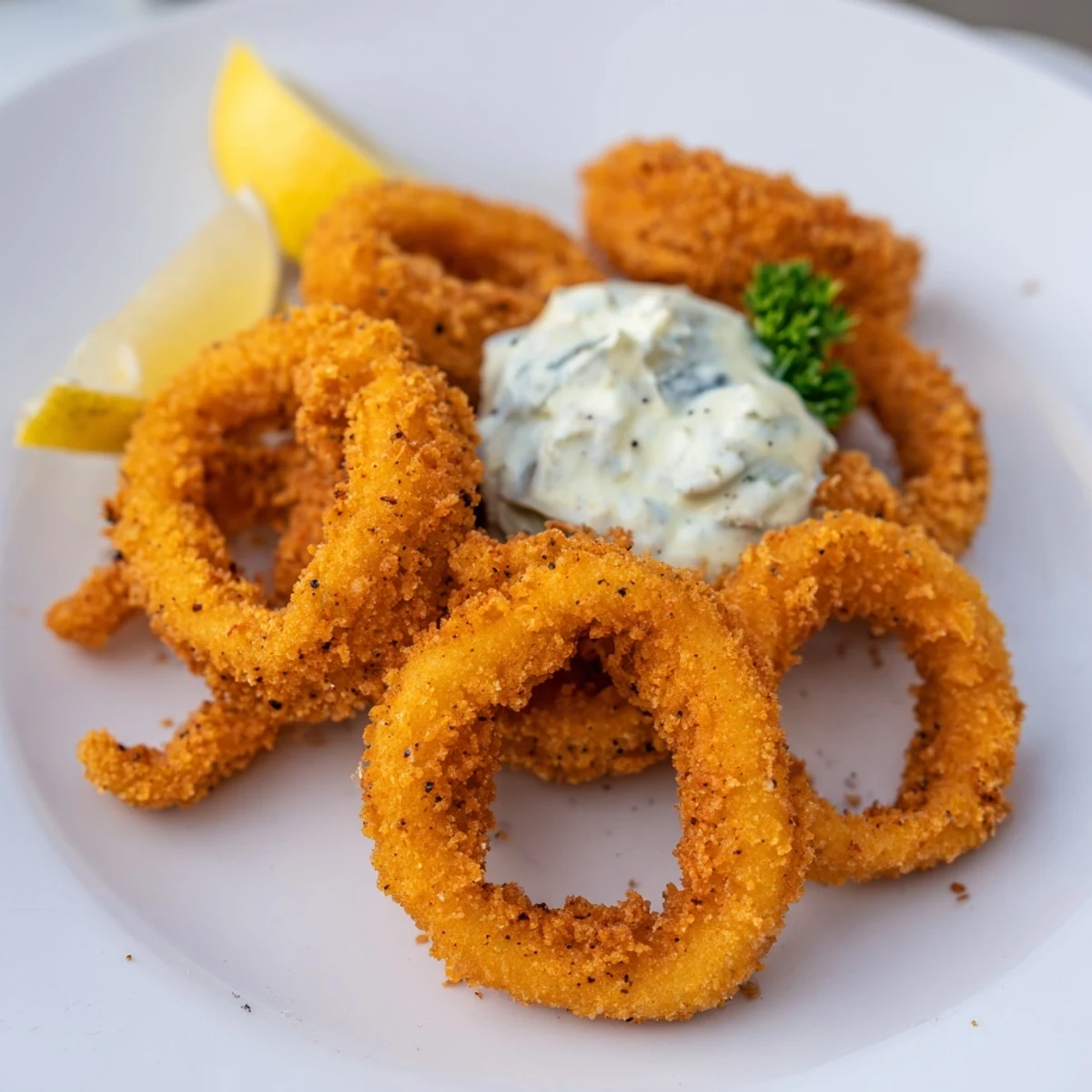
 Save
Save Fresh squid rings are marinated in buttermilk, coated in a seasoned blend of flour and cornmeal, then fried to a golden crisp. The accompanying tartar sauce combines mayonnaise, capers, gherkins, Dijon, lemon, and parsley for a refreshing contrast. This Mediterranean-inspired dish is perfect served hot with lemon wedges for a vibrant, flavorful appetizer or light entrée.
I was standing at a harbor-side stall in Sicily when I first tasted calamari that actually made sense to me. It wasn't rubbery or bland—it was golden, tender, and still warm from the fryer. The vendor handed it to me in a paper cone with nothing but a lemon wedge, and I realized I'd been eating the wrong version my whole life.
I made this for my sister's birthday last spring, and she ate nearly half the batch before anyone else got close. She kept saying it reminded her of a trip we took to Greece years ago, though I'm pretty sure she just didn't want to share. Either way, watching her reach for piece after piece told me I'd finally cracked the code.
Ingredients
- Fresh calamari (500 g, cleaned and sliced): Fresh is everything here—frozen works in a pinch, but thaw it completely and pat it dry or the coating will slide right off.
- Buttermilk (200 ml): This is the secret to tenderness, the acidity breaks down the proteins just enough without turning the squid mushy.
- All-purpose flour (100 g): The base of your coating, it clings to the buttermilk and crisps up beautifully in hot oil.
- Cornmeal (50 g, fine): Adds that crackly texture you get at good seaside restaurants, don't skip it.
- Sea salt (1 tsp), black pepper (½ tsp), smoked paprika (½ tsp): Simple seasoning that lets the calamari shine without competing for attention.
- Vegetable oil (for frying): You need a neutral oil with a high smoke point, about 5 cm deep in the pan for even cooking.
- Lemon wedges: A squeeze of lemon right before eating wakes up every bite.
- Mayonnaise (120 g): The creamy base for tartar sauce, use good quality mayo or make your own if you're feeling ambitious.
- Capers (1 tbsp, chopped), gherkins (2 small, diced): These bring the briny, tangy bite that makes tartar sauce worth making from scratch.
- Dijon mustard (1 tsp), lemon juice (1 tbsp), parsley (1 tbsp, chopped): Sharpness, brightness, and a hint of green—this trio pulls the sauce together.
Instructions
- Soak the calamari:
- Pour the buttermilk over your sliced calamari rings and tentacles, making sure everything is submerged. Let it sit in the fridge for 15 minutes while you prep everything else.
- Mix your dry coating:
- In a shallow dish, whisk together the flour, cornmeal, salt, pepper, and smoked paprika. This is your armor—it should smell faintly smoky and peppery.
- Coat the squid:
- Pull the calamari out of the buttermilk and let the excess drip off for a second. Toss each piece into the flour mixture and press gently so the coating sticks to every curve.
- Heat the oil:
- Pour about 5 cm of oil into a heavy pan and bring it to 180°C. If you don't have a thermometer, drop in a pinch of flour—it should sizzle immediately but not burn.
- Fry in batches:
- Work in small batches so the oil temperature stays steady. Fry each batch for 2 to 3 minutes until the coating turns deep gold and crisp, then lift out with a slotted spoon.
- Drain and rest:
- Lay the fried calamari on paper towels to soak up excess oil. They'll stay crispy if you don't pile them on top of each other.
- Make the tartar sauce:
- Stir together the mayo, capers, gherkins, mustard, lemon juice, and parsley in a small bowl. Taste it and adjust salt and pepper until it has enough punch to stand up to the fried squid.
- Serve hot:
- Pile the calamari onto a plate with lemon wedges on the side and a bowl of tartar sauce. Eat them while they're still crackling.
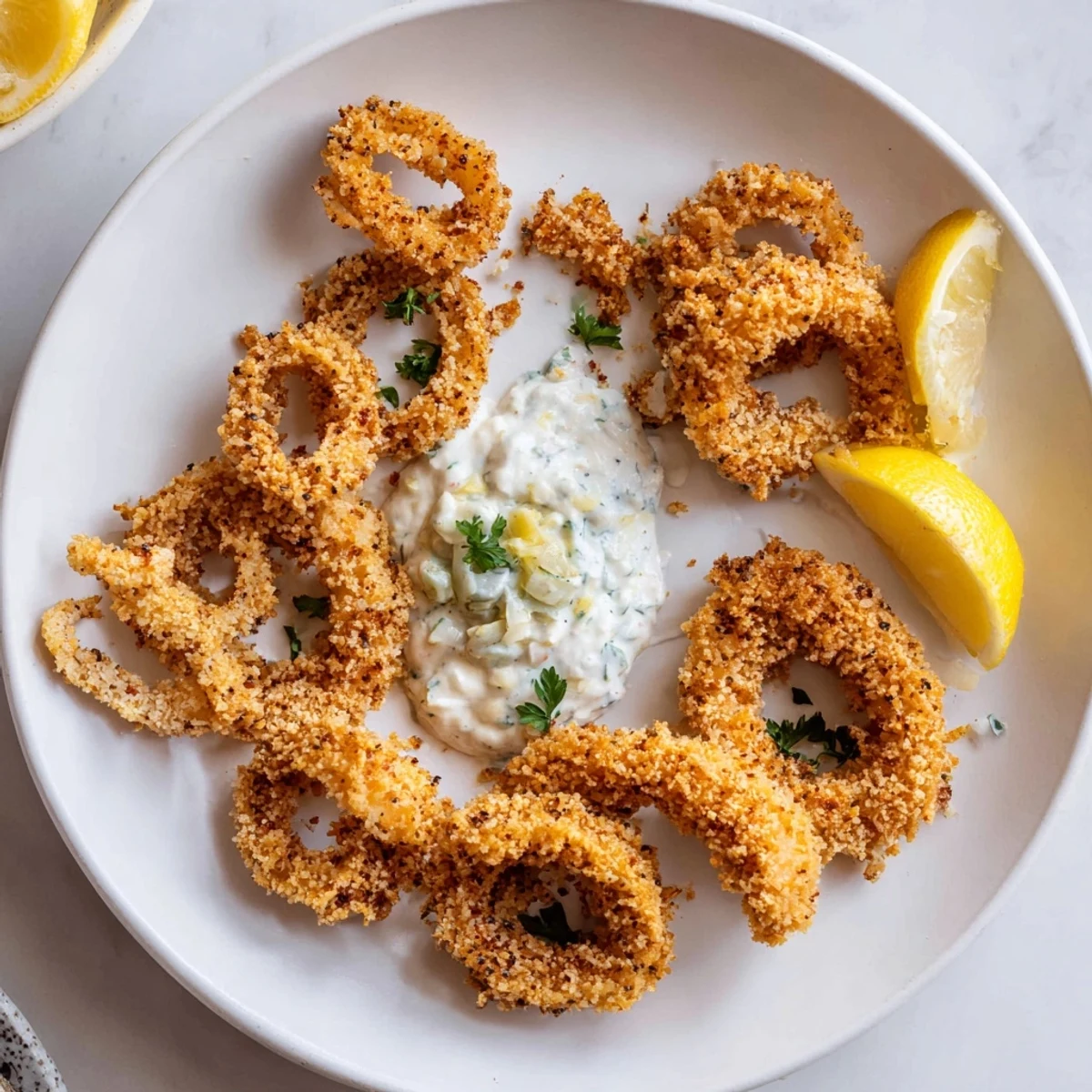 Save
Save There's something about standing around the kitchen counter with a plate of these still warm, everyone reaching in with their fingers and laughing between bites. It's the kind of food that turns a regular Tuesday into something you remember.
What to Serve It With
I usually pour a cold, bone-dry white wine like Sauvignon Blanc or a crisp lager. If you want to make it a full meal, serve it alongside a lemony arugula salad or roasted vegetables. It also works beautifully as part of a tapas-style spread with olives, crusty bread, and marinated peppers.
How to Know When It's Done
The coating should be golden brown and audibly crispy when you lift it from the oil. If the calamari looks pale or soft, give it another 30 seconds. The squid itself cooks fast—once the outside is crisp, the inside is ready. Overcooking is the only real enemy here.
Making It Your Own
You can swap the smoked paprika for cayenne if you want heat, or add lemon zest to the flour for extra brightness. Some people like to double-dip the calamari for an even thicker crust—dip it in buttermilk again after the first dredge, then coat it one more time. I've also made this gluten-free using rice flour and cornstarch, and it worked surprisingly well.
- Try adding a pinch of garlic powder to the coating for a savory twist.
- If you don't have buttermilk, mix regular milk with a tablespoon of lemon juice and let it sit for five minutes.
- Leftover tartar sauce keeps in the fridge for up to three days and tastes great on fish or sandwiches.
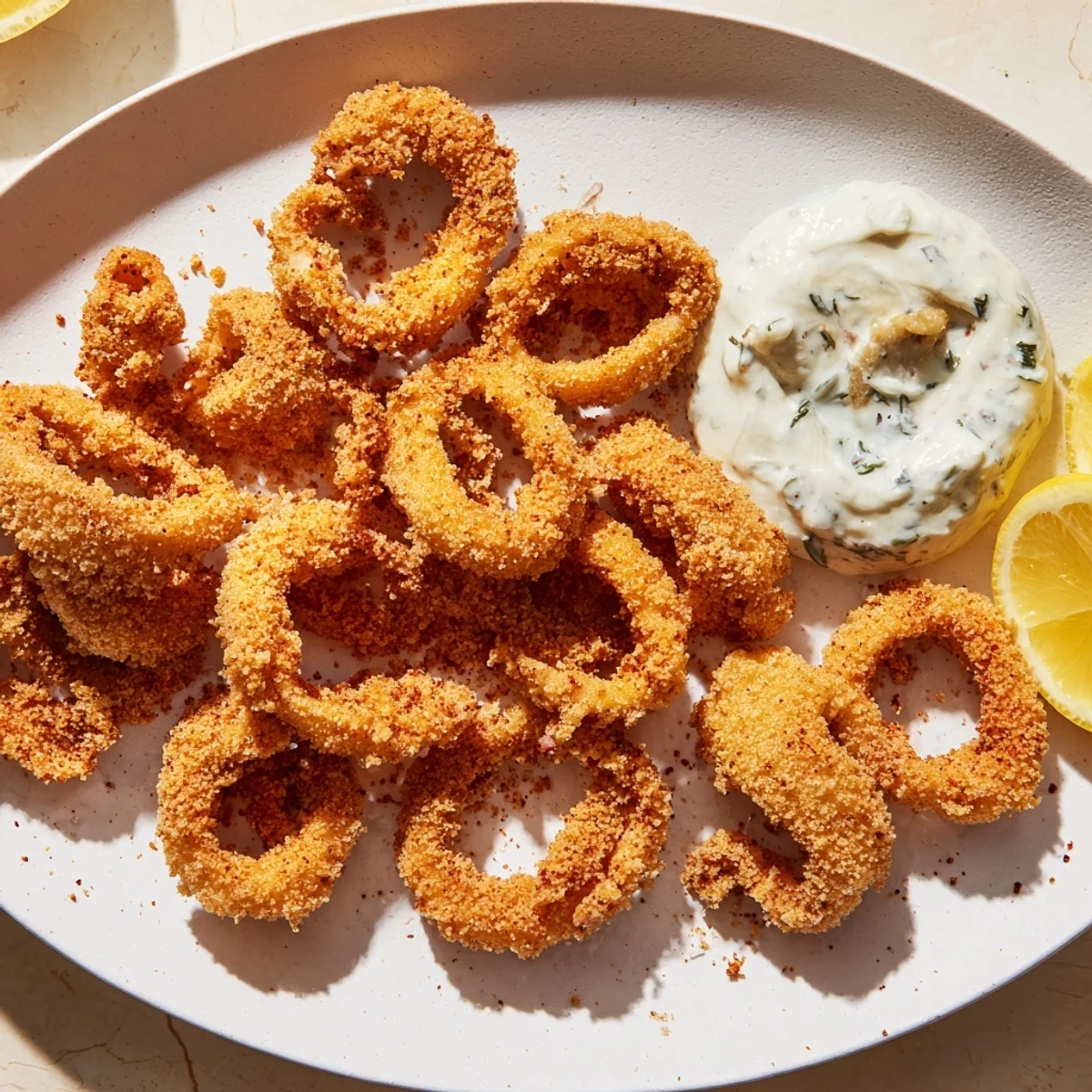 Save
Save This is the kind of dish that makes people lean back and sigh happily, the kind that disappears before you realize you meant to save some. Make it once and it'll become your go-to whenever you want to impress without the stress.
Recipe FAQs
- → How do you achieve a crispy texture on calamari?
-
Marinating the squid in buttermilk helps tenderize it, while coating with a mixture of flour and cornmeal creates a crunchy crust when fried in hot oil.
- → What is the purpose of the tartar sauce ingredients?
-
The combination of mayonnaise, capers, gherkins, and lemon creates a tangy, creamy sauce that perfectly complements the fried calamari's crispiness.
- → Can I substitute the coating ingredients for dietary needs?
-
Yes, a gluten-free flour can replace all-purpose flour to accommodate gluten sensitivities without compromising crunch.
- → What oil is best for frying calamari?
-
Use a neutral oil with a high smoke point like vegetable or canola oil to achieve an even, golden fry without burning.
- → How should the calamari be cooked to avoid toughness?
-
Fry the squid quickly in small batches at 180°C (350°F) for 2–3 minutes to ensure it stays tender and crisp rather than chewy.