
 Save
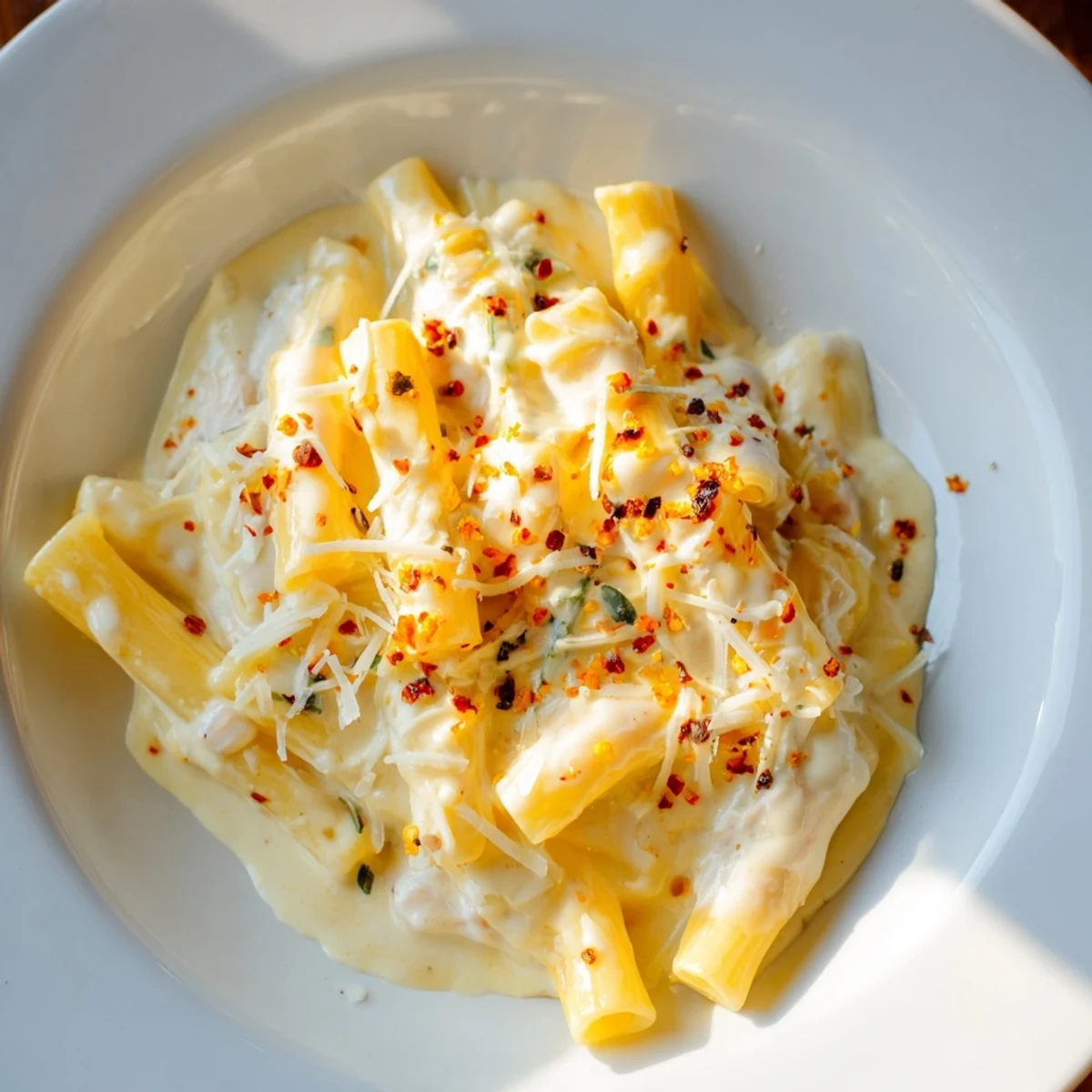
Save This smooth and creamy cheese blend combines sharp cheddar, mozzarella, and Parmesan melted into a velvety sauce. Made by whisking butter and flour into a roux, then slowly adding milk, it thickens gently on the stove. Seasoned with salt, pepper, mustard, and optional spices, it’s ready in minutes and serves well over pasta, vegetables, or nachos.
Adjust cheese varieties or add cayenne for extra spice. Ideal for quick, flavorful meal enhancers that deliver comfort and depth without hassle.
I was standing in front of the stove one rainy Tuesday, staring at a pot of plain pasta, when I realized I had no jarred sauce left. What I did have was a block of cheddar, some butter, and a hunch. Ten minutes later, I was scraping the saucepan clean with a piece of bread, wondering why I'd ever bought sauce in the first place.
The first time I made this for my niece, she refused to believe it wasn't from a fancy restaurant. She watched me pull three kinds of cheese from the fridge and declared I was some kind of wizard. Now every time she visits, she asks for the magic sauce, and I pretend it's a secret family recipe even though it's just butter, flour, and confidence.
Ingredients
- Whole milk: The richness here makes all the difference, skim milk will leave you with a thin, sad sauce that clings to nothing.
- Unsalted butter: This is your flavor foundation, and using unsalted lets you control the salt level without accidentally over-seasoning.
- Sharp cheddar cheese: The backbone of the sauce, it brings tang and depth, so don't swap it for mild unless you want something forgettable.
- Mozzarella cheese: It adds stretch and creaminess without competing with the cheddar's sharpness.
- Parmesan cheese: A little goes a long way here, lending a nutty, salty finish that ties everything together.
- All-purpose flour: This thickens the sauce into something luscious, but whisk it well or you'll end up with lumps you'll be fishing out later.
- Salt, black pepper, and ground mustard: These wake up the cheese and keep the sauce from tasting flat, the mustard especially adds a quiet warmth you can't quite name.
- Cayenne pepper and Dijon mustard: Optional, but they turn a good sauce into one people remember, just a pinch of heat or tang changes everything.
Instructions
- Melt the butter:
- Set your saucepan over medium heat and let the butter melt slowly, swirling it around until it coats the bottom. You'll know it's ready when it starts to smell faintly nutty and stops foaming.
- Make the roux:
- Sprinkle in the flour and whisk like you mean it, keeping the mixture moving for a full minute or two. It should turn into a smooth, golden paste that smells toasty but never brown.
- Add the milk:
- Pour it in slowly, whisking the whole time so the roux doesn't seize up into clumps. Keep whisking until the sauce thickens enough to coat the back of a spoon, about three or four minutes.
- Melt in the cheese:
- Turn the heat down low and add the cheddar, mozzarella, and Parmesan one handful at a time, stirring until each addition disappears into the sauce. Patience here keeps it silky instead of grainy.
- Season and finish:
- Stir in the salt, pepper, mustard, and any optional heat or tang you're craving. Taste it, adjust it, then pull it off the heat while it's still glossy and smooth.
 Save
Save One evening I poured this over roasted broccoli for a friend who claimed she hated vegetables. She ate the entire bowl, scraping up every cheesy bit with her fork, then looked up and said maybe she just hated boring vegetables. I've been using cheese sauce as my vegetable conversion tool ever since.
How to Store and Reheat
Leftover sauce keeps in the fridge for up to four days in an airtight container, though it will thicken as it cools. When you reheat it, do it gently over low heat with a splash of milk, whisking until it comes back to life. I've tried microwaving it, and it works in a pinch, but stovetop reheating keeps the texture right.
Swaps and Variations
I've made this with Gruyere when I wanted something fancy, Monterey Jack when I wanted it mild, and even pepper jack when I wanted it spicy without adding cayenne. You can also stir in cooked bacon, caramelized onions, or roasted garlic if you're feeling ambitious. The base is forgiving, so follow your cravings.
What to Serve It With
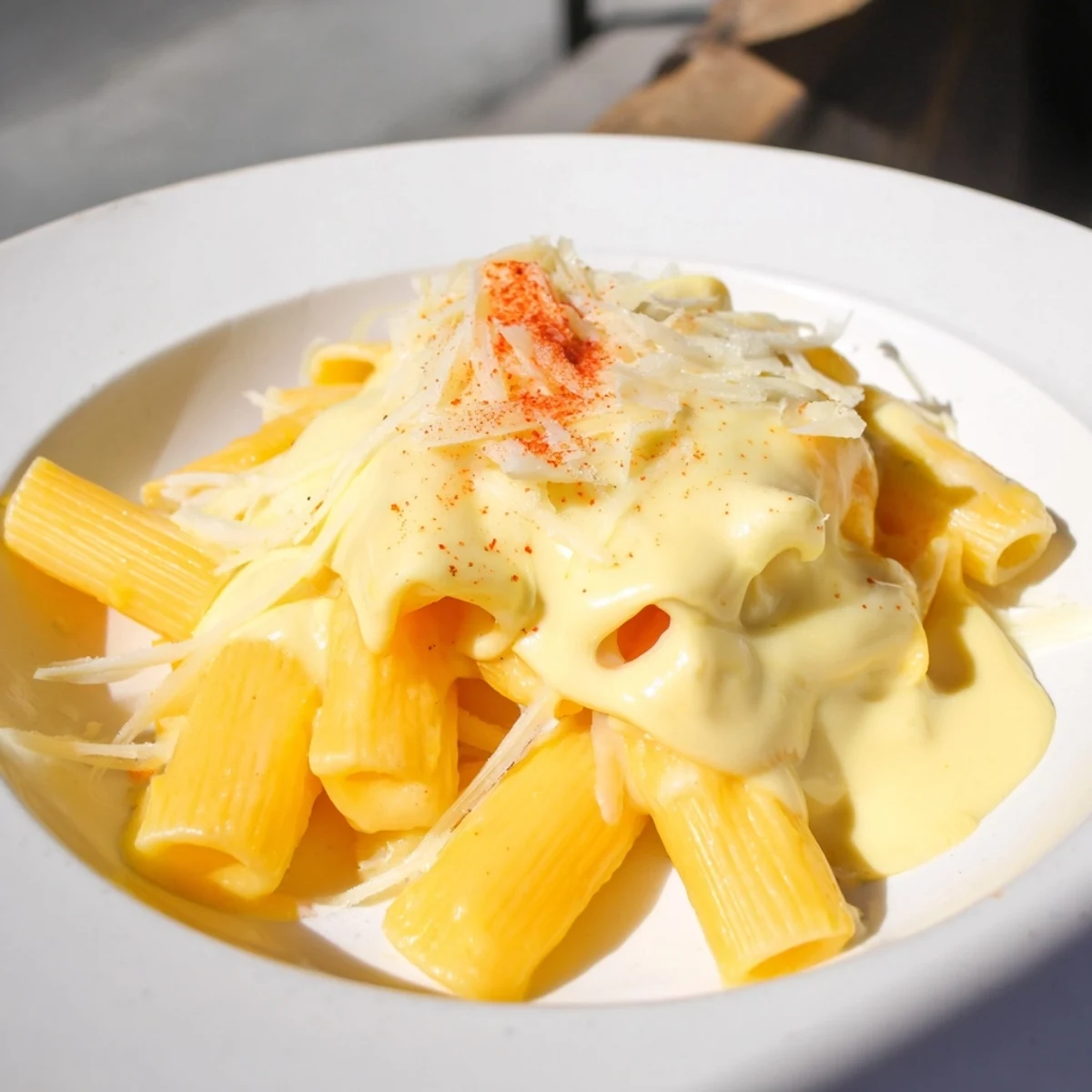
This sauce belongs on everything. I've used it over pasta, poured it onto nachos, drizzled it on baked potatoes, and dunked soft pretzels into it. It's also excellent over steamed cauliflower, tossed with macaroni for the world's easiest mac and cheese, or spooned over scrambled eggs when you want breakfast to feel indulgent.
- Toss it with elbow macaroni and bake it with breadcrumbs for classic comfort.
- Pour it over roasted vegetables like broccoli, Brussels sprouts, or carrots.
- Use it as a dip for tortilla chips, soft pretzels, or even chicken tenders.
 Save
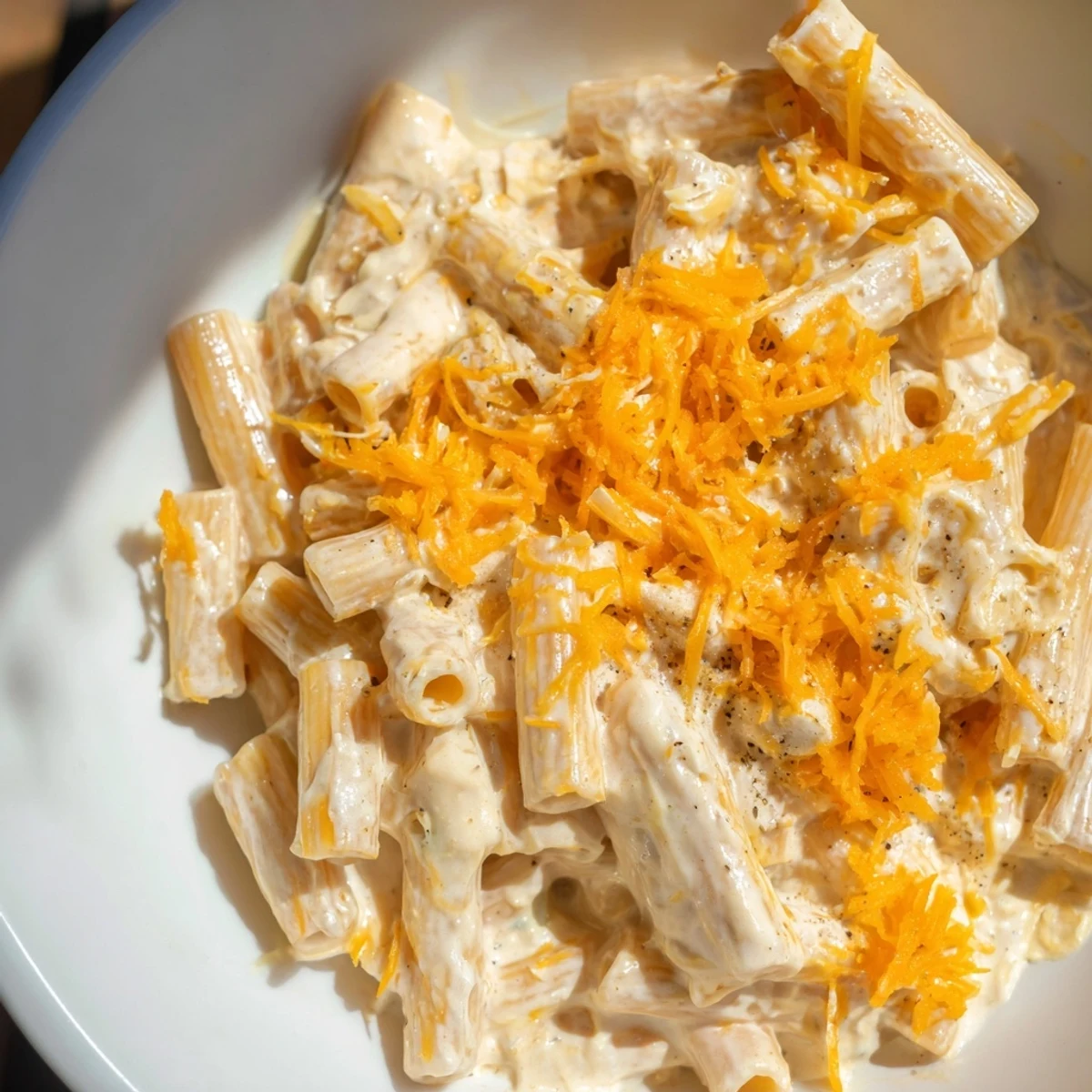
Save Once you've made this a few times, you'll stop measuring and just feel your way through it. That's when it stops being a recipe and starts being your recipe.
Recipe FAQs
- → How do I prevent lumps in the cheese sauce?
-
Whisk the flour and butter roux thoroughly before adding milk slowly while continuously whisking to ensure a smooth texture.
- → Can I substitute the cheeses used?
-
Yes, options like Gruyère, Gouda, or Monterey Jack offer flavor variations and melt well into the sauce.
- → How can I adjust the sauce thickness?
-
If too thick, whisk in a splash of milk gradually until the desired consistency is reached.
- → What are good dishes to pair this sauce with?
-
It's excellent poured over pasta, steamed vegetables, nachos, or used as a creamy dip for snacks.
- → Can I make the sauce spicier?
-
Add cayenne pepper or a dash of hot sauce to increase the heat to your liking.