
 Save
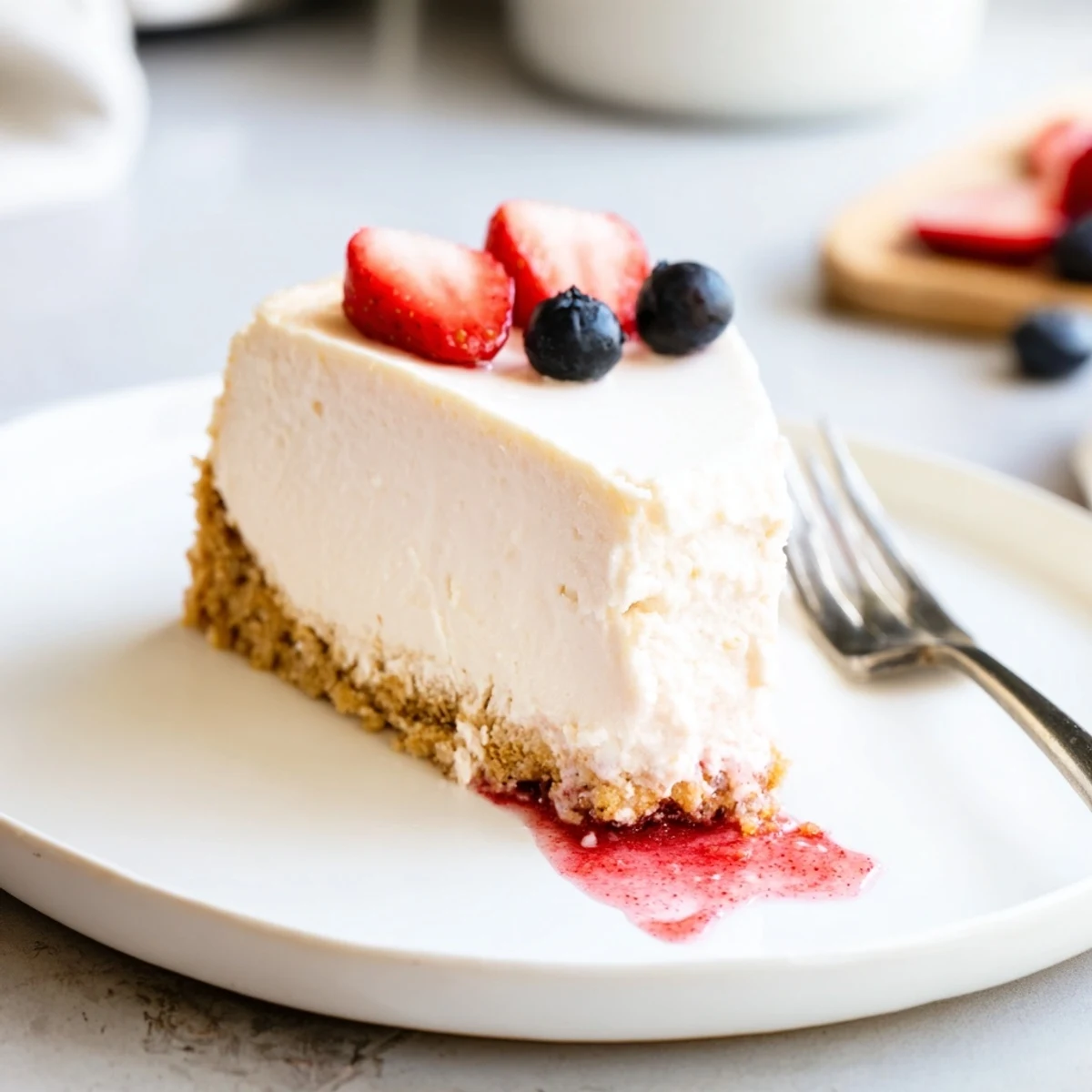
Save This classic American baked cheesecake features a buttery graham cracker crust pressed into a springform pan, topped with a silky smooth cream cheese filling made with sour cream, vanilla, and a hint of lemon zest.
After baking low and slow at 160°C, the cheesecake cools gently in the oven before chilling overnight for the perfect set. The result is a rich, creamy dessert that serves 12 and pairs beautifully with fresh berries or fruit compote.
My kitchen smelled like a bakery had collided with a lemon grove, and honestly, I was not mad about it. That first crack of the oven door released a wave of sweet, tangy steam that made the dog perk up from three rooms away. Cheesecake had always intimidated me, something about the water bath myths and cracking horror stories kept me distant, until a rainy Tuesday gave me nothing better to do.
I brought one to a potluck once and watched three people silently fight over the last slice, utensils hovering like dueling swords. My friend Elena texted me at midnight asking if I was awake because she needed the recipe immediately. That is the power of a good cheesecake, it makes people lose their manners in the best way.
Ingredients
- Crust: Two hundred grams of graham crackers or digestive biscuits, crushed to sandy crumbs. This is your foundation, so do not skimp on the crushing. Every chunky bit is a textural betrayal.
- Unsalted butter: One hundred grams, melted. The butter binds everything and gives that golden toast flavor, so use good quality if you can.
- Sugar for the crust: Two tablespoons, just enough to round out the biscuit flavor without making it sweet.
- Cream cheese: Nine hundred grams, and it must be fully softened or you will chase lumps all day. Leave it out for at least two hours, no shortcuts.
- Granulated sugar: Two hundred grams to sweeten the filling without overwhelming the tang.
- Eggs: Four large ones, added one at a time so the batter stays silky and never scrambles.
- Sour cream: Two hundred milliliters for moisture and that signature subtle tang. Full fat is nonnegotiable here.
- All purpose flour: Forty grams, a tiny amount that stabilizes the filling and helps prevent cracks.
- Vanilla extract: Two teaspoons for warmth and depth throughout the filling.
- Lemon zest: From one lemon, optional but it brightens everything like sunlight through a window.
- Sour cream for topping: Two hundred and fifty grams mixed with two tablespoons powdered sugar and one teaspoon vanilla, spread over the cooled cake for a clean, elegant finish.
Instructions
- Prep the oven and pan:
- Heat your oven to one hundred sixty degrees Celsius, or three hundred twenty five Fahrenheit. Line a twenty three centimeter springform pan with parchment, pressing it flat so your crust bakes evenly.
- Build the crust:
- Toss the crushed biscuits with sugar and melted butter until the mixture feels like wet sand that holds together when you squeeze it. Press it firmly into the bottom of the pan, really lean into it, then bake for ten minutes until it smells like toast and let it cool slightly.
- Make the filling:
- Beat the softened cream cheese and sugar together until completely smooth, scraping the bowl often because lumps hide in corners. Add eggs one at a time, mixing after each, then gently fold in the sour cream, flour, vanilla, and lemon zest until just combined.
- Pour and tap:
- Pour the filling over your cooled crust and use a spatula to smooth the top. Lift the pan an inch off the counter and drop it lightly a few times to coax trapped air bubbles to the surface.
- Bake low and slow:
- Slide it into the oven for fifty to sixty minutes, until the edges look set but the center still has a gentle wobble when you nudge the pan. That jiggle is your insurance for a creamy texture later.
- Cool inside the oven:
- Turn the oven off, crack the door open a few inches, and walk away for one hour. This gradual cooling is the real secret to preventing cracks, so resist the urge to peek.
- Add the topping:
- If using the sour cream topping, stir together sour cream, powdered sugar, and vanilla until smooth, then spread it gently over the cooled cheesecake in an even layer.
- Chill thoroughly:
- Refrigerate for at least six hours, though overnight is when the magic truly happens and the texture transforms into something ethereal.
- Unmold and serve:
- Run a thin knife around the edge of the pan to release any stuck spots before unlatching the springform. Slice with a clean, hot knife for bakery neat edges.
 Save
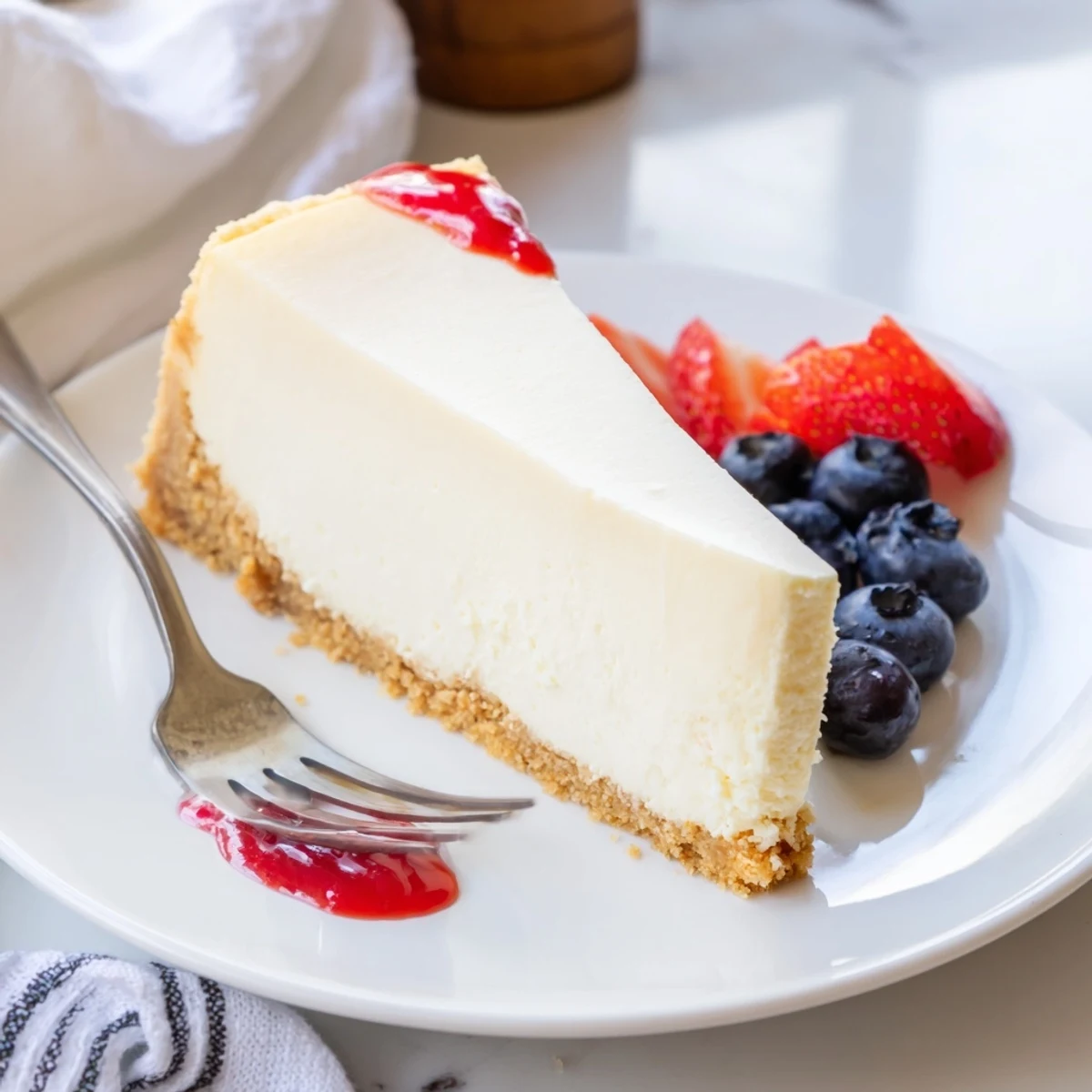
Save The moment I unmold a cheesecake and it releases cleanly from the pan, I feel like I have accomplished something that matters more than it should. It is a small, edible triumph that makes the eight hour wait feel completely justified.
Toppings Worth Trying
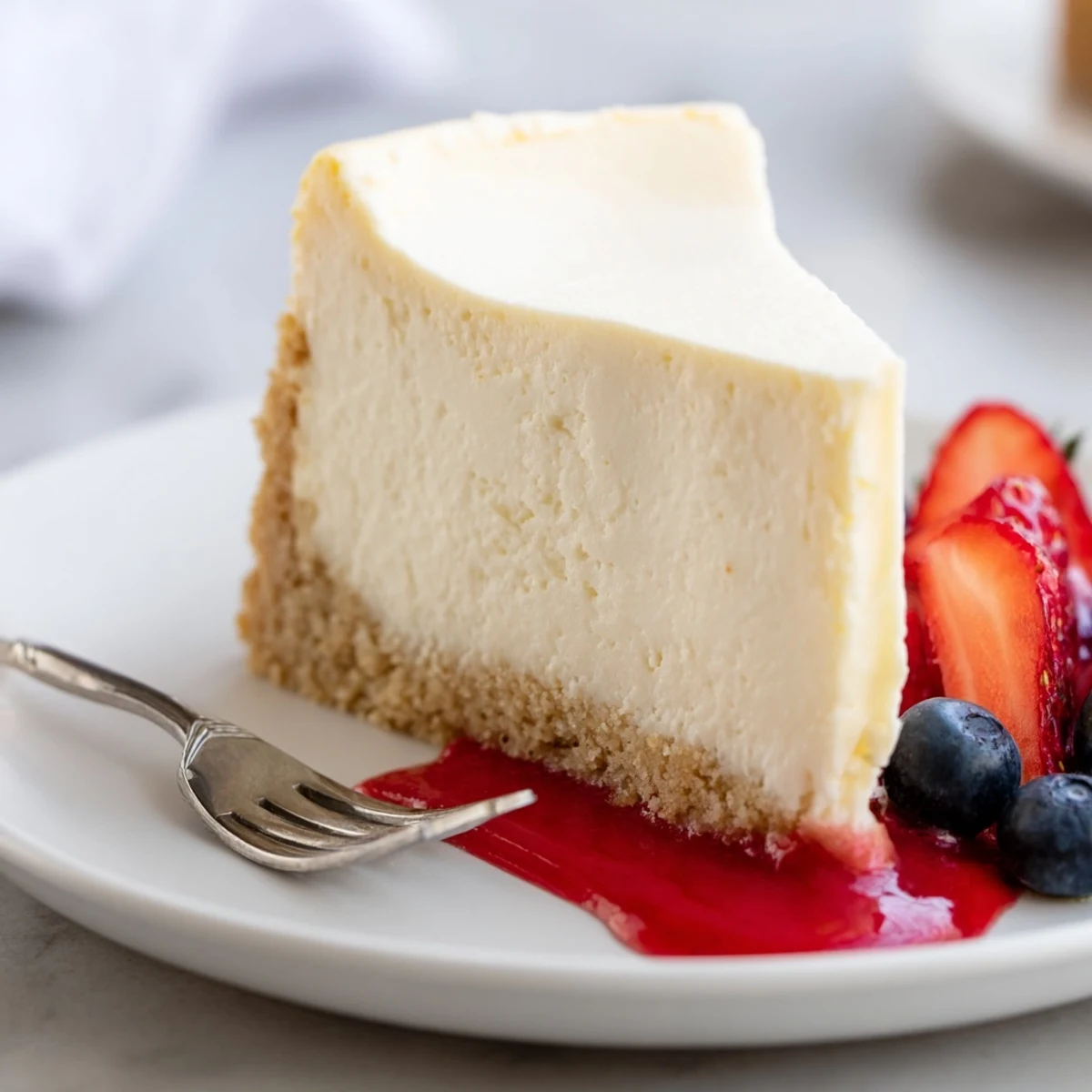
A plain cheesecake is a blank canvas begging for personality. A quick blueberry compote simmered with a splash of lemon juice and a spoon of sugar can elevate a Tuesday night dessert into something dinner party worthy.
Making It Gluten Free
Swap the graham crackers for your favorite gluten free cookies and confirm your flour is certified gluten free. The rest of the recipe naturally avoids gluten, so this small change opens it up to everyone at the table without sacrificing any richness.
Pairings and Serving Thoughts
A glass of Moscato alongside a slice of cheesecake on a warm evening is one of life simplest, most honest pleasures. Fresh berries scattered on top add color and a bright acidity that cuts through the richness beautifully.
- Use a hot, clean knife for each slice and wipe between cuts for perfect presentation.
- Let slices sit at room temperature for ten minutes before serving so the flavors open up.
- Leftovers keep beautifully for up to five days, tightly wrapped in the fridge.
 Save
Save Every cheesecake teaches you something new, and that patience is always rewarded with something extraordinary. Trust the chill, trust the wobble, and enjoy every single bite.
Recipe FAQs
- → Why does my cheesecake crack on top?
-
Cracks usually form from overbaking, sudden temperature changes, or overmixing the batter which incorporates too much air. Baking at a low temperature, cooling gradually in the oven with the door cracked, and mixing filling just until combined helps prevent cracking.
- → Can I make cheesecake without a springform pan?
-
A springform pan is strongly recommended because it allows you to remove the sides cleanly without flipping the cheesecake. If you don't have one, use a deep cake pan lined with parchment paper with overhanging edges to lift it out after chilling.
- → How long should cheesecake chill before serving?
-
Chill the cheesecake for at least 6 hours, but overnight is ideal. This resting time allows the filling to fully set and develop its signature creamy, dense texture. Cutting into it too early will result in a soft, messy slice.
- → Can I freeze baked cheesecake?
-
Yes, baked cheesecake freezes exceptionally well. Wrap individual slices or the whole cheesecake tightly in plastic wrap, then aluminum foil. Freeze for up to 2 months. Thaw overnight in the refrigerator before serving.
- → Should cream cheese be at room temperature before mixing?
-
Absolutely. Room temperature cream cheese blends smoothly without lumps. Cold cream cheese will leave chunks in your batter no matter how long you mix. Take it out of the fridge about 2 hours before you plan to start.
- → What toppings go well with cheesecake?
-
Fresh berries, strawberry or cherry compote, chocolate ganache, caramel sauce, and lemon curd are all excellent choices. The optional sour cream topping in this version adds a pleasant tangy contrast to the rich filling.