
 Save
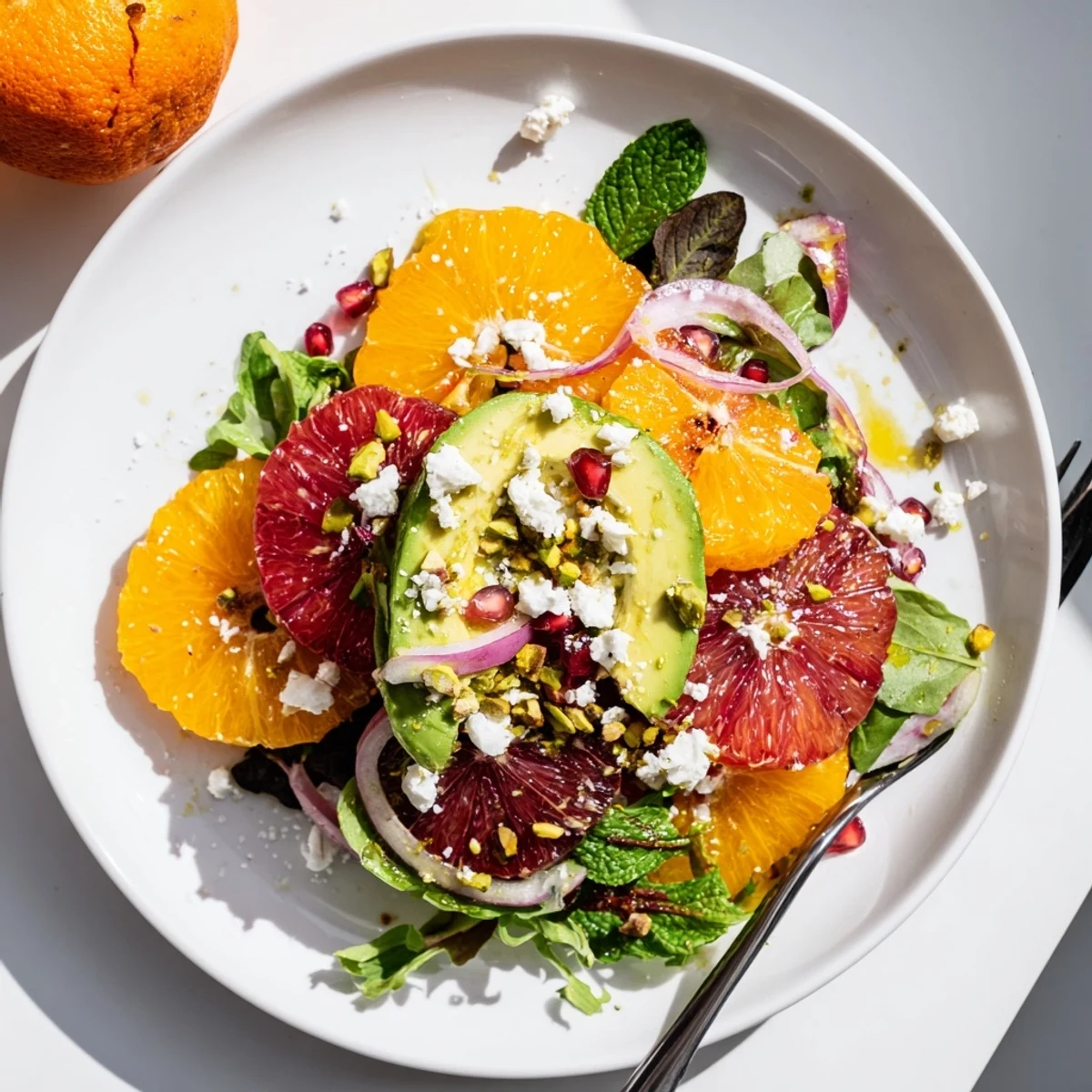
Save This refreshing Mediterranean citrus salad brings together the season's brightest flavors on a single platter. Juicy orange and grapefruit segments are layered over peppery mixed greens with silky avocado slices, ruby-red pomegranate seeds, and crumbled feta cheese.
A simple honey-lemon vinaigrette ties everything together, balancing sweet, tangy, and savory notes in every bite. Ready in just 20 minutes with no cooking required, it's an ideal starter or light meal that's both vegetarian and gluten-free.
The kitchen window was fogged up on a January afternoon when I first threw together a citrus salad out of sheer desperation for something bright. Grey skies outside, but inside I had a bowl of oranges and grapefruits demanding attention. That random lunch turned into the most photographed dish at a friends potluck three days later. Nobody believed it took twenty minutes and zero cooking.
My neighbor Elena stood in my doorway holding a bag of blood oranges from her tree and refused to leave until I showed her what to do with them. We ended up eating the entire platter standing at the counter, barely speaking between bites, juice running down our wrists.
Ingredients
- Citrus fruits (2 large oranges, 2 large grapefruits, 1 blood orange if available): The soul of this dish, so pick fruits that feel heavy for their size since that signals juiciness and sweetness.
- 1 ripe avocado: Creaminess balances every sharp and tangy note, but it must be perfectly ripe, not mushy.
- 1 small red onion: Thinly sliced, it provides a necessary bite that keeps the salad from being too sweet.
- Half a cup pomegranate seeds: These little jewels burst in your mouth and add a tart crunch that nothing else can replicate.
- Half a cup feta cheese, crumbled: Salty and crumbly, it anchors the salad and makes it feel like a real meal.
- 4 cups mixed greens: Arugula is my favorite because its peppery bite plays beautifully with sweet citrus.
- Dressing (olive oil, lemon juice, honey, Dijon mustard, salt, pepper): A simple vinaigrette that ties everything together without stealing the spotlight.
- Garnish (fresh mint, toasted pistachios or walnuts): Optional but highly recommended for texture and a finishing touch of freshness.
Instructions
- Prep the citrus:
- Slice off the tops and bottoms of each fruit, then cut away the white pith following the curve of the fruit. Cut into rounds or segments, letting any excess juice pool on your cutting board for the dressing.
- Slice the avocado:
- Halve it, remove the pit, and cut thin slices right in the shell before gently scooping them out with a spoon so they hold their shape.
- Cut the onion:
- Slice the red onion as thinly as you possibly can, almost translucent, so it seasons the salad without overpowering each bite.
- Whisk the dressing:
- In a small bowl, combine the olive oil, lemon juice, honey or maple syrup, Dijon mustard, salt, and pepper until the mixture looks creamy and emulsified.
- Build the platter:
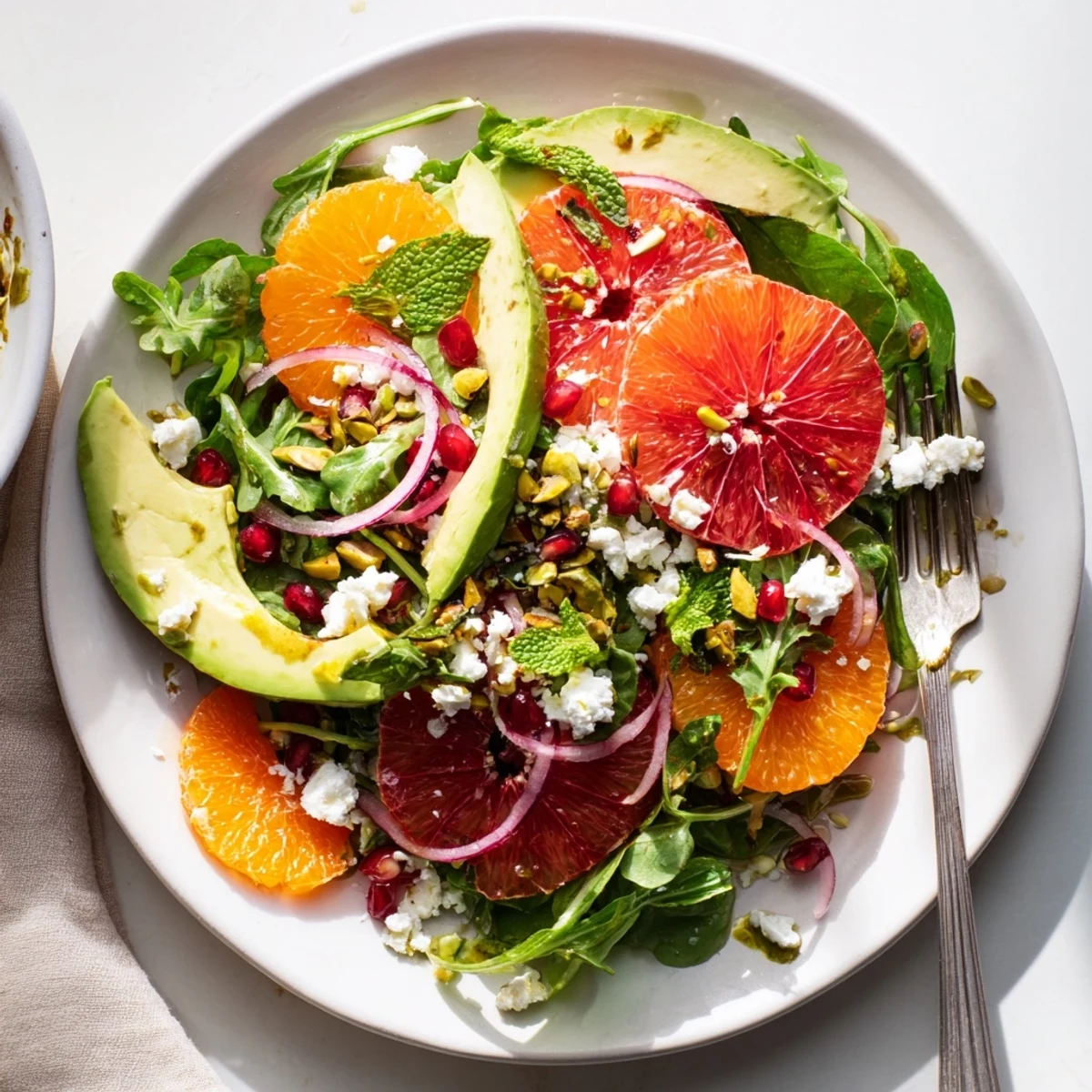
- Spread the greens on a large serving platter, then arrange citrus segments, avocado slices, and red onion in a loose, artful layer that looks abundant rather than fussy.
- Add the jewels and cheese:
- Scatter pomegranate seeds and crumbled feta across the top, letting some fall into the greens and some rest on the citrus for visual drama.
- Dress and garnish:
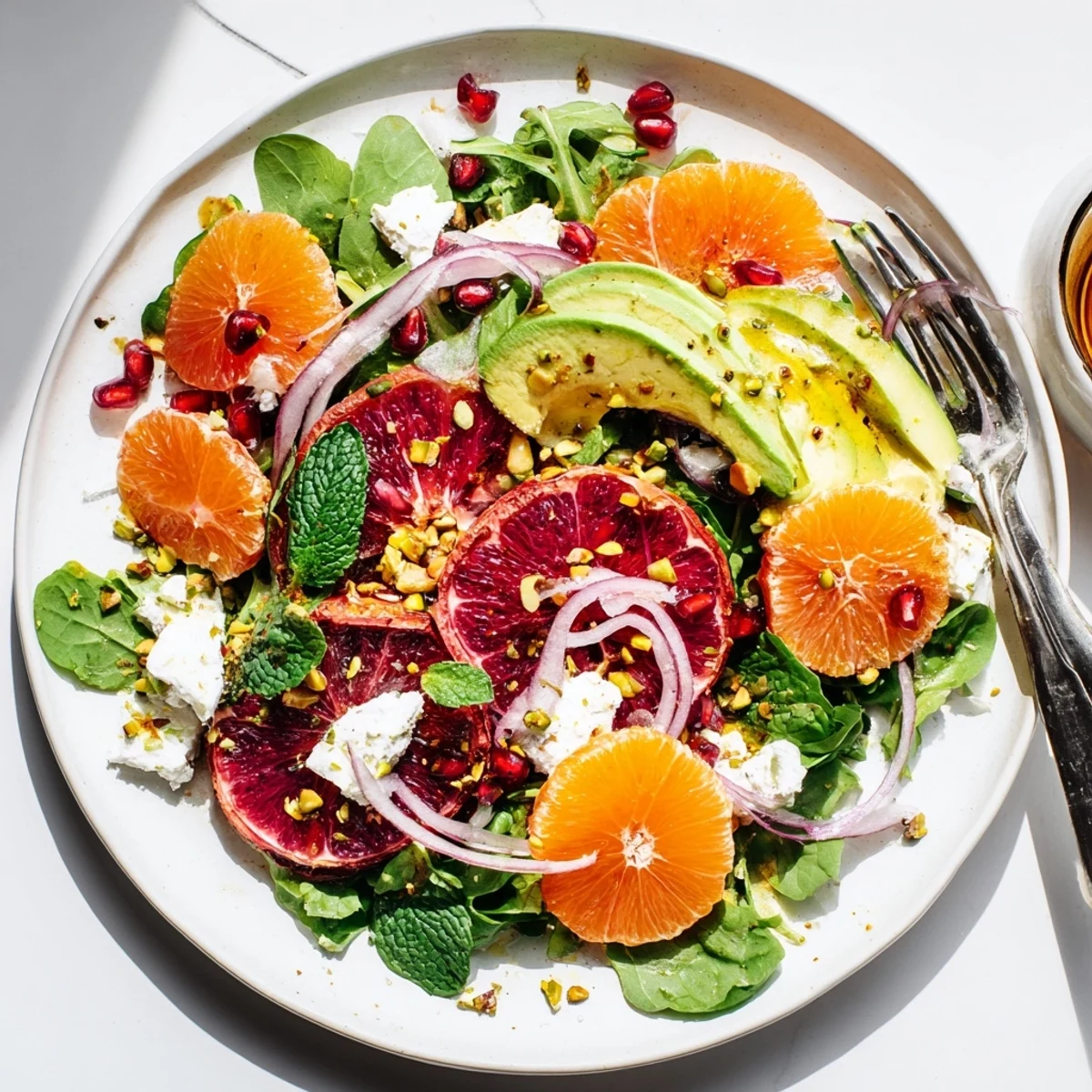
- Drizzle the dressing evenly over everything, then add torn mint leaves and toasted nuts if using. Serve immediately before the avocado begins to brown.
 Save
Save I brought this to a rooftop gathering last spring and watched three people who claimed they hated salad go back for seconds. That is the quiet power of a dish that lets each ingredient shine without manipulation.
Making It Your Own
Once you have the basic structure down, this salad forgives almost any substitution. Roasted beets work in place of grapefruit, toasted pecans stand in beautifully for pistachios, and a creamy tahini dressing can replace the vinaigrette if you want something richer.
Serving It Right
A flat platter serves you better than a deep bowl here because it lets the colors spread out and prevents the heavy ingredients from crushing the greens underneath. Think of it as painting rather than packing.
Storing Leftovers
Leftovers will not look as stunning the next day but they still taste wonderful, especially if you stored the dressing separately and only combined what you needed. The avocado will brown slightly and the citrus will soften, but spooned over toast with an extra squeeze of lemon it becomes a phenomenal next day lunch.
 Save
Save Keep this recipe in your back pocket for those days when cooking feels like too much but eating beautifully still matters. A sharp knife and twenty quiet minutes are all you need.
Recipe FAQs
- → Can I prepare the citrus segments ahead of time?
-
Yes, you can peel and segment the citrus fruits up to 24 hours in advance. Store them in an airtight container in the refrigerator to keep them fresh and juicy.
- → What's the best way to remove pomegranate seeds?
-
Cut the pomegranate in half and gently tap the outside with a wooden spoon over a bowl. The seeds will fall out easily. Alternatively, separate them by hand under water to prevent staining.
- → How do I keep the avocado from browning?
-
Slice the avocado just before serving and toss it lightly with a squeeze of lemon juice. The citric acid helps slow down oxidation and keeps the slices looking fresh.
- → What can I substitute for feta cheese?
-
Goat cheese makes a great alternative with a similar tangy profile. For a dairy-free option, try a plant-based feta or simply omit the cheese and add a sprinkle of nutritional yeast.
- → Which citrus fruits work best in this salad?
-
Naval oranges and ruby red grapefruits are classic choices, but you can also use blood oranges, tangerines, or pomelo for different flavor and color variations.
- → Can I add protein to make it a full meal?
-
Absolutely. Grilled chicken, seared shrimp, or chickpeas all pair wonderfully with these flavors and turn the salad into a satisfying main course.