
 Save
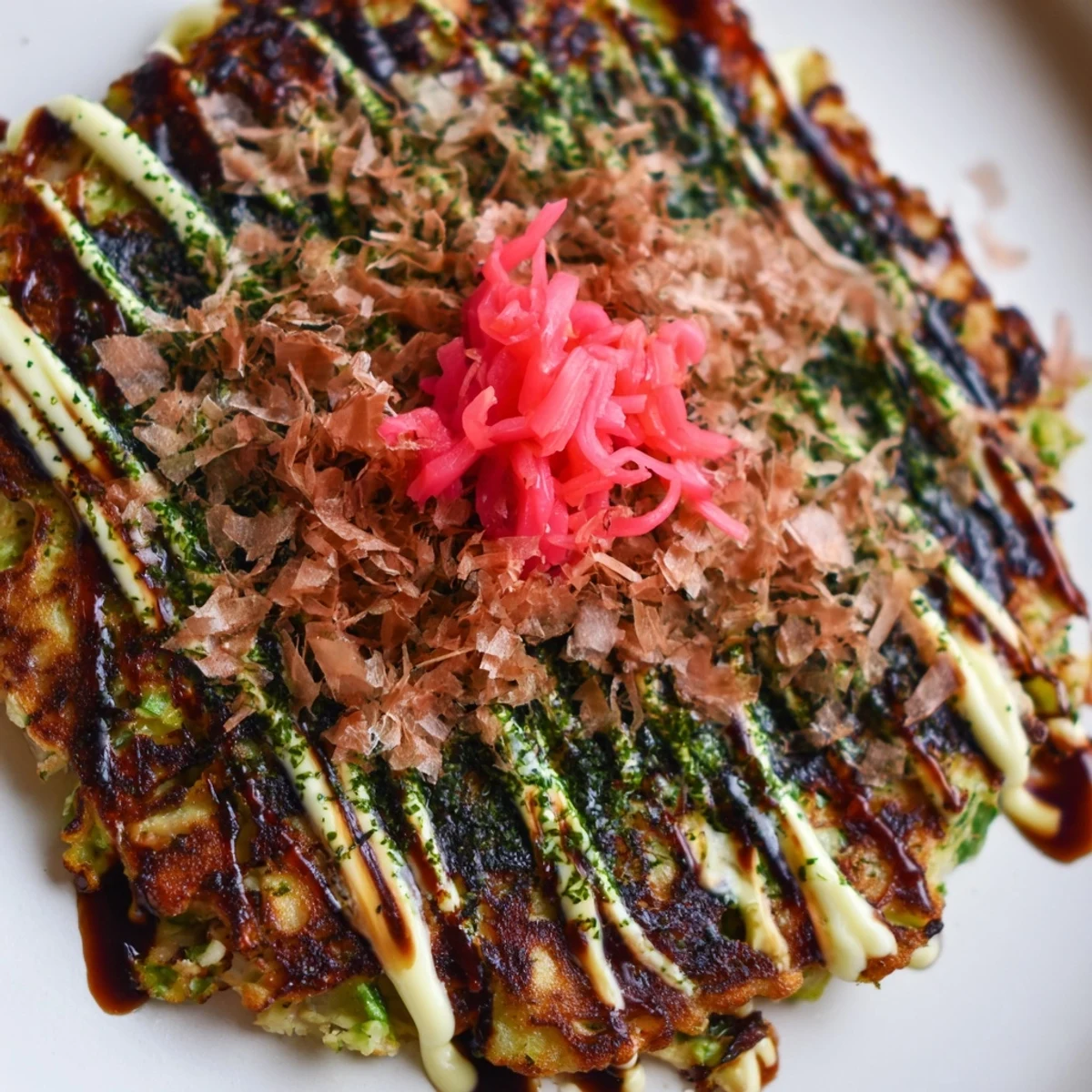
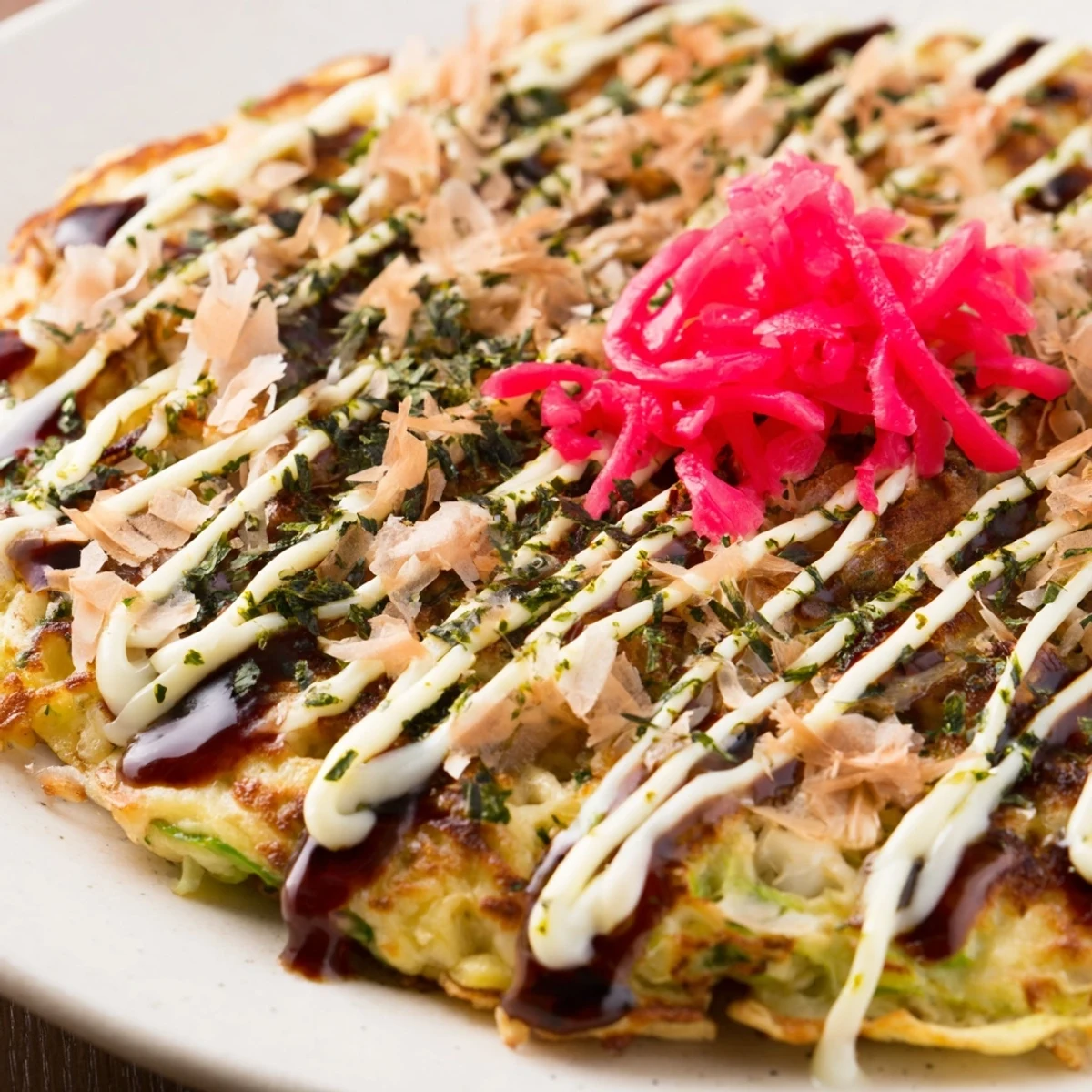
Save Chicken okonomiyaki brings the flavors of Osaka to your kitchen. This beloved Japanese street food features a fluffy batter loaded with finely shredded cabbage and tender marinated chicken pieces. The dish gets its signature taste from a combination of savory and tangy toppings—rich okonomiyaki sauce, creamy Japanese mayonnaise, and dancing bonito flakes that curl from the residual heat.
Perfect for weeknight dinners, okonomiyaki comes together in just 40 minutes and serves four people. The batter, enriched with mayonnaise and dashi stock, creates an exceptionally light and fluffy texture. While traditional preparation calls for pork, this version uses chicken marinated in soy sauce, sake, and ginger for extra depth of flavor.
Customize your toppings with aonori seaweed flakes, pickled ginger, or even a drizzle of homemade sauce made from Worcestershire, ketchup, and soy sauce. Serve hot alongside a cold Japanese beer or green tea for the complete experience.
The first time I watched okonomiyaki being made at a tiny Osaka street stall, I was mesmerized by how casually the chef flipped these massive cabbage-stuffed pancakes while chatting with customers. She made it look effortless, like she was making breakfast for family rather than serving strangers. That memory stuck with me, and now this chicken version has become my go-to when I want something comforting but not heavy. The way the batter barely holds together mountains of shredded vegetables feels like magic every single time.
Last winter my roommate walked in while I was marinating the chicken and immediately asked what smelled so incredible. The ginger and soy sauce combination fills the whole kitchen with this warm savory aroma that makes everyone hungry. We ended up standing around the stove eating them straight from the pan because nobody could wait for proper plates.
Ingredients
- Chicken: Thigh meat stays juicier than breast, but cut it into small even pieces so they cook through without burning
- Soy sauce and sake: This simple marinade transforms plain chicken into something that tastes like it has been simmering for hours
- Grated ginger: Fresh ginger has a brightness that powder cannot match, and grating it releases all those aromatic oils
- All-purpose flour: The structure here is minimal but crucial, and do not be tempted to use bread flour which makes them tough
- Baking powder: This tiny amount gives just enough lift without making the pancake too cakey or bread-like
- Eggs: Room temperature eggs incorporate better into the batter for a more uniform texture
- Dashi stock: Homemade dashi adds incredible depth, but water works in a pinch if that is what you have
- Mayonnaise in the batter: This might seem strange but it adds richness and helps create that golden crispy exterior
- Green cabbage: The backbone of the whole dish, and shredding it finely helps it cook down and meld with the batter
- Spring onions: They add mild onion flavor and pretty green flecks throughout the pancake
- Grated carrot: Mostly here for color and sweetness, plus it adds another layer of vegetable texture
- Okonomiyaki sauce: Store-bought is perfectly fine, but the homemade version is surprisingly simple and tastes fresher
- Japanese mayonnaise: The rich creamy tang balances the savory pancake beautifully
- Bonito flakes: Watching them dance from the heat is half the fun, and they add that essential smoky umami punch
Instructions
- Marinate the chicken:
- Toss the chicken pieces with soy sauce, sake if using, and grated ginger. Let it sit while you prep everything else. The flavors penetrate quickly, so ten minutes is plenty.
- Make the dry mix:
- Whisk together the flour, baking powder, and salt in a large bowl. Breaking up any baking powder clumps now prevents little bitter spots later.
- Combine the wet ingredients:
- Beat the eggs thoroughly, then whisk in the dashi and mayonnaise until completely smooth. This helps prevent overworking the flour when you combine them.
- Mix the batter:
- Pour the wet mixture into the dry ingredients and stir just until combined. Some lumps are totally fine. Overmixing develops gluten and makes the pancakes tough instead of tender.
- Add the vegetables:
- Fold in the cabbage, spring onions, and grated carrot until everything is evenly coated. The batter should look chunky and barely hold together, which is exactly right.
- Start the chicken:
- Heat a skillet over medium heat with a splash of oil. Cook the marinated chicken for two to three minutes just until lightly browned. They will finish cooking inside the pancakes.
- Form the pancakes:
- Scoop about one fourth of the batter into the pan and shape it into a rough circle about two centimeters thick. Press some chicken pieces into the top so they get embedded in the batter.
- Cook until golden:
- Let it cook for four to five minutes on the first side until deeply golden. Press gently with a spatula occasionally to help it cook evenly and stay compact.
- Flip and finish:
- Carefully flip and cook another four to five minutes until the other side is golden and the pancake feels set when pressed. Repeat with the remaining batter and chicken.
- Add the toppings:
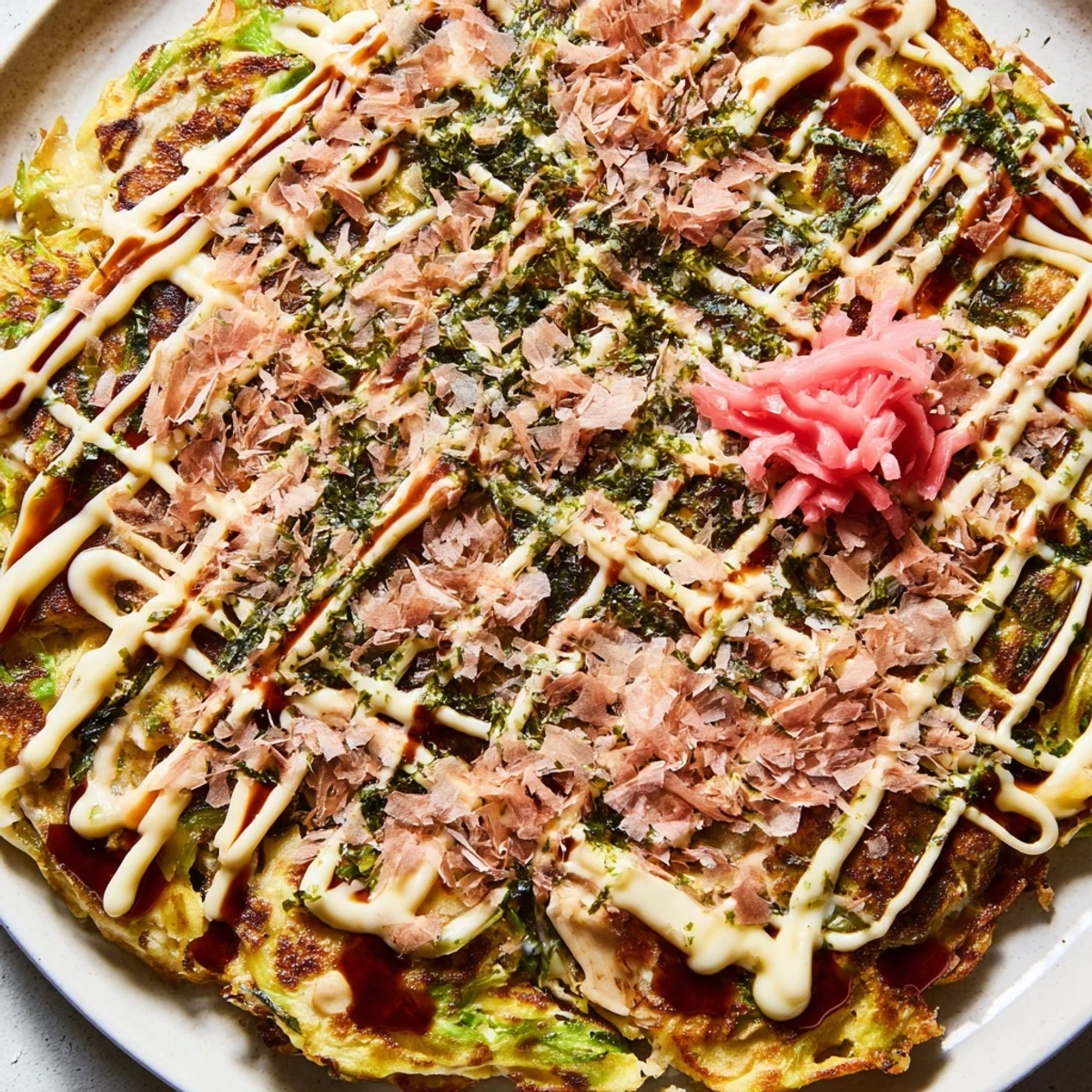
- Transfer to plates and drizzle generously with both sauces. Sprinkle with aonori and bonito flakes while still hot so they dance around from the residual heat.
 Save
Save My friend who swore she hated cabbage tried these and immediately asked for the recipe. Something about the way the cabbage softens and sweetens as it cooks changes it completely. Now she requests them whenever she comes over.
Making It Your Own
Pork belly works beautifully here and adds even more richness, while shrimp makes for a lighter seafood version. I have even made a vegetarian one with extra vegetables and tofu that was surprisingly satisfying.
Sauce Secrets
The homemade sauce comes together in seconds and tastes remarkably close to what you get in restaurants. Just whisk Worcestershire sauce, ketchup, and a touch of soy sauce until smooth.
Timing Tips
You can shred all the vegetables and marinate the chicken hours ahead, then just cook them when you are ready. The batter is best mixed right before cooking though.
- Keep the cooked pancakes warm in a low oven while you finish the batch
- Leftovers reheat surprisingly well in a toaster oven
- The sauce and toppings can be prepped in advance for quicker serving
 Save
Save There is something deeply satisfying about turning a pile of raw cabbage and simple ingredients into something so comforting and complete. Enjoy every bite.
Recipe FAQs
- → What makes okonomiyaki different from regular pancakes?
-
Okonomiyaki is a savory Japanese pancake that's loaded with shredded cabbage and protein rather than being sweet and fluffy like breakfast pancakes. The batter contains baking powder but results in a denser, more substantial texture. The name literally means 'grilled as you like it,' referring to the customizable nature of toppings and fillings.
- → Can I make okonomiyaki ahead of time?
-
While best served fresh and hot, you can prepare the components ahead. Marinate the chicken and shred the cabbage several hours in advance. Store them separately in the refrigerator. The batter should be mixed just before cooking to maintain optimal texture. Leftovers can be refrigerated and reheated in a skillet, though the texture becomes slightly denser.
- → What can I substitute for dashi stock?
-
If dashi stock is unavailable, water works perfectly fine as a substitute. For deeper umami flavor, you can use chicken or vegetable broth instead. Some cooks also add a small amount of fish sauce or mushroom powder to water to mimic dashi's savory profile. The dish remains delicious regardless of which liquid you choose.
- → Is okonomiyaki gluten-free?
-
Traditional okonomiyaki contains wheat flour, making it unsuitable for those avoiding gluten. However, you can easily adapt this dish by using a gluten-free flour blend in place of all-purpose flour. Additionally, substitute regular soy sauce with tamari and ensure your dashi stock and okonomiyaki sauce are certified gluten-free.
- → How do I store and reheat leftovers?
-
Store leftover okonomiyaki in an airtight container in the refrigerator for up to 2 days. To reheat, place in a skillet over medium-low heat and cook until warmed through, about 3-4 minutes per side. Avoid microwaving as it makes the pancake soggy. Add fresh toppings after reheating for the best texture and flavor experience.
- → What other proteins work in okonomiyaki?
-
Okonomiyaki is incredibly versatile. Traditional variations include pork belly (butatama), shrimp, squid, or even mixed seafood. Vegetarians can use tofu or simply load up on more vegetables like corn, bell peppers, or bean sprouts. The key is cutting your protein into small, bite-sized pieces that cook through evenly and distribute throughout the batter.