
 Save
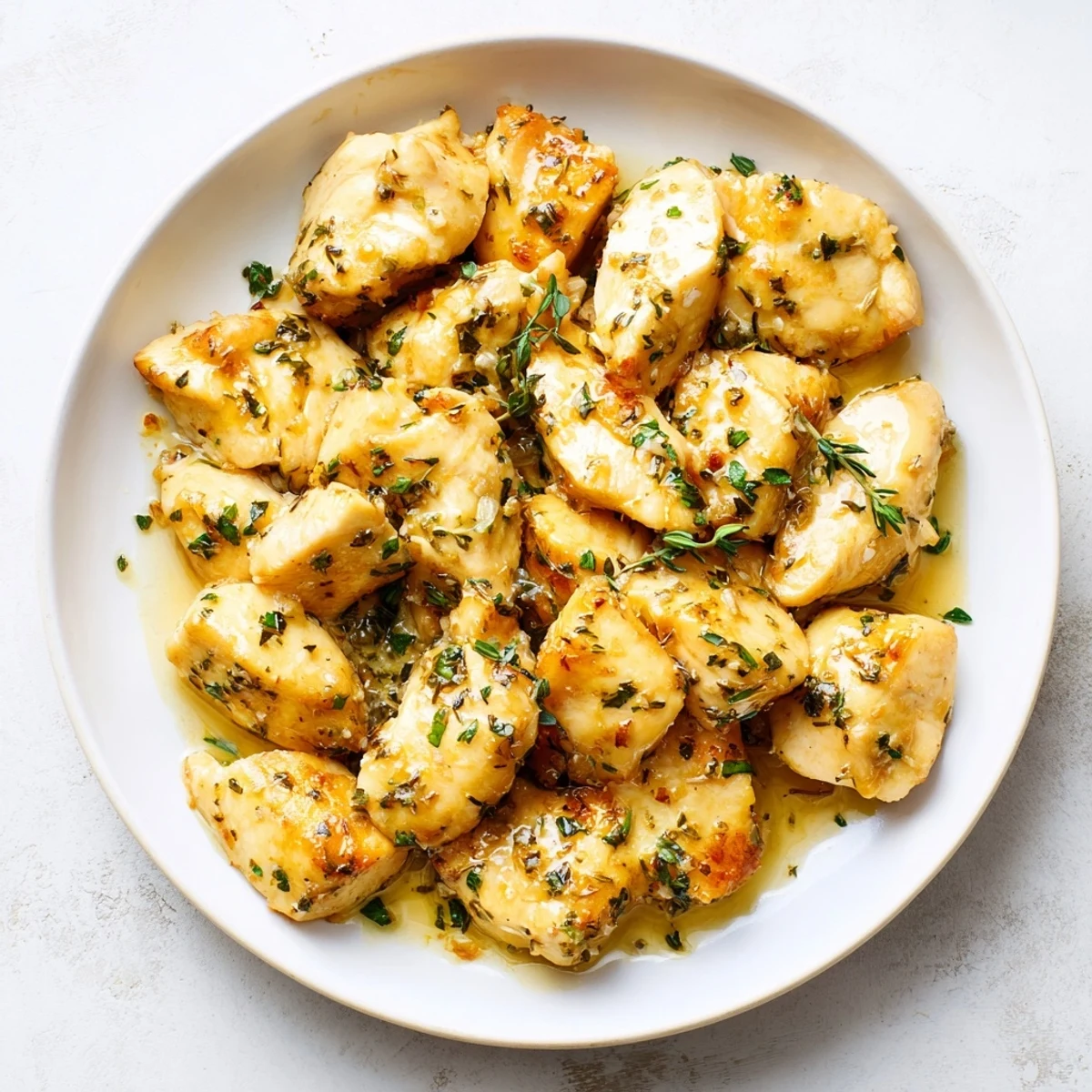
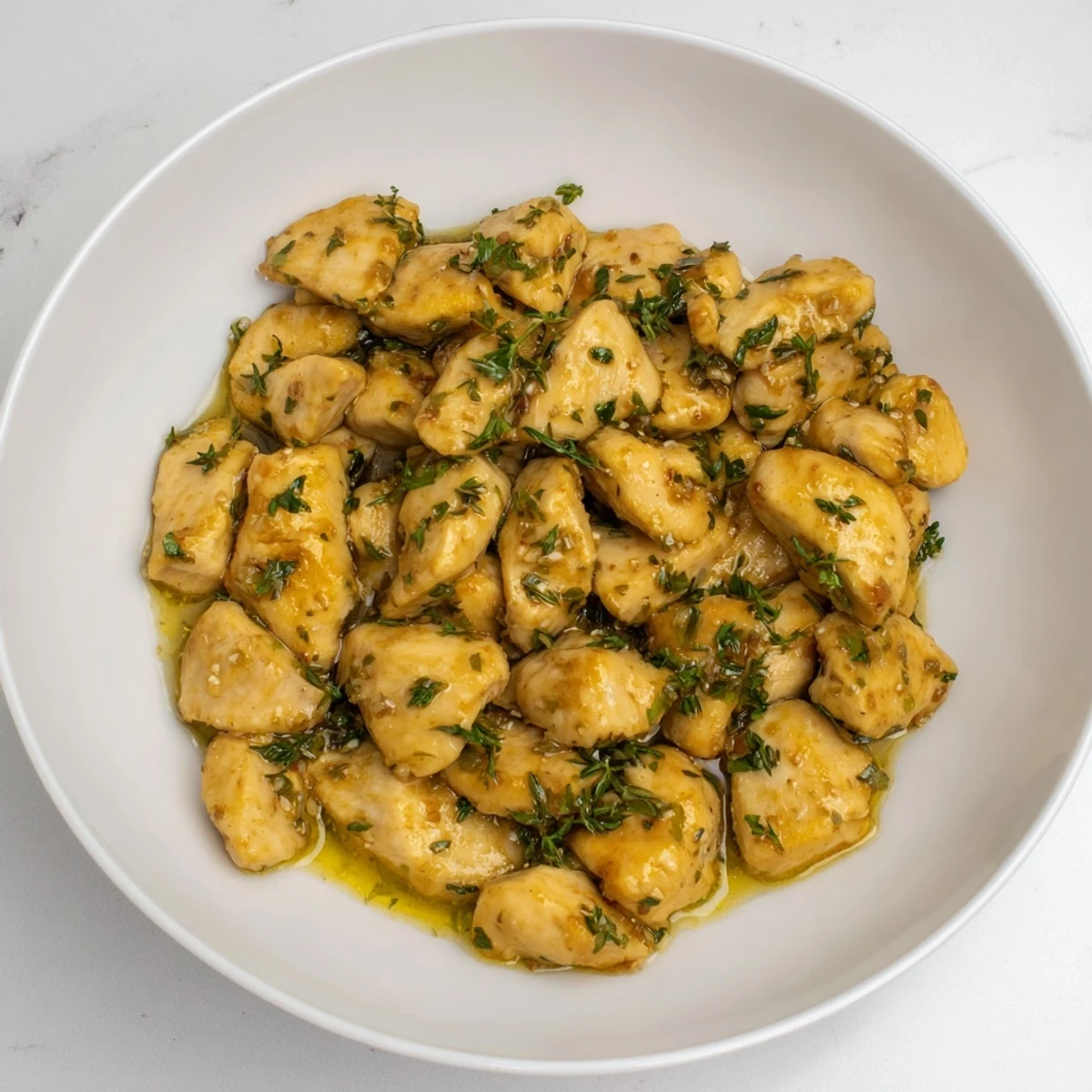
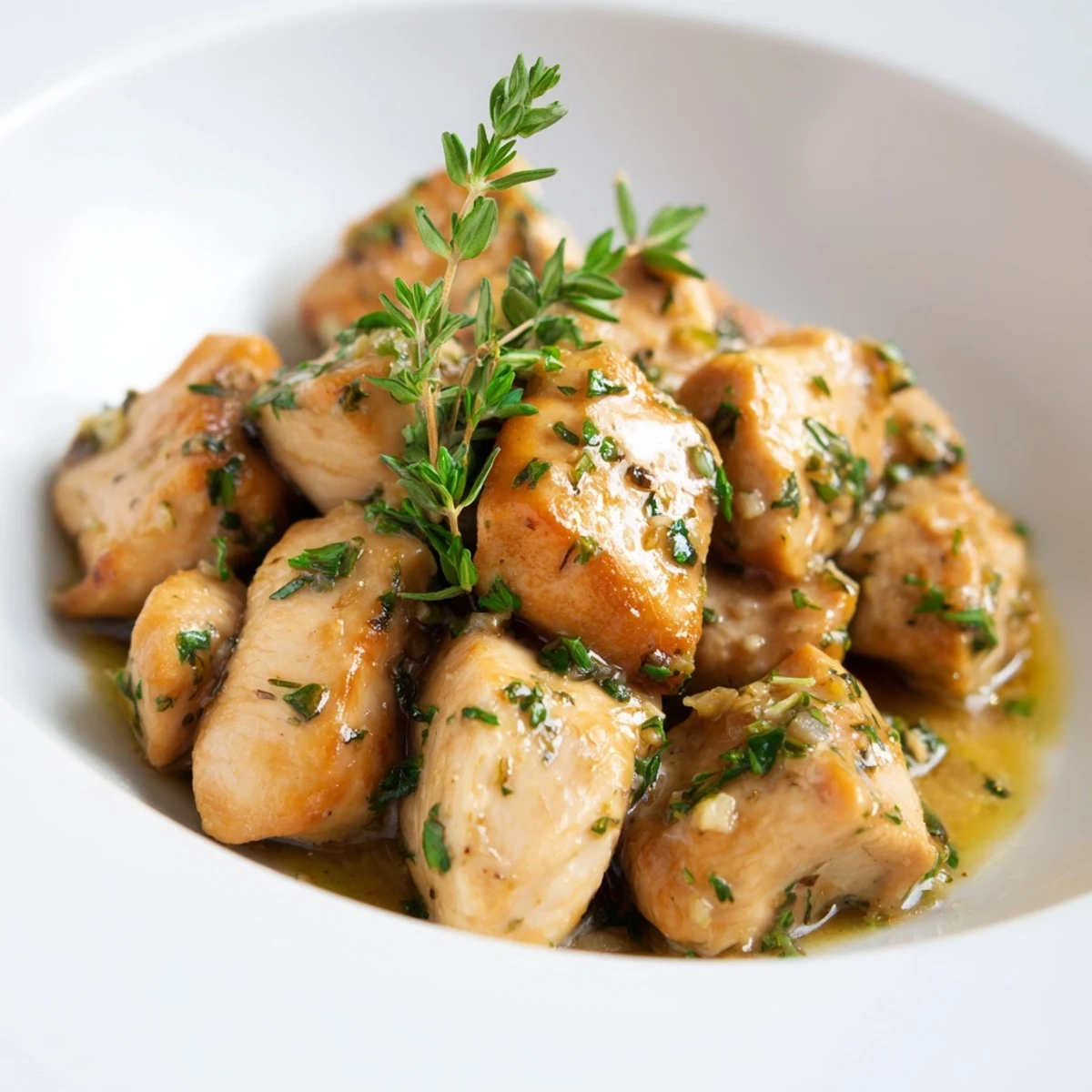
Save This dish features succulent chicken breasts pan-cooked with fragrant garlic, fresh herbs, and a touch of lemon juice to enhance natural flavors. The chicken is seared to a golden brown and finished with a savory sauce made from sautéed onions, garlic, thyme, and parsley. Ideal for a quick and satisfying meal, it pairs wonderfully with mashed potatoes, rice, or vegetables.
One weeknight, my partner came home mentioning he'd eaten the most tender chicken at a coworker's lunch, and I decided right then to figure out how to make it at home. What started as me nervously standing over a skillet with four chicken breasts turned into something I'd make again and again—nothing fancy, just chicken that tastes like someone who knows what they're doing actually cooked it. The secret, I learned, was treating the garlic and onions with real intention, letting them build a silky sauce while the chicken rested. Now it's the dish I reach for when I want to feel capable in the kitchen without spending an hour there.
I made this for a dinner party last spring when I was still pretending I had my life together, and what I remember most isn't the meal itself but my friend's mom asking for the recipe—not politely, but with actual urgency, right there at the table. She said it reminded her of something her grandmother used to make, and suddenly this simple weeknight dinner became this bridge between all of us. That's when I realized the best recipes aren't the complicated ones; they're the ones that taste like home, whoever's doing the cooking.
Ingredients
- Chicken breasts: Boneless and skinless work beautifully here because they cook fast and absorb all that garlicky sauce; pat them completely dry before they hit the pan or they'll steam instead of sear.
- Garlic: Six cloves might seem bold, but they mellow and sweeten as they cook down into the sauce, so don't be shy with them.
- Onion: One small onion softens into almost nothing, adding sweetness and body to the sauce without overwhelming the garlic.
- Olive oil and butter: The combination gives you both the high heat capability of oil and the flavor depth of butter working together.
- Chicken broth: Use something you'd actually drink; a good broth makes a real difference in the final sauce.
- Lemon juice: Fresh squeezed only—it brightens everything and keeps the sauce from tasting heavy.
- Thyme and parsley: Fresh is always better, but dried works fine if that's what you have; just remember dried herbs are more concentrated.
- Salt and pepper: Season generously at the start; the chicken needs it to taste like itself.
Instructions
- Prep your chicken properly:
- Pat those breasts completely dry with paper towels—this is the unglamorous step that actually matters. Season both sides with salt and pepper, and let them sit for just a minute so the seasoning clings.
- Build the crust:
- Heat olive oil and butter in your skillet over medium-high heat until the butter foams and smells nutty. When the chicken hits the pan, you should hear a proper sizzle; if not, wait another 30 seconds.
- Get that golden color:
- Cook each side for 5 to 6 minutes without moving them around—that's how the crust develops. Transfer to a plate and cover loosely with foil so they stay warm without continuing to cook.
- Build your sauce foundation:
- In the same unwashed skillet, sauté the onion for a couple minutes until it turns translucent and softens. Add the garlic and thyme, and wait for that moment when your whole kitchen smells incredible—that's the cue that it's ready for the broth.
- Create the sauce:
- Pour in the broth and lemon juice, using a wooden spoon to scrape up every brown crusty bit from the bottom of the pan. Those bits are pure flavor and they'll dissolve into the sauce.
- Let it come together:
- Reduce heat to medium and let it bubble gently for 2 to 3 minutes until the sauce thickens enough to coat the back of a spoon lightly. It should still pour easily—not thick, just silky.
- Finish strong:
- Return the chicken to the skillet, spoon that beautiful sauce over each piece, and let it warm through for 2 minutes. Finish with a scatter of parsley and you're done.
 Save
Save What I love most about this dish is how it transformed my confidence in the kitchen. I stopped being afraid of the stovetop and started understanding that good food comes from paying attention, not from complicated techniques. Now when someone asks what's for dinner, I can say this and actually mean it will be good.
The Garlic Moment That Changes Everything
Most people think more garlic is always better, but the real magic happens when you give that garlic time to soften in the butter and onions before adding the liquid. The garlic becomes sweet and almost caramel-like instead of sharp and overpowering, which is why you can get away with six cloves without anyone grimacing. It's the difference between garlic flavor and garlic burn, and learning that distinction changed how I approach cooking with it.
Why This Works as a Weeknight Dinner
The beauty of this recipe is that every step is happening in one pan, so you're not juggling multiple dishes while something's boiling over. Your hands are barely in the air between steps, and there's almost no cleanup because you're not dirtying three different pots. It's the kind of meal that lets you actually talk to people at your dinner table instead of disappearing into the kitchen.
Variations Worth Trying
This dish is flexible enough to bend with what you have on hand and what you're craving. I've made it with chicken thighs when I wanted something richer, used vegetable broth when I was out of chicken broth and nobody noticed the difference, and added a splash of white wine when I felt fancy. The structure stays the same—sear, build sauce, bring it together—so you can play with the flavors without worrying you'll mess it up.
- Swap chicken thighs for breasts if you want juicier meat that's harder to overcook.
- Add a small splash of white wine right after the garlic and thyme for subtle acidity and depth.
- Stir in a spoonful of Dijon mustard into the sauce if you want warmth and complexity.
 Save
Save This chicken has become my answer to the question I used to dread: what's for dinner tonight? It's simple, honest, and it never disappoints. Make it once and it becomes part of your regular rotation.
Recipe FAQs
- → How do I keep chicken breasts juicy and tender?
-
Patting the chicken dry and not overcooking helps retain moisture. Searing over medium-high heat locks in juices.
- → Can I use different herbs instead of thyme and parsley?
-
Yes, fresh rosemary, oregano, or basil can be substituted depending on your preference.
- → What sides complement this chicken dish well?
-
Mashed potatoes, steamed vegetables, or rice work perfectly to balance the flavors.
- → Is it possible to prepare this with chicken thighs?
-
Certainly, using boneless thighs adds extra juiciness and rich flavor while following the same cooking method.
- → Can I marinate the chicken beforehand?
-
Marinating in olive oil, garlic, and herbs for an hour before cooking intensifies flavor and tenderness.