
 Save
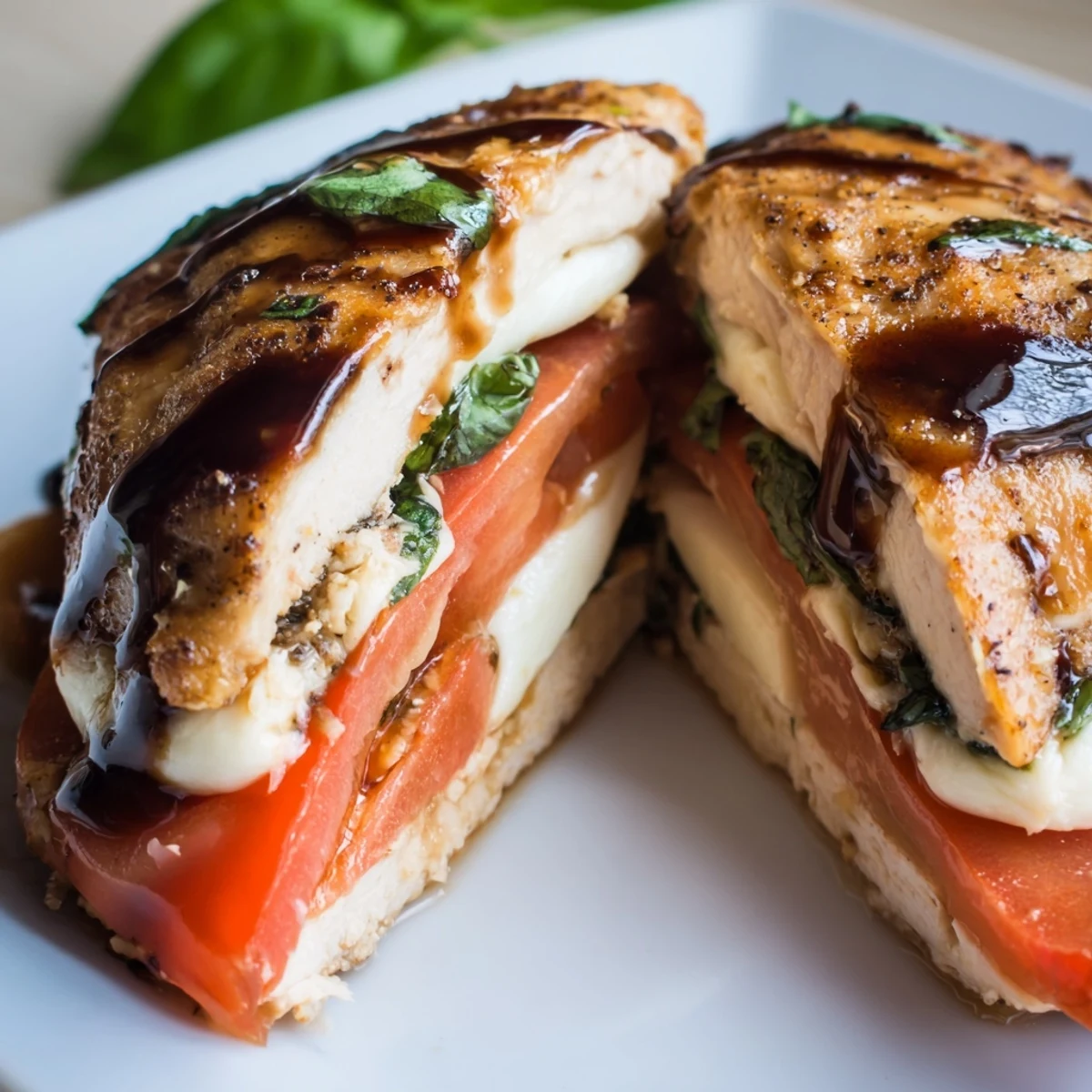
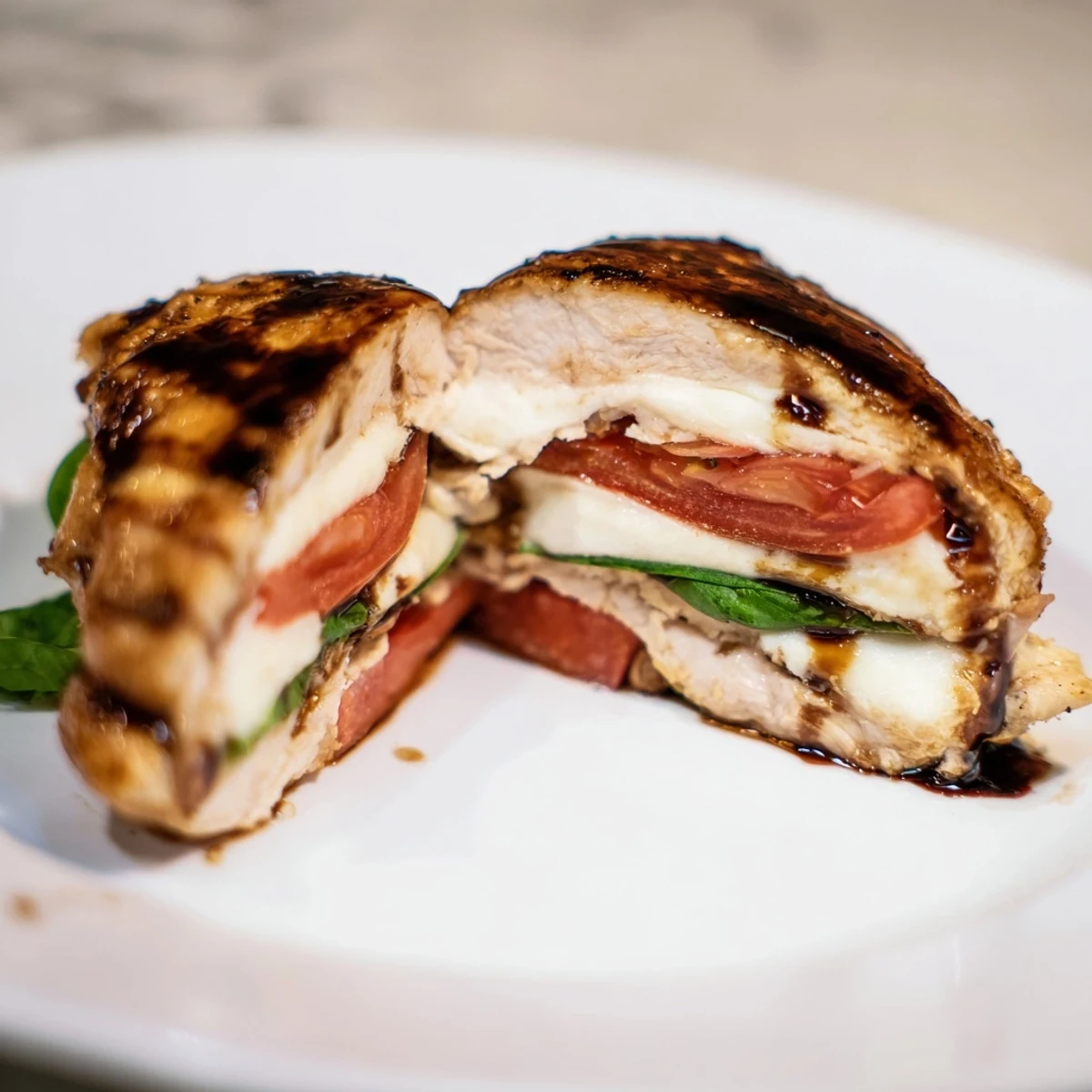
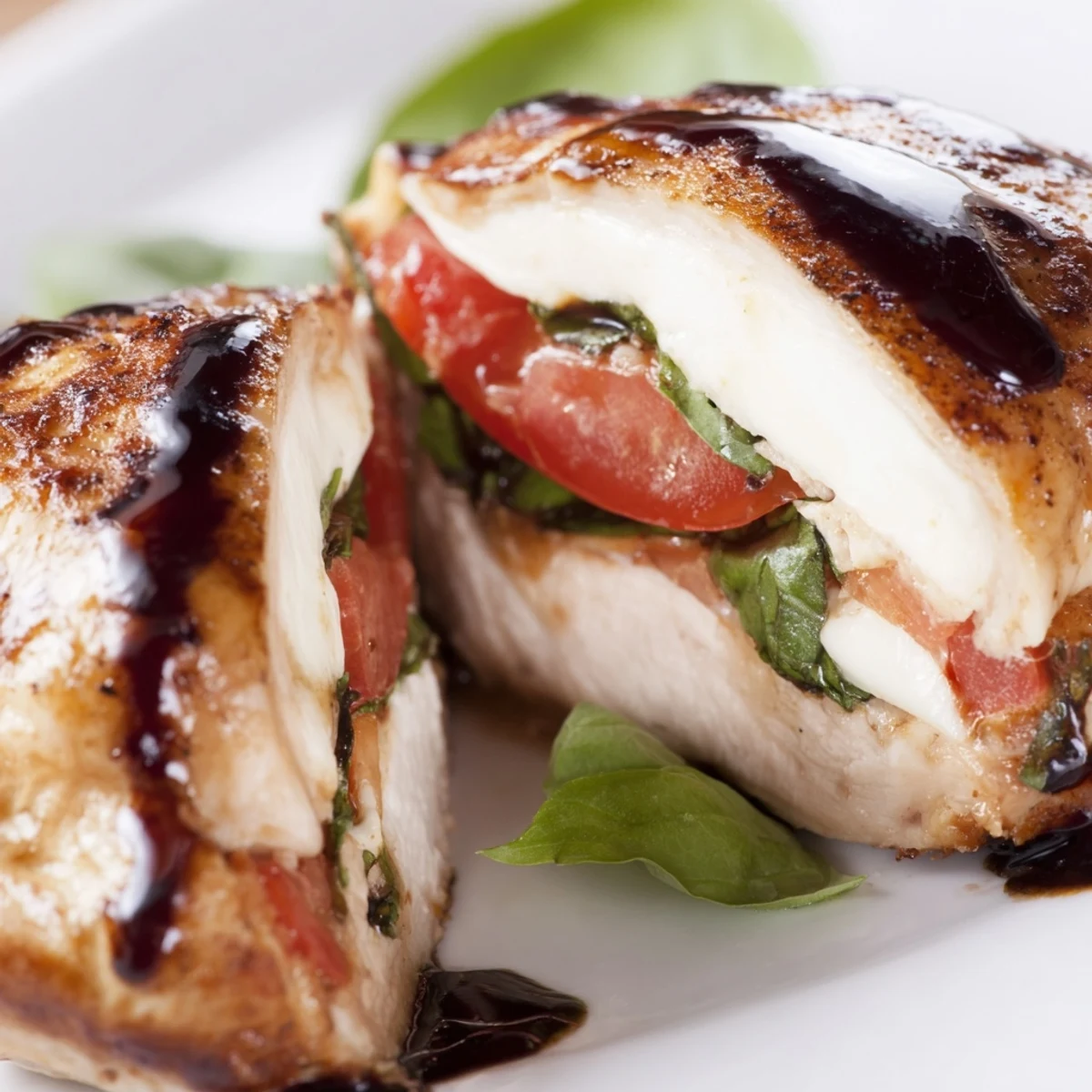
Save This dish features tender chicken breasts carefully slit and filled with creamy mozzarella slices, fresh tomato, and fragrant basil leaves. After searing to a golden crust, the chicken is baked to juicy perfection. A homemade balsamic and honey glaze is simmered to a thick finish and drizzled over for a touch of sweetness and acidity. Garnished with extra basil and olive oil, it offers an elegant blend of fresh, savory flavors that pairs beautifully with roasted vegetables or a crisp white wine.
There's something magical about that moment when you slice into a chicken breast at the dinner table and discover it's been quietly hiding layers of creamy mozzarella, warm tomato, and basil inside. My sister made this for me on a Thursday night when I was stressed about everything, and suddenly the whole evening shifted. The elegance of it felt like she'd spent hours cooking, but she hadn't—it was simple, intentional, and exactly what I needed to remember that good food doesn't have to be complicated to feel special.
I've made this for date nights, weeknight dinners with my kids, and even brought it to a potluck where someone asked for the recipe on a napkin before they'd even finished eating. There's something about presenting a whole stuffed chicken breast that makes people think you're more of a chef than you actually are, and I love that secret.
Ingredients
- Boneless, skinless chicken breasts (4): Look for breasts that are roughly the same thickness so they cook evenly. Pat them dry before you start—this is the small step that makes the searing crispy and golden.
- Fresh mozzarella cheese (120 g): Buy it as a ball and slice it yourself rather than pre-sliced if you can. The flavor is brighter and it melts more gracefully into the chicken.
- Ripe tomatoes (2 medium): This is where you taste the season. Use tomatoes that smell sweet and fragrant, not mealy ones from the back of the pile.
- Fresh basil leaves (16, plus more for garnish): Tear it gently by hand just before stuffing so it stays vibrant green and doesn't bruise into dark, bitter pieces.
- Olive oil (1 tablespoon for cooking): Use a mid-range olive oil for cooking—don't waste your expensive bottle on the skillet.
- Kosher salt, black pepper, garlic powder: These season both the outside and inside of the chicken, which is the difference between tasty and forgettable.
- Balsamic vinegar (80 ml) and honey (1 tablespoon): The vinegar should smell rich and complex, not sharp and artificial. The honey rounds out the acidity into something almost luxurious.
Instructions
- Get your oven ready and chicken prepped:
- Preheat to 200°C (400°F). Pat your chicken breasts completely dry with paper towels—moisture is the enemy of golden skin, and you're about to make that skillet sing.
- Cut a pocket with intention:
- Using your sharpest knife, cut a pocket lengthwise into each breast, going deep but not all the way through the other side. Think of it like opening a book, not making a hole. Take your time here because a careful pocket keeps everything tucked inside where it belongs.
- Season generously inside and out:
- Stuff with the good stuff:
- Layer mozzarella, tomato slices, and four basil leaves into each pocket. Use toothpicks to hold everything closed if the filling wants to escape—there's no shame in this. I learned this the hard way when I didn't secure mine and ended up with a tomato slide during searing.
- Get that golden crust:
- Heat olive oil in your oven-safe skillet over medium-high heat until it shimmers. Sear the stuffed breasts for 2-3 minutes per side until they're golden brown and smell incredible. This crust is what makes people think you actually know what you're doing.
- Let the oven finish the job:
- Transfer the whole skillet to the oven and bake for 18-22 minutes until the internal temperature hits 74°C (165°F). You're looking for cooked through but still juicy, not dried out and sad.
- Make the glaze while everything rests:
- While the chicken bakes, combine balsamic vinegar and honey in a small saucepan over medium heat. Bring it to a boil, then reduce to a simmer and cook for 5-7 minutes, stirring often, until it's thick and glossy enough to coat the back of a spoon. The smell will make your whole kitchen smell like an Italian restaurant.
- Rest, remove, and finish:
- Let the chicken rest in the pan for 5 minutes—this keeps it juicy. Remove the toothpicks, drizzle generously with that beautiful balsamic glaze, add a whisper of fresh basil and olive oil if you have it, and serve immediately while everything is still warm.
 Save
Save I'll never forget when my dad tasted this and said it was the kind of meal that made him understand why people cook instead of just eating. It wasn't the complexity—it was that someone had taken the time to think about every layer, every flavor, every moment of it. That's what this dish does.
The Art of Stuffing Without Disaster
The first time I tried this, I was overstuffed and overconfident. I filled each breast like I was packing luggage, and half of it fell out the moment I hit the hot pan. Now I've learned the toothpick trick isn't optional—it's strategic. Use two toothpicks per breast, positioned like an X across the opening, and your filling stays put. The toothpicks come out after cooking when everything's secure enough to stay together, and nobody knows about your insurance policy.
Another thing I discovered is that the order of your filling matters. Put the mozzarella against the chicken first—it acts as a seal. Then layer the tomato and basil on top. This way, as the cheese melts, it creates a barrier that keeps the other ingredients from drying out against the direct heat.
Balsamic Glaze as a Flavor Multiplier
The glaze is where this dish goes from good to something people ask for seconds on. When you reduce balsamic and honey together, the acidity mellows and the sweetness deepens into something almost caramelized. I used to think glaze was an optional fancy touch, but once I tasted the difference, I understood it was actually the whole point. The savory chicken, the creamy filling, and then that glossy, complex sweetness on top—it's the reason this plate feels balanced and intentional.
One tip I picked up: make the glaze while the chicken's in the oven so you're not scrambling with timing. If it thickens too much before serving, a tiny splash of water brings it right back to the perfect consistency. And taste it before you pour—if it's too sharp, add another quarter teaspoon of honey. The glaze should make you smile when you taste a spoonful, not pucker up.
Serving This Like You Mean It
This dish doesn't need much else on the plate. A simple green salad with lemon dressing, some roasted vegetables, or even just a crusty piece of bread to catch the last bit of glaze is all you need. I've found that pairing it with a crisp white wine—Pinot Grigio or Sauvignon Blanc—makes the whole meal feel like an occasion, even if it's just a Tuesday.
- Slice into the chicken at the table when people are watching—let them see that surprise inside.
- If you're making this ahead, the chicken reheats beautifully in a 160°C oven for about 10 minutes covered with foil.
- Have toothpicks and a sharp knife within arm's reach when you start, because scrambling for them mid-cook is never fun.
 Save
Save This is the kind of dish that reminds you why you cook in the first place—because sometimes the meals we make for the people we love become the moments they remember. Serve it warm, serve it proud, and let people see what you made.
Recipe FAQs
- → How do you prepare the chicken breasts for stuffing?
-
Carefully cut a deep pocket lengthwise into each boneless chicken breast without slicing all the way through to hold the filling securely.
- → What is the best way to ensure the filling stays inside while cooking?
-
Secure the stuffed chicken breasts with toothpicks if needed before searing and baking to keep the filling intact.
- → How do you make the balsamic glaze?
-
Simmer balsamic vinegar with honey in a small saucepan until thickened to a syrupy consistency for a sweet and tangy finish.
- → Can I add other ingredients inside the chicken for extra flavor?
-
Yes, adding a layer of prosciutto inside the chicken before stuffing enriches the flavor profile.
- → What sides pair well with this dish?
-
Roasted vegetables, a fresh green salad, or a crisp Pinot Grigio complement the flavors perfectly.