
 Save
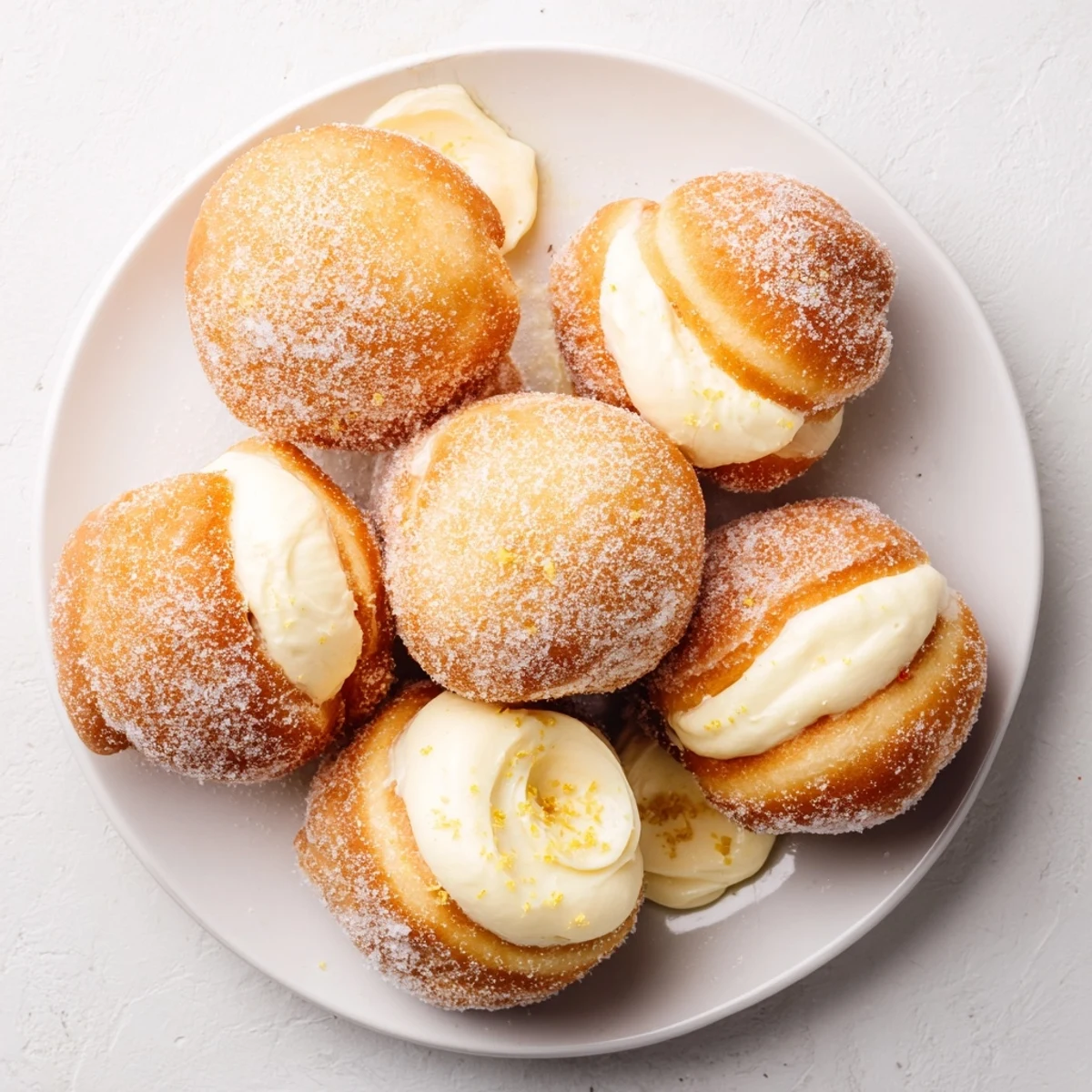
Save These beloved Italian treats start with a pillowy yeast dough enriched with butter, eggs, and fresh lemon zest. After rising, the dough is shaped into rounds, fried until golden, and immediately rolled in granulated sugar for that signature crispy exterior. The magic happens inside—each bombolone gets generously filled with velvety vanilla pastry cream made from scratch. The result is a warm, sugar-coated exterior giving way to cool, creamy perfection. Best enjoyed the same day they're made, these Italian doughnuts pair beautifully with a cappuccino or espresso for an authentic breakfast experience.
Last summer in Florence, I ducked into a tiny bakery off the main square when rain started pouring down. The owner handed me a still-warm bombolone, and that first bite of cool cream hitting the hot dough changed everything. I spent the rest of my trip hunting down the best ones, then came home determined to recreate that magic in my own kitchen.
My sister came over during one of my test batches and we ended up eating six between us while standing at the counter. She kept saying just one more and then accidentally dipped hers in her espresso, which turned out to be a brilliant mistake. Now that is how we always serve them when she visits.
Ingredients
- All-purpose flour: Creates the structure while keeping the dough tender enough to puff beautifully during frying
- Instant yeast: Reliable and quick, no proofing needed, just mix it straight into the flour
- Lukewarm whole milk: Should feel like bath water on your wrist, any hotter and you risk killing the yeast
- Unsalted butter: Softened to room temperature so it incorporates evenly into the dough without leaving chunks
- Eggs: Room temperature eggs blend better and help the dough achieve that rich yellow crumb
- Lemon zest: Freshly grated adds a bright perfume that cuts through all that richness
- Whole milk for pastry cream: Full fat is essential here, anything less and your cream will not set properly
- Cornstarch: The secret to a thick, stable custard that will not weep into the dough
- Vegetable oil: Neutral flavor so nothing competes with the vanilla and lemon
Instructions
- Mix the dough:
- Combine the flour, sugar, yeast, and salt in a large bowl, then whisk the milk, eggs, vanilla, and lemon zest separately before pouring the wet mixture into the dry. Add the softened butter last and knead until the dough pulls away from the sides of the bowl and feels silky smooth.
- Let it rise:
- Cover the bowl with plastic wrap and set it somewhere warm, I like to put it in my oven with just the light on. Wait until the dough has doubled in size, which usually takes about an hour and a half depending on your kitchen temperature.
- Make the pastry cream:
- Heat the milk with lemon zest until you see small bubbles forming around the edges. Whisk the yolks, sugar, and cornstarch until pale yellow, then temper the hot milk into the yolks slowly while whisking constantly so you do not scramble the eggs.
- Cook the custard:
- Return everything to the pot and cook over medium heat, stirring constantly with a wooden spoon or spatula. The mixture will suddenly thicken and come to a boil, keep stirring for one more minute to cook out the cornstarch flavor.
- Chill the cream:
- Stir in the vanilla and butter until melted, then press plastic wrap directly onto the surface to prevent a skin from forming. Cool completely in the refrigerator, at least two hours, because warm cream will melt right through your dough.
- Shape the bomboloni:
- Punch down the risen dough gently and roll it out to about one and a half centimeters thick on a floured surface. Cut rounds with a six or seven centimeter cutter and arrange them on a baking sheet, leaving room to puff up.
- Second rise:
- Cover loosely with a towel and let the rounds proof until they look puffy and feel light when you poke them, about thirty to forty minutes. They should jiggle slightly when you shake the pan.
- Fry to golden:
- Heat oil to 170 degrees Celsius and fry the bomboloni in batches of three or four, about two to three minutes per side. They should be deeply golden and sound hollow when you tap them.
- Sugar immediately:
- Let them drain for just ten seconds on paper towels, then roll them in granulated sugar while they are still hot. The sugar sticks better this way and forms that signature crackly coating.
- Fill generously:
- Poke the piping bag nozzle into the side of each bombolone, going in at an angle toward the center. Squeeze slowly until you feel resistance, then pull out while still squeezing slightly to avoid leaving a gap.
 Save
Save These became a tradition in our house for Sunday mornings. My kids started helping with the sugar rolling part and now fight over who gets to fill the last one.
Making Pastry Cream Ahead
You can make the custard up to two days in advance and store it in the refrigerator. In fact, the flavors actually improve after sitting overnight, so do not stress about timing everything perfectly. Just let it come to room temperature for about twenty minutes before filling so it pipes easily.
Frying Tips
Use a thermometer instead of guessing the oil temperature, because the difference between 165 and 175 degrees can make or break the texture. I keep a clip on thermometer attached to the side of my pot so I can monitor it continuously. If you do not have a thermometer, drop in a small piece of dough first, if it sizzle immediately and rises to the surface, you are good to go.
Serving Suggestions
Bomboloni are meant to be eaten the day they are made, ideally within a few hours of frying. If you must keep them, store at room temperature in a paper bag to maintain that crispy exterior. The refrigerator will make them tough and stale much faster.
- Dust some with extra powdered sugar just before serving for that bakery look
- Set up a DIY station with different fillings like Nutella or fruit jam for variety
- Always serve with strong coffee or espresso to balance all that sweetness
 Save
Save There is something joyful about biting into something so imperfect and delicious. Hope these bring a little Italian sweetness to your kitchen.
Recipe FAQs
- → What makes bomboloni different from regular doughnuts?
-
Bomboloni are Italian-style doughnuts distinguished by their light, yeast-risen dough and generous creamy filling. Unlike American doughnuts with holes or glaze, bomboloni are always filled—typically with pastry cream—while the exterior remains simply coated in granulated sugar for contrasting texture.
- → Can I make the dough ahead of time?
-
Yes, the dough benefits from overnight refrigeration after the first rise. This slow fermentation develops deeper flavor. Simply let the dough come to room temperature before rolling and shaping the next day.
- → What's the best oil temperature for frying?
-
Maintain oil at 170°C (340°F) for optimal results. Too hot and they'll burn outside while remaining raw inside; too cool and they'll absorb excess grease becoming heavy. A kitchen thermometer is essential for consistent results.
- → How do I get the most filling inside each bombolone?
-
Use a piping bag fitted with a long, narrow nozzle (Bismarck tip). Insert the nozzle fully into the side or bottom of each warm doughnut, applying gentle pressure to fill until you feel slight resistance. The warm dough creates space for maximum cream.
- → Can I bake instead of fry bomboloni?
-
While frying produces the traditional texture, baking at 190°C (375°F) for 12-15 minutes creates a lighter version. Brush with melted butter before and after baking, then roll in sugar while warm. The texture will be more like a brioche bun than a doughnut.
- → How long do bomboloni stay fresh?
-
Bomboloni are best enjoyed within 4-6 hours of frying while the exterior remains crisp. If storing, keep in an airtight container at room temperature for up to 24 hours. Beyond this, the sugar coating dissolves and the dough becomes dense. They don't freeze well due to the cream filling.