
 Save
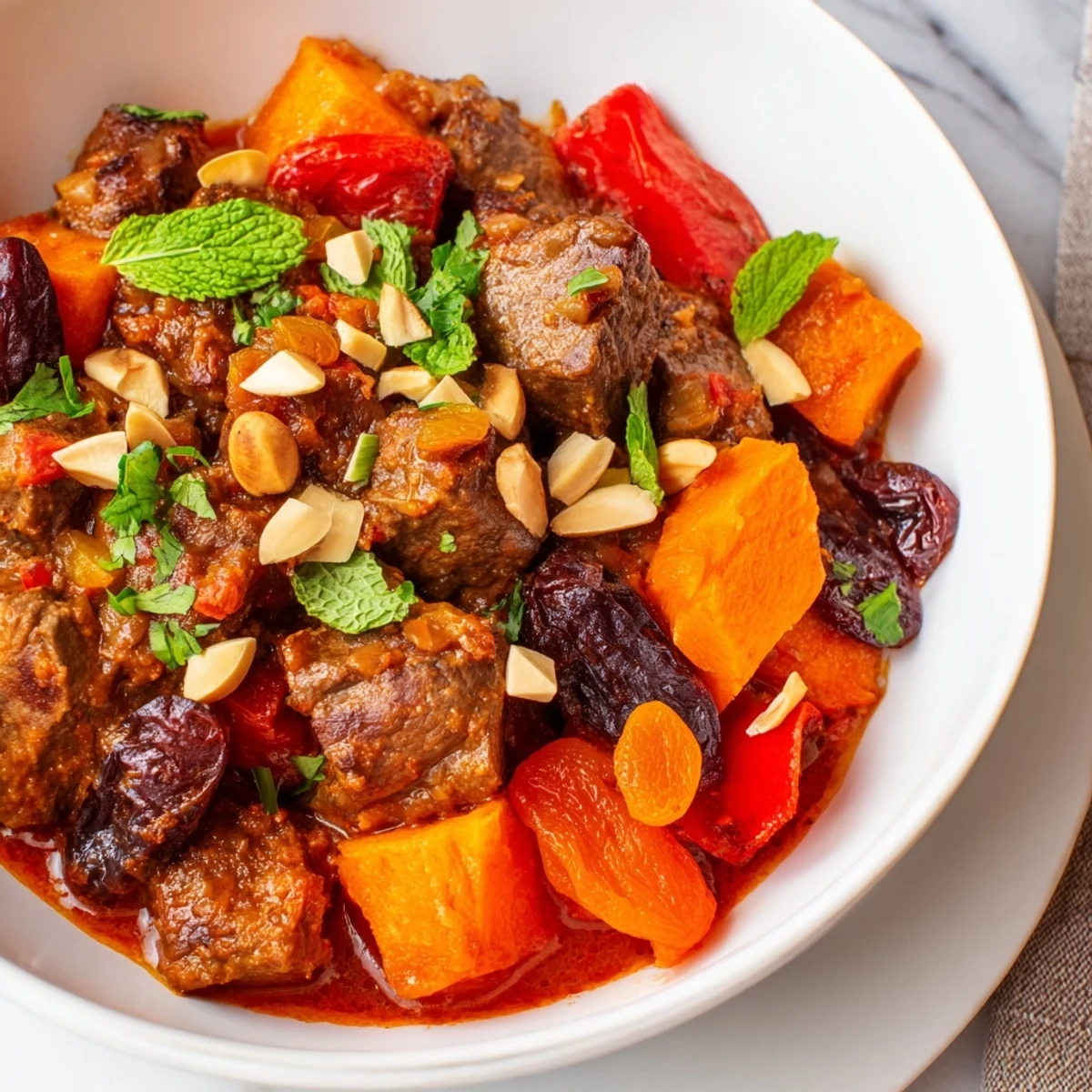
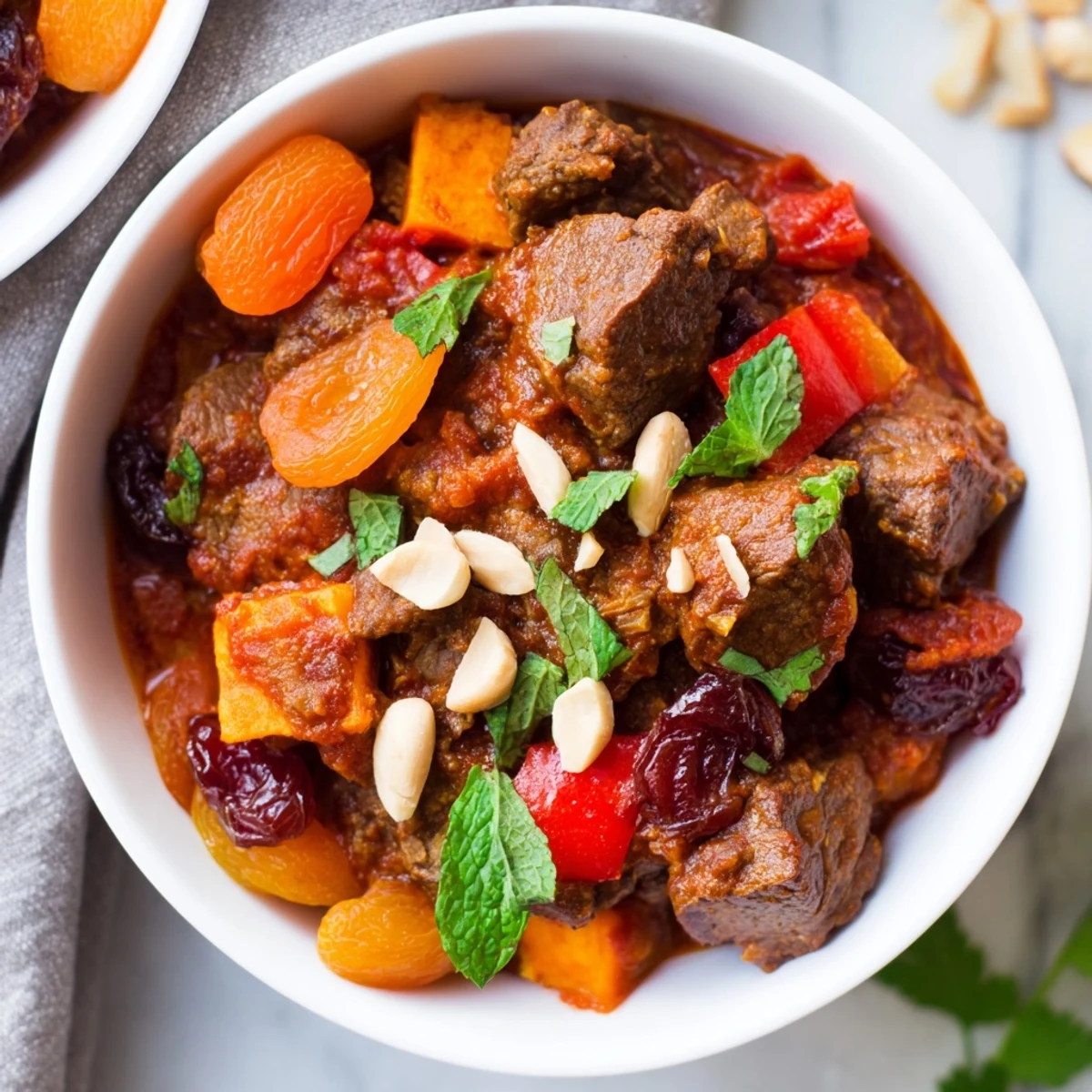
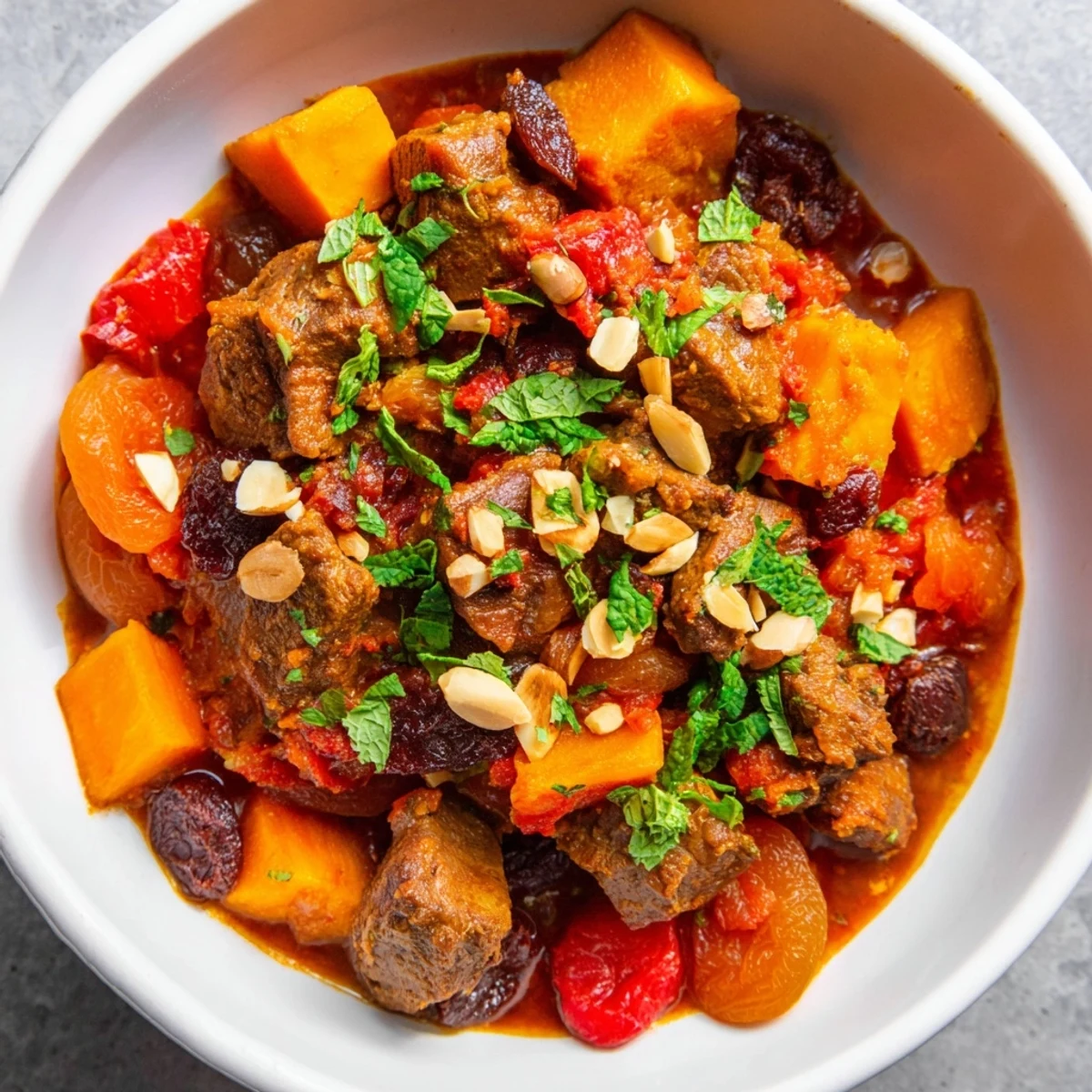
Save This slow-cooked Moroccan lamb dish blends tender lamb shoulder with a fragrant mix of cumin, coriander, cinnamon, and smoked paprika. Sweet dried apricots and raisins add a gentle sweetness balanced by savory vegetables like carrots, sweet potato, and bell pepper. The long, slow cooking melds all ingredients into a rich, comforting meal, garnished with fresh coriander, mint, and optional toasted almonds. Ideal for a cozy family dinner, it pairs well with couscous or rice for a satisfying culinary experience.
The first time I truly understood what slow cooking could do was on a gray afternoon when I had nothing but a hunk of lamb shoulder and a handful of spices gathering dust in my pantry. Six hours later, my kitchen smelled like a Marrakech souk—warm, layered, impossibly alive—and the lamb fell apart at the gentlest touch. That evening changed how I thought about weeknight cooking.
I made this for my partner's family dinner last winter, nervous about whether Moroccan food would land with a roomful of people raised on roasts and gravy. But something about the cinnamon threading through the tender meat, the burst of apricot sweetness, the earthiness of cumin—it broke through every skeptical face at the table. By the end of the meal, my mother-in-law was already asking when I'd make it again.
Ingredients
- Lamb shoulder, 1.2 kg cubed: This cut has just enough marbling and connective tissue to become silky after hours in the slow cooker; browning it first builds a flavor foundation that carries through the whole dish.
- Olive oil, 1 tbsp: Use a good one for the initial sear—it makes a difference in how the lamb's exterior caramelizes.
- Onions, 2 large sliced: They'll almost dissolve into the sauce, sweetening it naturally and acting as the base for everything else.
- Garlic and ginger: These two create the aromatic backbone; mincing them fine ensures they distribute evenly through the cooking liquid.
- Carrots and sweet potato: The carrot brings earthiness and structure, while the sweet potato adds subtle richness and helps thicken the sauce as it breaks down.
- Red bell pepper: Adds brightness and a gentle sweetness that doesn't overpower the Moroccan spices.
- Ground cumin and coriander, 2 tsp each: These warm, slightly nutty spices are the heart of the dish; toast them briefly in the pan to wake them up.
- Cinnamon, 1½ tsp: Don't shy away from this amount—it's essential to the tagine's character and won't taste dessert-like when balanced with savory elements.
- Smoked paprika, 1 tsp: Brings depth and a whisper of smoke that makes the flavors taste more complex.
- Turmeric and black pepper: Turmeric adds earthiness and a hint of bitterness that grounds the sweetness; pepper is your seasoning backbone.
- Cayenne, ½ tsp optional: Add it only if you want heat; this dish is satisfying without it.
- Canned tomatoes and stock, 400g and 400ml: Use low-sodium broth so you can control the salt; the tomatoes add acidity that balances the fruit.
- Dried apricots and raisins: Apricots bring a sophisticated tartness, while raisins add gentle sweetness; halving the apricots helps them soften evenly.
- Honey, 2 tbsp: This isn't about being cloyingly sweet—honey binds flavors and adds a subtle richness that makes the sauce taste finished.
- Lemon zest: The brightness cuts through richness and keeps everything from feeling heavy; add it early so it infuses throughout.
- Fresh coriander and mint: These are non-negotiable for serving; they add freshness that contrasts beautifully with the deep spices.
- Toasted slivered almonds: Optional but worth it—they add textural contrast and a nutty depth that complements Moroccan flavors.
Instructions
- Sear the lamb until golden:
- Pat the lamb dry, then sear it in batches over medium-high heat for 4–5 minutes per batch, resisting the urge to move it around—you want a caramelized crust that locks in flavor. Don't overcrowd the pan or the meat will steam instead of brown.
- Build the aromatic base:
- In the same skillet with the rendered lamb fat, soften the onions for 3 minutes, then add garlic and ginger and cook just until fragrant. Add all the spices and stir for 30 seconds; you'll suddenly smell something that smells distinctly like a Moroccan kitchen.
- Layer everything in the slow cooker:
- Transfer the seared lamb and aromatics to the slow cooker, then add carrots, sweet potato, bell pepper, tomatoes, stock, apricots, raisins, honey, and lemon zest. Stir gently to combine and season with salt.
- Let time do the heavy lifting:
- Cover and cook on LOW for 6–7 hours (or HIGH for 3½–4 hours) until the lamb is fall-apart tender and the vegetables have softened completely. The kitchen will smell increasingly incredible as the hours pass.
- Finish with freshness:
- Taste and adjust seasoning, then skim any excess fat from the surface if desired. Serve hot, scattered generously with fresh coriander, mint, and toasted almonds.
 Save
Save What I love most is watching people taste this for the first time—there's always a moment where their expression shifts, as if they're tasting something they didn't know existed. That's when food becomes more than sustenance; it becomes a small invitation into another part of the world.
What Makes Moroccan Tagines Special
The magic of a tagine lies in the marriage of spices, fruit, and time. Unlike quick stir-fries, tagines rely on slow braising to meld flavors into something greater than their individual parts—the spices lose their sharp edges and become warm and rounded, the meat surrenders completely, and the fruit adds layers of sweetness without tasting sugary. This is cooking that rewards patience.
Serving and Pairing Ideas
Serve this over fluffy couscous, quinoa, or plain rice to soak up the rich sauce. A simple green salad with lemon vinaigrette cuts through the richness beautifully, and if you want to stay true to Moroccan tradition, warm pita or flatbread works wonderfully for scooping up every last bit. The tagine is equally good the next day, reheated gently in the slow cooker or on the stovetop, and the flavors actually deepen overnight.
Variations and Flexibility
This recipe is forgiving and invites experimentation—add chickpeas in the last hour for extra protein, swap the bell pepper for green olives if you want briny pops instead of sweetness, or increase the cayenne if your table loves heat. Some cooks add a splash of orange juice along with the lemon zest for citrus complexity, or throw in prunes instead of apricots. The slow cooker means these changes rarely go wrong.
- If lamb shoulder isn't available, lamb leg works but may need an extra hour to become tender.
- Make this gluten-free by ensuring your stock and dried fruits carry that certification on the label.
- Leftover tagine freezes beautifully for up to three months, making it perfect for meal planning.
 Save
Save This tagine has become my go-to when I want to feel like a competent cook without spending the whole evening in the kitchen. It's the kind of dish that makes people linger at the table a little longer.
Recipe FAQs
- → What cut of lamb is best for this dish?
-
Lamb shoulder works best due to its tenderness and flavor after slow cooking, but lamb leg can be used as an alternative.
- → Can I adjust the spice level?
-
Yes, adding more cayenne pepper or fresh chili boosts the heat to suit your taste.
- → What side dishes complement this meal?
-
Fluffy couscous, quinoa, or rice make excellent accompaniments, soaking up the rich sauce.
- → Can I add more protein or fiber?
-
Adding chickpeas during the last hour of cooking introduces extra protein and fiber.
- → Are there any allergy considerations?
-
This dish contains nuts if toasted almonds are added as garnish; ensure all stock and dried fruits are gluten-free certified.