
 Save
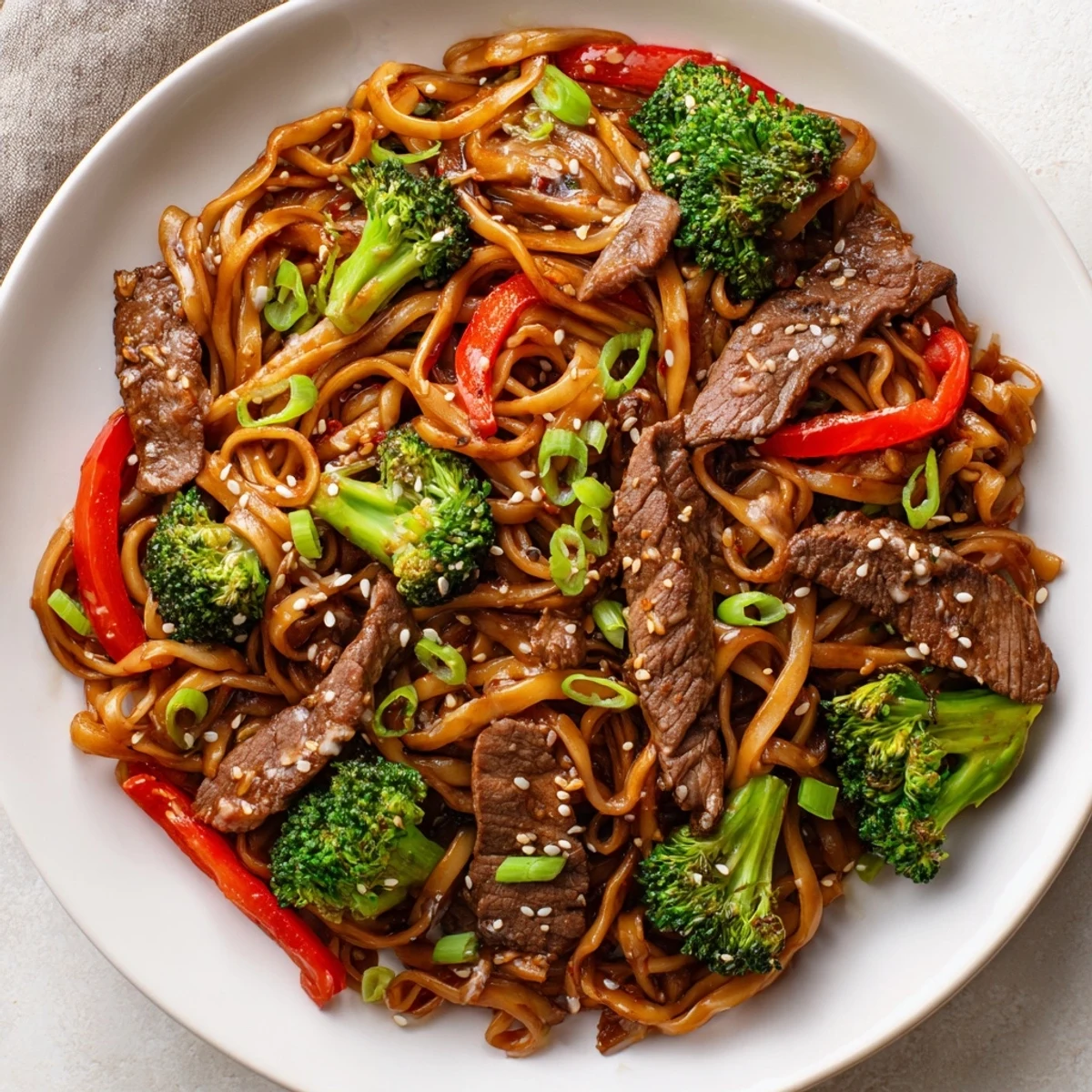
Save This dish features thinly sliced beef marinated in soy and sesame oils, stir-fried to tender perfection. Crisp broccoli florets and thinly sliced bell pepper add fresh crunch, while garlic and ginger bring aromatic depth. Cooked lo mein noodles are tossed with a savory blend of soy, oyster, and hoisin sauces, creating a rich and balanced coating. Garnished with toasted sesame seeds and green onions, it offers a quick, satisfying, and well-rounded meal.
I used to think lo mein was impossible to get right at home until a friend showed me the trick: high heat and constant motion. The noodles would either clump or turn mushy, but once I learned to treat the wok like it was alive, everything clicked. Now the sizzle of beef hitting hot oil is one of my favorite kitchen sounds.
I made this on a rainy Wednesday when nobody felt like going out. My sister walked into the kitchen, smelled the ginger and sesame, and said it reminded her of the place we used to go after late shifts. We ended up eating straight from the wok, standing at the counter, talking about nothing important. It became our weather recipe after that.
Ingredients
- Flank steak: Slice it thin and against the grain or it turns chewy; freezing it for 15 minutes makes cutting easier and cleaner.
- Soy sauce: Use it twice, once to marinate the beef and again in the sauce, because it builds layers of flavor instead of just salt.
- Cornstarch: This is what gives the beef that slight glaze and helps the sauce stick instead of pooling at the bottom.
- Sesame oil: A little goes a long way; too much and it tastes like perfume, just enough and it ties everything together.
- Broccoli florets: They should be bite-sized and dry before they hit the pan, or they steam instead of sear.
- Red bell pepper: Adds a sweet crunch and a pop of color that makes the dish look as good as it tastes.
- Green onions: Slice them thin and add them at the end so they stay bright and sharp.
- Garlic and ginger: Mince them fresh; the bottled stuff never smells the same when it hits the heat.
- Lo mein noodles: If you cant find them, spaghetti works fine, just cook it a minute less than the package says.
- Oyster sauce: This is the secret umami backbone; without it, the sauce feels flat.
- Hoisin sauce: It brings a hint of sweetness and depth that balances the salty and tangy notes.
- Rice vinegar: Just a tablespoon cuts through the richness and wakes up your palate.
- Toasted sesame seeds: They add a nutty crunch and make the dish look finished and intentional.
Instructions
- Marinate the beef:
- Toss the sliced flank steak with soy sauce, cornstarch, and sesame oil in a bowl, making sure every piece is coated. Let it sit for 10 minutes while you prep everything else; this step keeps the meat tender and flavorful.
- Cook the noodles:
- Boil the lo mein noodles according to the package, then drain and rinse them under cold water to stop the cooking. This prevents them from turning gummy when you toss them in the wok later.
- Mix the sauce:
- Whisk together soy sauce, oyster sauce, hoisin sauce, rice vinegar, sesame oil, sugar, and black pepper in a small bowl. Having it ready means you wont scramble when the heat is on.
- Sear the beef:
- Heat a tablespoon of oil in your wok over high heat until it shimmers, then add the beef in a single layer. Stir-fry for 2 to 3 minutes until just browned, then remove it and set aside; dont overcook it now because it goes back in later.
- Stir-fry the vegetables:
- Add another tablespoon of oil to the same pan, toss in the broccoli and bell pepper, and cook for 2 to 3 minutes until they soften but still have bite. Stir in the garlic and ginger and cook for 30 seconds until the smell fills the kitchen.
- Combine everything:
- Return the beef to the wok, add the noodles, and pour in the sauce. Toss everything together for 2 to 3 minutes, using tongs or chopsticks to coat every strand evenly and heat it all through.
- Finish and serve:
- Stir in the green onions, take the pan off the heat, and sprinkle toasted sesame seeds over the top. Serve it right away while its hot and glossy.
 Save
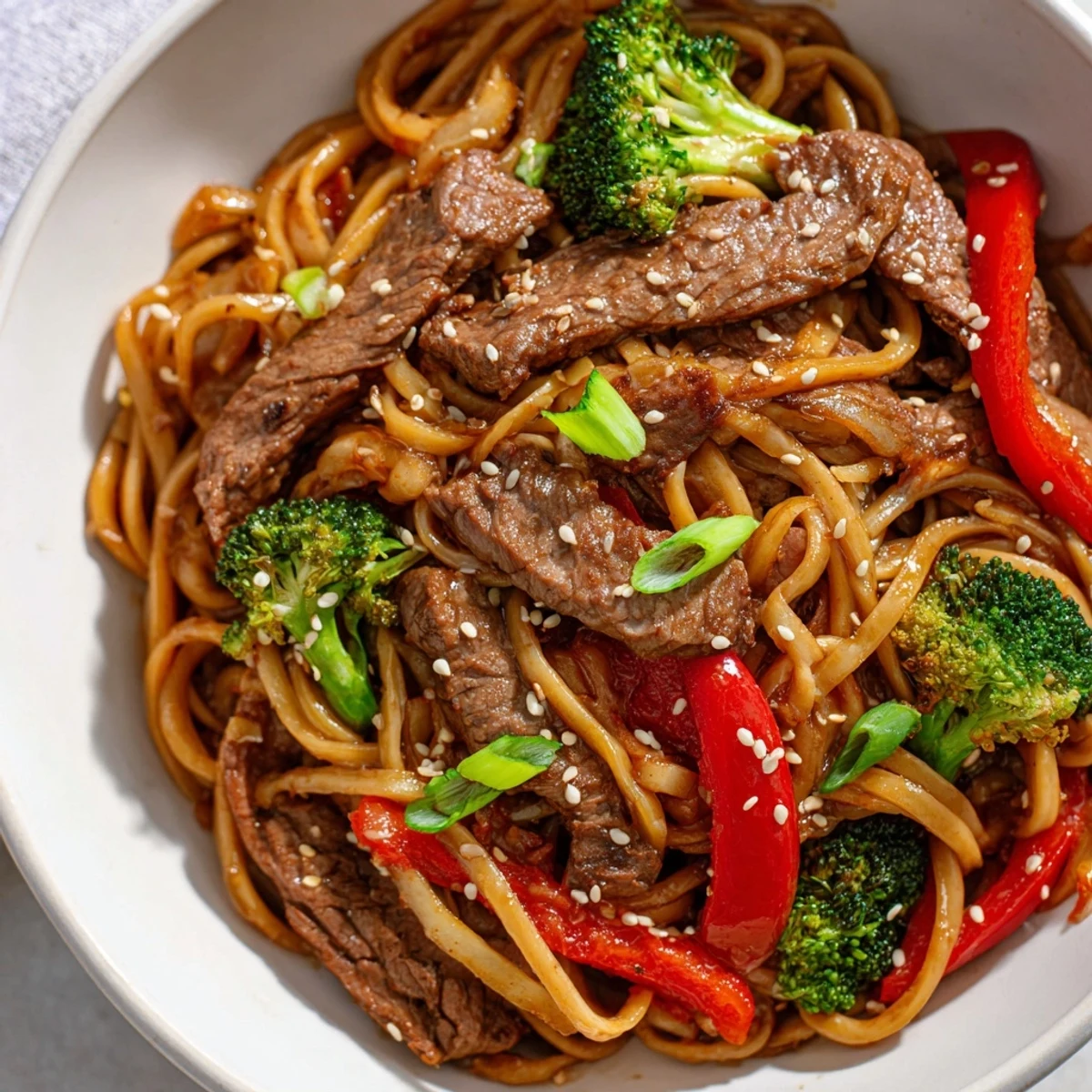
Save The first time I nailed this recipe, my partner looked up mid-bite and asked if I ordered it without telling him. That moment, more than any compliment, told me I had finally figured it out. Now its the dish I make when I want to remind myself that I can actually cook.
Choosing Your Protein
Flank steak is my go-to because it stays tender and soaks up the marinade, but I have swapped it for chicken thighs when beef was too expensive. Tofu works beautifully if you press it well and cube it instead of slicing it thin. The key is to sear whatever protein you choose quickly and remove it before it dries out.
Getting the Sauce Right
The balance between salty, sweet, and tangy is delicate, and I learned that the hard way after making it too salty twice in a row. Start with the measurements here, then taste the sauce before you pour it in; you can always add a pinch more sugar or a splash more vinegar. If you like heat, a teaspoon of chili paste or a few red pepper flakes stirred in at the end will wake it up without overwhelming the sesame.
Making It Your Own
This recipe is forgiving and loves improvisation. I have added snap peas when I had them, tossed in mushrooms for extra umami, and even stirred in leftover roasted carrots. The sauce and technique stay the same, so you can swap vegetables based on what is in your fridge or what looks good at the market.
- If you want it spicier, add chili paste or Sriracha directly to the sauce before tossing.
- Swap spaghetti for lo mein noodles if thats all you have, just undercook them slightly.
- A handful of cashews or peanuts tossed in at the end adds crunch and richness.
 Save
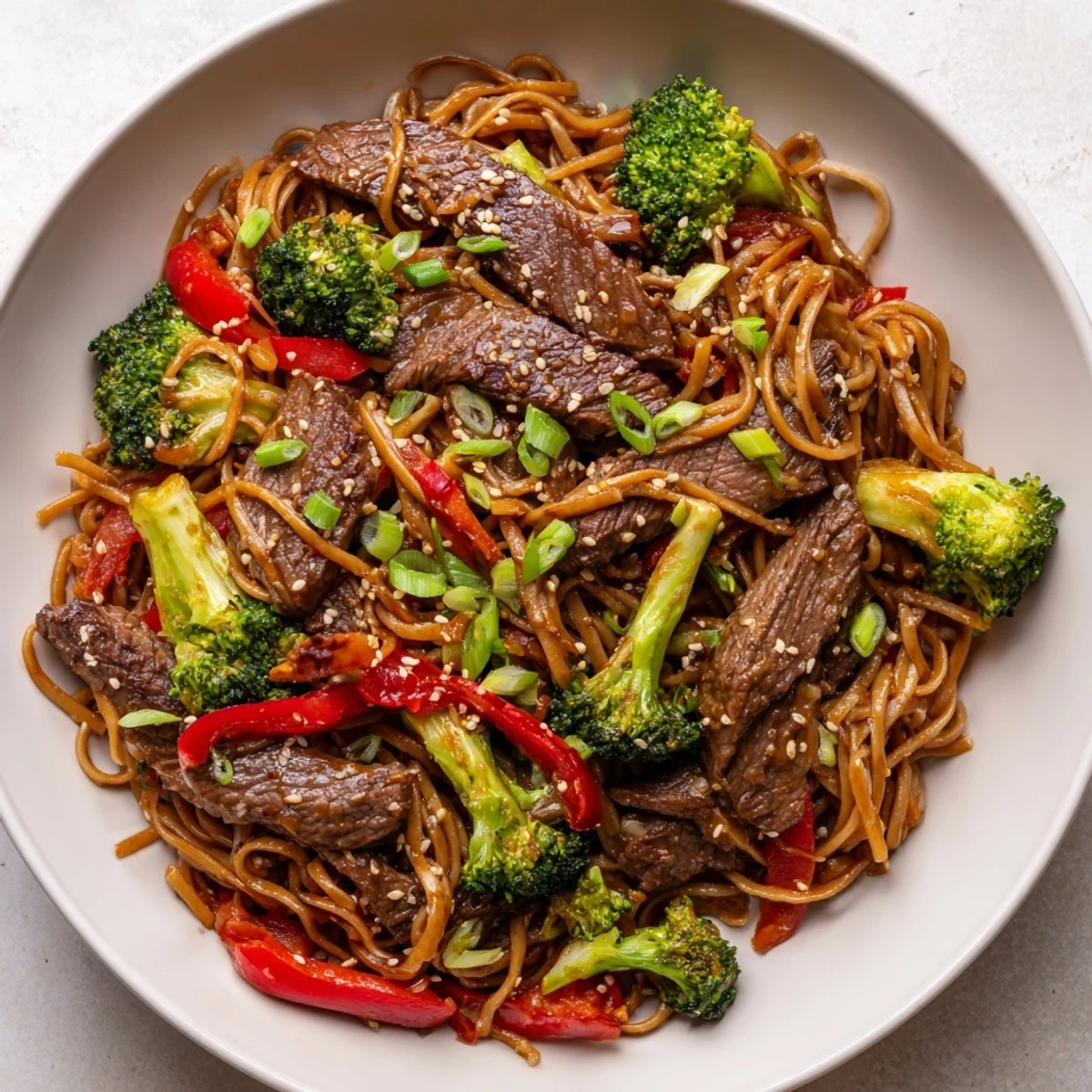
Save This dish taught me that good food does not have to be complicated, it just has to be made with attention and a little bit of heat. I hope it becomes one of those recipes you reach for on busy nights when you still want something that feels like care.
Recipe FAQs
- → How do I ensure the beef stays tender?
-
Marinate the beef with soy sauce, cornstarch, and sesame oil for at least 10 minutes before stir-frying to keep it tender and flavorful.
- → Can I use other vegetables besides broccoli?
-
Yes, vegetables like snap peas, mushrooms, or bell peppers can be substituted or added for extra texture and flavor.
- → What type of noodles works best for this dish?
-
Lo mein noodles are ideal, but spaghetti or other wheat noodles can be used as alternatives.
- → How do I achieve the right sauce consistency?
-
Mix soy, oyster, hoisin sauces with rice vinegar, sesame oil, sugar, and pepper, then toss with hot noodles to coat evenly.
- → Is it necessary to rinse the noodles after cooking?
-
Rinsing noodles under cold water stops cooking and prevents clumping, ensuring a better texture when stir-fried.