
 Save
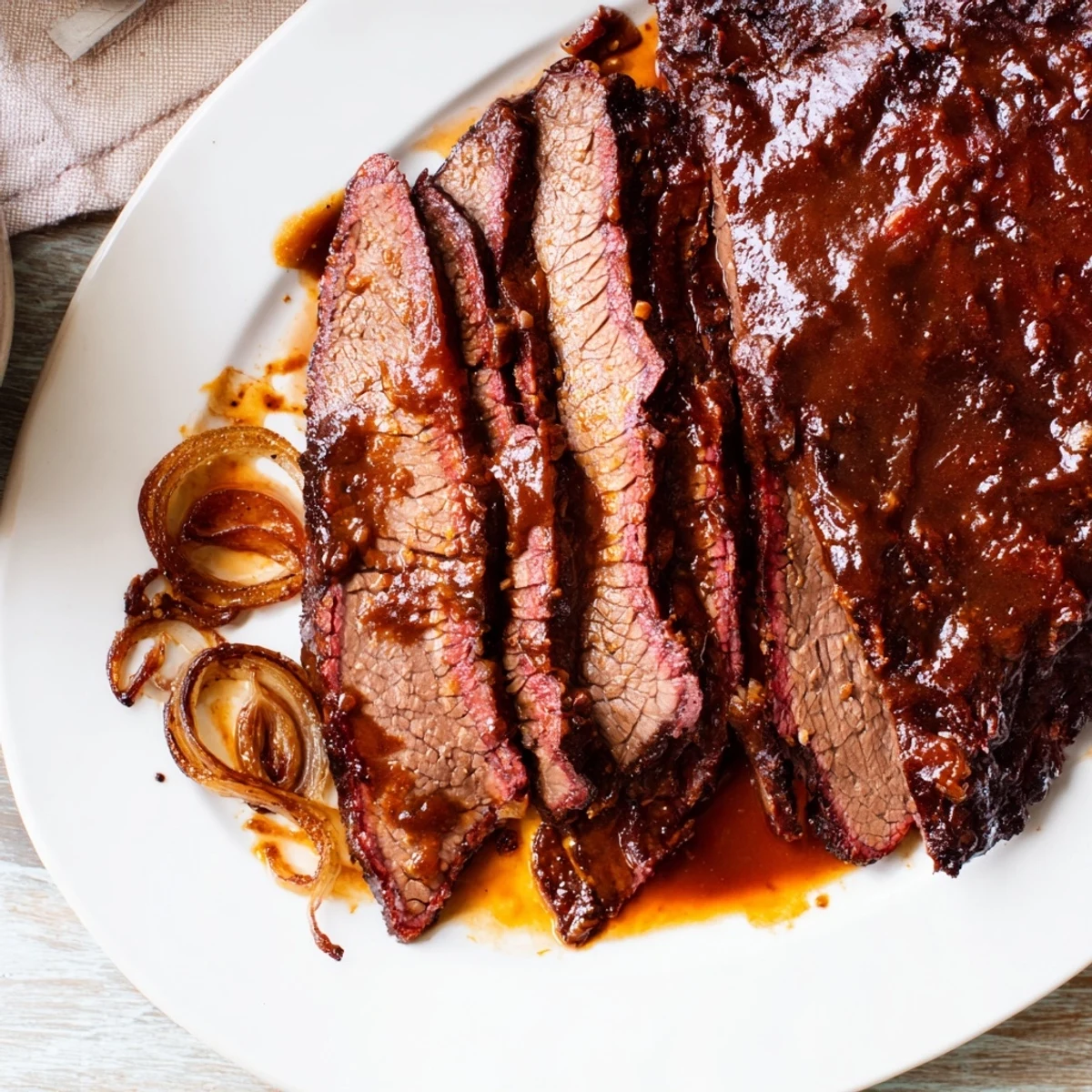
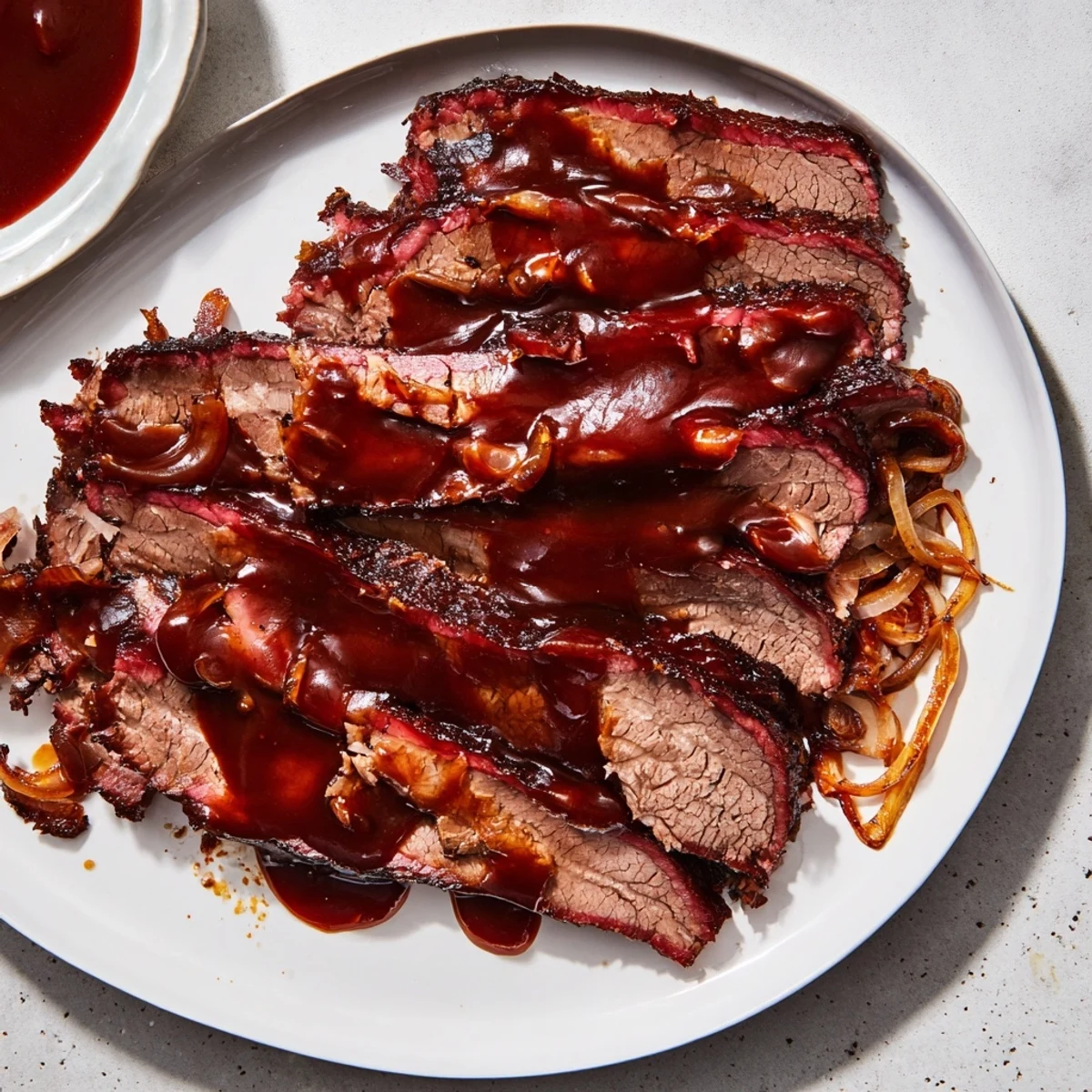
Save This dish features a large beef brisket rubbed with a blend of spices including smoked paprika, garlic, and onion powders, then slow-roasted on a bed of sliced onions with beef broth. A homemade barbecue sauce, made from ketchup, apple cider vinegar, molasses, and spices, is simmered until thickened. After roasting, the brisket is brushed with the sauce and caramelized in a hot oven for a sticky glaze. The result is a tender, flavorful cut with a rich smoky and tangy finish, ideal for family meals or special occasions. Allow resting before slicing for the best texture.
I still remember the first time I pulled a brisket from the oven after four hours of patient waiting. The aroma that filled my kitchen was absolutely intoxicating—smoky, rich, and deeply savory. My neighbor actually knocked on the door to ask what smelled so incredible. That moment taught me that great food isn't just about technique; it's about creating an experience that draws people in before they even taste a single bite. This beef brisket with homemade barbecue sauce has become my go-to when I want to impress without spending all day in the kitchen actively cooking.
I made this brisket for my daughter's graduation party last summer, and I'll never forget watching her friends go back for thirds. One of them asked if I catered it, and when I said I made it at home, the surprise on their faces was priceless. That's when I realized this recipe was more than just dinner—it was something that made people feel celebrated.
Ingredients
- Beef brisket (4–5 lb / 1.8–2.2 kg): Choose a cut with good marbling and a fat cap—this is what keeps the meat moist during the long, slow cook. Don't trim away all the fat; it's your insurance policy against dryness.
- Kosher salt: The larger granules dissolve more evenly than table salt and give you better control over seasoning the massive piece of meat.
- Freshly ground black pepper: Grind it yourself if you can—pre-ground pepper loses its punch sitting in your spice cabinet.
- Smoked paprika: This is the secret weapon that gives you a barbecue flavor without an actual smoker. Use the real stuff, not regular paprika.
- Garlic powder and onion powder: These create a savory base that enhances the meat without overpowering it. Fresh garlic and onions are in the pan, so the powders give a concentrated flavor boost.
- Ketchup: The foundation of good barbecue sauce—use quality ketchup, not the super-sweet kind made for french fries.
- Apple cider vinegar: This brings brightness and tang that cuts through the richness of the meat. The acidity is essential.
- Brown sugar and molasses: These create that caramelized sweetness. Molasses adds depth that regular sugar can't match.
- Worcestershire sauce: Check the label if you're making this gluten-free—many brands sneak in gluten. This ingredient adds umami and complexity.
- Dijon mustard: Just a tablespoon, but it adds a subtle tang and helps emulsify the sauce into something silky.
- Cayenne pepper: Optional, but I always add it. Even if you don't like heat, a tiny pinch adds intrigue.
- Beef broth: Low-sodium is better so you can control the salt level. This creates steam that keeps the brisket moist during the braise.
- Large onions: These act as a natural rack, keeping the brisket elevated above direct heat while adding subtle flavor to the cooking liquid.
Instructions
- Set your oven and prep the spice rub:
- Preheat to 300°F (150°C). While it heats, combine your salt, pepper, smoked paprika, garlic powder, and onion powder in a small bowl. This low, gentle heat is the secret—it allows the collagen in the brisket to break down into gelatin without toughening the meat.
- Season the brisket generously:
- Rub the spice mixture all over your brisket, getting into the crevices and making sure every inch is coated. Don't be shy here. Place your hands on the meat and feel the texture—you want the rub to stick to the fat cap, not slide off.
- Create a bed for braising:
- Slice your onions and scatter them across the bottom of a large roasting pan. This keeps your expensive piece of meat from sitting directly on hot metal and also adds subtle sweetness to the cooking liquid. Place the brisket fat side up on top of the onions.
- Add liquid and seal it tight:
- Pour beef broth around the brisket—not over it, as you want that fat cap to stay exposed to the heat and render properly. Cover the pan very tightly with aluminum foil. This seal is crucial; it traps all the moisture and creates a humid environment where the brisket gently transforms.
- Begin the long, patient roast:
- Slide the pan into your preheated oven for 4 hours. Resist the urge to peek constantly. When you do check it (maybe once after 2 hours), the brisket should be becoming tender. You'll know it's done when a fork pierces the meat with almost no resistance, like pushing into soft butter.
- Build your barbecue sauce simultaneously:
- While the brisket roasts, combine all your sauce ingredients in a saucepan. Bring to a simmer over medium heat, stirring occasionally so the bottom doesn't scorch. Watch as the sauce deepens in color—that's the flavors melding together. Simmer for 15–20 minutes until it reaches a glossy, slightly thickened consistency. It should coat the back of a spoon.
- Boost the heat for caramelization:
- After 4 hours, remove the brisket and increase the oven temperature to 400°F (200°C). This jump in heat is what creates that beautiful, sticky crust.
- Glaze and finish:
- Carefully drain the excess liquid from the pan (those reserved onions are liquid gold if you want them for serving). Brush the brisket generously with your homemade barbecue sauce—use about a quarter of it, spreading it evenly across the top and sides. Return the uncovered brisket to the oven for 20–30 minutes, until the sauce caramelizes and becomes sticky and deeply colored.
- Rest and slice:
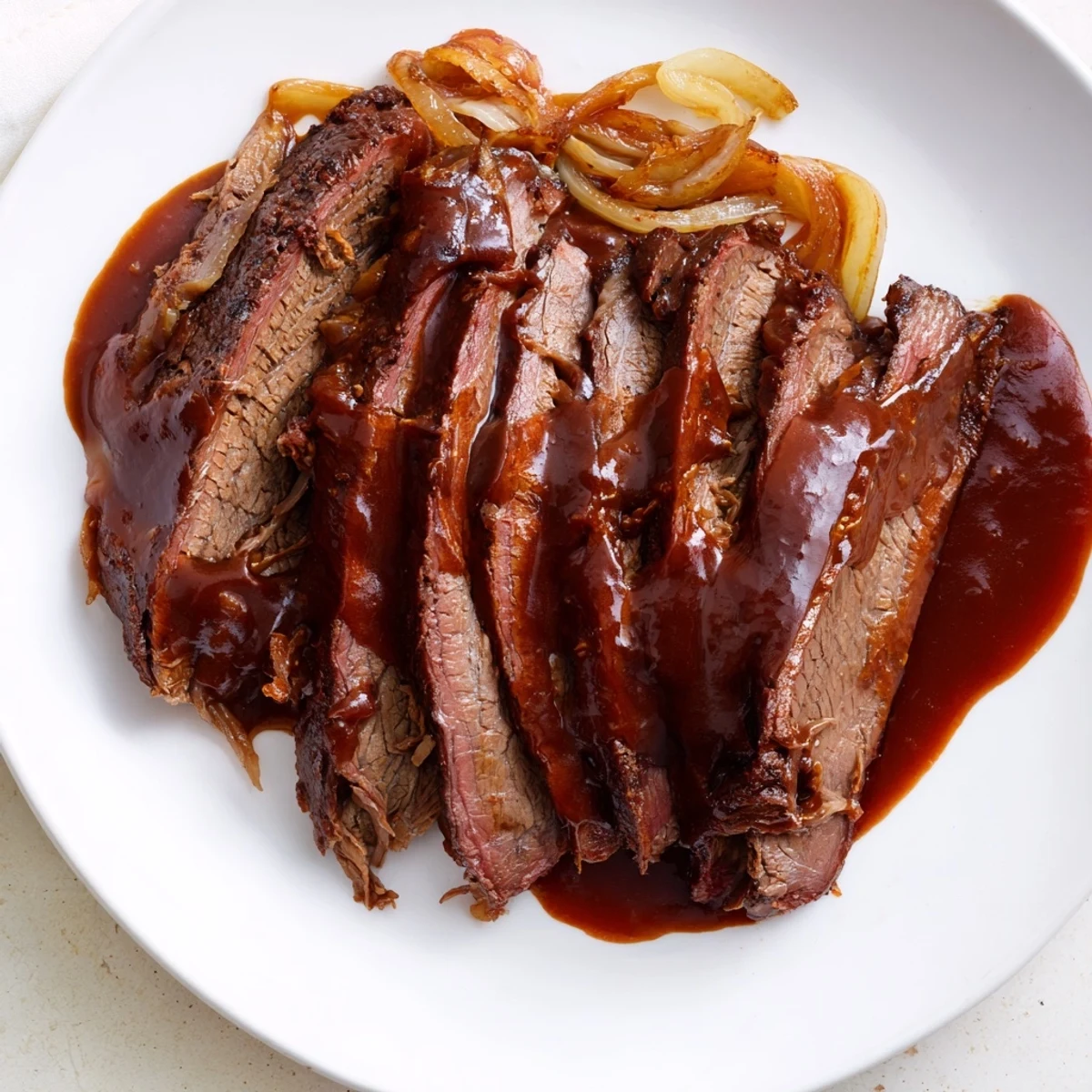
- Remove from the oven and let rest for 15 minutes. This resting period is non-negotiable—it allows the meat fibers to relax and reabsorb juices. Slice against the grain (perpendicular to the lines of muscle you see), which is what makes the brisket tender to eat. Serve with extra sauce and those caramelized onions on the side.
 Save
Save My father still talks about the first time I made this brisket without him hovering in the kitchen, telling me I was doing it wrong. When he took that first bite and closed his eyes, I knew I'd finally earned my place at the family dinner table as someone who could feed people well. Food is love, and this dish is pure love made tangible.
The Science of Low and Slow Cooking
Brisket is a tough cut of meat because it comes from a muscle that's heavily used on the animal. Raw, it would be nearly inedible. But here's the magic: at low temperatures over a long time, the collagen and connective tissue in the meat break down into gelatin, and the muscle fibers gradually relax. This isn't just cooking—it's a gentle transformation. The 300°F oven temperature is the sweet spot. Any hotter, and the muscle fibers contract too quickly and squeeze out moisture. Any cooler, and you're adding hours to the cook time. This recipe hits the balance perfectly.
Sauce Development and Flavor Layering
The barbecue sauce is where this recipe really shines. Unlike store-bought versions with their one-note sweetness, this sauce has complexity. The ketchup provides body, the vinegar adds brightness, the molasses brings depth, and the mustard ties everything together with subtle tang. When you simmer all these elements together, they marry into something greater than their individual parts. The first time I made this sauce, I was surprised by how the flavors seemed to deepen and round out as it simmered. It's the difference between a condiment and something that tastes like it's been perfected over generations.
Serving Suggestions and Storage
Serve this brisket with coleslaw for crunch, pickles for acidity, and crusty bread or cornbread for soaking up the sauce. The cold crunch of coleslaw against the warm, tender meat is essential. For leftovers, shred the brisket and use it for sandwiches the next day—it actually tastes better as the flavors settle. Store in an airtight container in the refrigerator for up to four days, or freeze for up to three months.
- Make coleslaw the day before so the flavors meld, and serve it cold straight from the fridge
- If making this for a crowd, do the long braise the day before, then glaze and finish the next day to save oven space
- Leftover sauce keeps in the refrigerator for two weeks and is incredible on grilled chicken, pulled pork, or even scrambled eggs
 Save
Save This brisket has become my answer to the question, 'What should I make when I want to feel like a real cook?' It's approachable, forgiving, and absolutely delicious.
Recipe FAQs
- → How do I ensure the brisket stays tender during cooking?
-
Slow roasting at a low temperature with beef broth and covered tightly helps retain moisture, ensuring a tender texture.
- → Can I prepare the barbecue sauce in advance?
-
Yes, the sauce can be simmered ahead of time and refrigerated; reheat gently before brushing on the brisket.
- → What spices enhance the smoky flavor best?
-
Smoked paprika and a dash of cayenne pepper add depth and a subtle heat to complement the smoke notes.
- → Is it necessary to rest the brisket before slicing?
-
Resting for 15 minutes allows juices to redistribute, resulting in juicier and more tender slices.
- → How can I add more heat to the barbecue sauce?
-
Increase the cayenne pepper or add a pinch of smoked chili powder to boost spiciness without overpowering.