
 Save
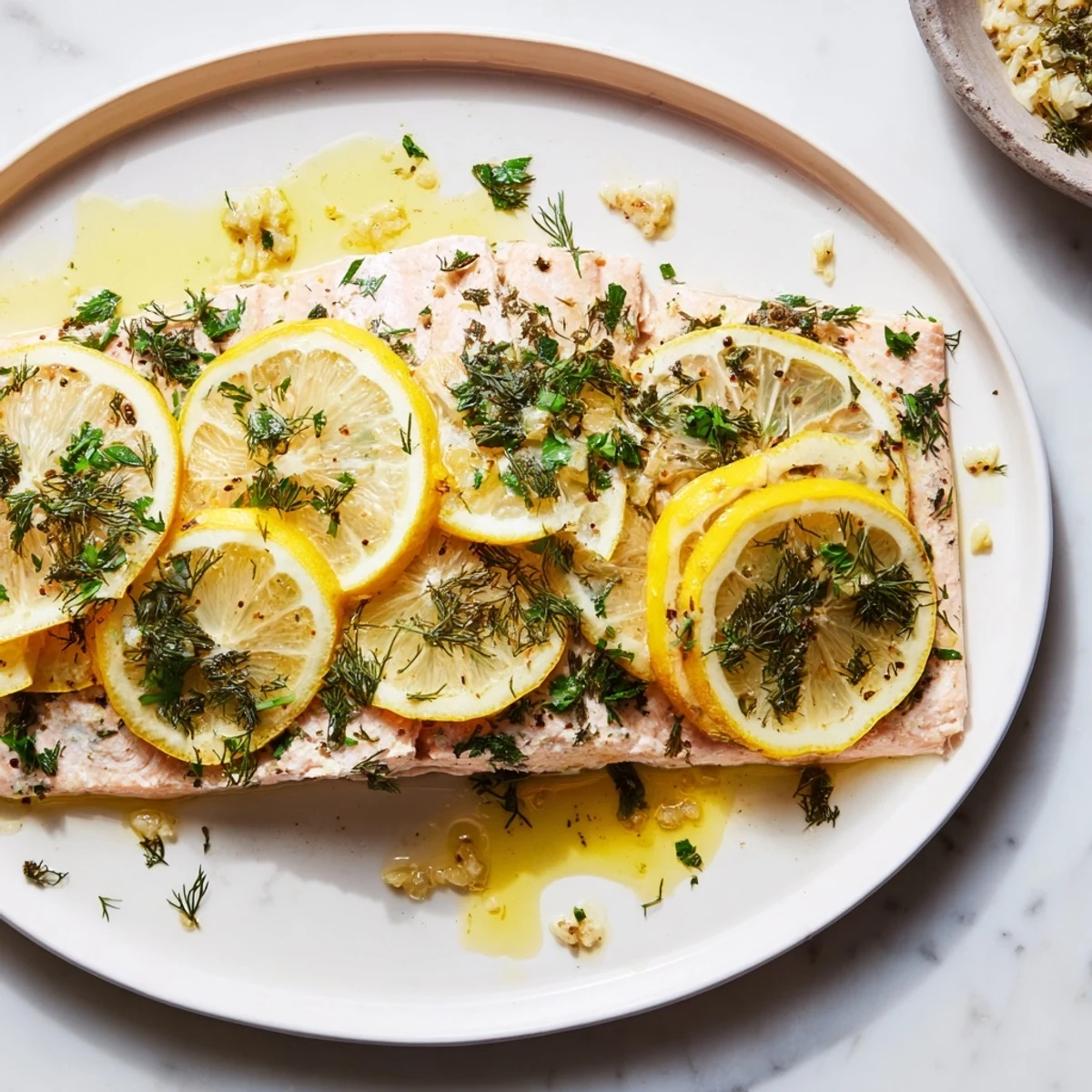
Save Enjoy tender trout fillets gently baked to perfection with olive oil, thin lemon slices, fresh parsley, dill, garlic, salt, and pepper. This simple dish comes together quickly with minimal prep and cooks in about 15 minutes. The fish flakes easily when done and carries a fresh, bright flavor highlighted by citrus and herbs. It pairs wonderfully with steamed vegetables or roasted potatoes for a wholesome, light main course.
Preparation involves seasoning the fillets, layering lemon slices on top, and baking at 200°C until opaque and flaky. Optional garnishes include extra lemon wedges and chopped herbs to enhance aroma and presentation.
Perfect for those seeking a gluten-free, pescatarian-friendly meal, this easy-to-make dish brings vibrant European flavors to your table with minimal fuss.
I discovered baked trout fillets during a summer trip to the coast, where a small restaurant served the most delicate, perfectly flaked fish I'd ever tasted. The chef told me the secret was simplicity—just fresh trout, bright lemon, and herbs, all roasted together. That meal changed how I approached cooking fish at home. Now, whenever I want to impress without the stress, this is the recipe I reach for.
I remember making this for my sister when she visited unexpectedly, worried she'd judge my cooking skills. As we sat down and she took that first bite, her eyes lit up. She asked for the recipe right then and there. That's when I knew this dish had something special—it tastes restaurant-quality but feels completely approachable.
Ingredients
- 4 trout fillets (about 150 g each), skin-on or skinless: Look for fillets that are firm and smell like the ocean, not fishy. Skin-on fillets hold their shape beautifully while baking, but skinless works just as well if that's what you prefer
- 2 tablespoons olive oil: This is your base—use a good quality extra virgin if you have it, since the oil flavors everything. A lighter olive oil works too, but the flavor won't be quite as rich
- 1 lemon, thinly sliced: The lemon does double duty: it seasons the fish while it cooks and makes the dish look restaurant-worthy. Keep a few extra wedges for serving
- 2 tablespoons fresh parsley, chopped: Fresh herbs are non-negotiable here. Dried parsley will taste like cardboard in comparison. Strip the leaves from the stems and chop just before using
- 2 teaspoons fresh dill, chopped (or 1 teaspoon dried dill): Dill is the secret weapon that makes this taste coastal and sophisticated. If you only have dried, use half the amount since it's more concentrated
- 2 cloves garlic, minced: Don't use garlic powder. Fresh garlic, minced fine, adds a subtle sweetness that complements the delicate fish perfectly
- 1 teaspoon salt and ½ teaspoon black pepper: Season generously but taste as you go. Remember, the lemon will also add brightness, so you don't need to oversalt
Instructions
- Get your oven ready:
- Preheat to 200°C (400°F) and line your baking sheet with parchment paper. This step is crucial—the parchment keeps the fish from sticking and makes cleanup effortless. If you don't have parchment, a light spray of nonstick oil works, but parchment gives you better results
- Arrange your fillets:
- Place the trout skin-side down on the prepared sheet, leaving a little space between each fillet so the heat circulates evenly. If your fillets are uneven in thickness, tuck the thinner ends under slightly so they cook at the same rate
- Dress with oil:
- Drizzle the olive oil over each fillet, letting it pool slightly around the edges. This creates a gentle, moist environment for the fish to cook in. Use your fingers or a pastry brush to coat everything evenly
- Season with intention:
- Sprinkle salt, pepper, minced garlic, parsley, and dill over each fillet. Don't be shy with the herbs—they're what make this taste special. Give everything a light toss with your fingers to distribute the seasonings
- Top with lemon:
- Arrange thin lemon slices directly on top of each fillet. The lemon will soften as it bakes, infusing the fish with brightness. Some slices will caramelize slightly at the edges, adding a subtle sweetness
- Bake with confidence:
- Slide the tray into your hot oven and set a timer for 12 to 15 minutes. You'll know it's done when the fish flakes easily with a fork and is opaque throughout. The thickest part should have no translucent lines remaining
- Rest and serve:
- Remove from the oven and let the fillets rest for 2 minutes. This brief moment allows the residual heat to finish the cooking gently. Serve immediately while still warm, with extra lemon wedges and fresh herbs scattered on top
 Save
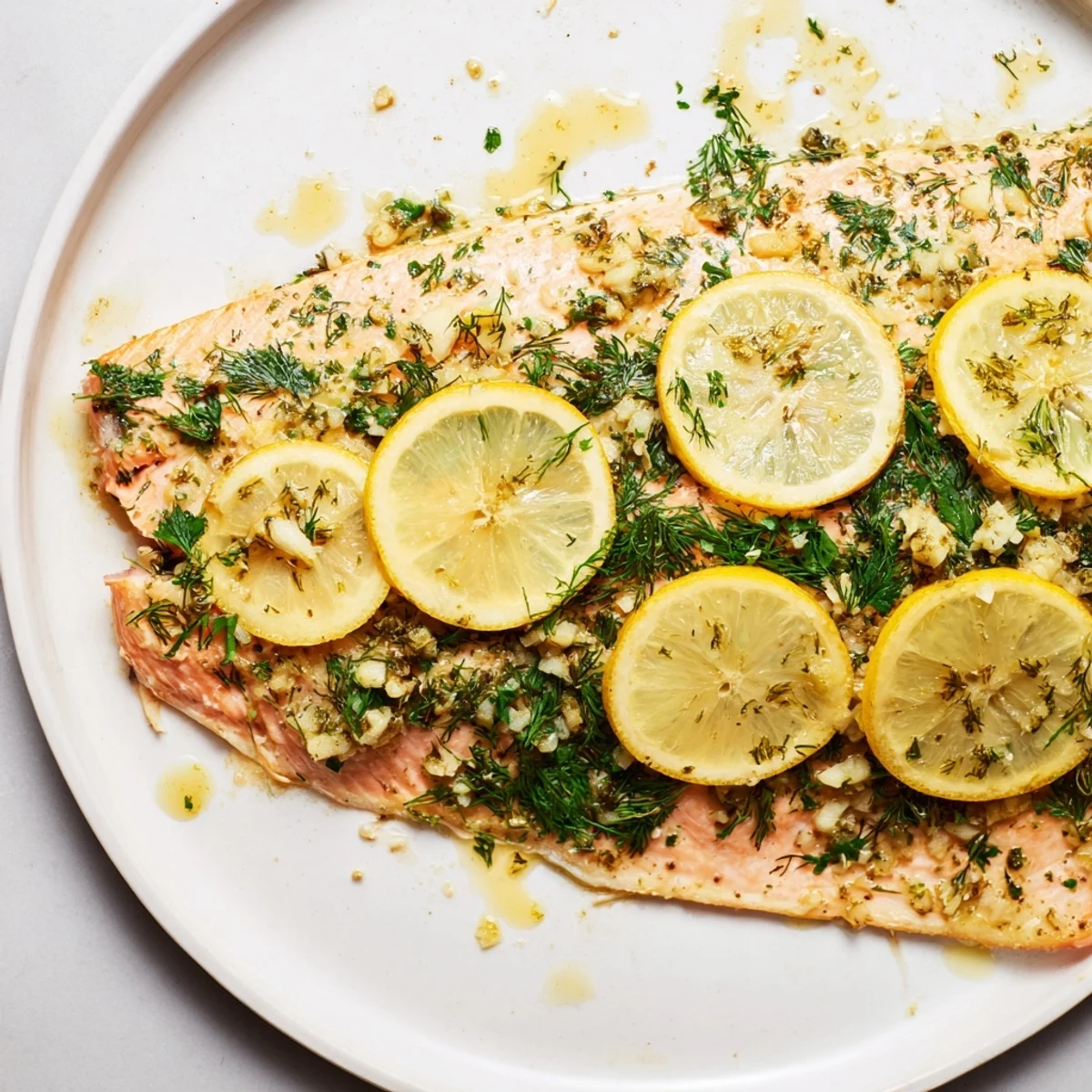
Save There's a moment in cooking where simplicity becomes elegance. When I plate this dish and watch the steam rise from the golden trout, the lemon slice catching the light, I realize how right that coast restaurant was. Sometimes the best meals aren't about complexity—they're about respecting the ingredient and letting it shine.
Why Trout, Why This Way
Trout is the perfect fish for home cooks because it's forgiving and inherently delicious. Its flesh is delicate but sturdy enough to handle a simple bake without falling apart. Unlike some white fish that need extra fat or sauce, trout stands proud with just lemon and herbs. It's the kind of fish that reminds you why people fell in love with eating seafood in the first place.
Making It Your Own
The beauty of this recipe is how easily you can customize it based on what's in your kitchen or what you're craving. Some nights I add a splash of dry white wine to the baking tray before the fish goes in, letting it create a subtle sauce. Other times, a pinch of red pepper flakes adds warmth and complexity. Even substituting the herbs—try tarragon, fennel fronds, or chives—transforms the dish into something new while keeping the method exactly the same.
What to Serve Alongside
This trout doesn't demand much in terms of sides, but a few simple accompaniments make the meal feel complete. Steamed asparagus with a squeeze of lemon, roasted potatoes with fresh rosemary, or a crisp green salad with a light vinaigrette all work beautifully. The key is keeping things bright and simple so the fish remains the star. If you want something richer, roasted root vegetables add earthiness without overwhelming the delicate flavors.
- A wedge of fresh lemon on the plate is non-negotiable—it transforms every bite
- Keep everything warm when you plate, so the fish is still steaming when it reaches the table
- Leftover trout is wonderful the next day served cold over greens as a salad
 Save
Save This recipe became my answer to the question, 'What's something you're proud to cook for people?' It's simple, it's elegant, and it tastes like you've been cooking fish for decades.
Recipe FAQs
- → What is the best way to bake trout fillets?
-
Preheat the oven to 200°C (400°F), arrange the fillets skin-side down on a lined baking sheet, season with olive oil, herbs, and lemon slices, then bake for 12–15 minutes until the fish flakes easily.
- → Can I use other fish instead of trout?
-
Yes, similar white fish such as salmon or cod can be used as substitutes and will yield delicious results when baked with this method.
- → What herbs work well with baked trout?
-
Fresh parsley and dill complement trout beautifully, adding brightness and depth to the delicate flavor of the fish.
- → How can I add a spicy touch to this dish?
-
Adding a pinch of red pepper flakes before baking provides a gentle kick without overpowering the fresh flavors of the trout and lemon.
- → What side dishes pair best with baked trout fillets?
-
Steamed vegetables, roasted potatoes, or a crisp green salad make excellent companions by balancing the rich, flaky fish with fresh and hearty textures.