
 Save
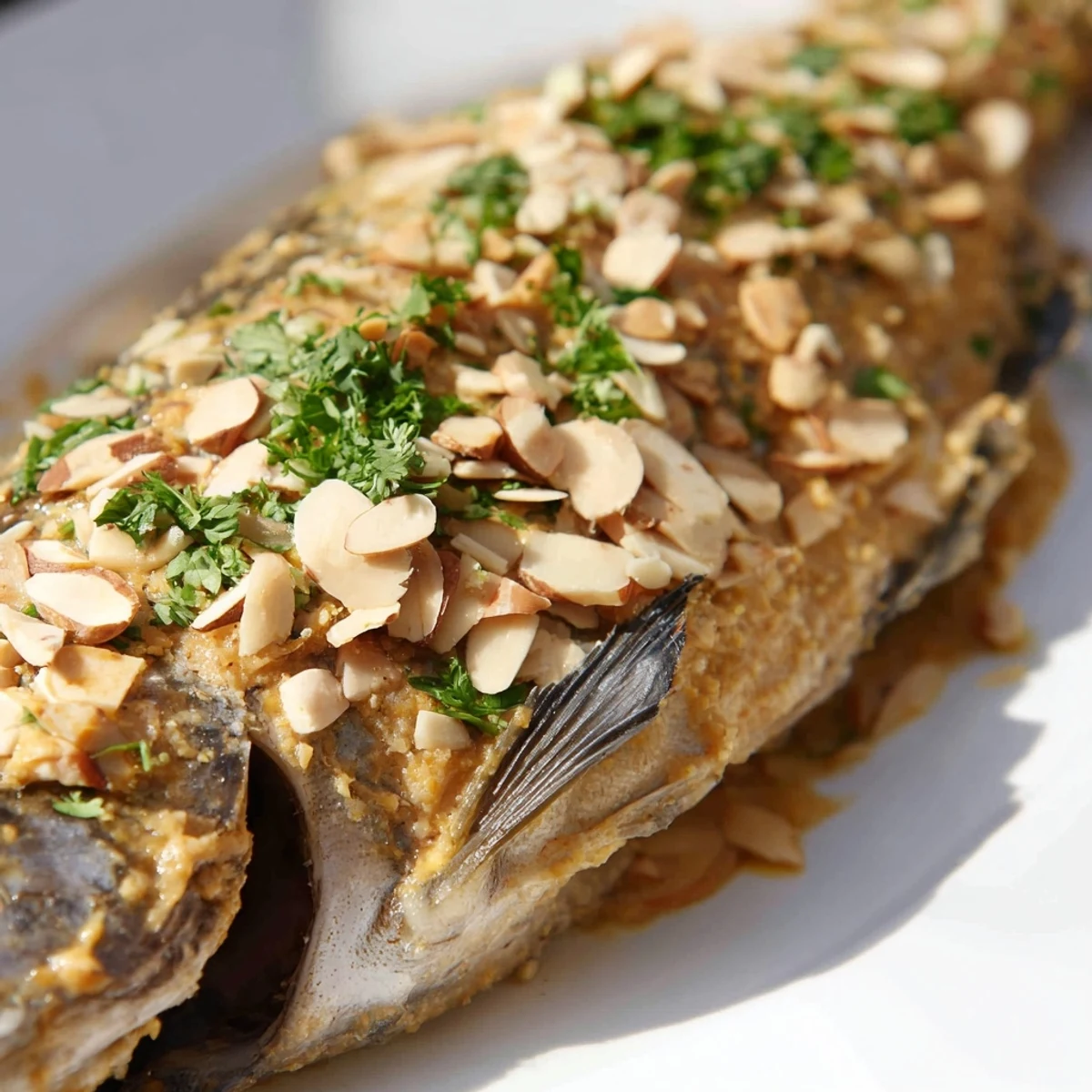
Save This dish features whole trout baked to tender perfection, seasoned with fresh herbs and lemon slices. A rich almond butter sauce with toasted almonds, lemon juice, and parsley is prepared alongside and drizzled over the fish, adding nutty aroma and flavor. Ideal for an easy yet elegant main course, it offers a delicious balance of textures and tastes, perfect with steamed potatoes or greens. A gluten-free, pescatarian option that highlights simple ingredients and classic European flavors.
There's something about whole fish that makes you feel like you're cooking something special, even when it's simple. I discovered this almond butter sauce years ago while trying to use up a surplus of nuts from the farmers market, and it completely transformed how I thought about finishing delicate fish. The nutty warmth against cool, flaky trout felt like a moment of kitchen luck, the kind where you're not following a recipe so much as letting ingredients tell you what they want to be. Now I make it whenever I want to feel like I've cooked something elegant without the stress.
I remember serving this to my sister on a quiet Sunday evening, the kitchen smelling like toasted almonds and lemon while we caught up over wine. She kept asking if I'd made this professionally, and I laughed because the secret was simply trusting the oven and not overthinking it. That's when I realized this dish had crossed over from something I made when I wanted to impress into something I made because it made me happy.
Ingredients
- Whole trout (4, about 300 g each): Look for fish that feel firm and smell like clean ocean, not fishy. Ask your fishmonger to clean and scale them so you can focus on cooking.
- Lemon: Fresh is non-negotiable here; those slices inside the fish will perfume the flesh as it steams.
- Fresh parsley and dill: These aren't garnish, they're part of the fish's flavor from the inside out, so use generous handfuls.
- Olive oil: A good one matters for drizzling, but you don't need extra virgin if you're cooking with it at this temperature.
- Unsalted butter: Essential for the sauce so you can control the salt and taste the almonds clearly.
- Sliced almonds: Watch them closely as they toast; they brown quickly and bitterness sneaks up fast.
Instructions
- Get your oven ready:
- Preheat to 200°C (390°F) and line your baking tray with parchment paper or give it a light oil. This prevents sticking and makes cleanup effortless, which matters when you're about to cook a whole fish.
- Prepare the trout:
- Rinse each fish under cold water and pat completely dry with paper towels, getting into the cavity. Dry fish browns better and seasons more evenly, so don't rush this step.
- Season generously:
- Salt and pepper the inside and outside of each trout, making sure the cavity gets as much attention as the skin. This is where the flavor builds.
- Stuff with brightness:
- Tuck a few lemon slices, chopped parsley, and fresh dill into each cavity, letting the herbs stick out a bit. As the fish bakes, these will perfume the flesh and make the whole thing taste like itself, but better.
- Oil and bake:
- Lay the trout on the prepared tray and drizzle lightly with olive oil. Bake for 18-20 minutes until the flesh turns opaque and flakes easily when you test it with a fork at the thickest part.
- Toast the almonds:
- While the fish bakes, melt butter in a small skillet over medium heat, then add the sliced almonds. Stir constantly and listen for the fragrance to deepen; this takes only 3-4 minutes and the difference between golden and bitter is a matter of seconds.
- Finish the sauce:
- Remove from heat immediately, stir in lemon juice and fresh parsley, and taste for salt. The sauce should taste bright and nutty, ready to crown the fish.
- Plate and serve:
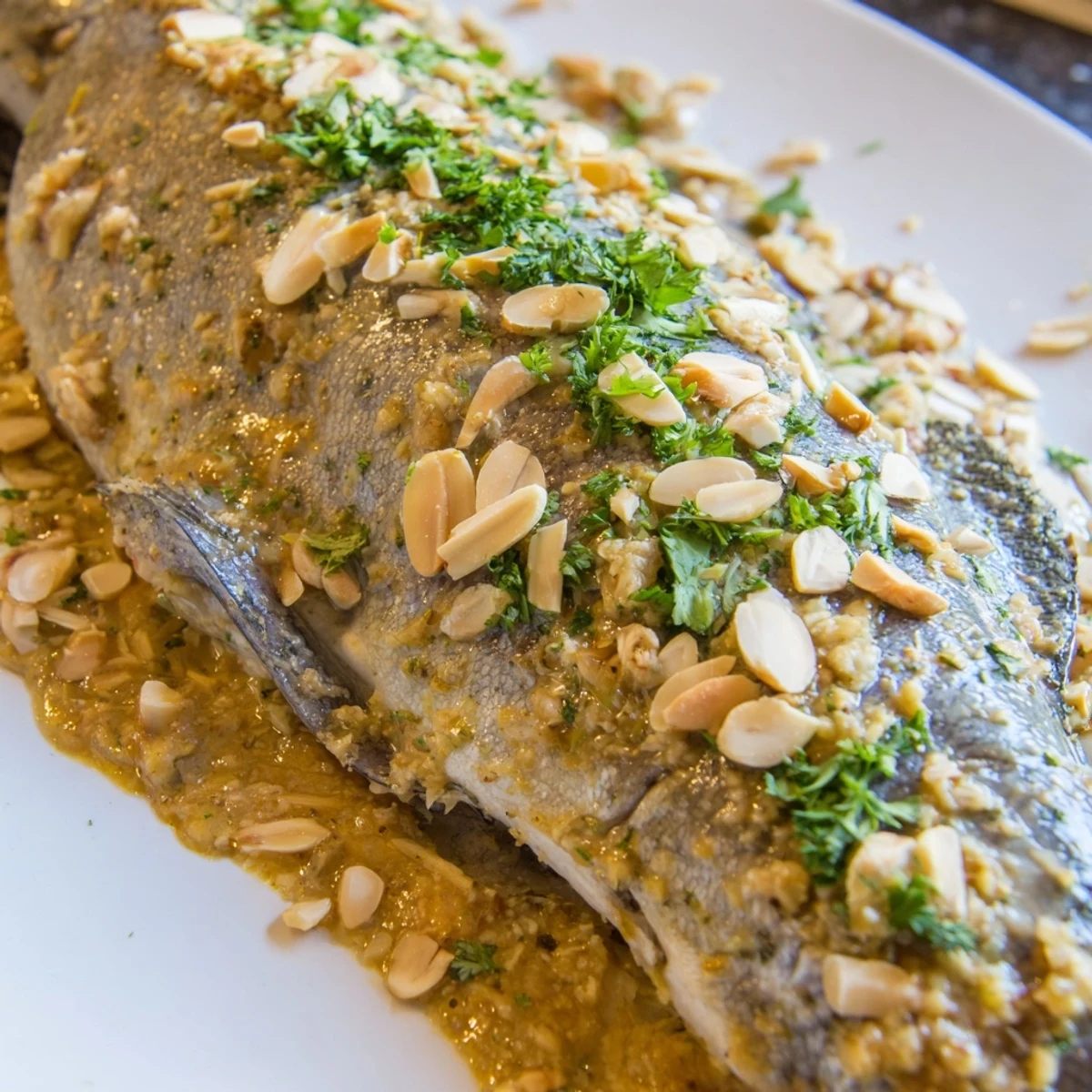
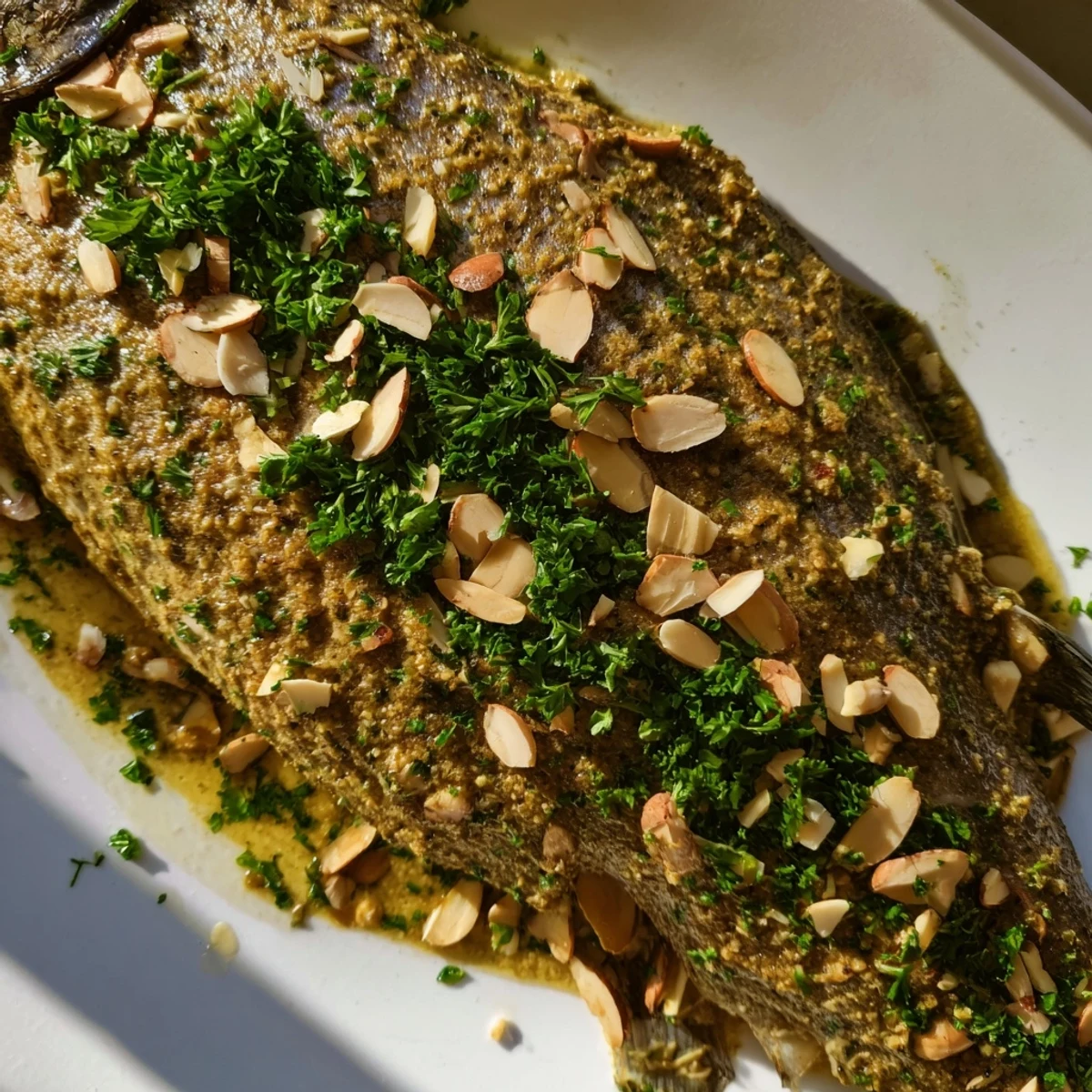
- Transfer each trout to a plate and spoon the warm almond butter sauce over the top, letting it pool slightly. Serve right away while everything is still warm and the sauce clings to the fish.
 Save
Save There was a moment when a friend took her first bite and closed her eyes, then asked why we don't eat like this every night. I realized it wasn't about complicated technique or rare ingredients; it was about respecting something simple and letting it be itself. That's what this dish taught me about cooking.
Why Whole Fish Works
Cooking a whole fish feels intimidating at first, but it's actually one of the gentlest cooking methods because the skin acts as a natural shield, keeping the flesh underneath impossibly moist. Once you roast one whole trout, you'll never be nervous about it again. The bones add flavor that fillets can't match, and there's something satisfying about eating around them, feeling connected to the fish itself.
The Almond Butter Moment
Almond butter sauce is a small thing that changes everything. It bridges the delicate, clean flavor of the fish with something rich and warming, adding texture without heaviness. I've tried this with hazelnuts and even sunflower seeds when someone had nut allergies, and both work, but the subtle sweetness of toasted almonds feels like it was always meant for trout.
Serving and Pairing
Serve this with something light and fresh on the side to let the fish shine. Steamed new potatoes soak up the sauce beautifully, or a crisp salad with a sharp vinaigrette cuts through the richness perfectly. I've also served it with roasted asparagus or simply with crusty bread to soak up every last bit of almond butter.
- A dry white wine like Sauvignon Blanc or a light Pinot Grigio pairs perfectly without overwhelming the delicate fish.
- Add a splash of white wine to the baking tray before roasting for an extra layer of flavor that mingles with the herbs and lemon.
- Let the fish rest on the plate for a minute before spooning the sauce over so the temperature evens out slightly.
 Save
Save This is the kind of dish that tastes like more effort than it actually requires, which is the best kind of cooking. It's become my go-to when I want to feel like I've made something special without spending the whole evening in the kitchen.