
 Save
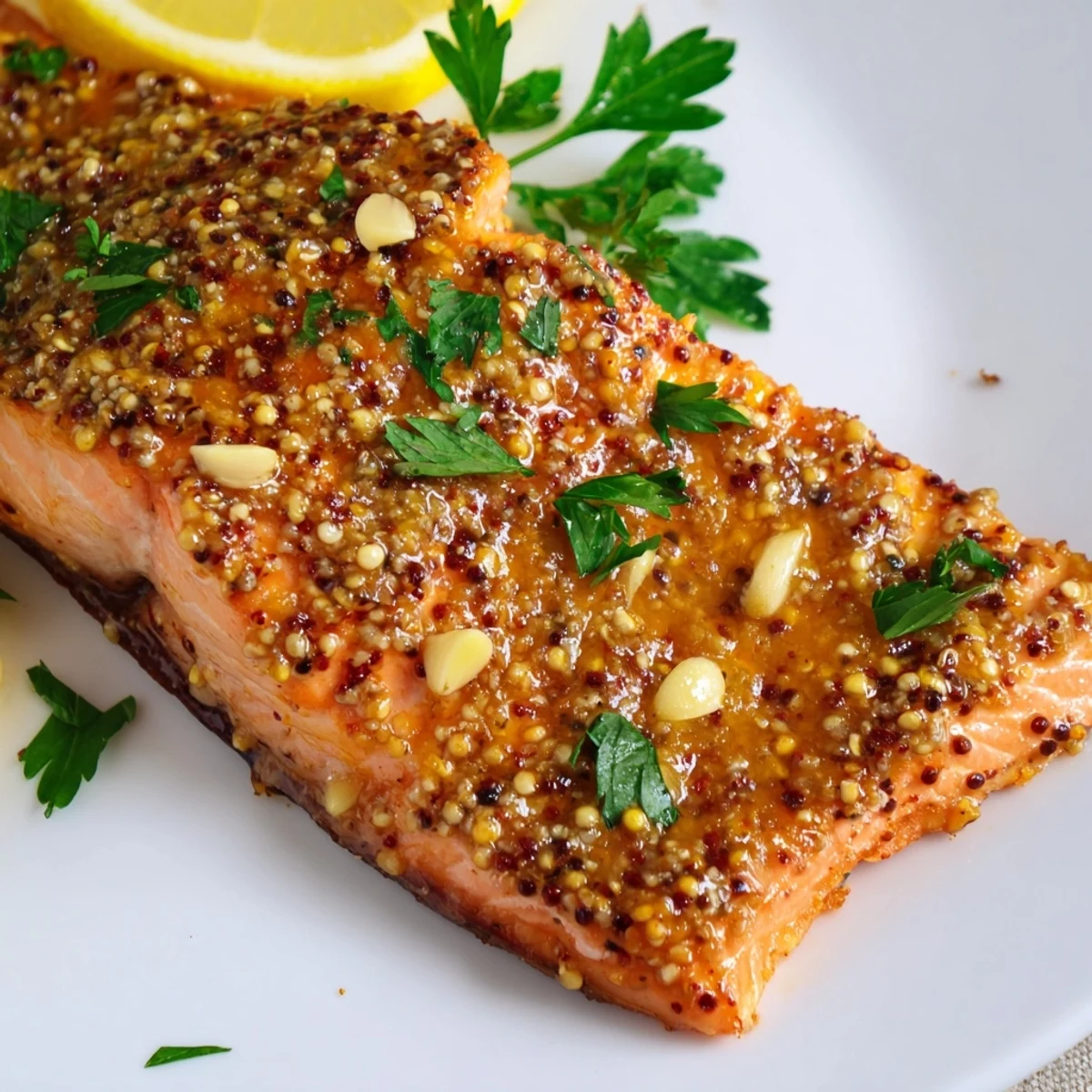
Save This dish features salmon fillets coated in a sweet and tangy honey mustard glaze, then baked until flaky and tender. The glaze combines Dijon mustard, honey, lemon juice, and olive oil with a hint of garlic and spices for balanced flavor. Garnished with fresh parsley and served with lemon wedges, this preparation offers a nutritious and easy-to-make main course suitable for gluten-free and pescatarian diets.
My dad came home with fresh salmon one evening and I watched him brush this golden honey mustard glaze across the fillets like he was painting something precious. Fifteen minutes later, the kitchen smelled like caramelized honey and tangy mustard, and suddenly everyone was gathering around the table without being asked. That was the night I realized how a simple combination of sweet and savory could turn an ordinary weeknight into something special.
I made this for friends who were skeptical about fish, and watching their faces when they took that first bite—the honey cutting through the mustard heat, the lemon brightness—that's when I knew I had a recipe worth keeping. Someone asked for seconds before half the table was finished, and I realized this dish has that rare quality of feeling both impressive and completely approachable.
Ingredients
- Salmon fillets (4, about 150g each): The star of the show, and choosing skin-on keeps the fish moist and gives you something crispy to enjoy if you like it that way.
- Dijon mustard (3 tbsp): This is the backbone of your glaze, so don't use the bright yellow stuff, it'll taste like hot dog condiments.
- Honey (2 tbsp): The sweet counterpoint that balances the mustard's bite and helps create that beautiful caramelized surface.
- Whole grain mustard (1 tbsp, optional): Adds texture and a slightly milder mustard flavor if you want to soften things a touch.
- Fresh lemon juice (1 tbsp): This tiny amount lifts everything, cutting through the richness and keeping the dish from feeling heavy.
- Olive oil (1 tbsp): Helps the glaze spread evenly and adds richness to the sauce.
- Garlic clove (1, minced): A whisper of garlic that you taste rather than notice, which is exactly what you want.
- Salt and black pepper (1/2 tsp salt, 1/4 tsp pepper): Season generously because the glaze needs this foundation to taste bright.
- Fresh parsley (2 tbsp, chopped): A pop of color and freshness that makes the dish look like you actually care about presentation.
- Lemon wedges: For squeezing over at the table, because sometimes you want more tang.
Instructions
- Get your oven ready:
- Heat your oven to 200°C (400°F) and line a baking sheet with parchment paper. This single step determines whether your salmon sticks or slides around beautifully.
- Build your glaze:
- Whisk together the Dijon mustard, honey, whole grain mustard if you're using it, lemon juice, olive oil, minced garlic, salt, and pepper in a small bowl until it's smooth and emulsified. Don't overthink it, just get everything combined and glossy.
- Prepare the salmon:
- Pat your salmon fillets dry with paper towels and lay them skin-side down on your prepared baking sheet. Dry salmon is the key to a good sear-like edge.
- Brush generously:
- Using a pastry brush, coat each fillet with your glaze, making sure to get the sides and all the edges. Don't be shy here, this is what gives you that caramelized crust.
- Bake until just cooked through:
- Slide the sheet into your oven for 12 to 15 minutes, checking around the 12-minute mark by gently flaking the thickest part with a fork. You want it to just flake easily and still feel slightly moist at the center, not dry and stringy.
- Finish and serve:
- Pull everything out, scatter fresh parsley over the top, and serve immediately with lemon wedges on the side. The warmth will help release all those flavors.
 Save
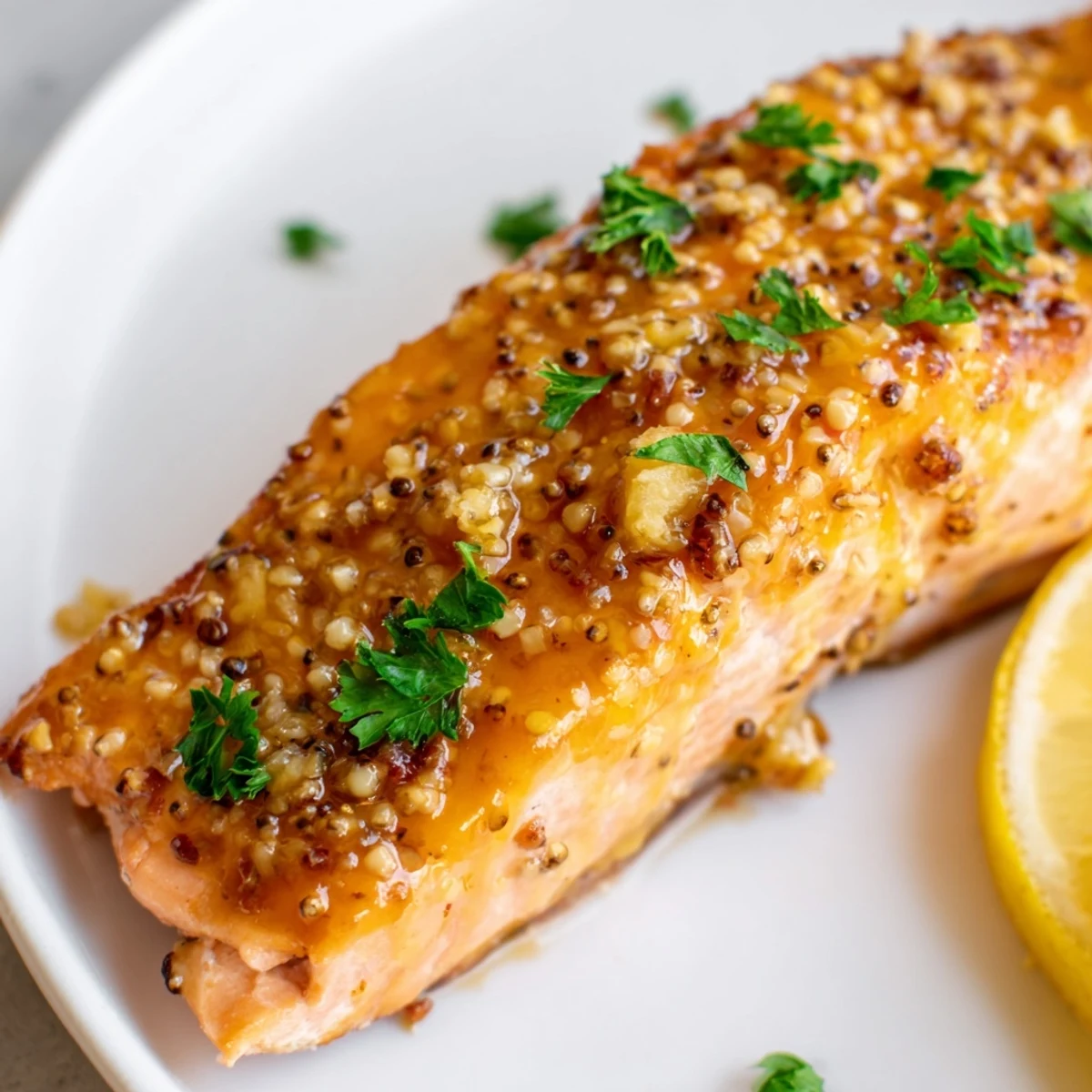
Save There's a moment when you pull the sheet out of the oven and see that glaze has turned from brushed-on paste to this beautiful caramelized coating, and the kitchen smells like something from a restaurant kitchen. That's when you know it's going to be good.
Making the Glaze Ahead
One of my favorite discoveries is mixing the glaze the morning of, storing it in a jar, and then just brushing it on at the last second. It means when dinner time comes, you're not juggling bowls and whisks, just brushing and baking. If you want to get fancy, coat the salmon with the glaze and let it sit in the fridge for up to 30 minutes before baking, which lets all those flavors soak in and creates an even deeper taste.
What to Serve Alongside
I've learned that roasted vegetables are the perfect partner here, something with a little caramelization to echo the glaze on the fish. Asparagus, broccoli, or even just halved Brussels sprouts tossed with olive oil work beautifully. A warm grain like rice or quinoa soaks up any extra glaze that drips onto the plate, and honestly, that's not something to waste.
Why This Works for Everyone
This recipe hits that sweet spot where it feels special enough for guests but easy enough that you're not stressed in the kitchen. The glaze is naturally gluten-free, the fish is packed with protein, and there's something about honey mustard that just works without apology. Whether someone's watching carbs, avoiding certain ingredients, or just wants something that tastes impressive without fuss, this delivers.
- You can prep the glaze while the oven preheats and be sitting down eating in under 30 minutes from start to finish.
- Leftovers, if you somehow have them, are just as good cold the next day with a squeeze of fresh lemon.
- Double the glaze recipe if you want extra for drizzling over vegetables or serving on the side.
 Save
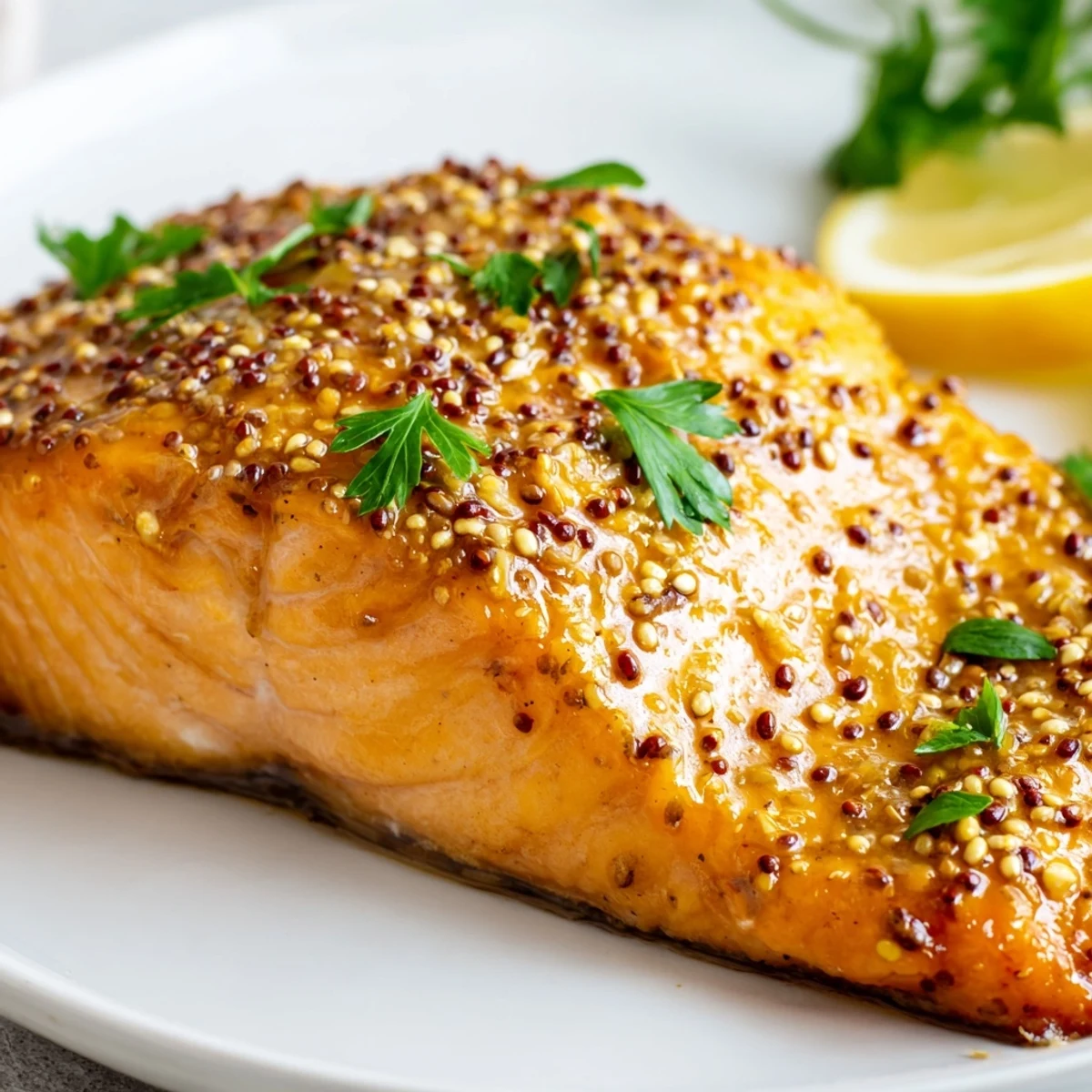
Save This is the kind of recipe that becomes a regular in your rotation because it's reliable, tasty, and makes you feel like you're taking care of yourself and whoever you're feeding. That's the real win.
Recipe FAQs
- → How do I know when the salmon is done baking?
-
The salmon is done when it flakes easily with a fork and reaches an internal temperature of 63°C (145°F).
- → Can I prepare the glaze in advance?
-
Yes, the honey mustard glaze can be whisked ahead of time and stored in the refrigerator for better melding of flavors.
- → Is it better to bake salmon with or without skin?
-
Both methods work well; skin-on salmon helps retain moisture and can crisp up, while skinless cooks slightly faster.
- → What are good side dishes to pair with this salmon?
-
Roasted vegetables, steamed rice, or a fresh green salad complement the salmon's flavors nicely.
- → Can whole grain mustard be omitted?
-
Yes, you can skip whole grain mustard or replace it with more Dijon mustard according to your preference.